




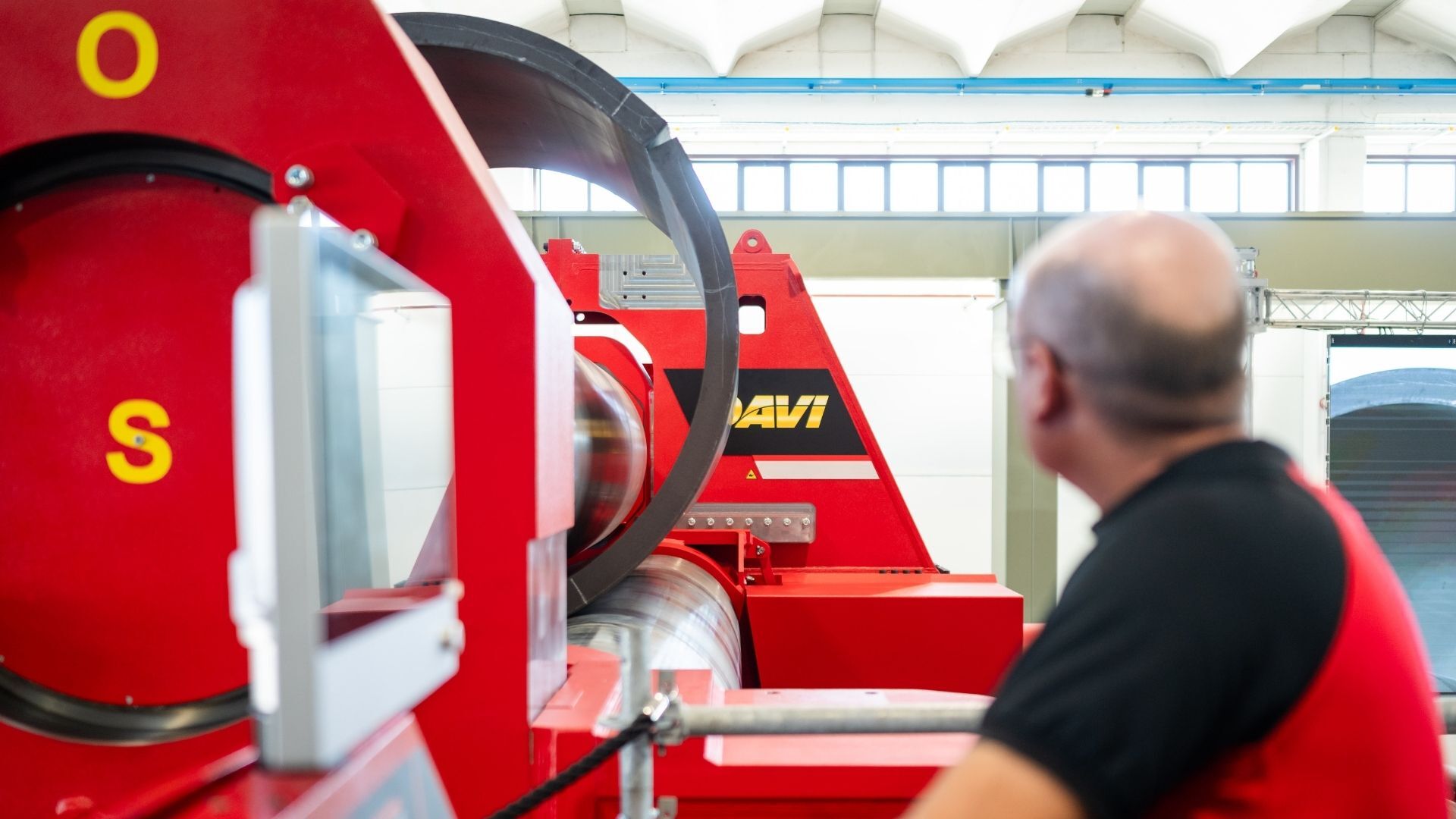
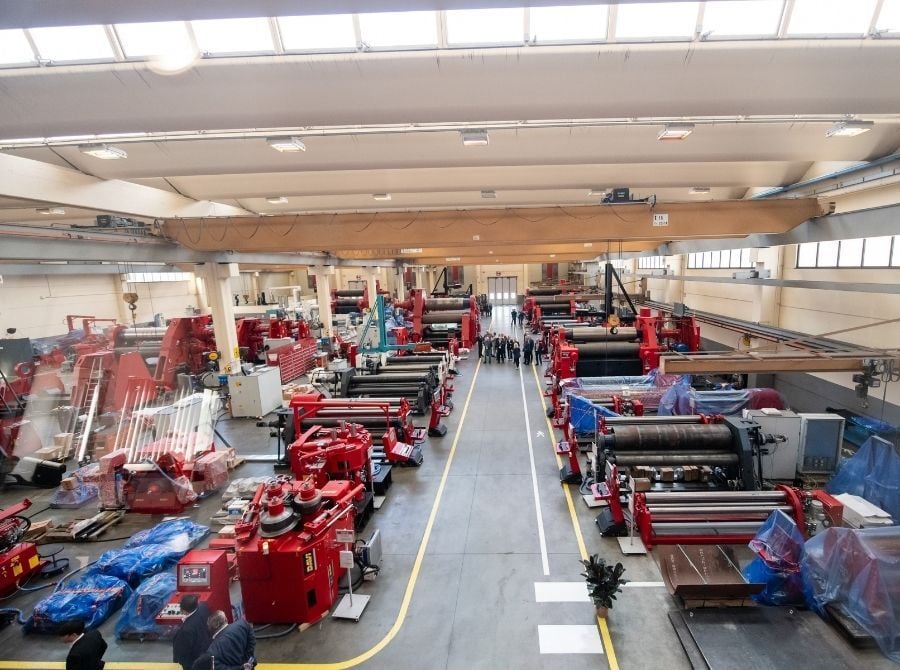
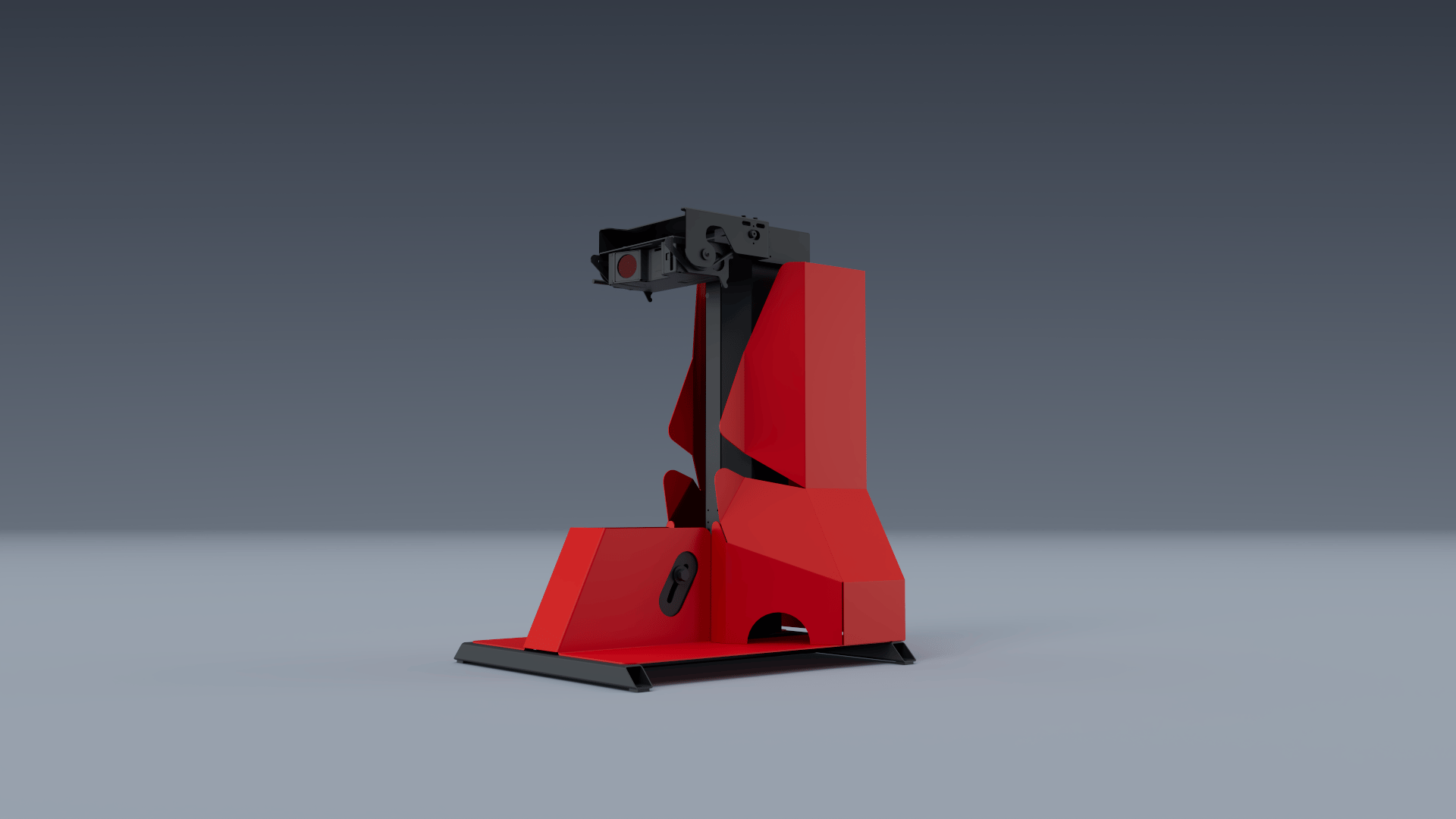


Vertical Rolling
Technical FAQ
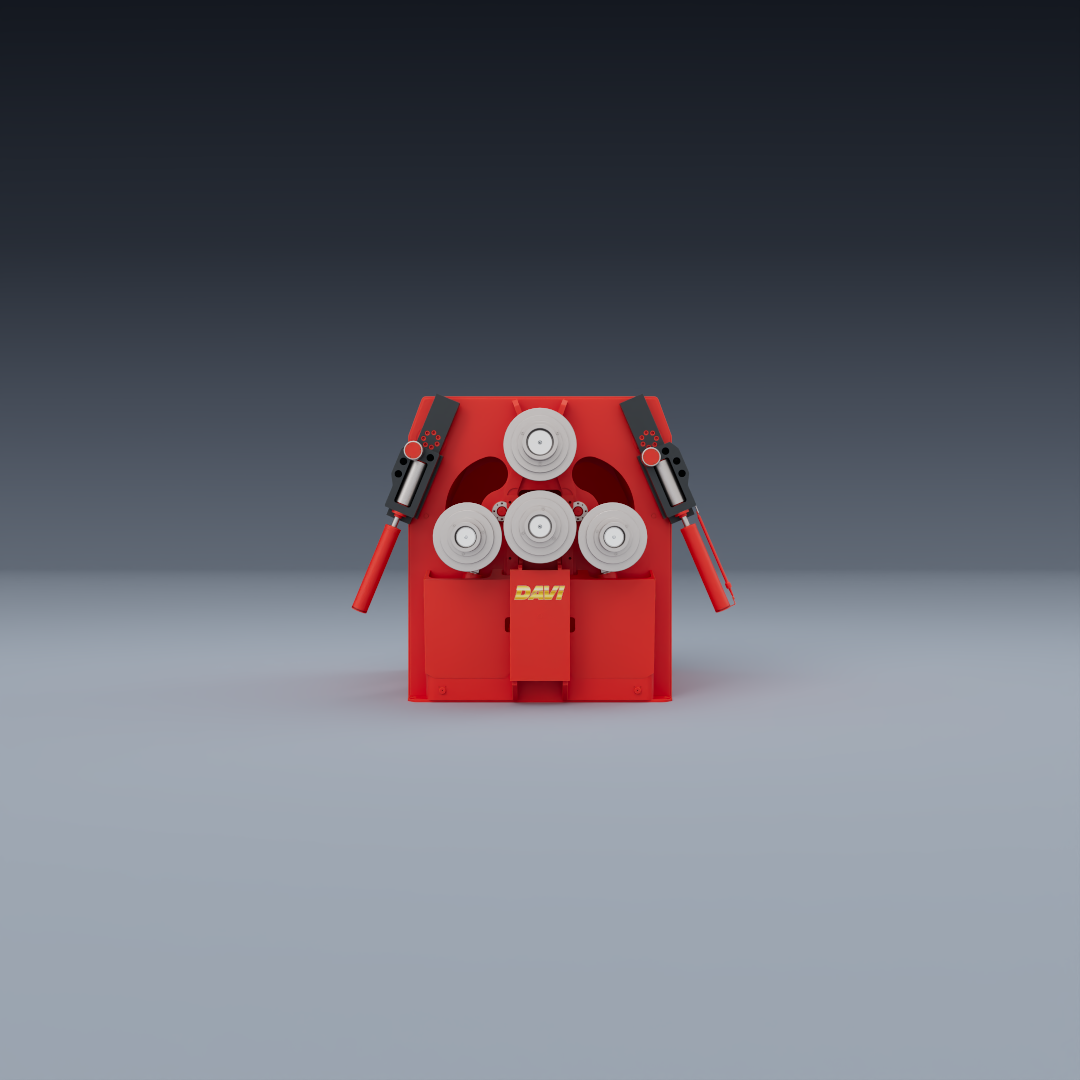
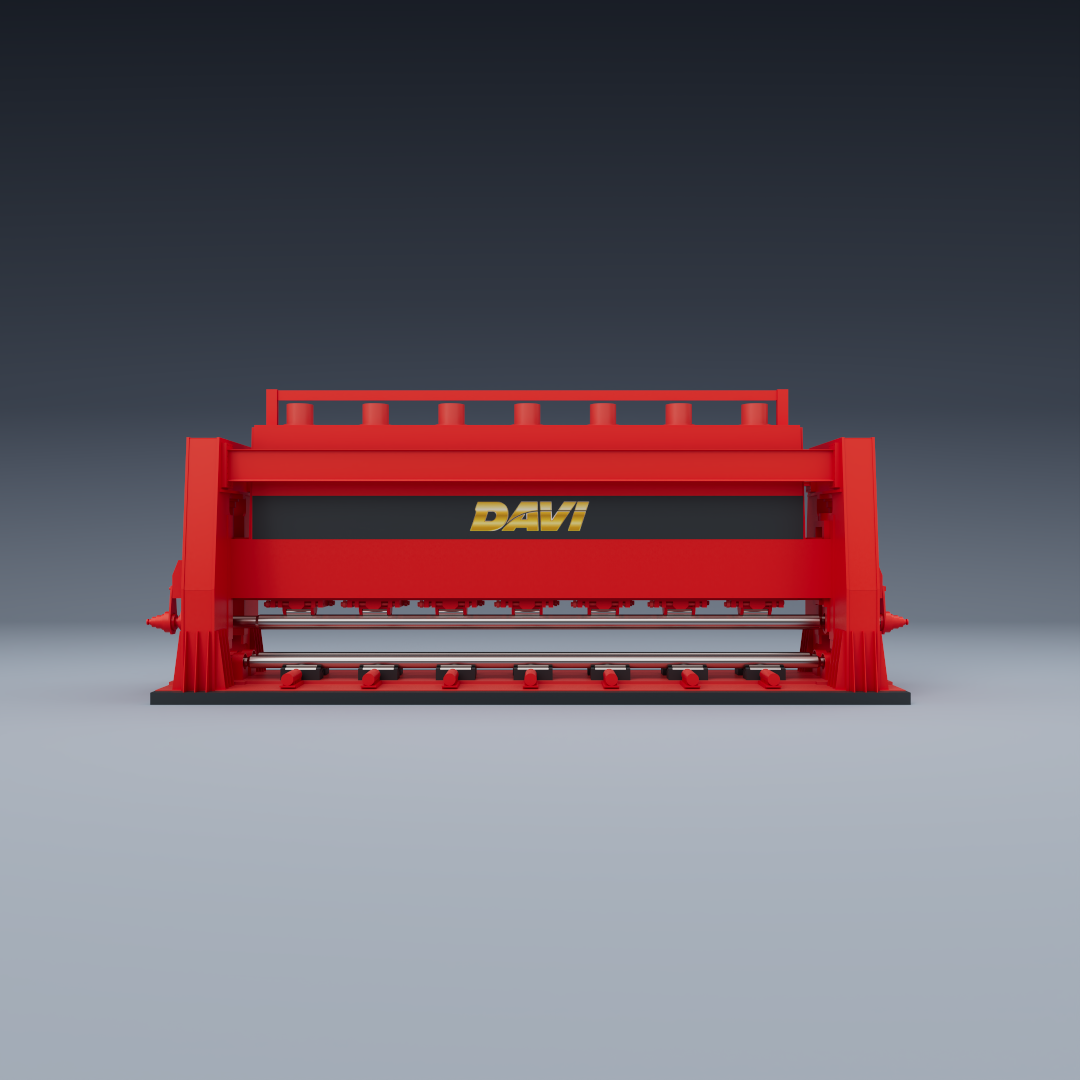
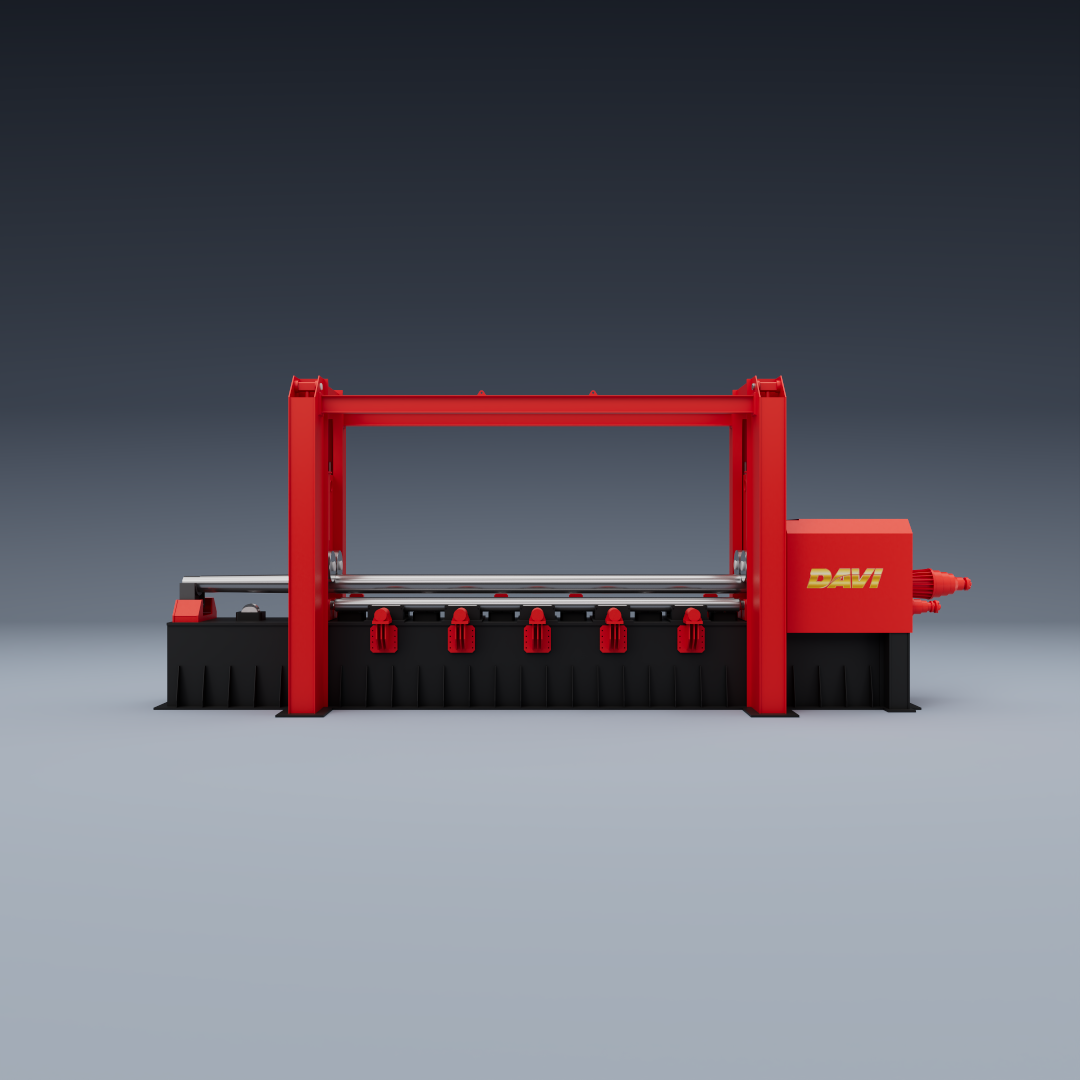
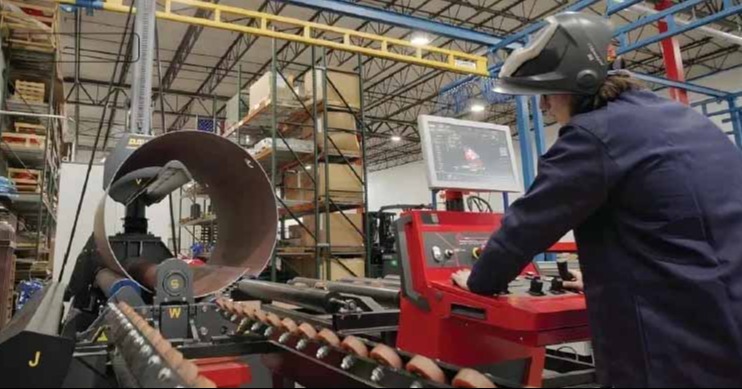
Metal fabricators often need to diversify their production from flat sheets to structural profiles, which requires choosing the right technology to adapt to varying market demands. While plate rolling utilizes wide cylinders to form flat sheet metal into cylinders or cones, angle rolling utilizes specialized, narrower driven shafts to bend structural shapes like beams, pipes, channels, or angles. This clear distinction helps job shops select the exact machinery needed to maximize shop versatility, expand their service portfolio, and capture new commercial opportunities. Davi builds dedicated lines for both applications, engineering systems that handle plates up to 400 mm (15.75 inches) thick and structural sections like beams up to 1,200 mm (47.24 inches) in height.
Selecting the ideal plate roll requires matching structural workload demands, thickness limits, geometric tolerances, and production speeds to the proper machine architecture.
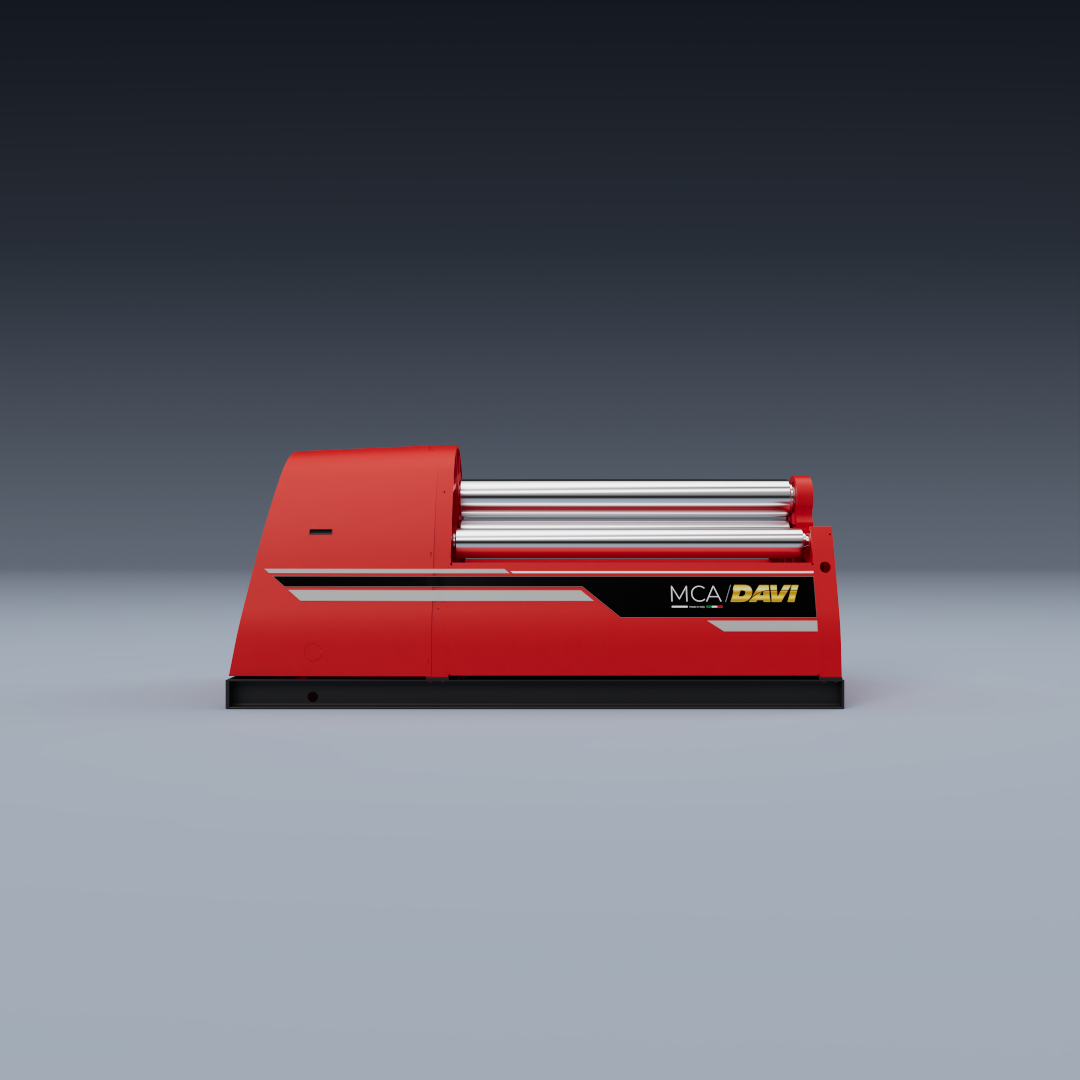
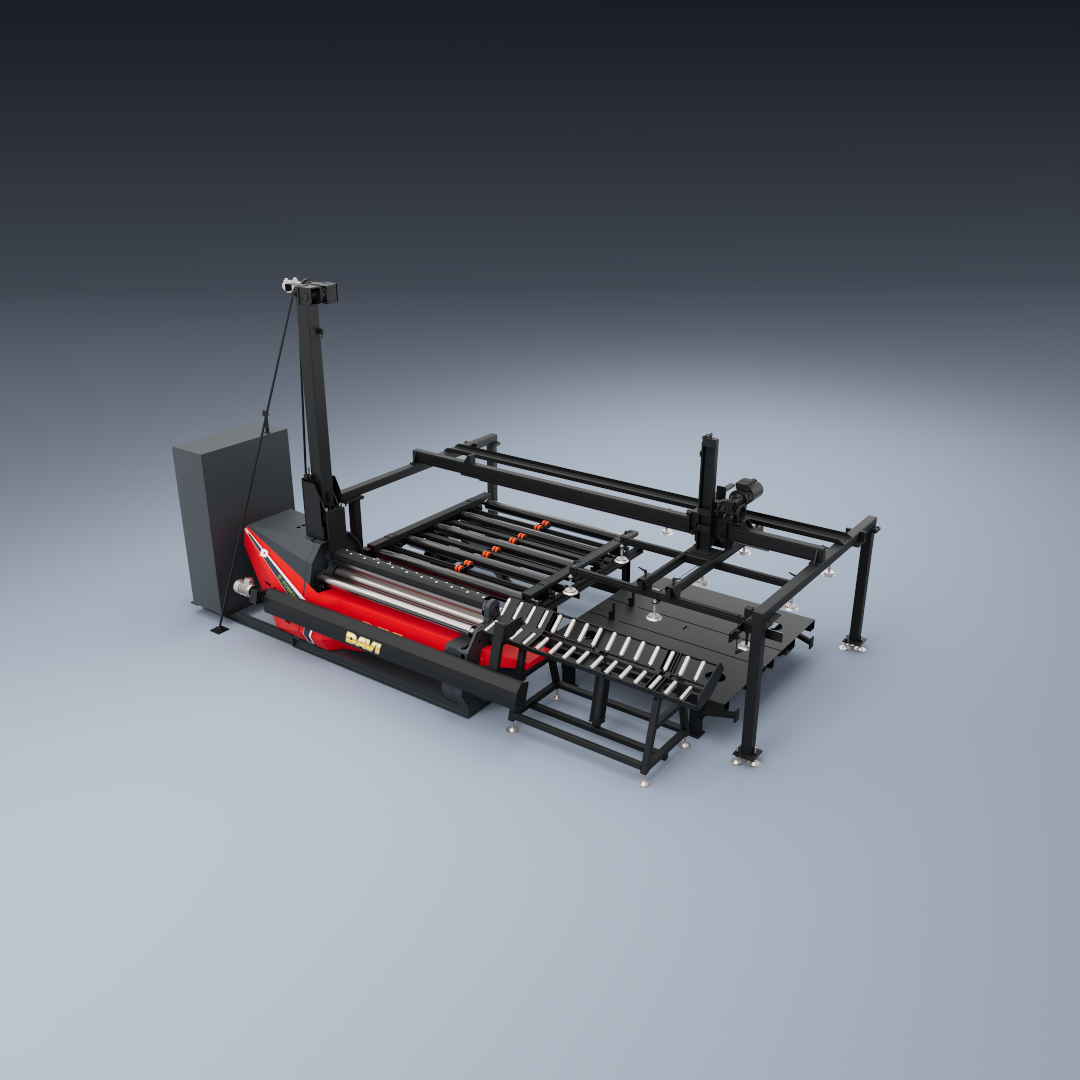
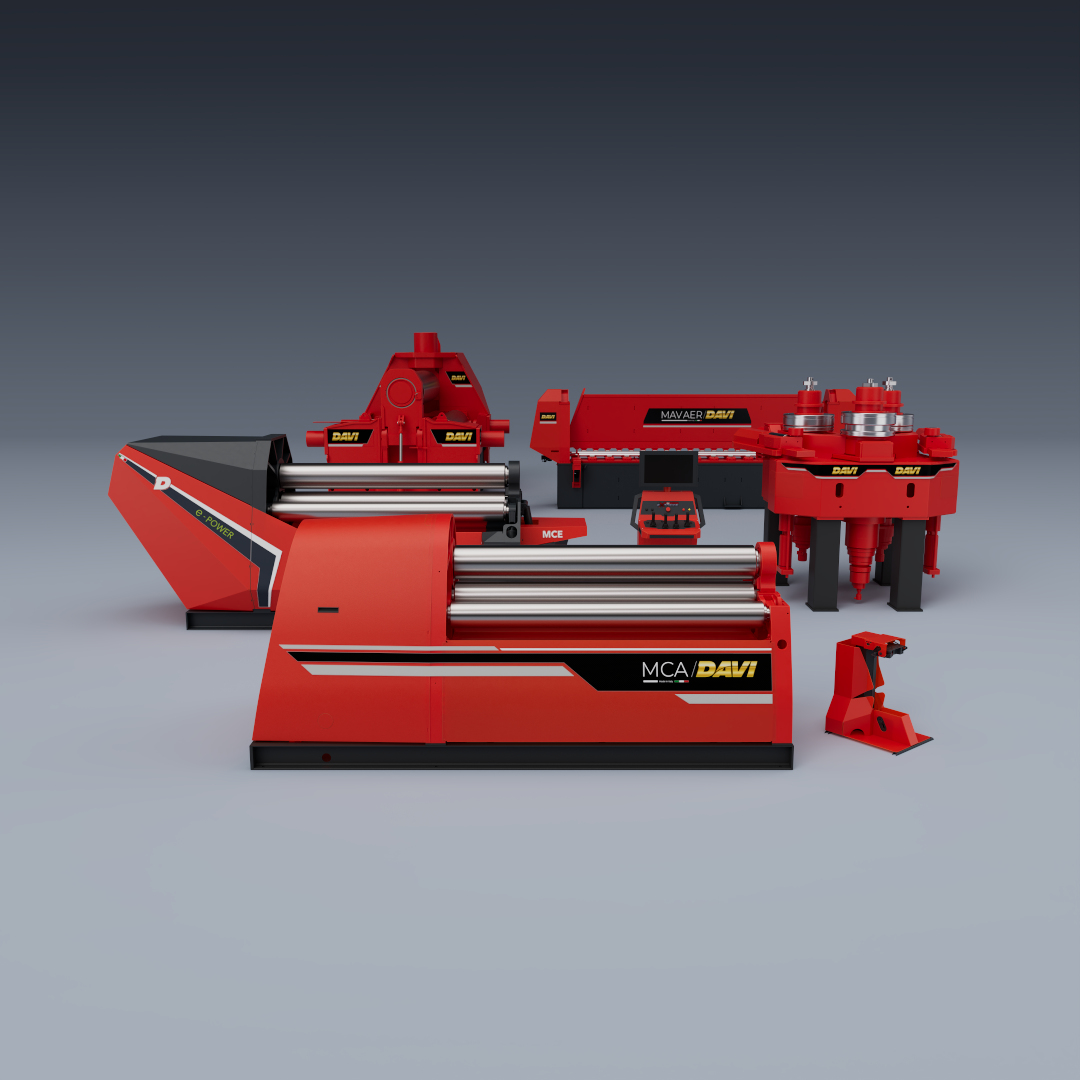
- MCA Series (4-Roll Compact): Engineered for light-to-medium plate bending, optimal for high-repeatability jobs, fast cycle times, and automated production of plates from 2 to 6 m (6.5 to 19.6 ft) wide.
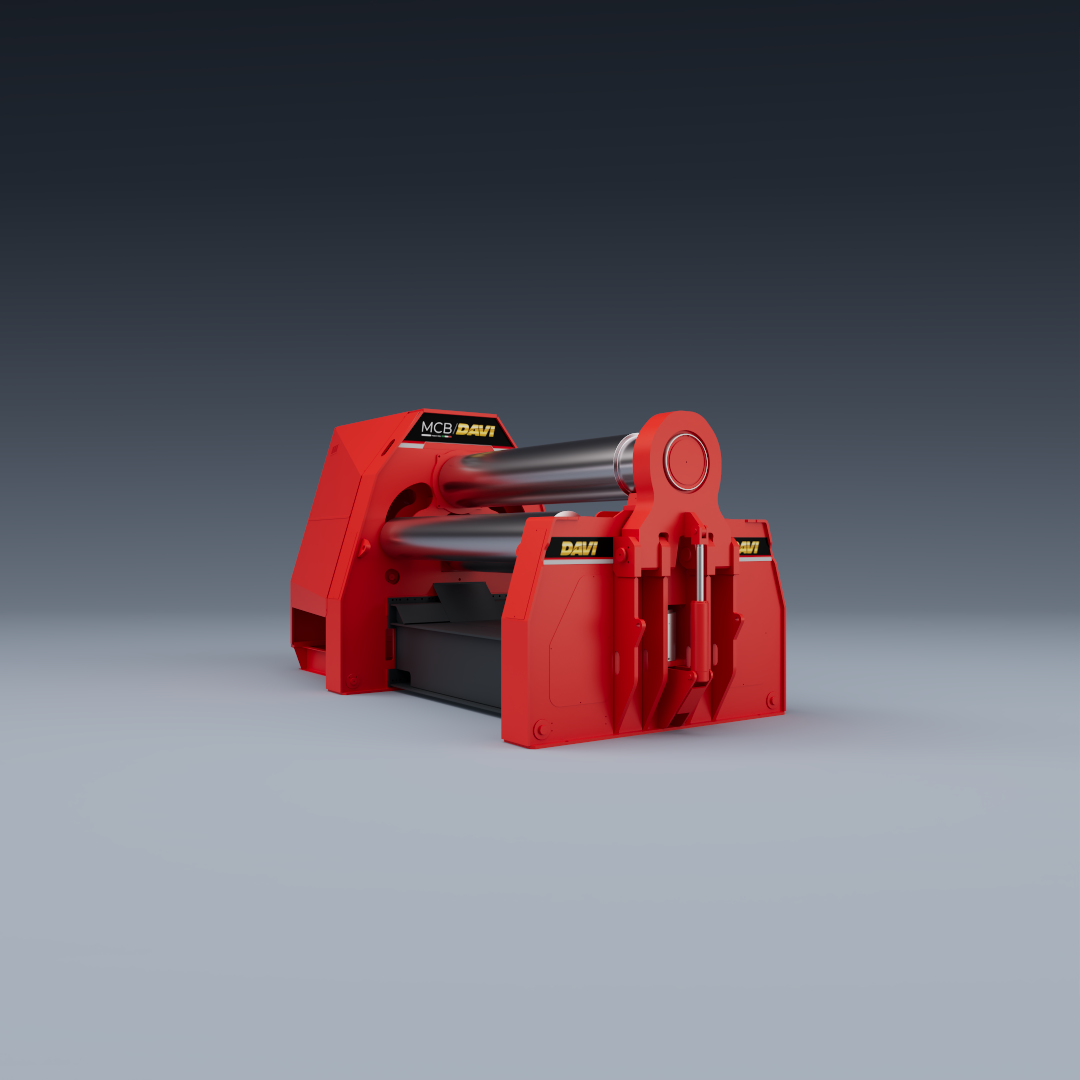
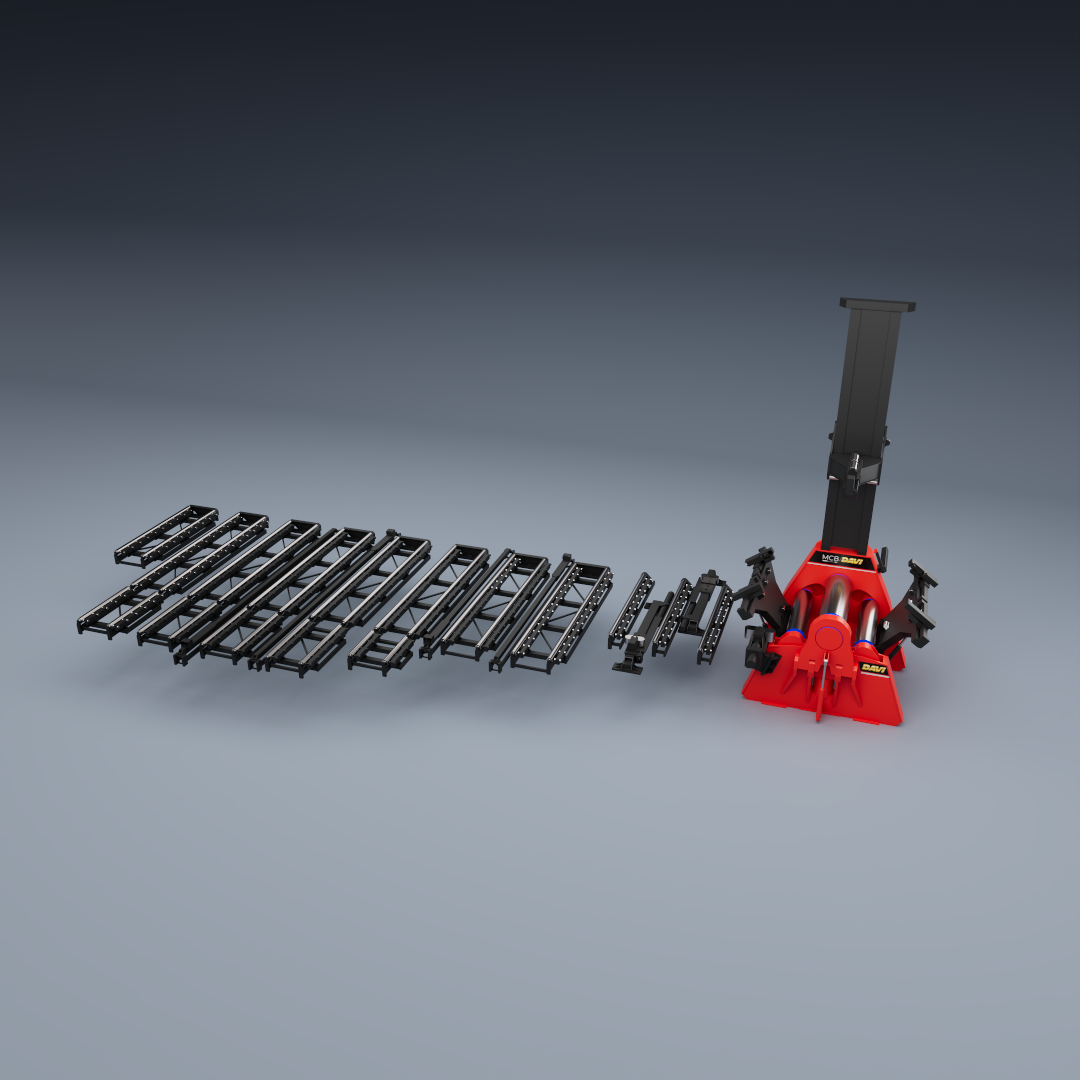
- MCB Series (4-Roll Heavy Duty): Designed for medium-to-heavy industrial fabrication, delivering maximum clamping force, high-torque pre-bending, and seamless CNC automation for production plates up to 400 mm (15.7 in) thick.
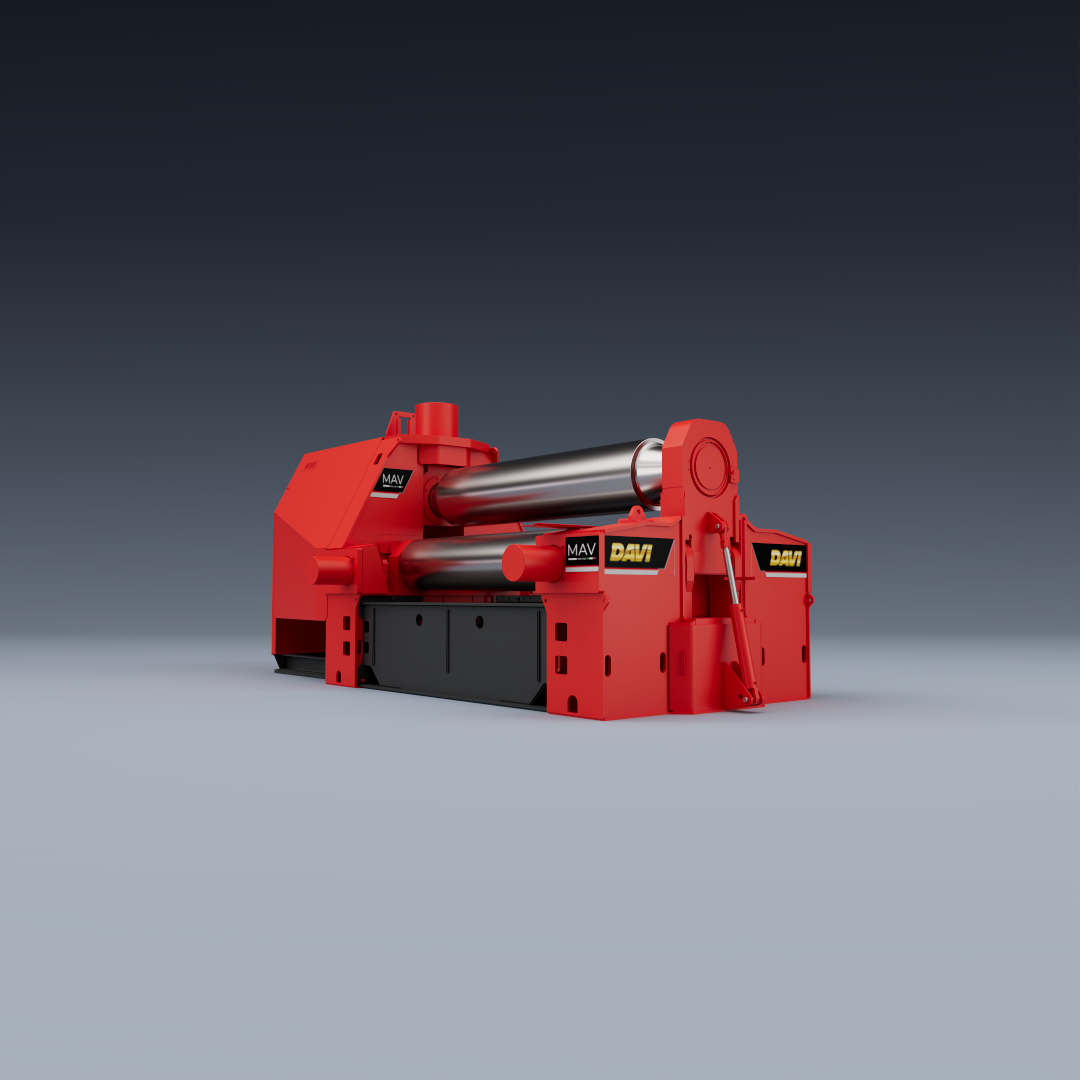
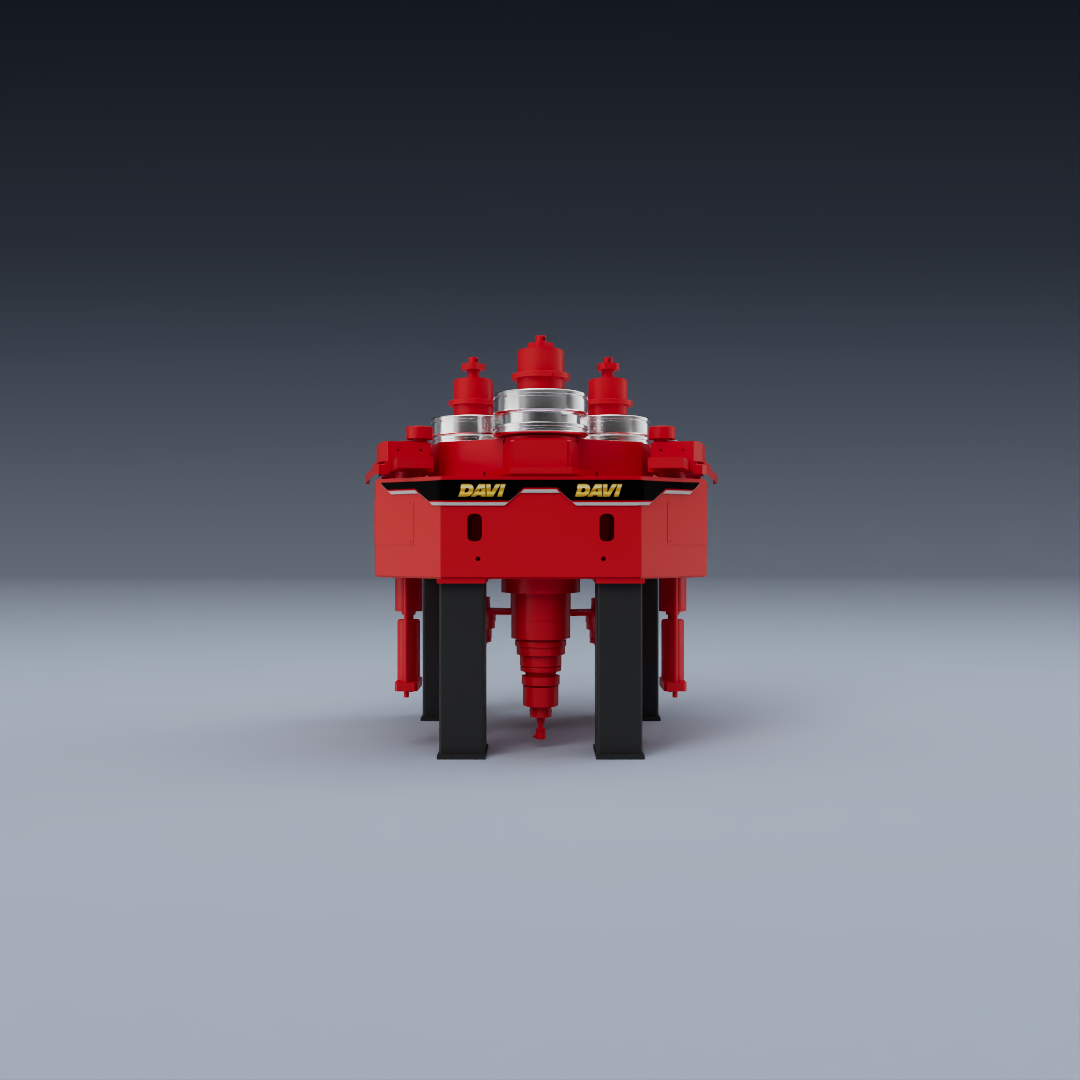
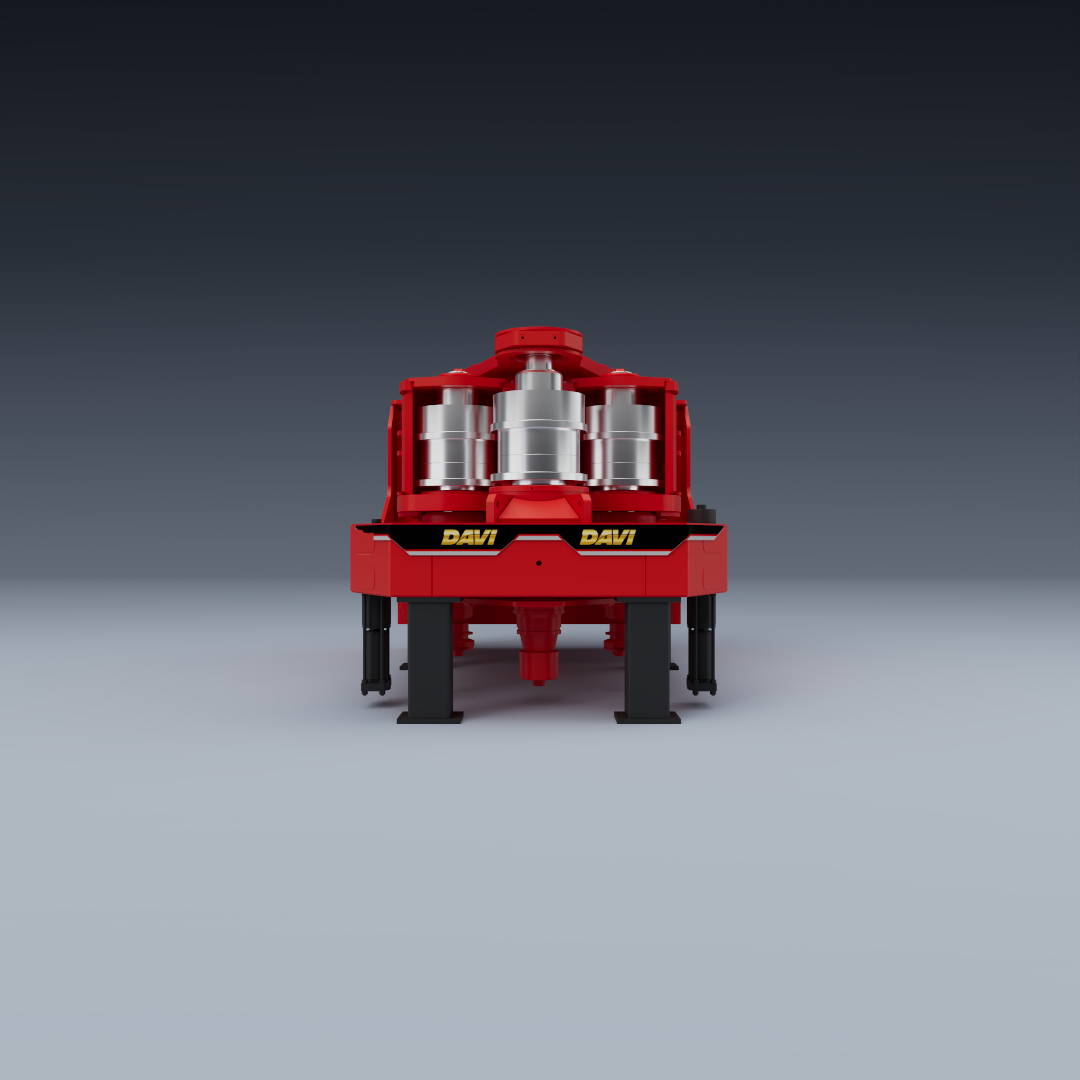
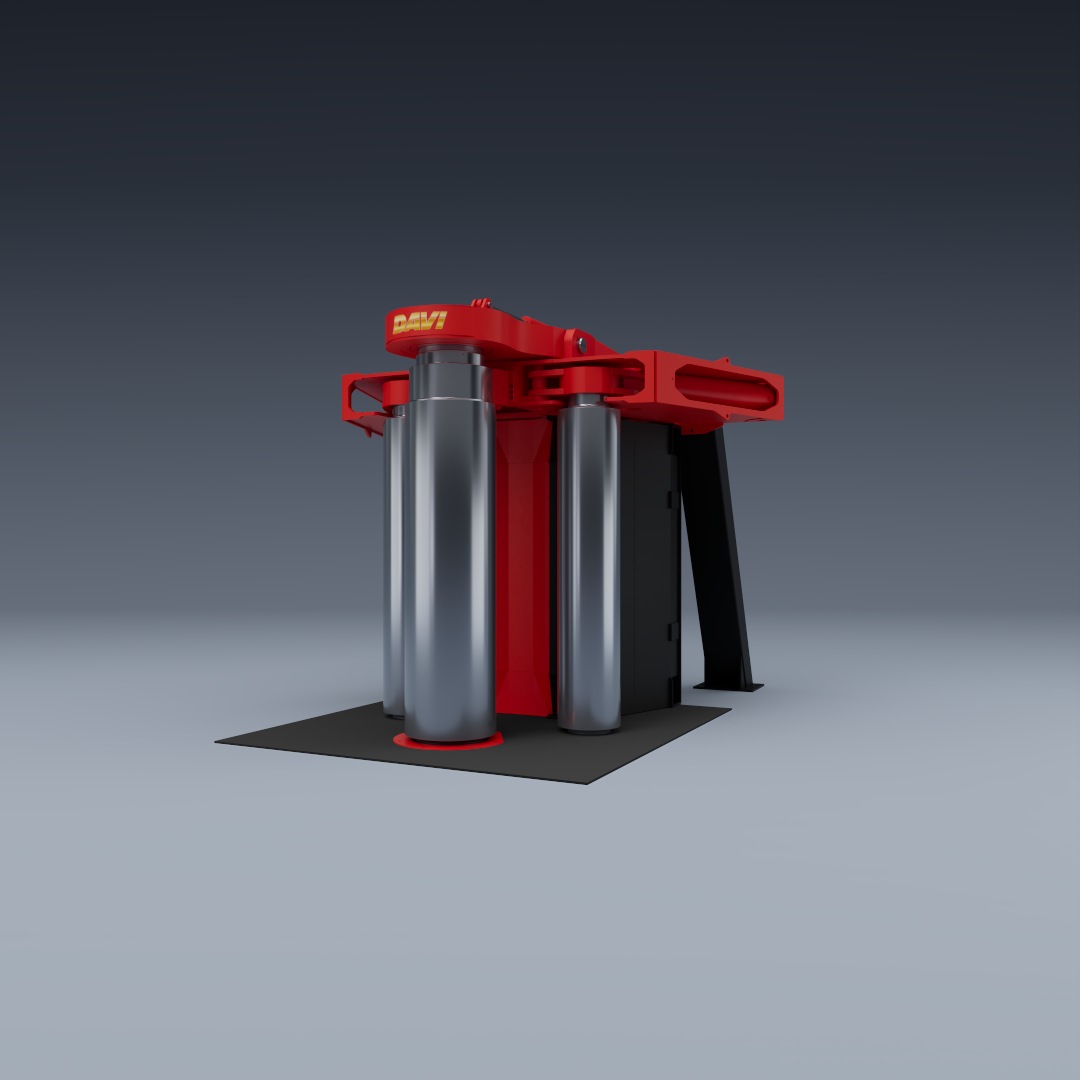
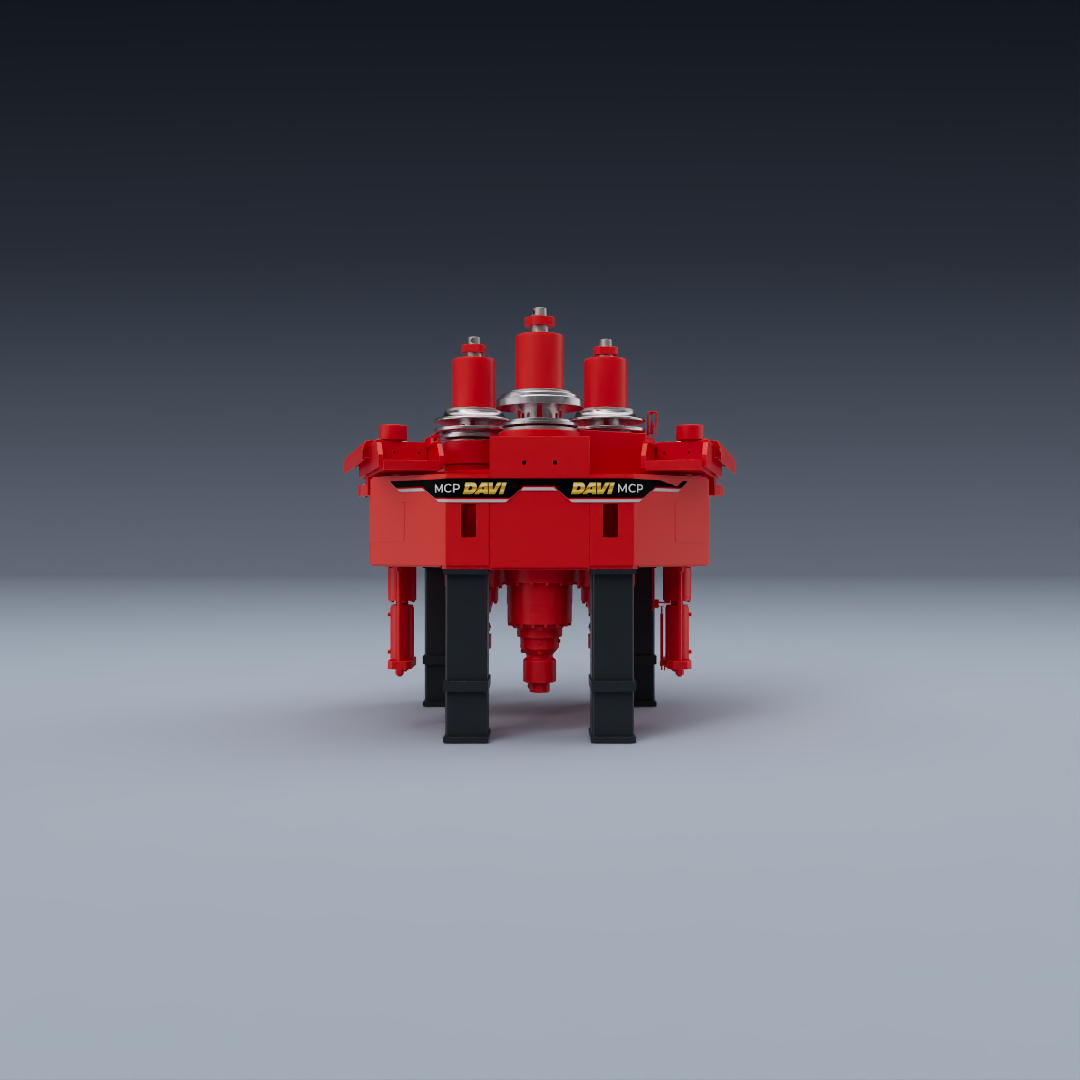
- MAV Series (3-Roll Variable Axis): Built for ultra-heavy plate rolling, pressure vessels, and complex multi-radius forming; features independently moving side rolls and vertical top roll positioning for maximum leverage during pressing and re-rolling.
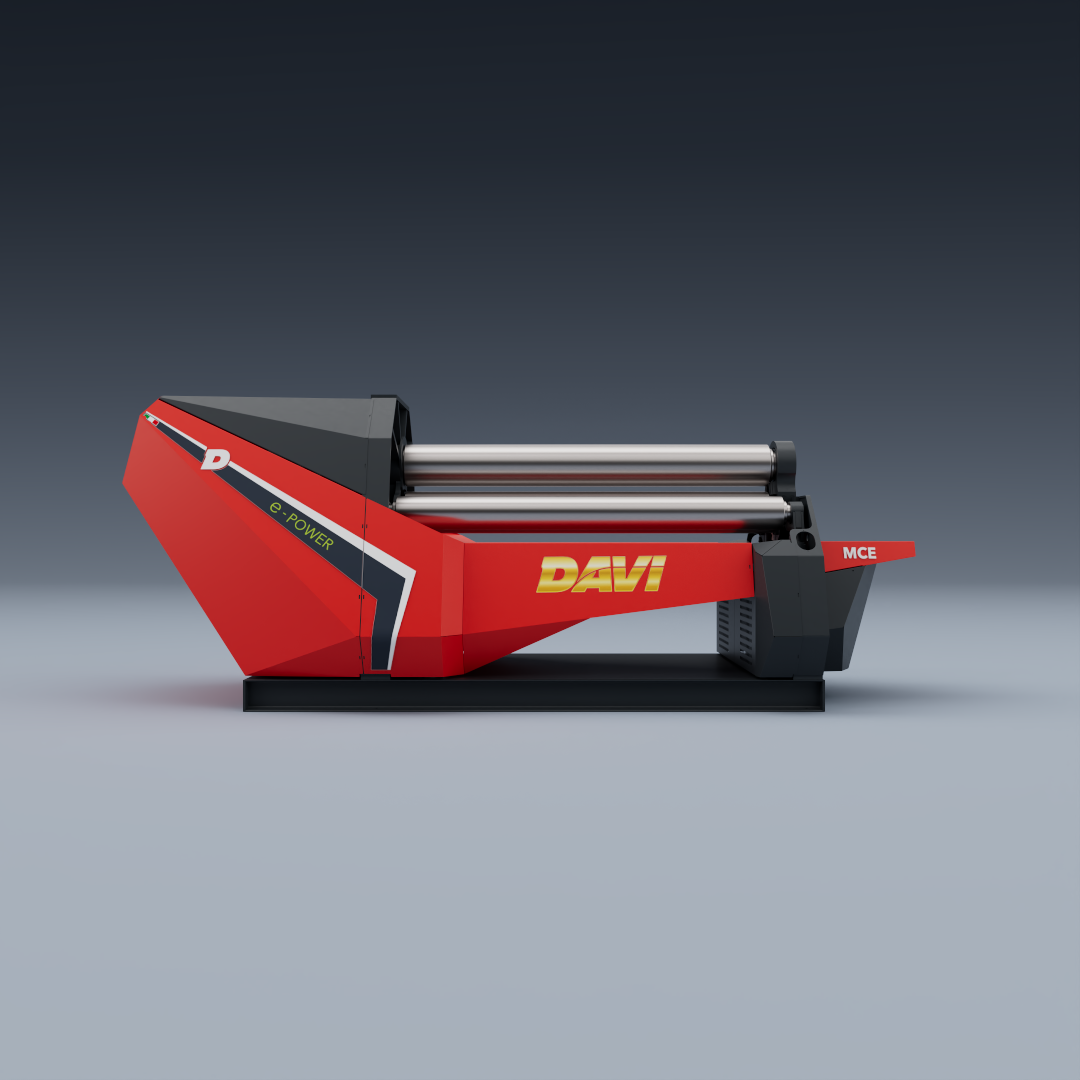
- MCE e-POWER Series (Fully Electric 4-Roll): Ideal for precision-focused, energy-conscious shops aiming to eliminate hydraulic fluid maintenance and cut power consumption by 65%.
Next Step: To identify the exact tonnage, roll diameters, and drive requirements for your workshop, Request a Feasibility Study with a Davi technical specialist.
The fundamental difference between 3-roll and 4-roll plate bending technologies lies in how the plate is clamped, fed, and formed throughout the rolling cycle.
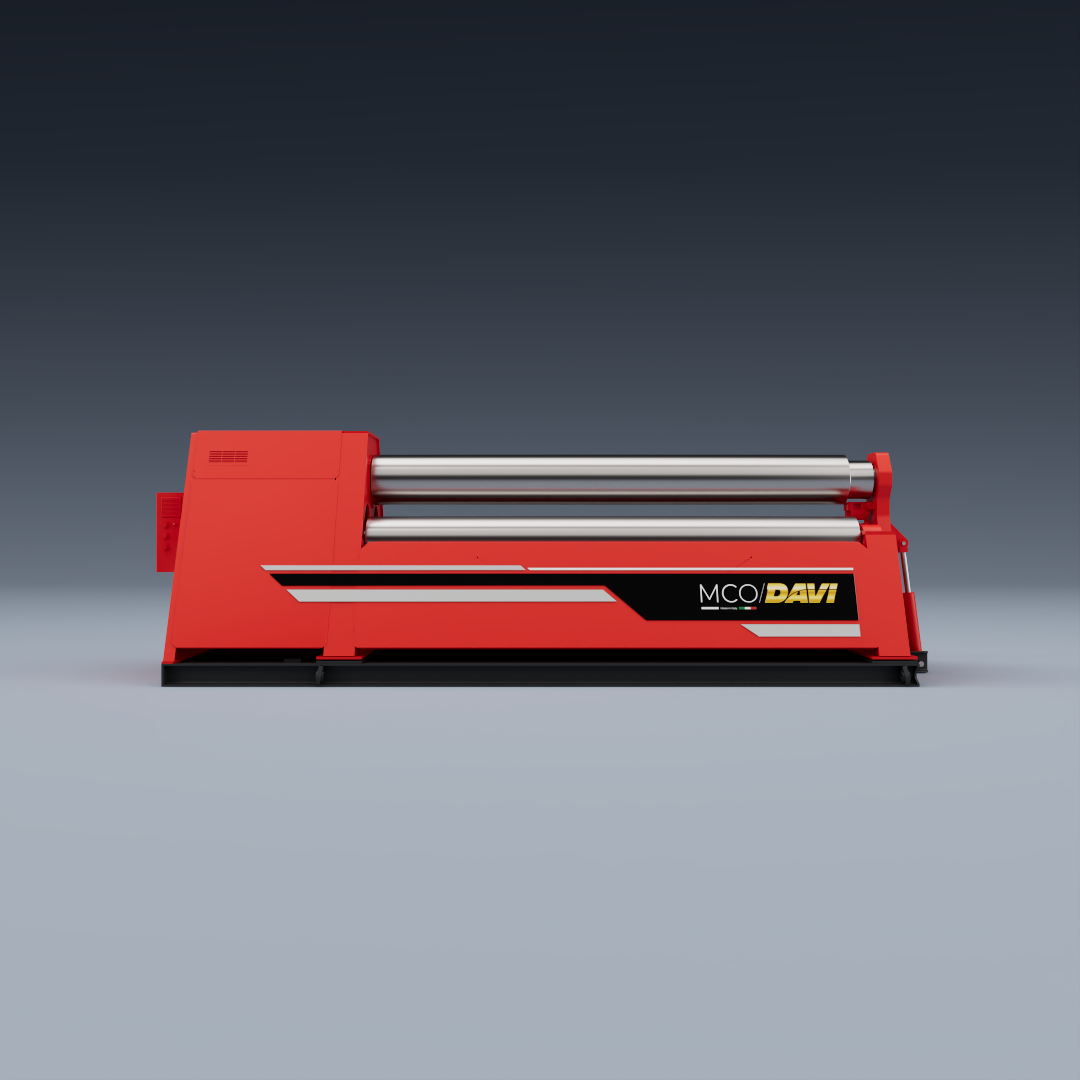
- 4-Roll Architecture (MCA/MCB): The bottom roll securely clamps the plate against the top roll, maintaining constant alignment during the entire forming sequence. Side rolls move along planetary guide paths to perform pre-bending on both sides without removing or reversing the plate, making 4-roll machines the fastest, most precise, and easiest to automate via CNC systems.
- 3-Roll Variable-Axis Architecture (MAV): Operates similarly to a press brake, where the top roll provides vertical pressing force while two side rolls move horizontally to vary the interaxis distance. This variable geometry allows maximum leverage adjustment for very thick plates, superior cone bumping, and exceptional re-rolling calibration on pre-welded cylindrical shells.
Davi maintains ready-stock availability and immediate delivery options for standard plate roll and angle roll models to help fabricators respond quickly to urgent production demands. For large customized lines or automated wind tower rolling systems, delivery schedules are streamlined through Davi's modular design architecture and standardized component sourcing. Furthermore, on ultra-heavy machines with pressing capacities exceeding 3,000 metric tons (3,307 US tons), Davi utilizes a multi-gearbox configuration driving the top roll. This multi-gearbox design uses standard, readily available drive components instead of custom long-lead gearboxes, preventing manufacturing delays and ensuring reliable equipment delivery timelines.