






Glossary
1 MIN READ
Variable Axis
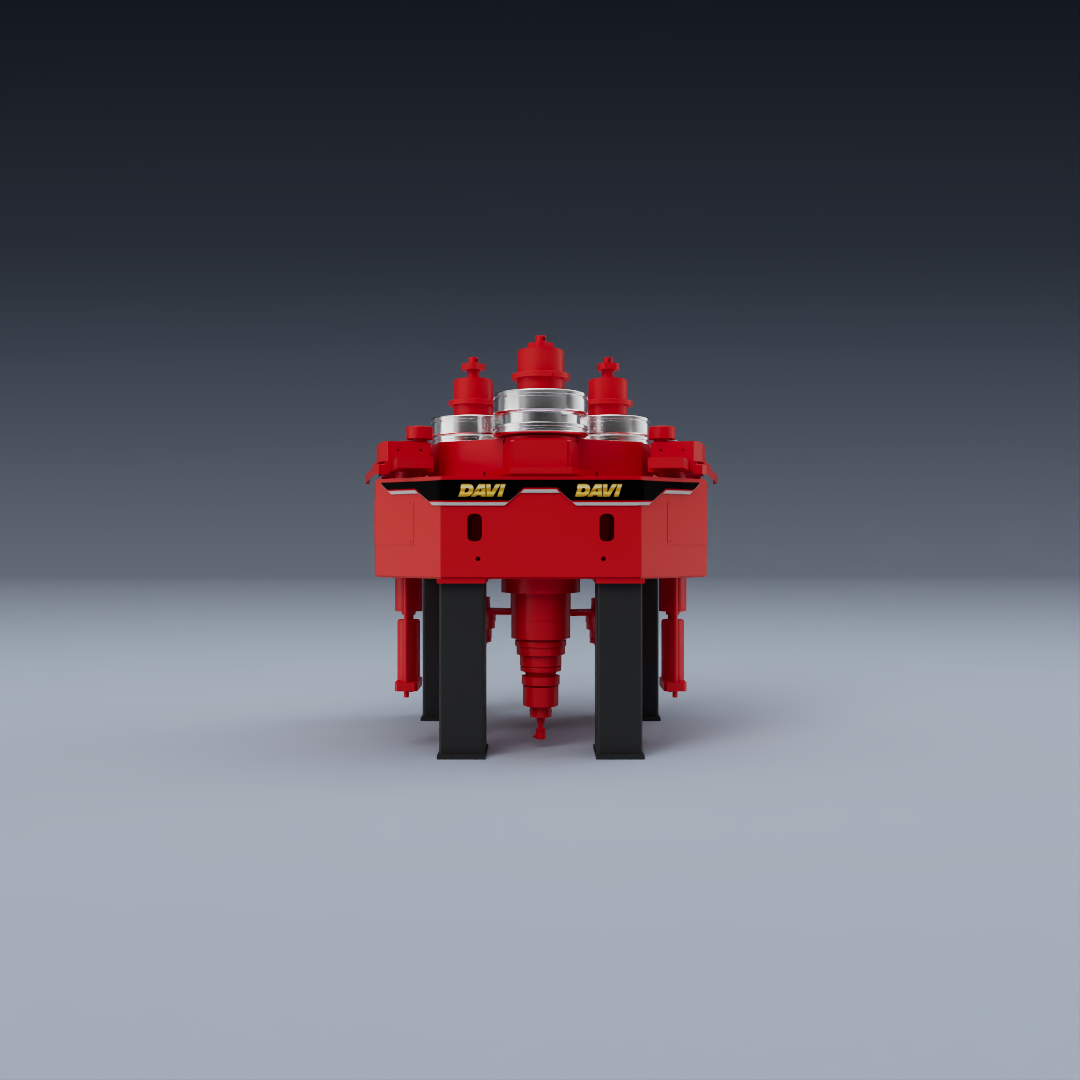
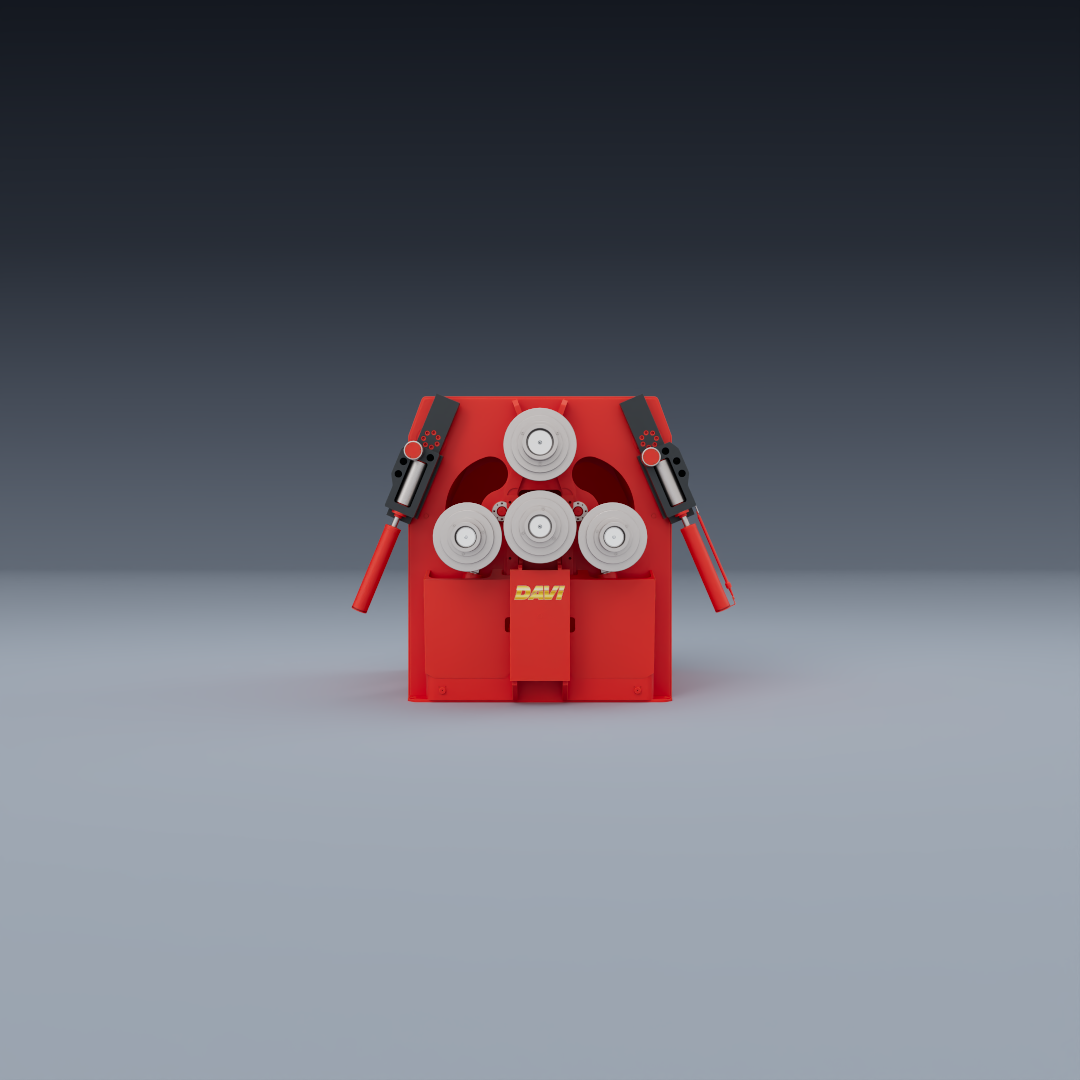
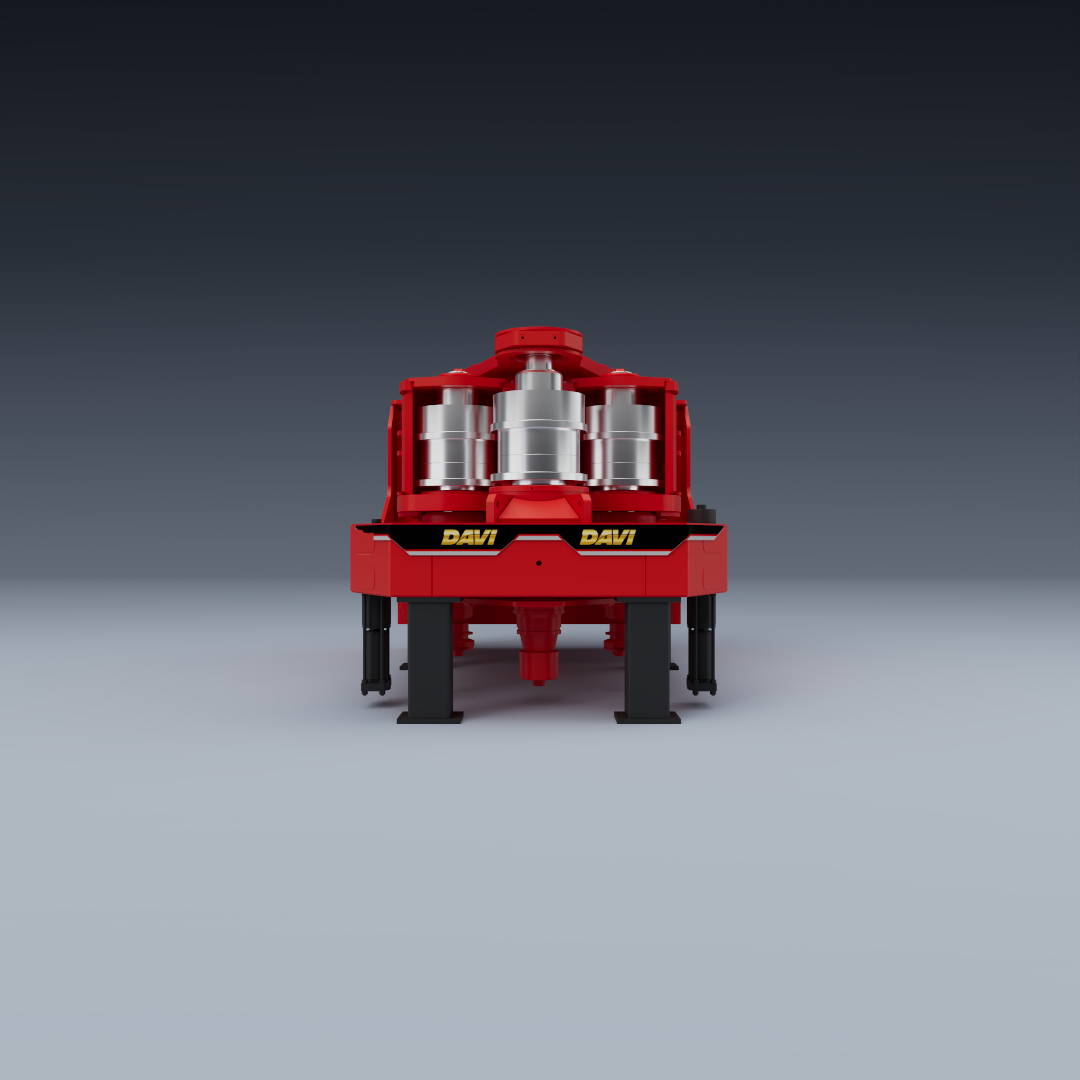
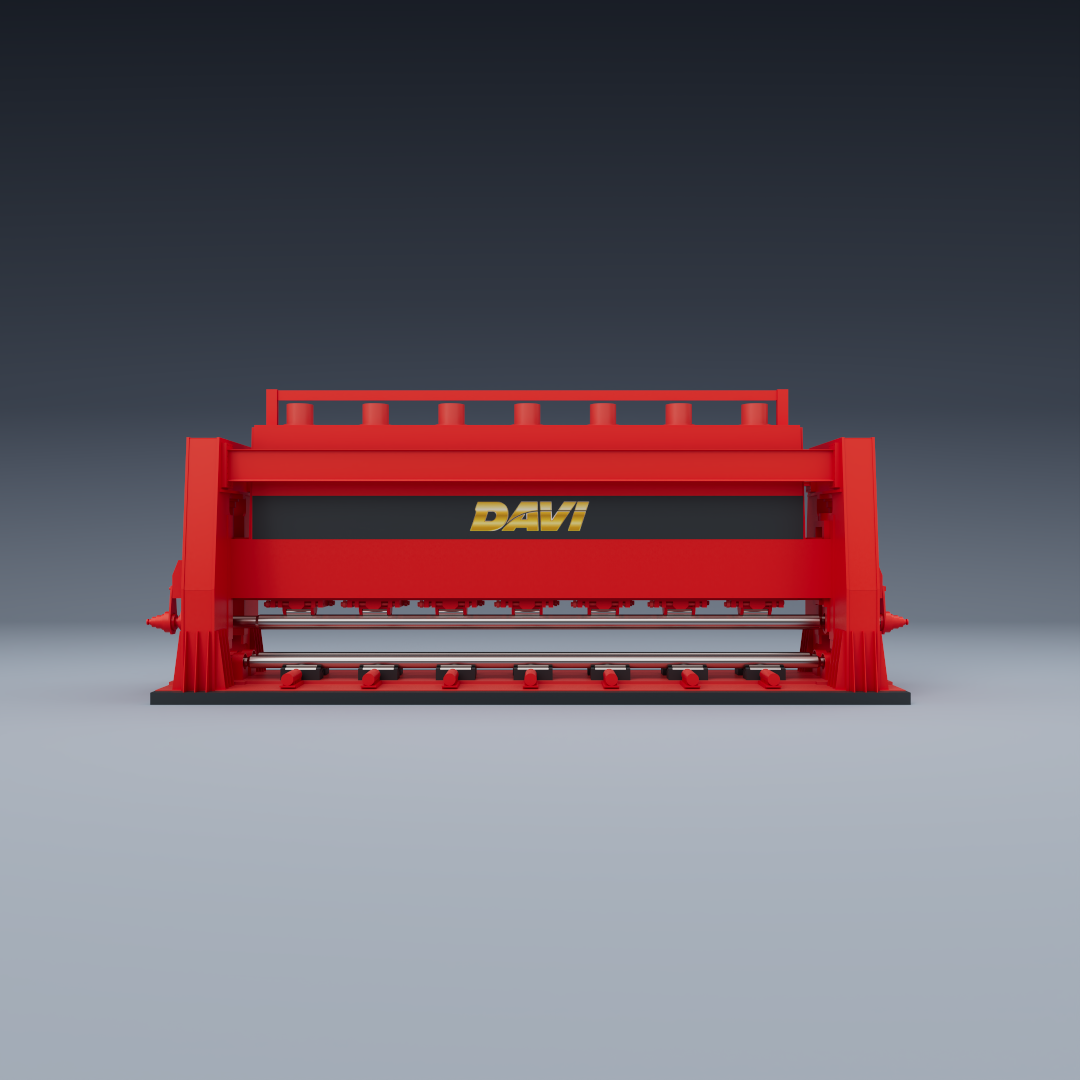
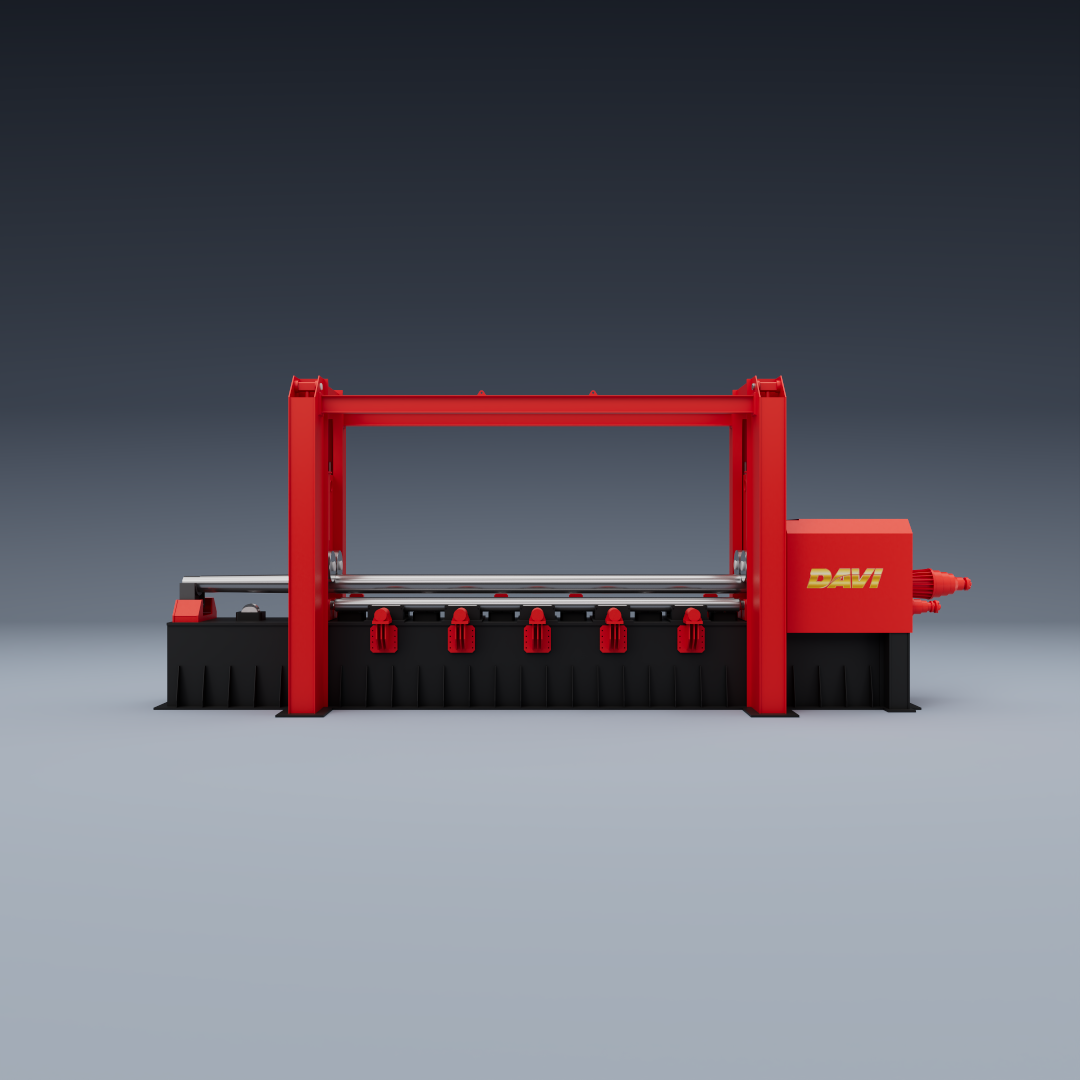
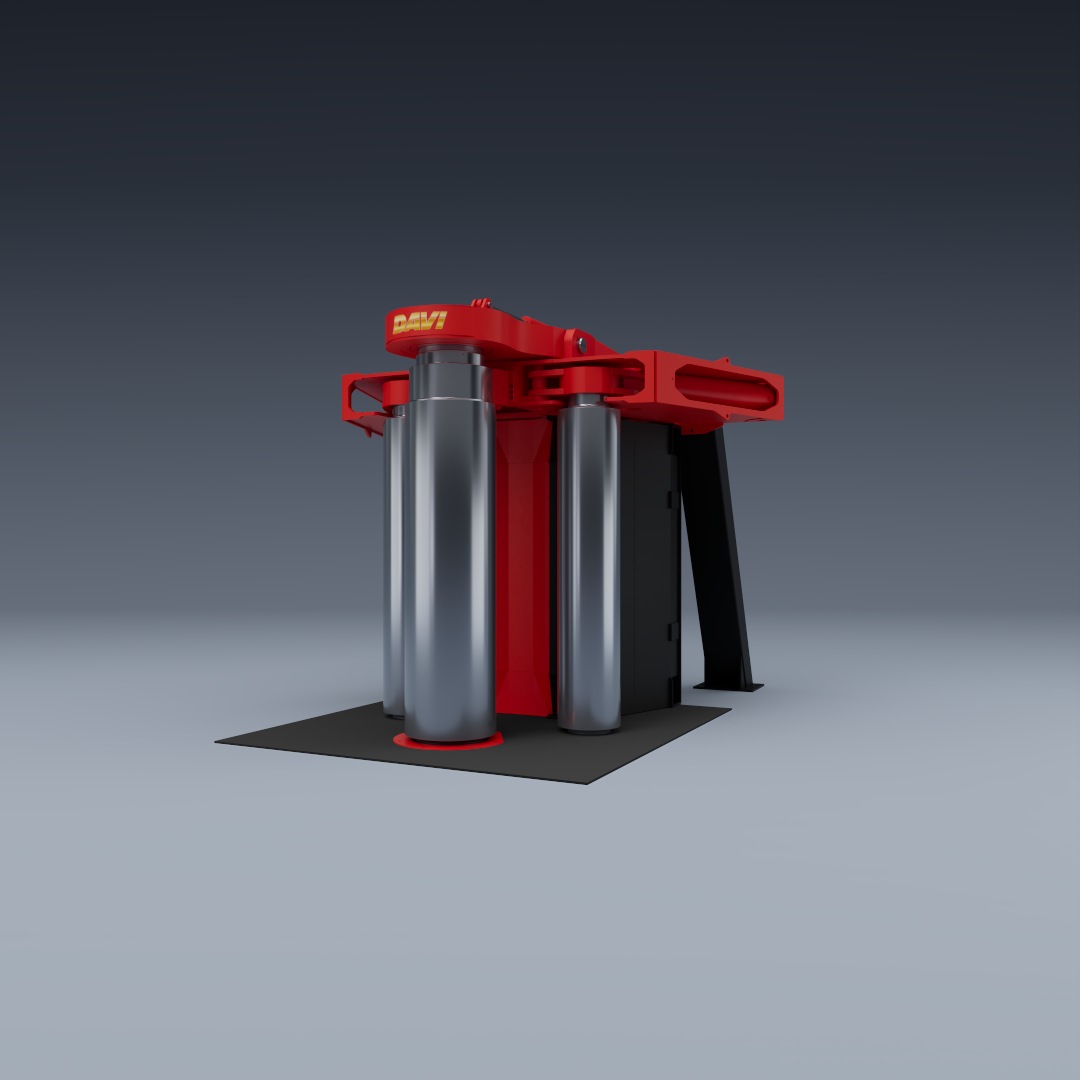
A 3-roll machine design where the top roll moves vertically to apply pressing force while both side rolls move horizontally, allowing for highly flexible geometry adjustments.
Technical FAQ
Fabricators working on high-precision applications like pressure vessels must ensure perfect roundness from the absolute edge of the plate to comply with strict safety codes. Pre-bending is the preliminary manufacturing step where the leading and trailing edges of a sheet are bent to the target radius before continuous rolling begins. Executing this properly minimizes the flat end, ensures structural integrity at the subsequent weld seam, and reduces the need for manual grinding or expensive re-rolling calibration. Davi 4-roll and variable-axis 3-roll machines are engineered to execute high-tonnage pre-bending safely and accurately in a single automated cycle.
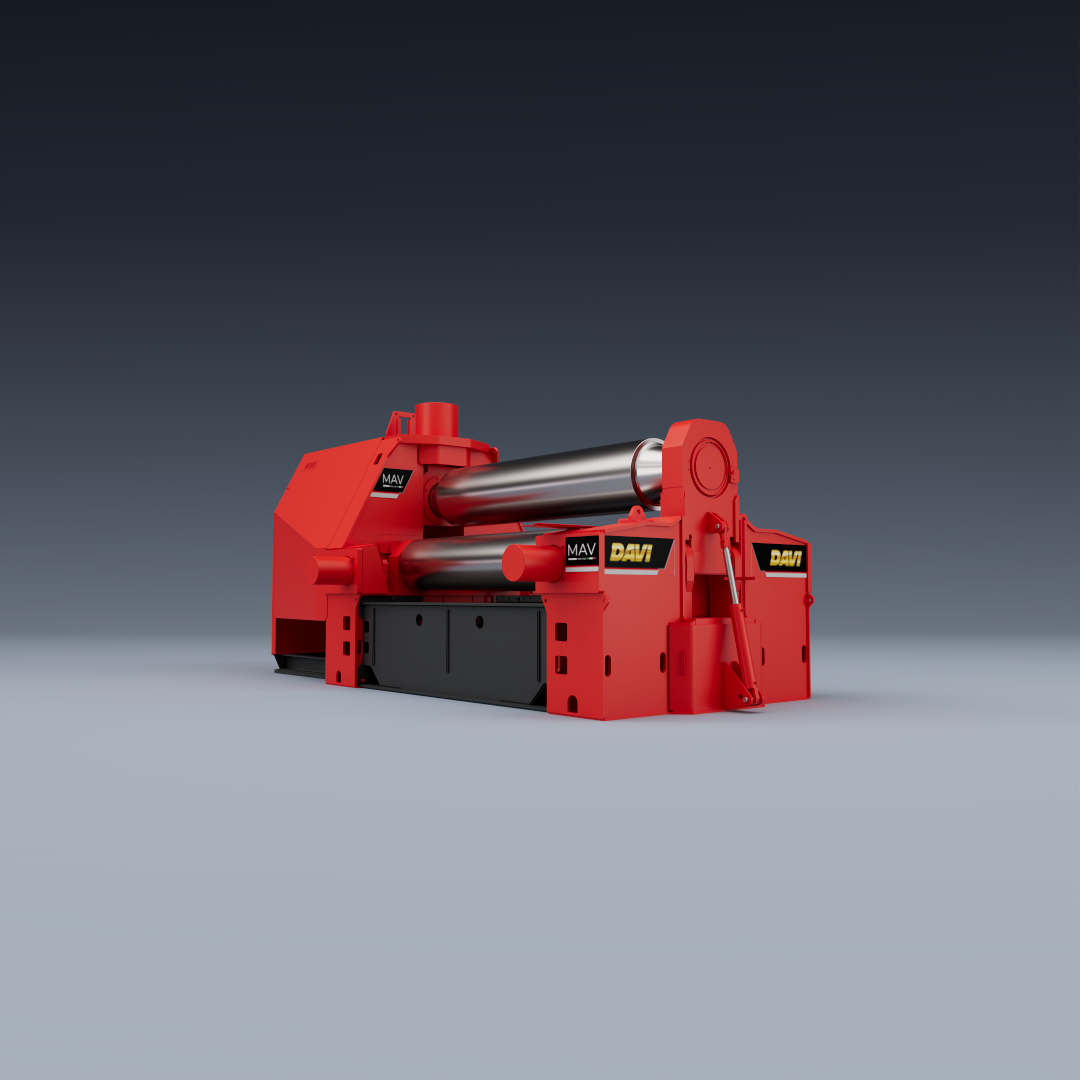
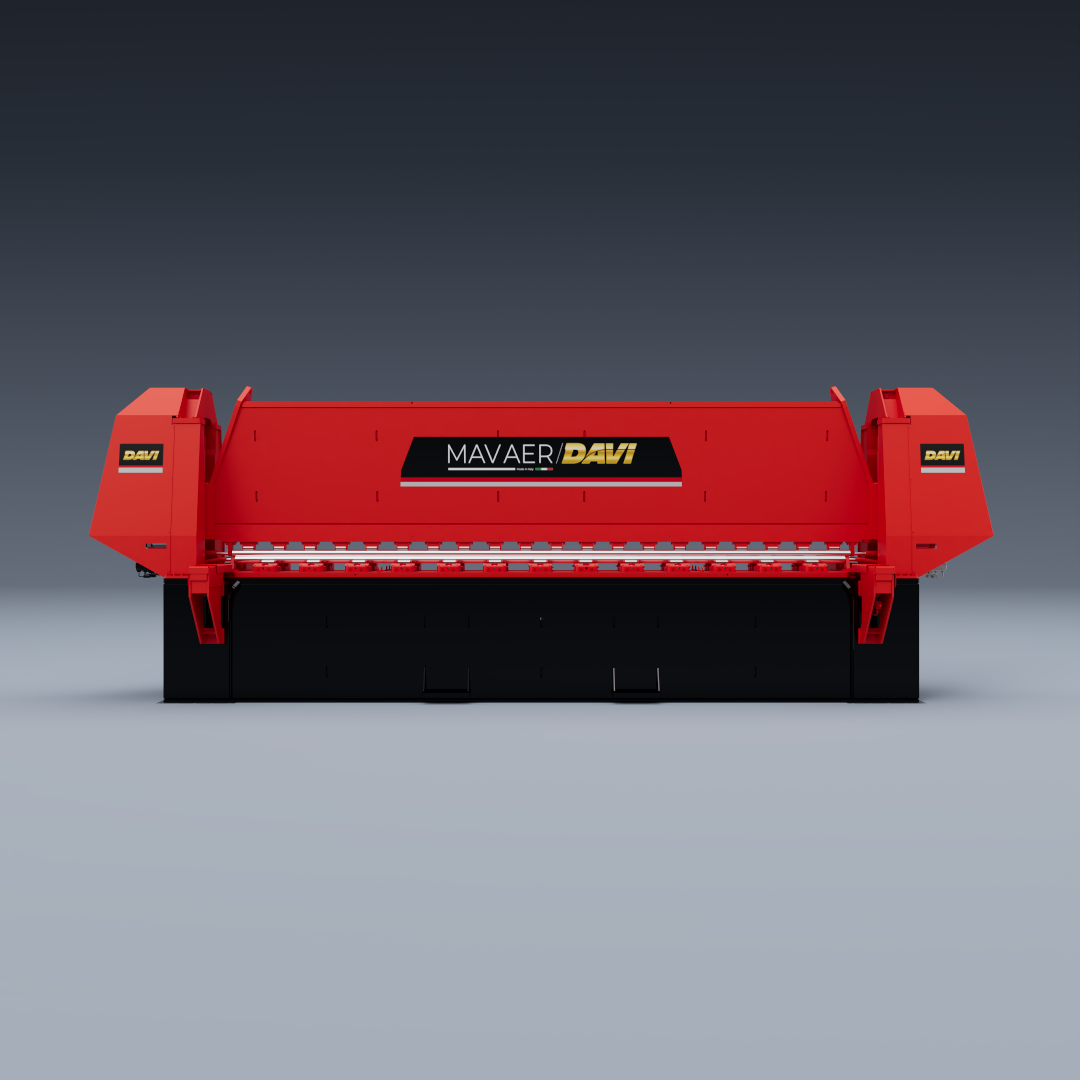
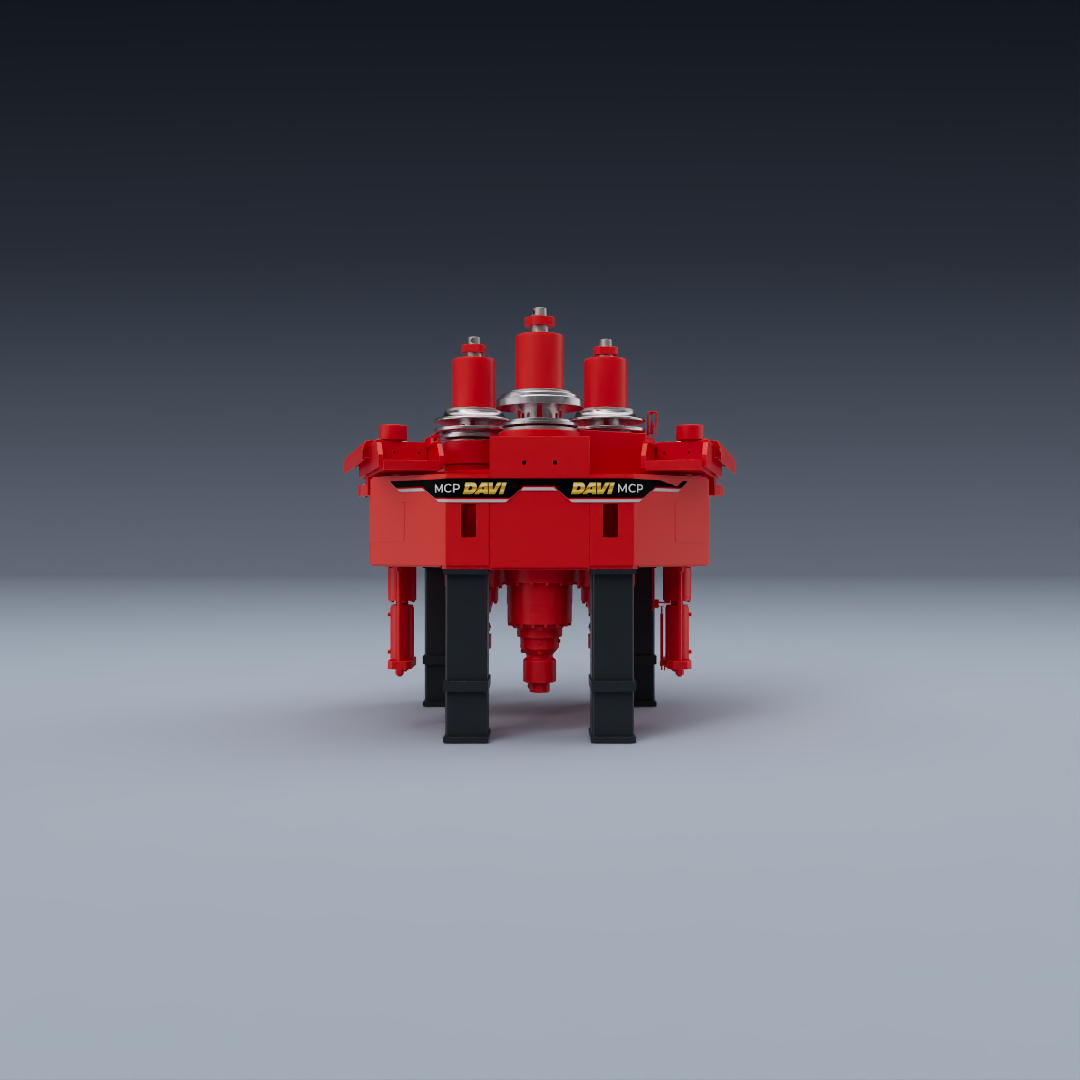
Heavy industrial manufacturers need the flexibility to form a wide range of extreme thicknesses and tight diameters on a single piece of machinery. A 3-roll variable-axis machine operates with a top roll that moves vertically, while the two lower side rolls move independently along a horizontal plane. This geometry allows you to increase the horizontal interaxis distance to gain massive mechanical leverage for thick plates, or narrow it to form tight, thin-walled cylinders. The Davi MAV line features full horizontal and vertical axis mobility, offering versatility comparable to a press brake but with total rolling precision.
Heavy job shops want to maximize the maximum thickness capacity of their machinery without investing in oversized machine footprints. Interaxis distance is the horizontal spacing between the two lower side rolls of a variable-axis machine. A larger interaxis distance creates a longer leverage arm when the top roll presses down, which drastically reduces the force required and maximizes re-rolling efficiency on thick plate. The Davi MAV intra-frame design allows for an extended side roll stroke, maximizing the available interaxis distance within a compact frame.
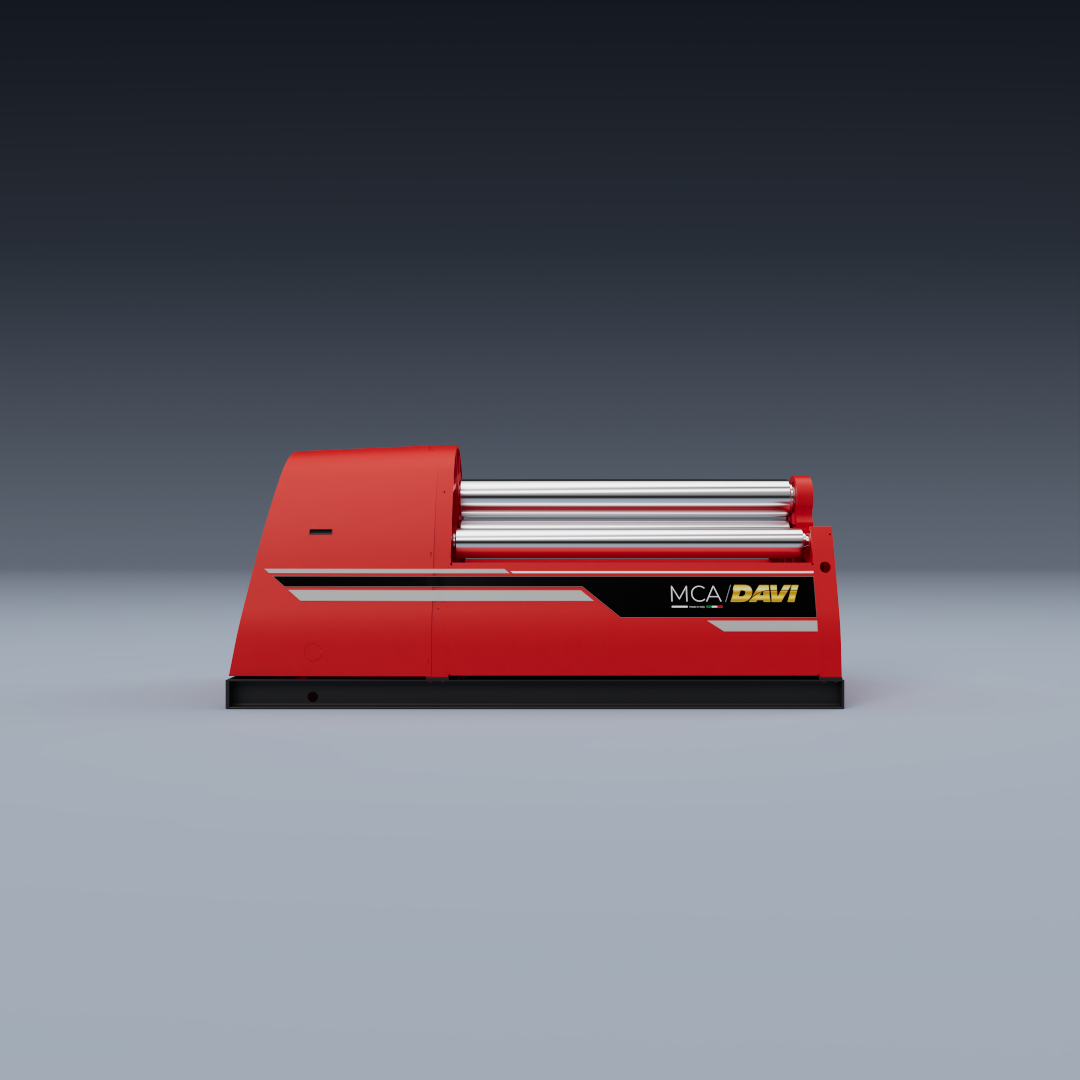
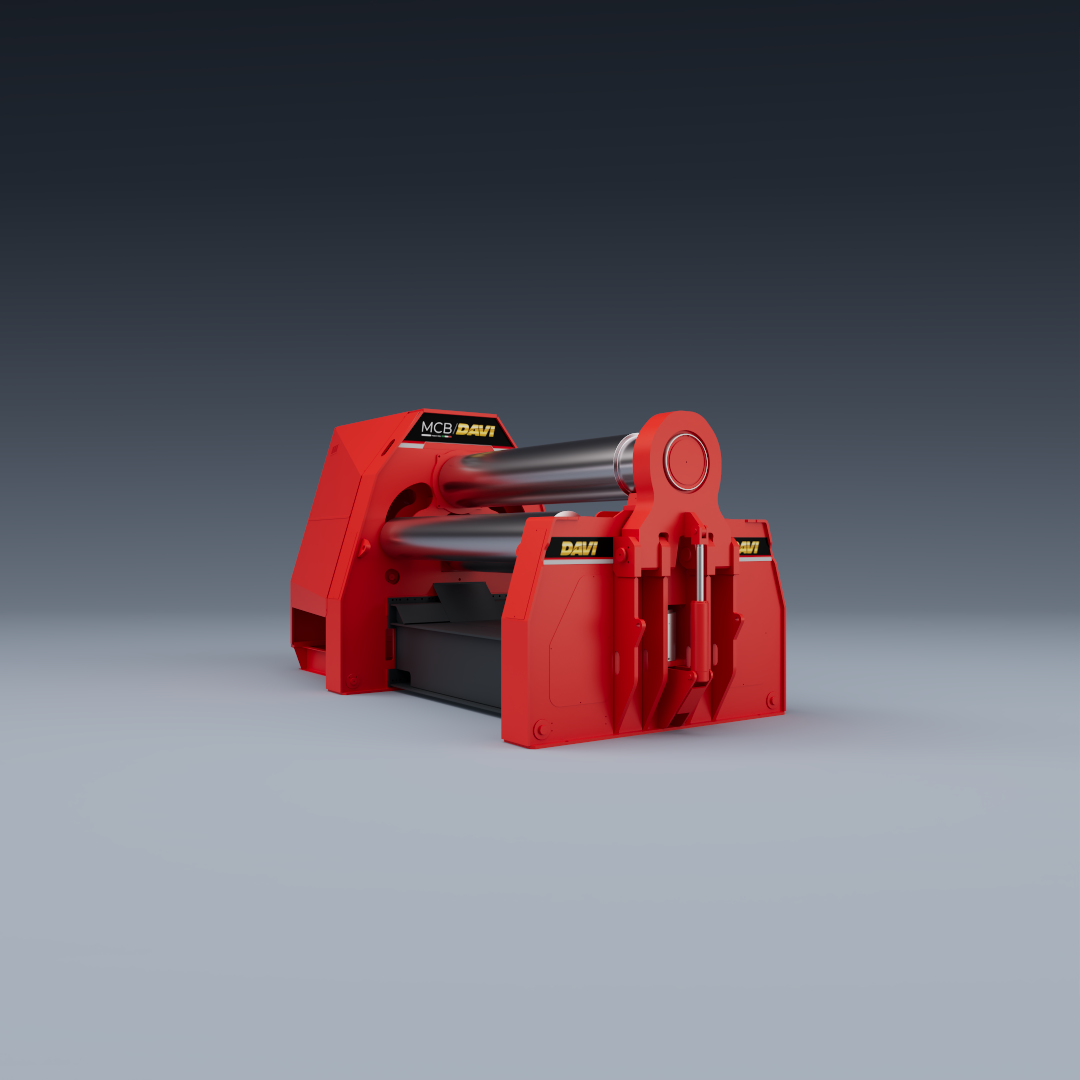
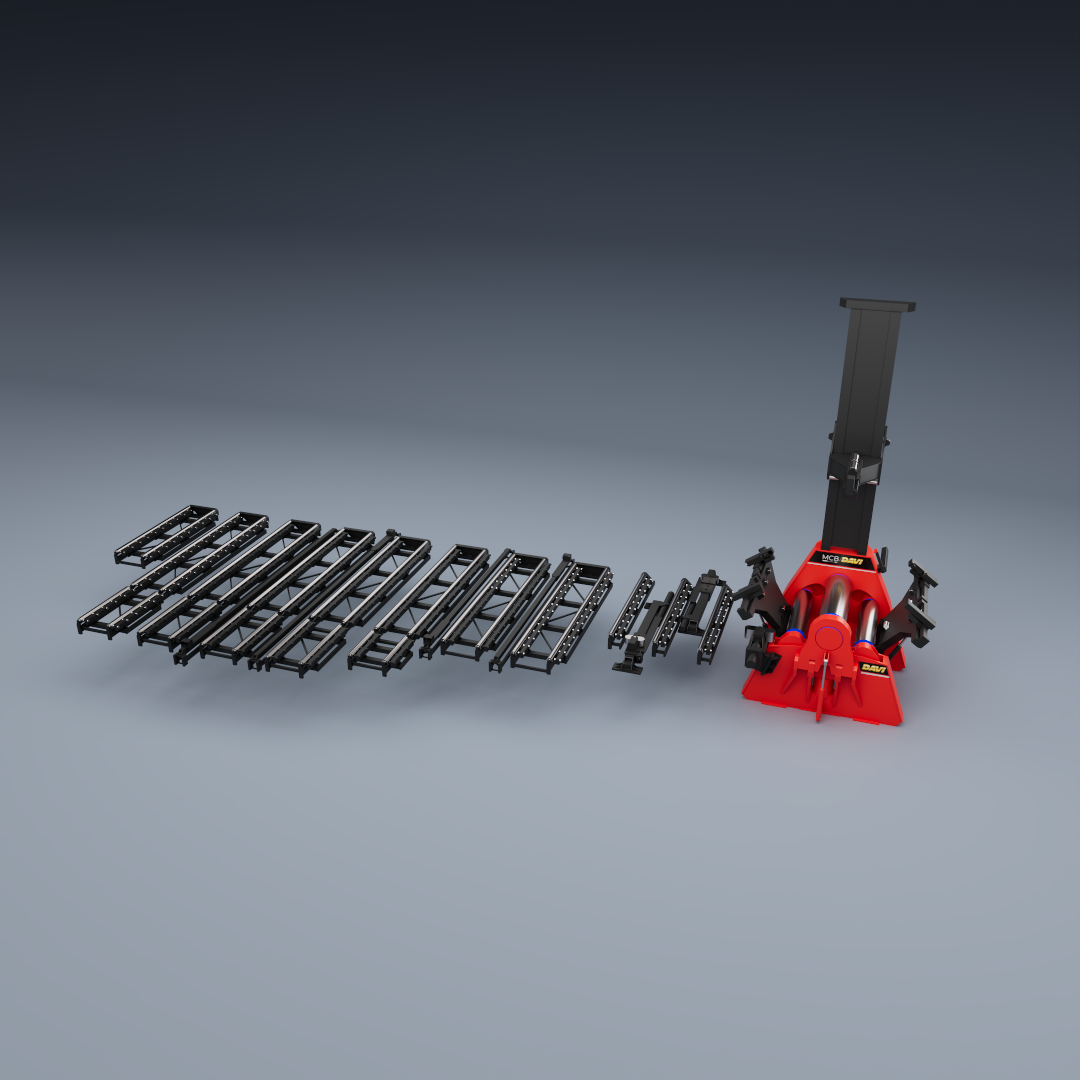
The capacity of a Davi plate roll is defined by its ability to exert the necessary bending force for specific plate thicknesses, widths, and material yield strengths, ensuring precise geometry during both pre-bending and continuous rolling. On 4-roll machines, such as the Davi MCA and MCB series, optimal clamping by the bottom roll enables pre-bending to achieve the tightest diameters per capacity on the market, reaching 1.1 times the top roll diameter. For heavy-duty applications, 3-roll variable-axis machines like the Davi MAV feature independently moving side rolls and a vertical top roll, providing maximum leverage and force distribution to maintain short flat ends and strict dimensional tolerances.
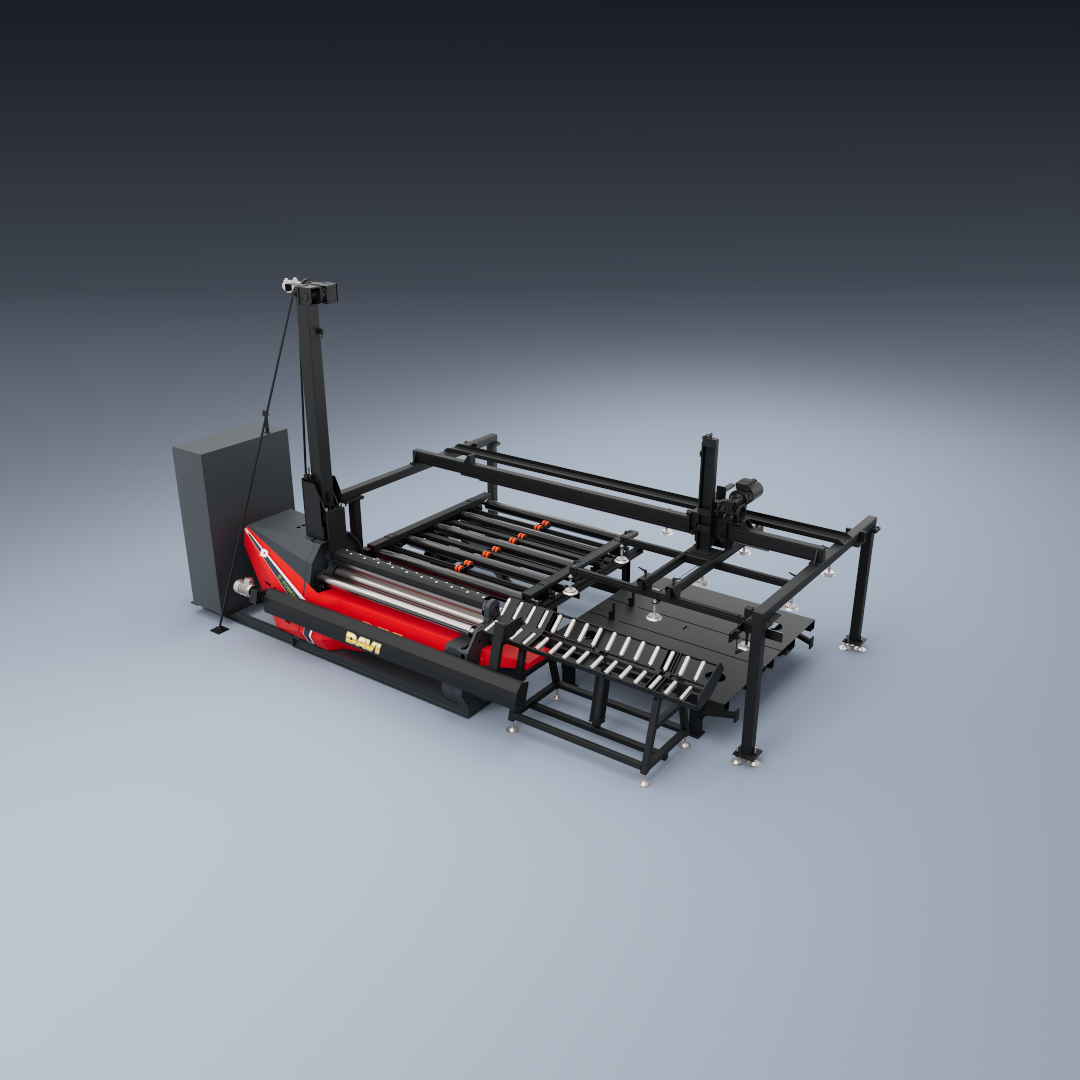
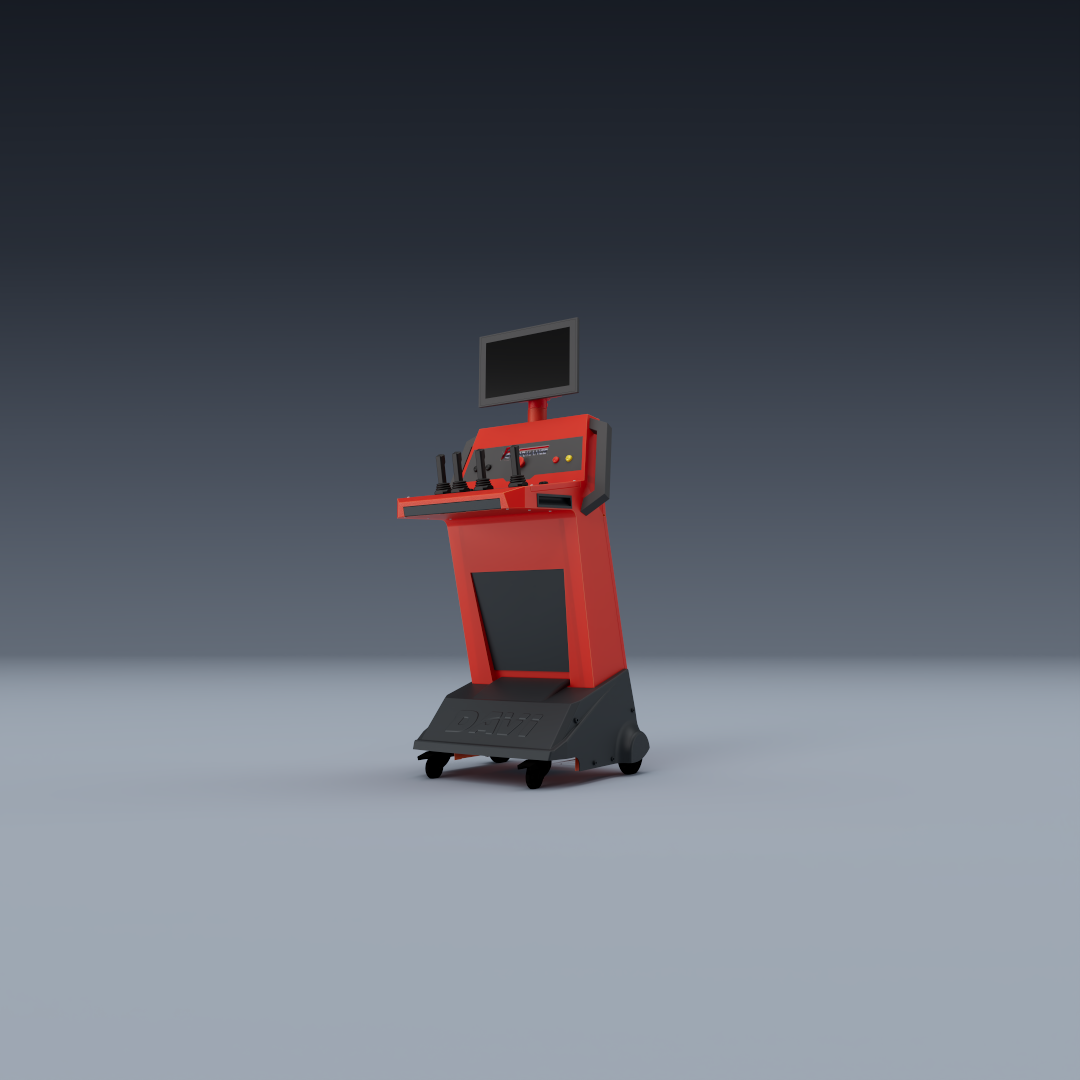
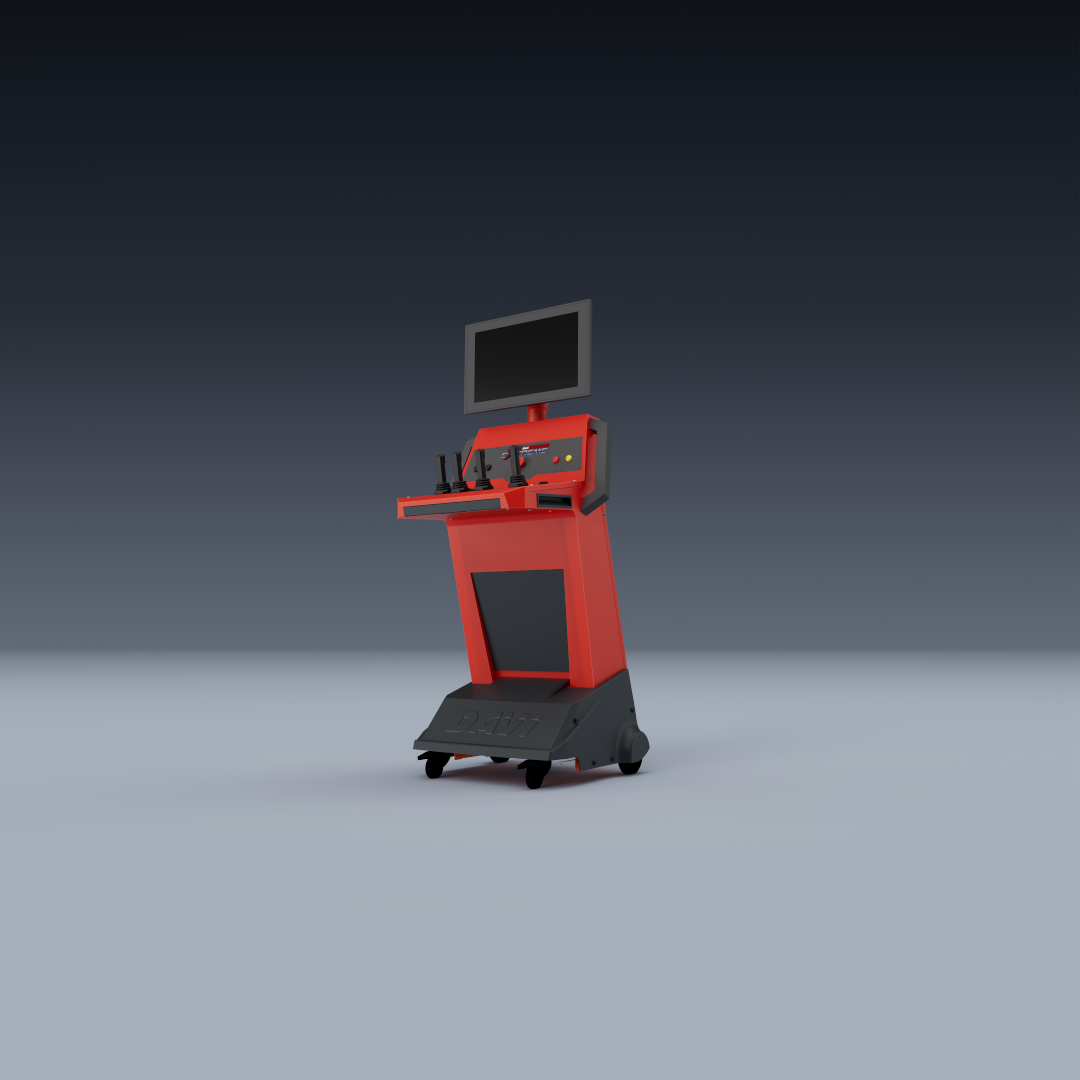
Yes, 3-roll variable-axis machines like the Davi MAV line can be paired with advanced CNC control platforms. Because the MAV features independent horizontal movement for both side rolls, vertical movement for the top roll, fully motorized drive on all three rolls, and independent tilting mechanisms, a CNC system can manage multi-axis positioning. Davi CNC systems—such as iRoll Performance—automate multi-pass sequences, manage tilting for tapered cones, and coordinate auxiliary material handling devices like overhead and side supports.
The key differences lie in plate handling, cycle speed, and force distribution:
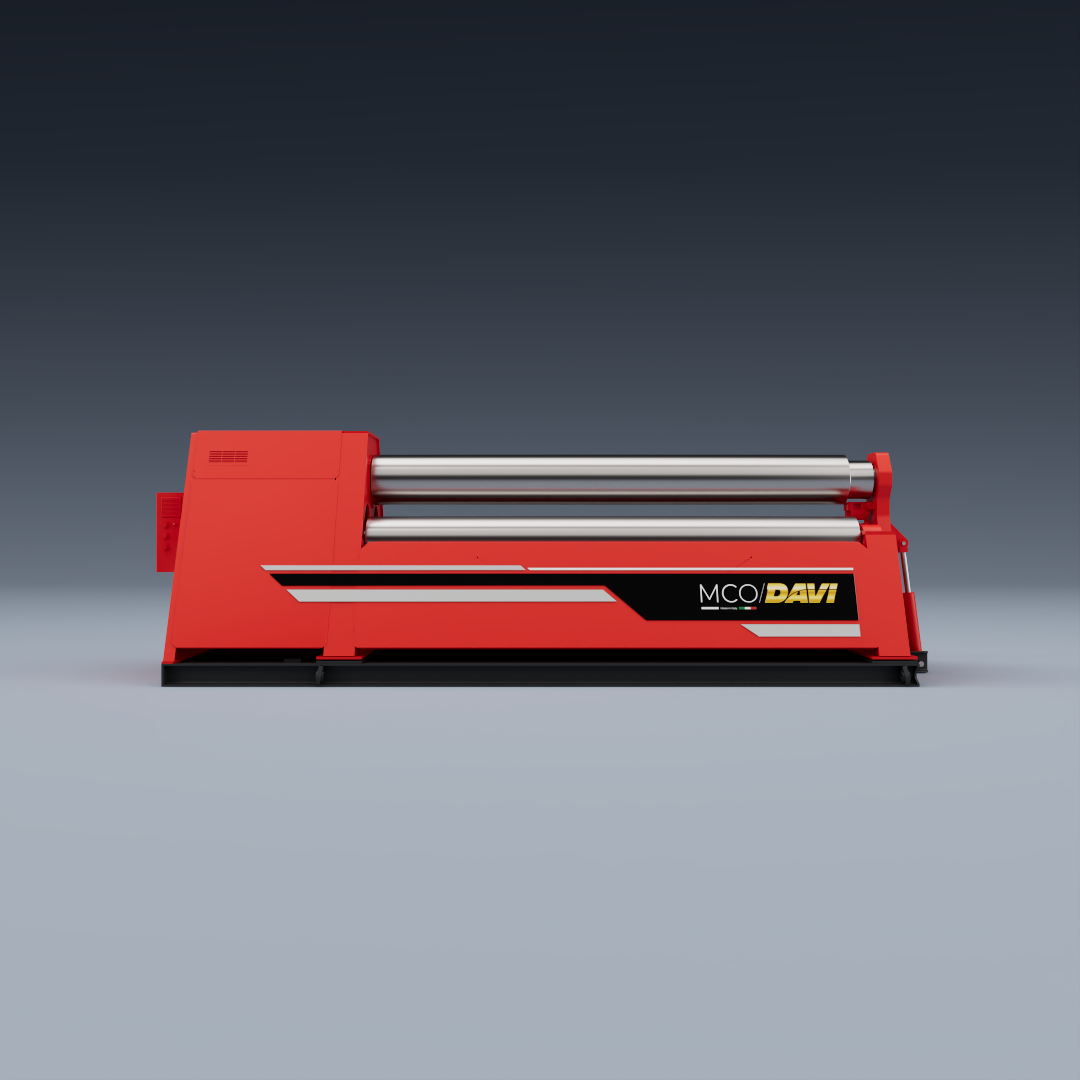
- 4-Roll Architecture (Davi MCA / MCB): The bottom roll clamps the plate continuously against the top roll to eliminate slippage. Side rolls move along planetary guide paths to pre-bend both plate ends without reversing or removing the workpiece, making 4-roll technology the fastest and most efficient choice for full CNC automation and mass production.
- 3-Roll Variable-Axis Architecture (Davi MAV): Operates similarly to a press brake, featuring a vertical top roll for pressing force and independently moving horizontal side rolls to adjust interaxis distance. This variable geometry allows maximum leverage adjustment for very thick plates, superior cone bumping, and exceptional re-rolling calibration on pre-welded cylindrical shells.