










Glossary
1 MIN READ
Ultimate Tensile Strength
The maximum amount of tensile stress a material can withstand before structural failure or breaking occurs.
Technical FAQ
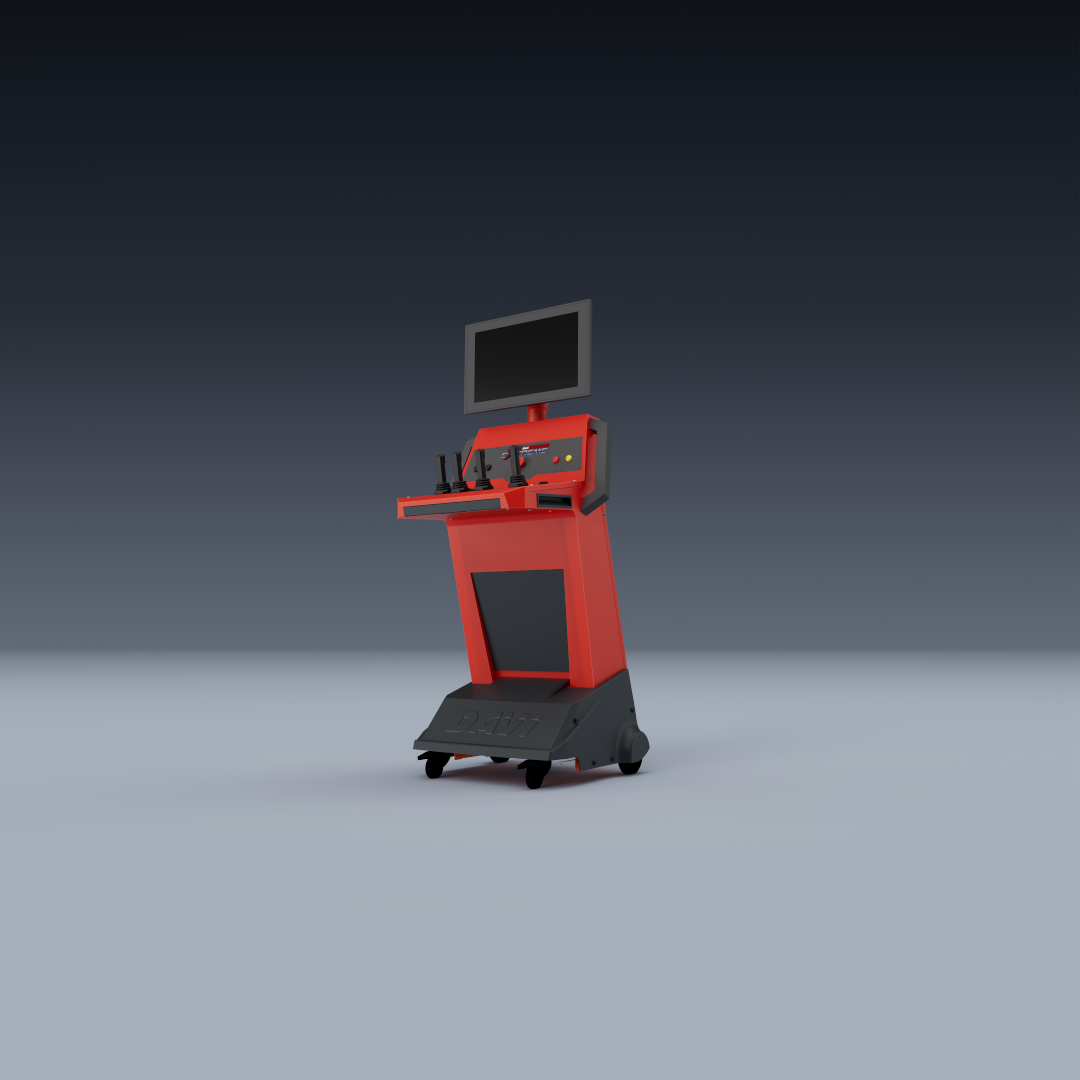
Dealing with high-yield structural steels can cause unexpected spring-back, leading to inconsistent part dimensions and slowed production lines. Yield strength is the specific stress threshold where a metal permanently deforms, meaning higher yield materials require significantly more bending power from the rolls to transition from elastic to plastic deformation. Recognizing your material's specific yield properties allows you to correctly gauge machine capacity, preventing equipment overload while ensuring accurate dimensional results. The Davi iRoll control system features a comprehensive material library that automatically factors in yield strength to calculate exact bending programs.
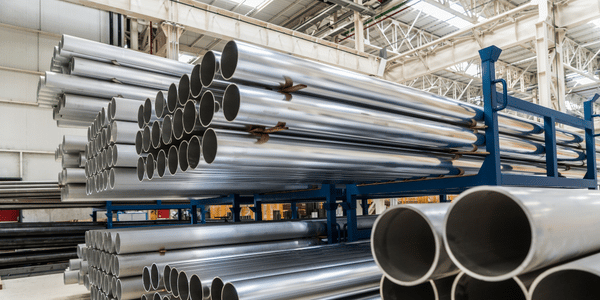
Engineering teams working with advanced alloys must carefully manage forces to avoid cracking or fracturing high-strength materials during tight-radius forming. Ultimate tensile strength is the maximum amount of tensile stress a material can withstand before structural failure or complete breaking occurs. Knowing the UTS ensures that multi-pass programs are correctly calibrated to form the material progressively without exceeding its mechanical boundaries, protecting both the workpiece and the machine components. Davi’s technical division utilizes advanced Finite Element Method (FEM) studies to evaluate material behavior against machine capabilities before production begins.
Inaccurate radius tracking due to material elasticity leads to continuous trial-and-error adjustments, resulting in costly scrap and slow assembly lines. Spring-back is the natural tendency of a metal plate or profile to partially return toward its original flat shape after the forming force is released, caused by elastic recovery. Accurate spring-back prediction allows the control system to over-bend the plate precisely, achieving the exact target radius on the first attempt without wasting time or material. Davi offers dedicated Spring-Back Software that analyzes material properties to eliminate manual guesswork and minimize test scrap.
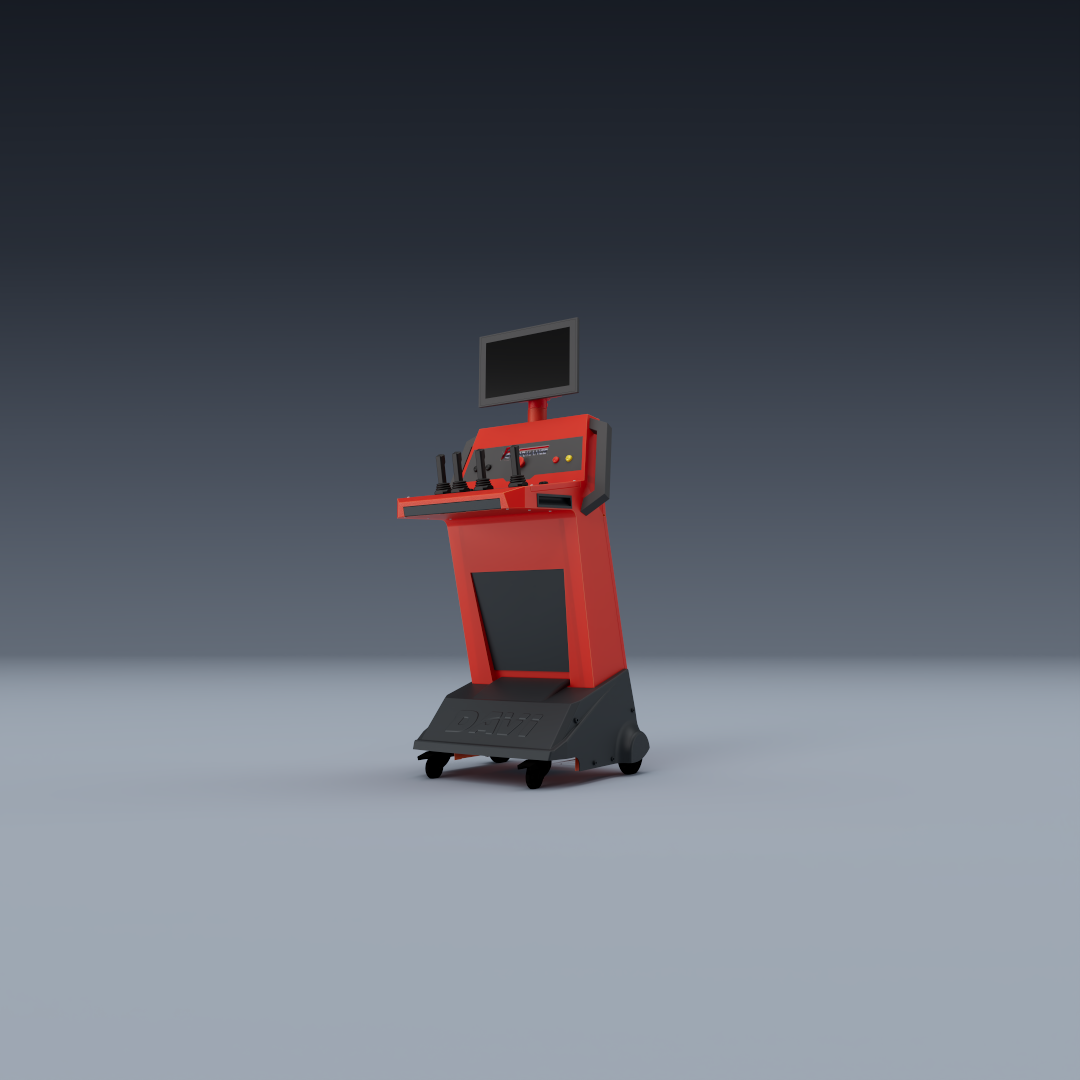
Raw material yield variations between different steel suppliers or batches can disrupt automated CNC accuracy. The self-learning system monitors actual machine reactions during the initial bending phase and automatically adjusts the CNC program parameters based on the material's real-world behavior. It eliminates manual calculation adjustments, speeds up automated production, and ensures consistent quality from the very first sheet. This advanced AI feature is integrated directly into the Davi iRoll eXtreme control system architecture.
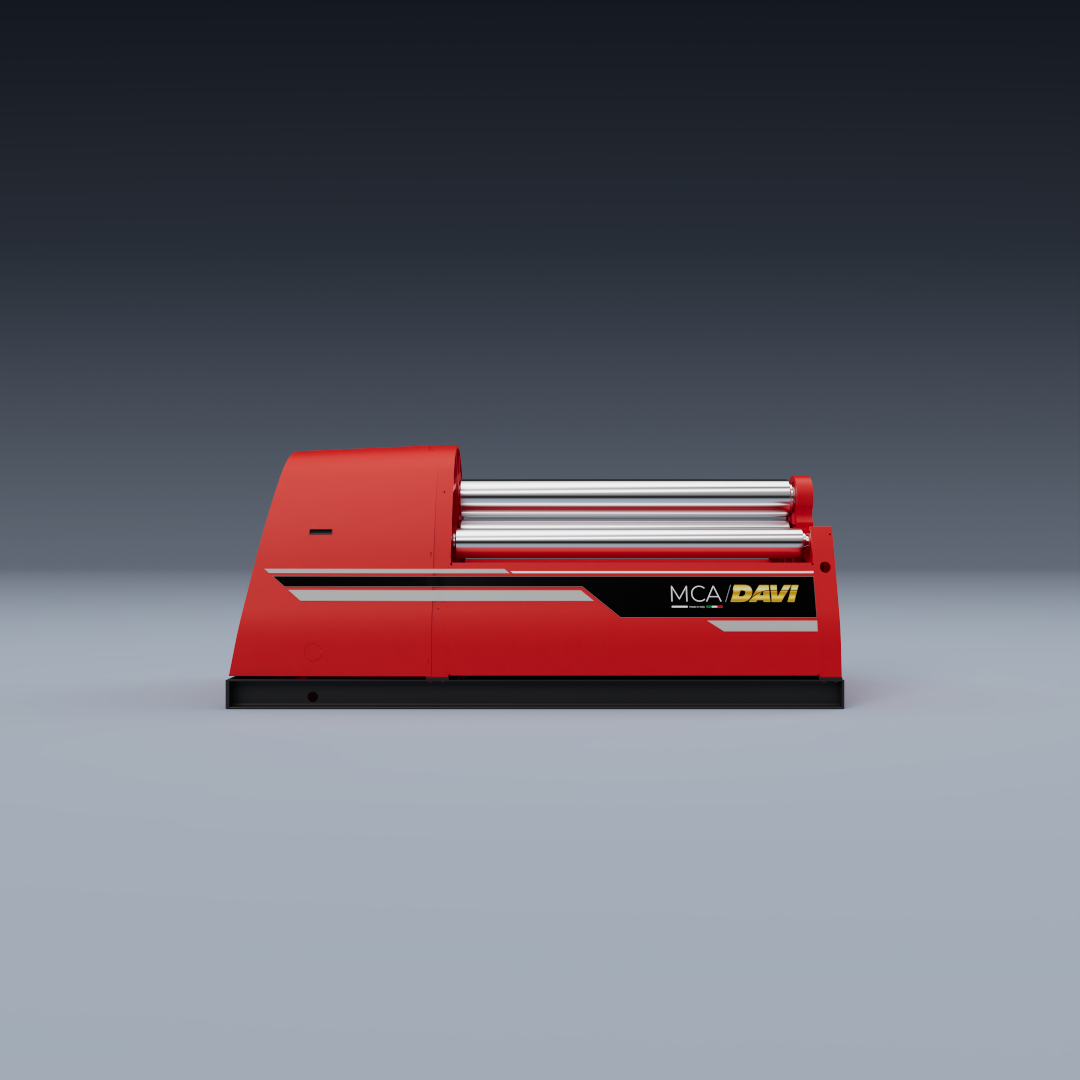
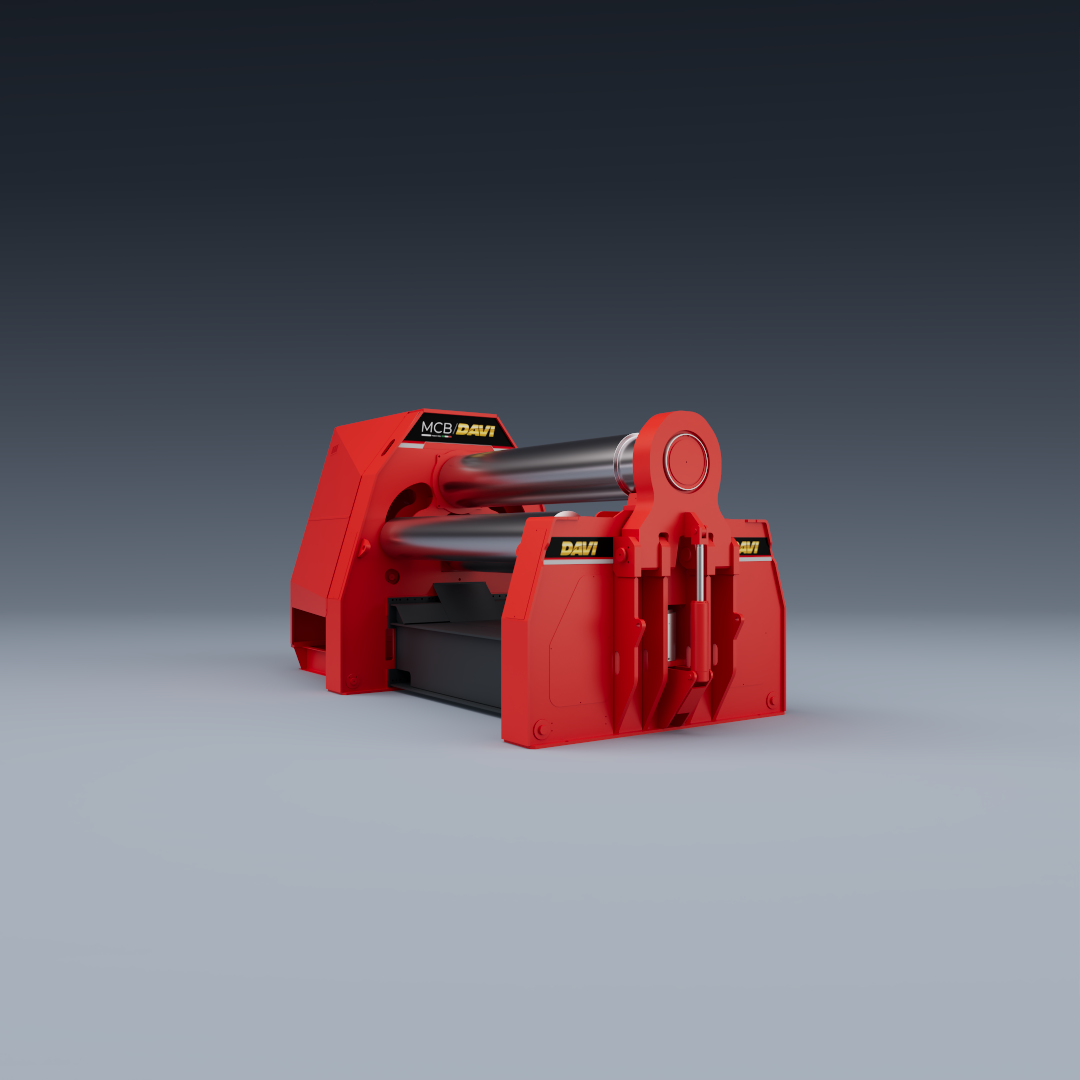
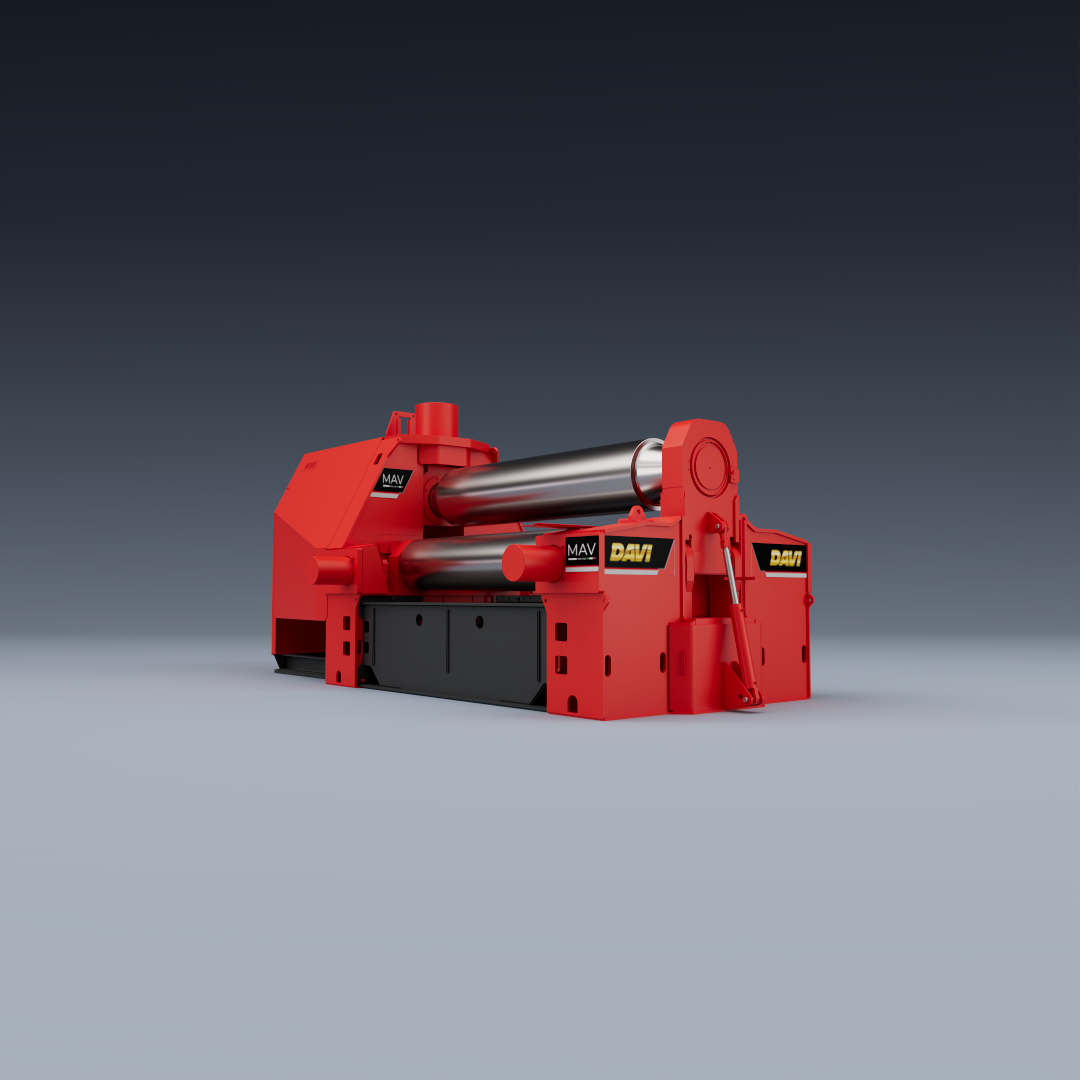
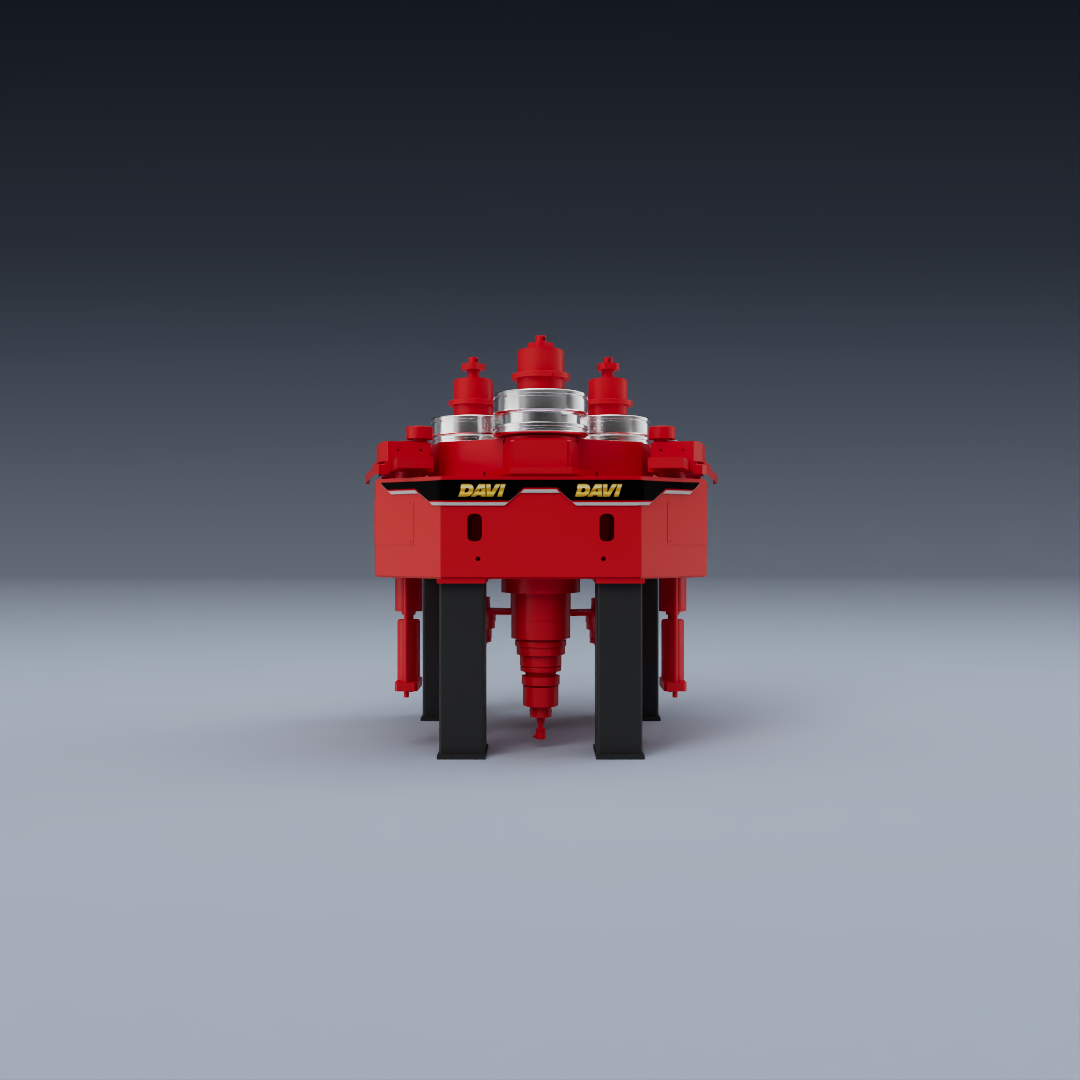
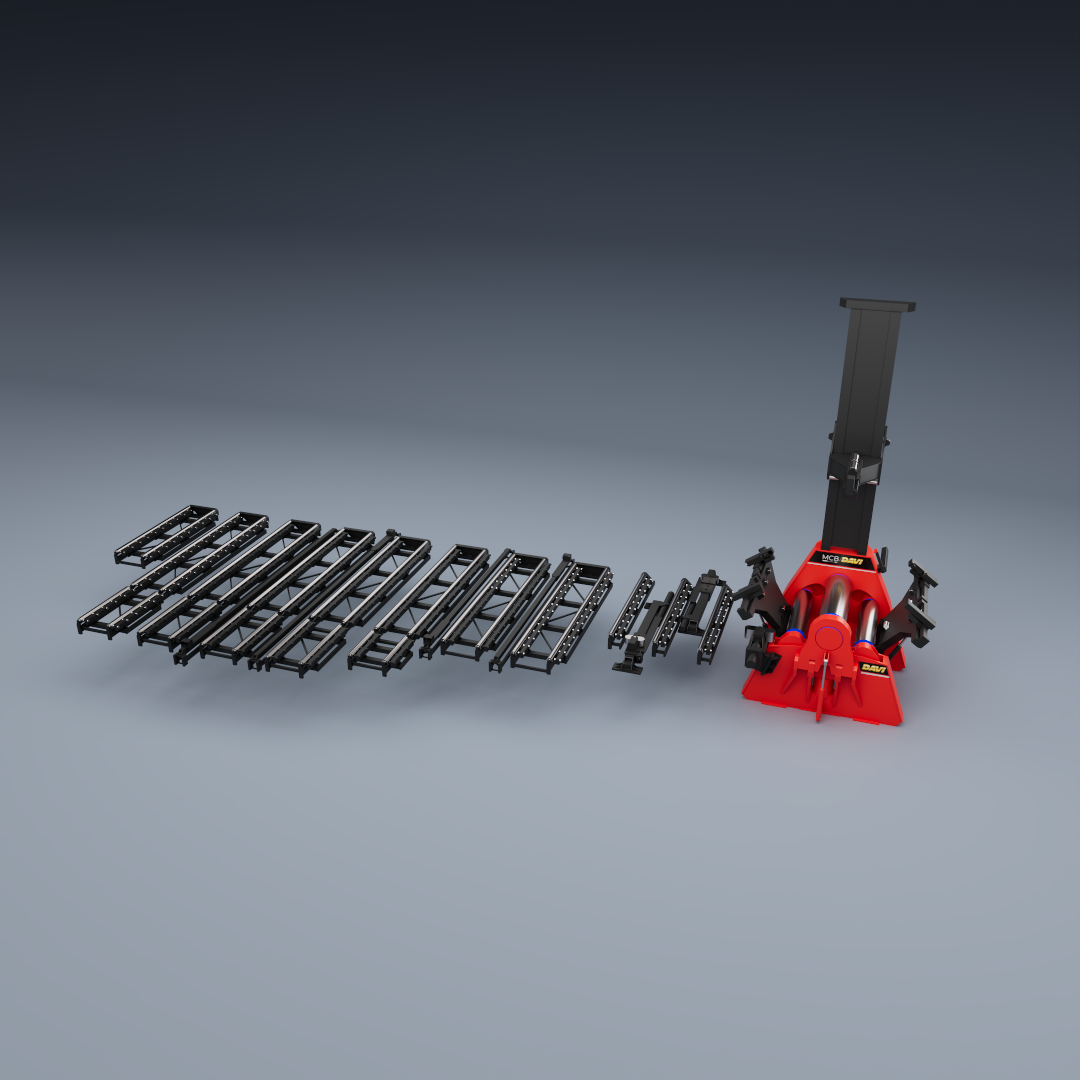
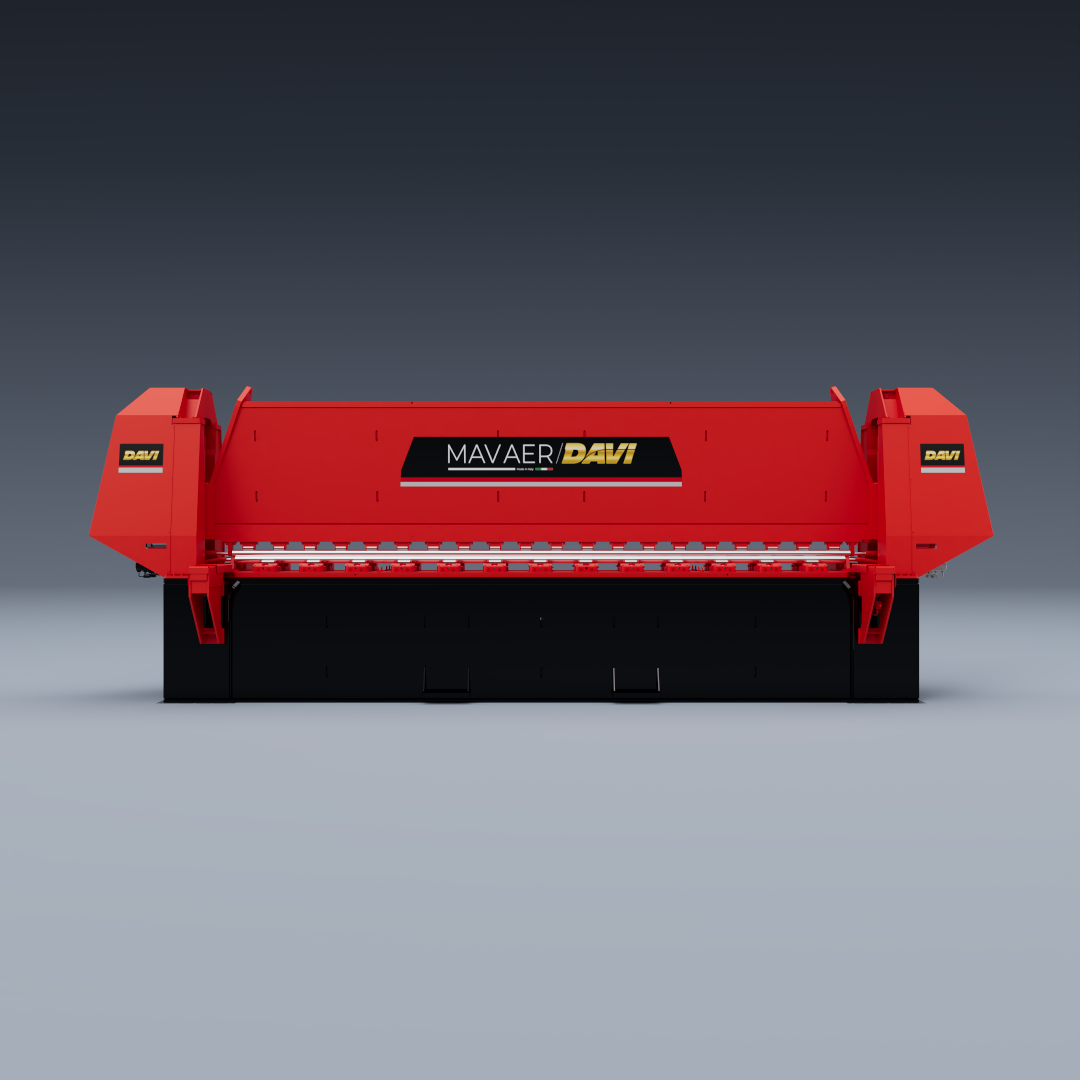
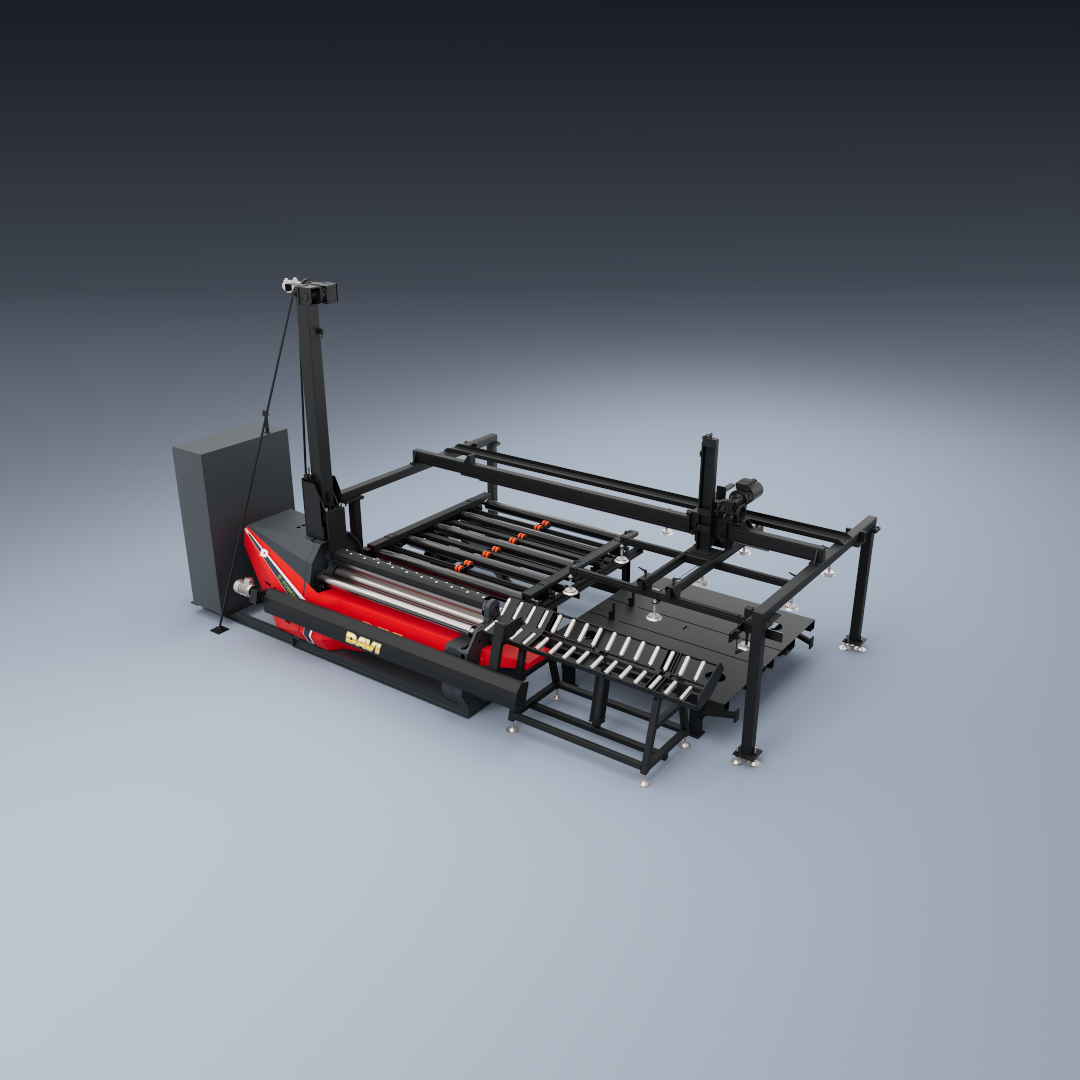
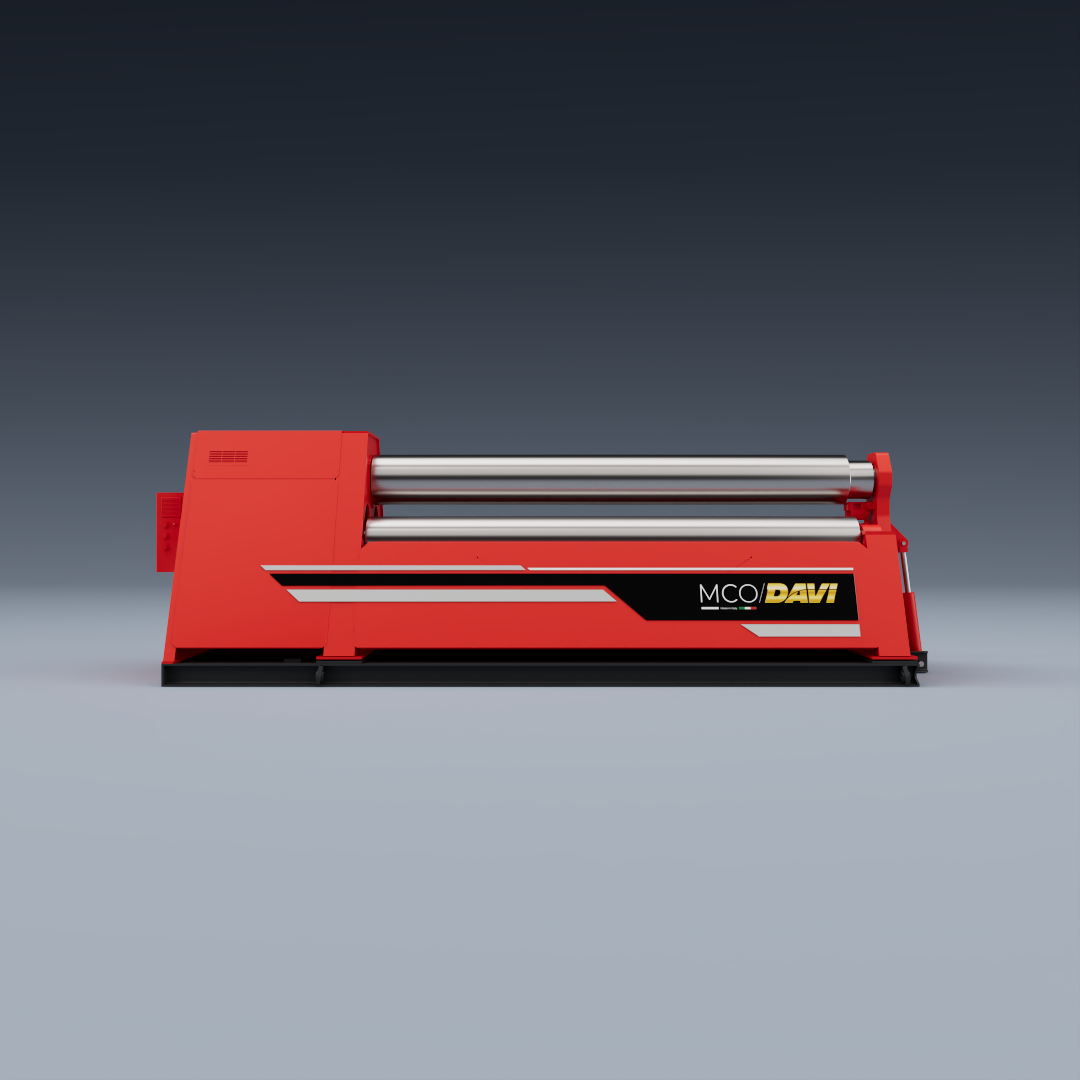
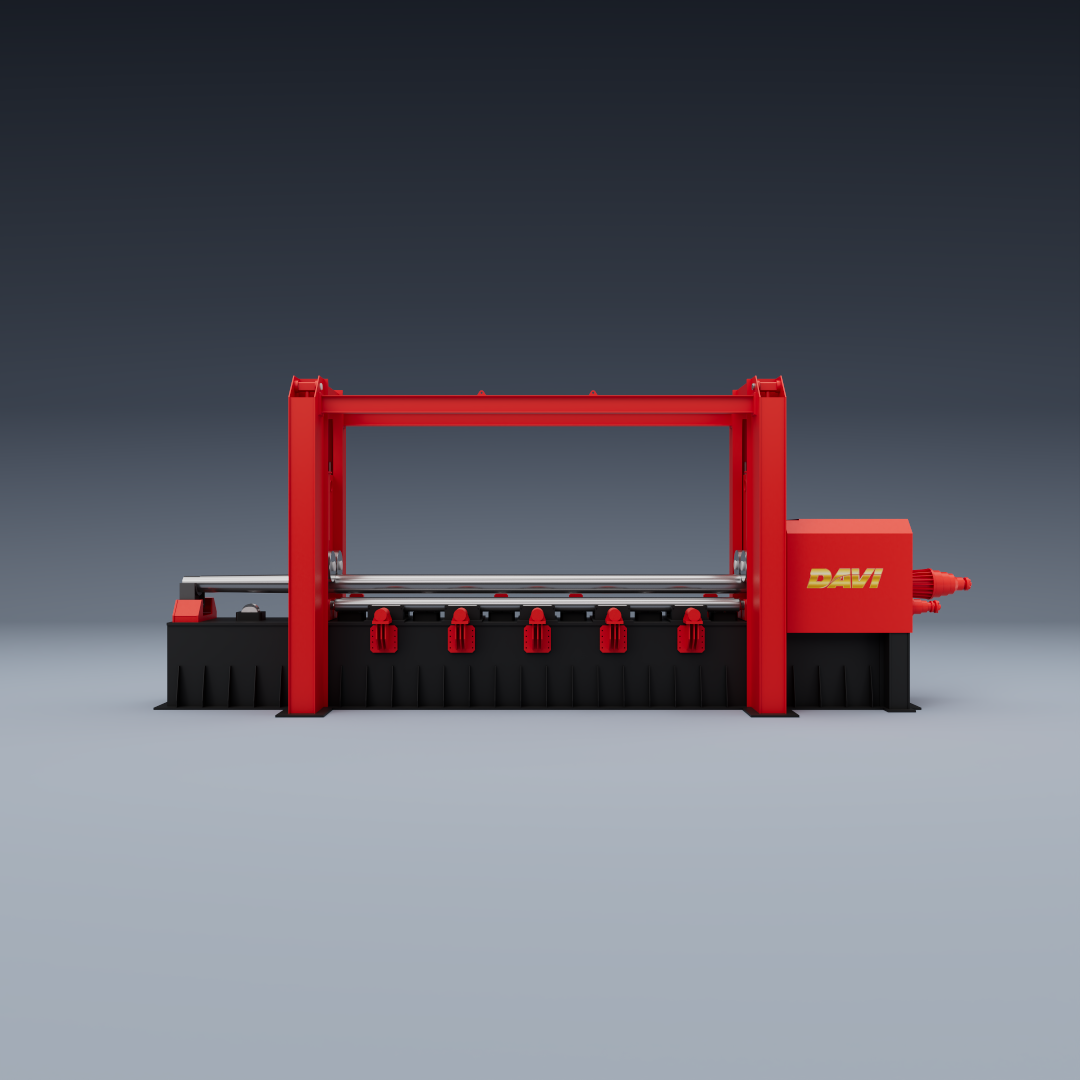
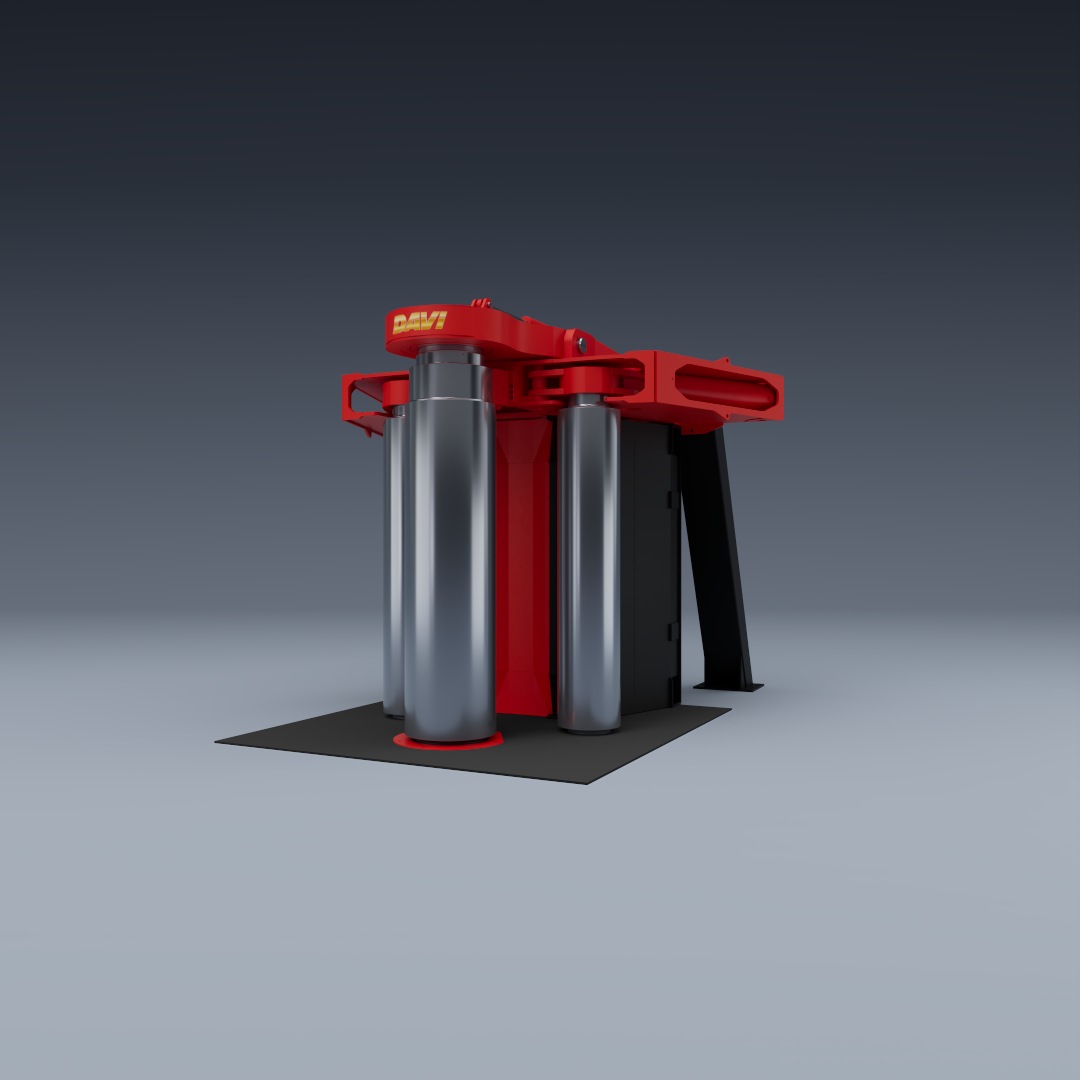
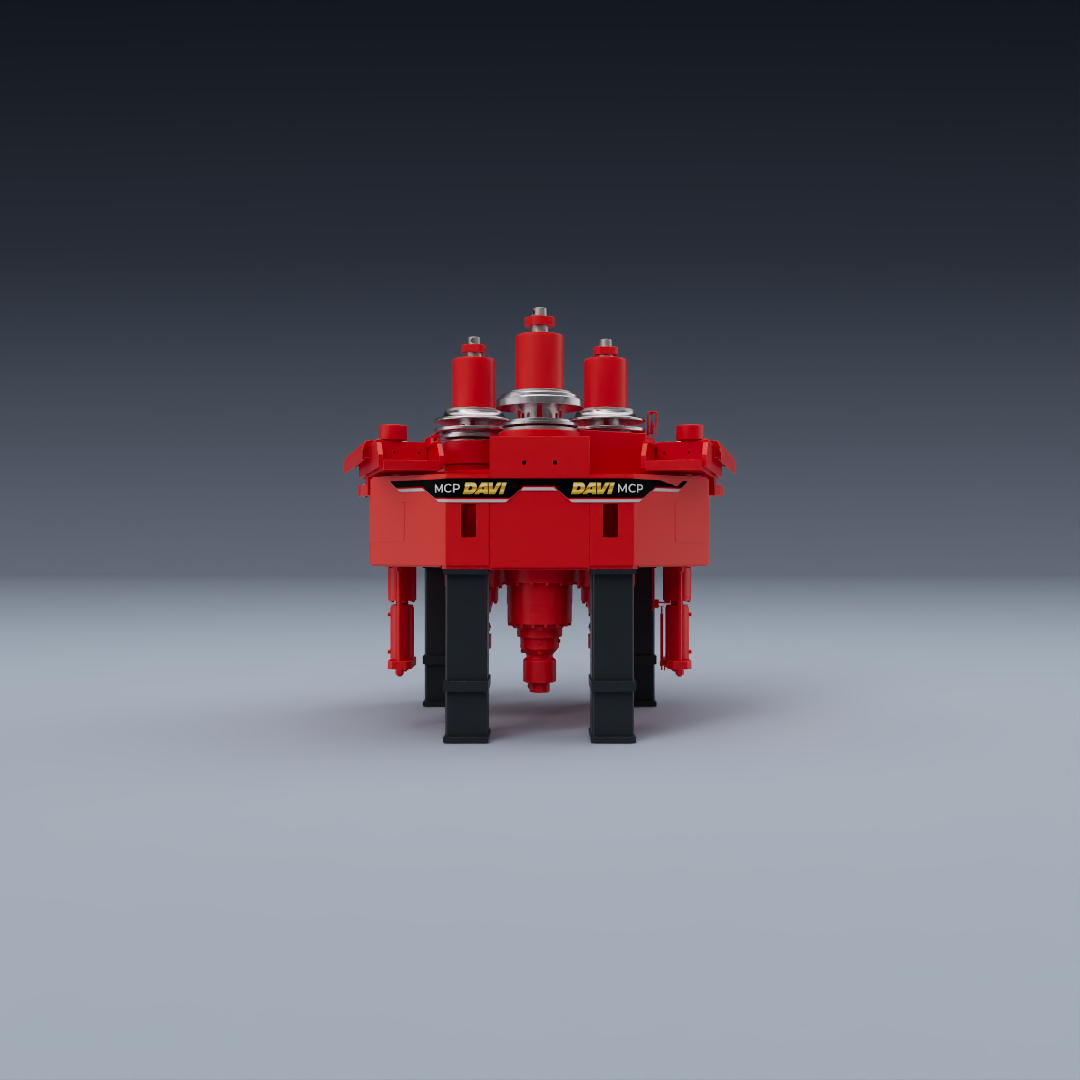
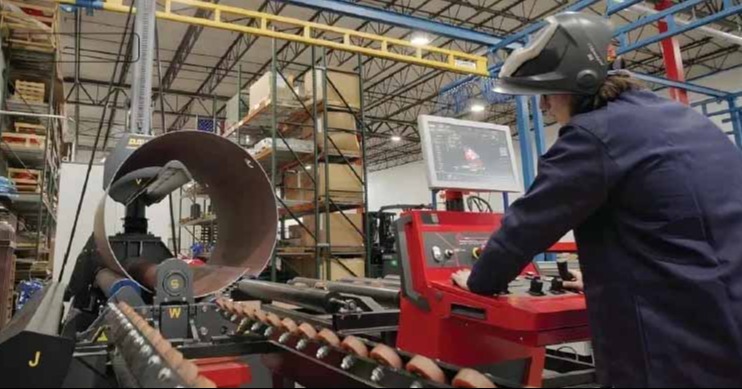
The capacity of a Davi plate roll is defined by its ability to exert the necessary bending force for specific plate thicknesses, widths, and material yield strengths, ensuring precise geometry during both pre-bending and continuous rolling. On 4-roll machines, such as the Davi MCA and MCB series, optimal clamping by the bottom roll enables pre-bending to achieve the tightest diameters per capacity on the market, reaching 1.1 times the top roll diameter. For heavy-duty applications, 3-roll variable-axis machines like the Davi MAV feature independently moving side rolls and a vertical top roll, providing maximum leverage and force distribution to maintain short flat ends and strict dimensional tolerances.
Selecting the correct plate or section roll requires analyzing several structural, dimensional, and material parameters to prevent machine overloading or premature deflection. The essential inputs include:
- Material Properties: Yield strength and ultimate tensile strength. Standard catalog ratings assume mild steel (e.g., S355JR); higher yield materials require capacity adjustments.
- Workpiece Dimensions: Maximum and minimum plate width, plate thickness, and target bending diameter.
- Operational Modes: Bending mode versus pre-bending mode, as pre-bending exerts significantly higher structural stress on the frame and rolls.
- Conical Parameters: Cone angle/taper, major and minor diameters, and plate width.
Standard catalog capacity charts are calculated based on mild steel with a yield strength of approximately 355 N/mm^2 (e.g., S355JR). To evaluate capacity for high-strength materials (such as Hardox, stainless steel, or high-yield naval alloys), the required bending force scales proportionally with material yield strength and thickness squared. Fabricators can utilize Davi Performance Test Software to input actual yield strength, ultimate tensile strength, plate width, and target diameter. The software calculates the exact capacity percentage required and verifies machine feasibility.