






Glossary
1 MIN READ
Repeatability
The ability of a manufacturing system to duplicate identical dimensions, geometries, and cycle times across large production batches with minimal deviation.
Technical FAQ
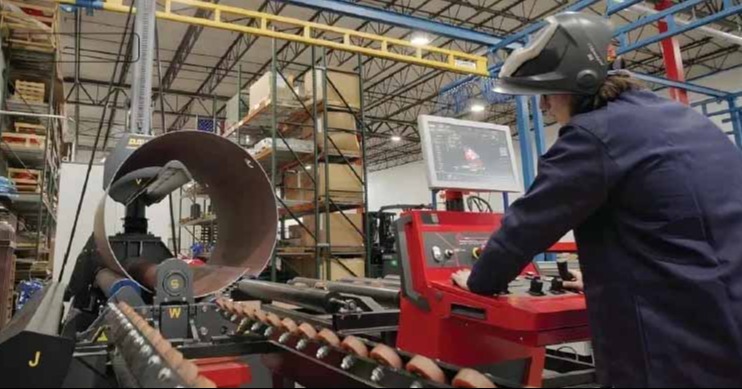
Eliminating material waste and avoiding secondary cutting operations is a primary goal for high-productivity job shops looking to protect their margins. A flat end is the straight, unbent section left at the leading and trailing edges of a plate because the material cannot physically reach the exact tangent contact point between the machine rolls. Minimizing this straight section directly reduces material scrap and eliminates the time-consuming process of pre-bending plates on a separate press brake, thereby accelerating overall floor cycle times. Utilizing Davi all-rolls-drive technology ensures the plate can be positioned precisely at the tangent point to achieve the shortest flat end possible without compromising safety.
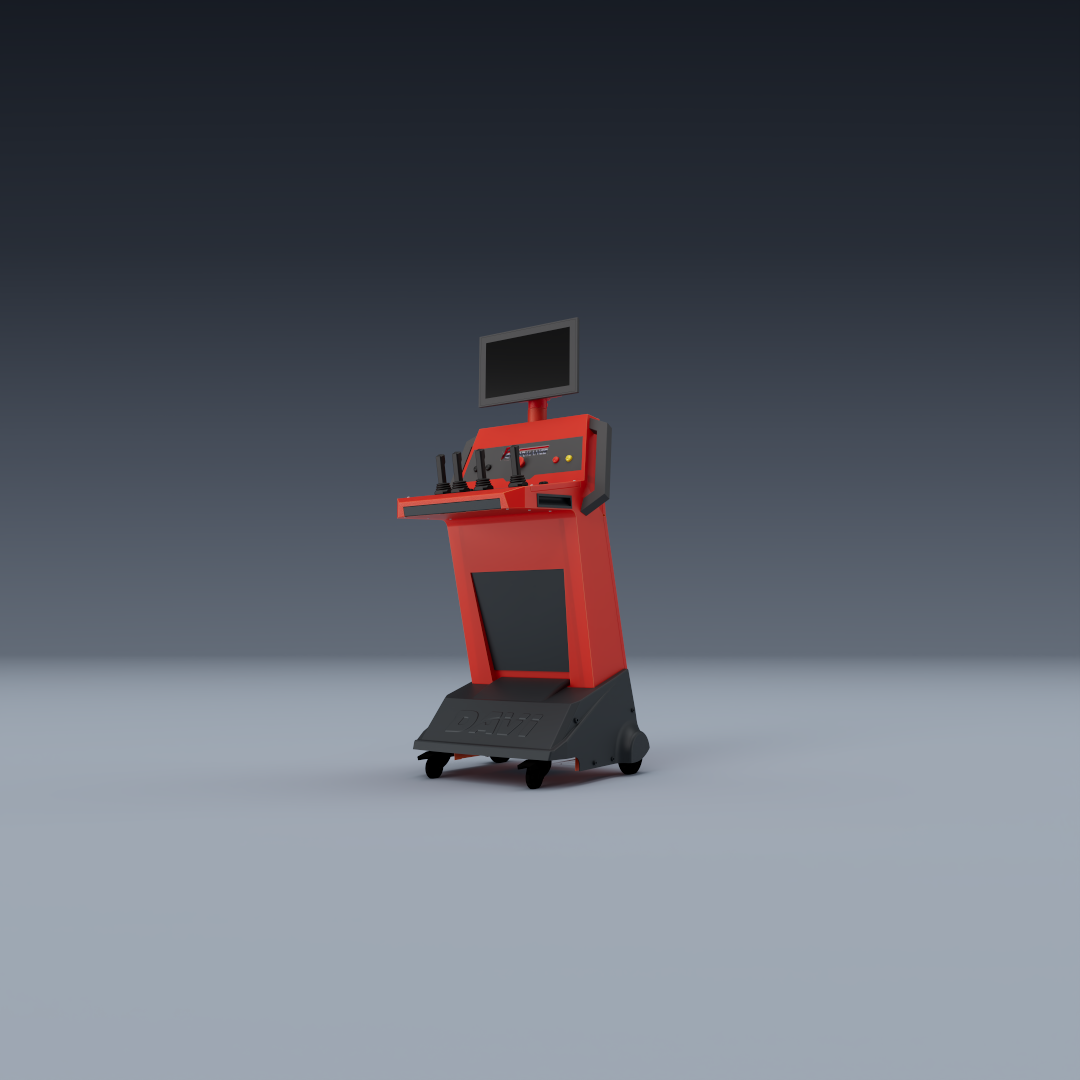
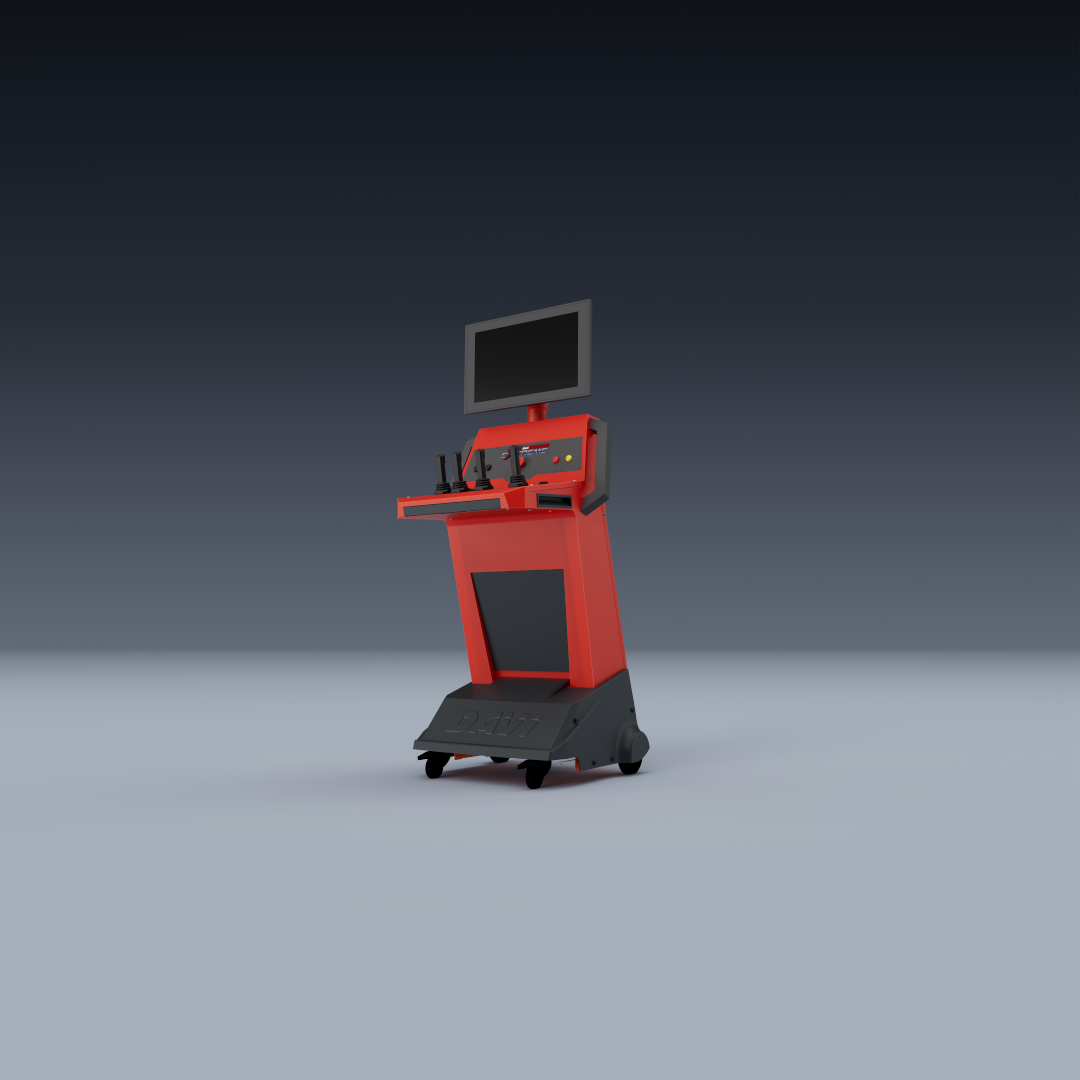
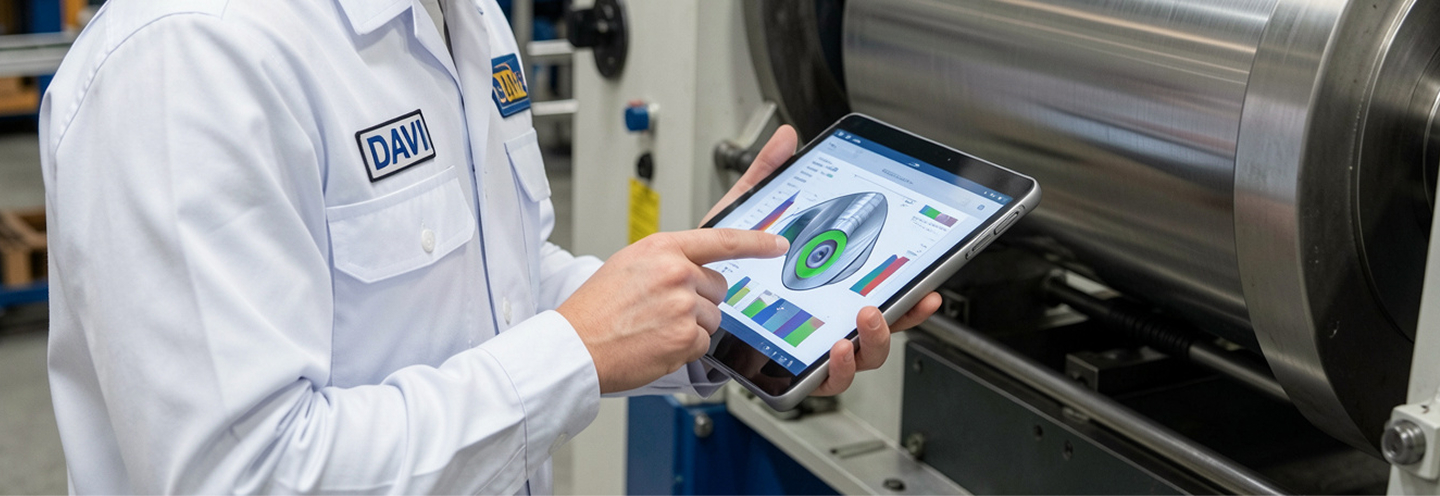
Dealing with high-yield structural steels can cause unexpected spring-back, leading to inconsistent part dimensions and slowed production lines. Yield strength is the specific stress threshold where a metal permanently deforms, meaning higher yield materials require significantly more bending power from the rolls to transition from elastic to plastic deformation. Recognizing your material's specific yield properties allows you to correctly gauge machine capacity, preventing equipment overload while ensuring accurate dimensional results. The Davi iRoll control system features a comprehensive material library that automatically factors in yield strength to calculate exact bending programs.
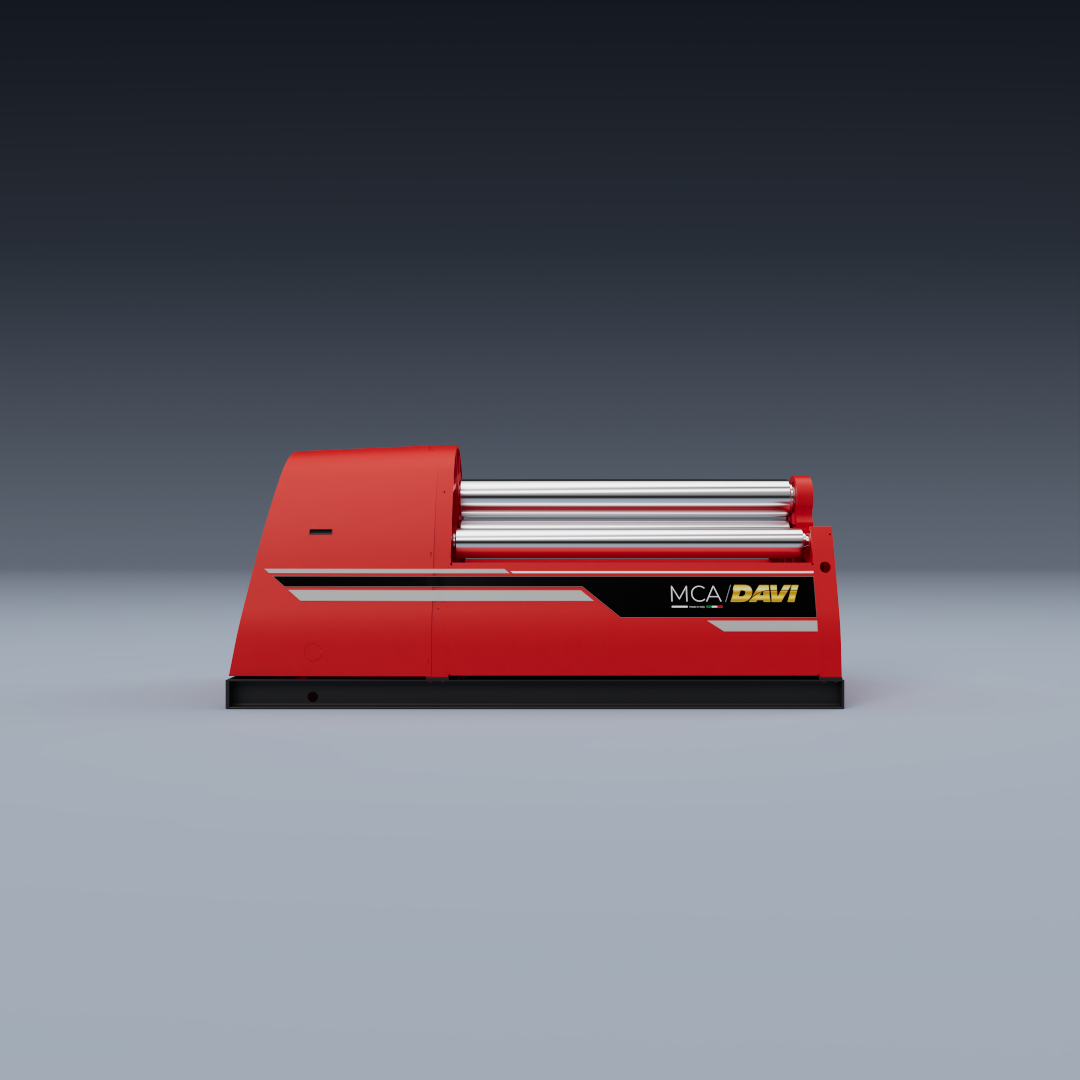
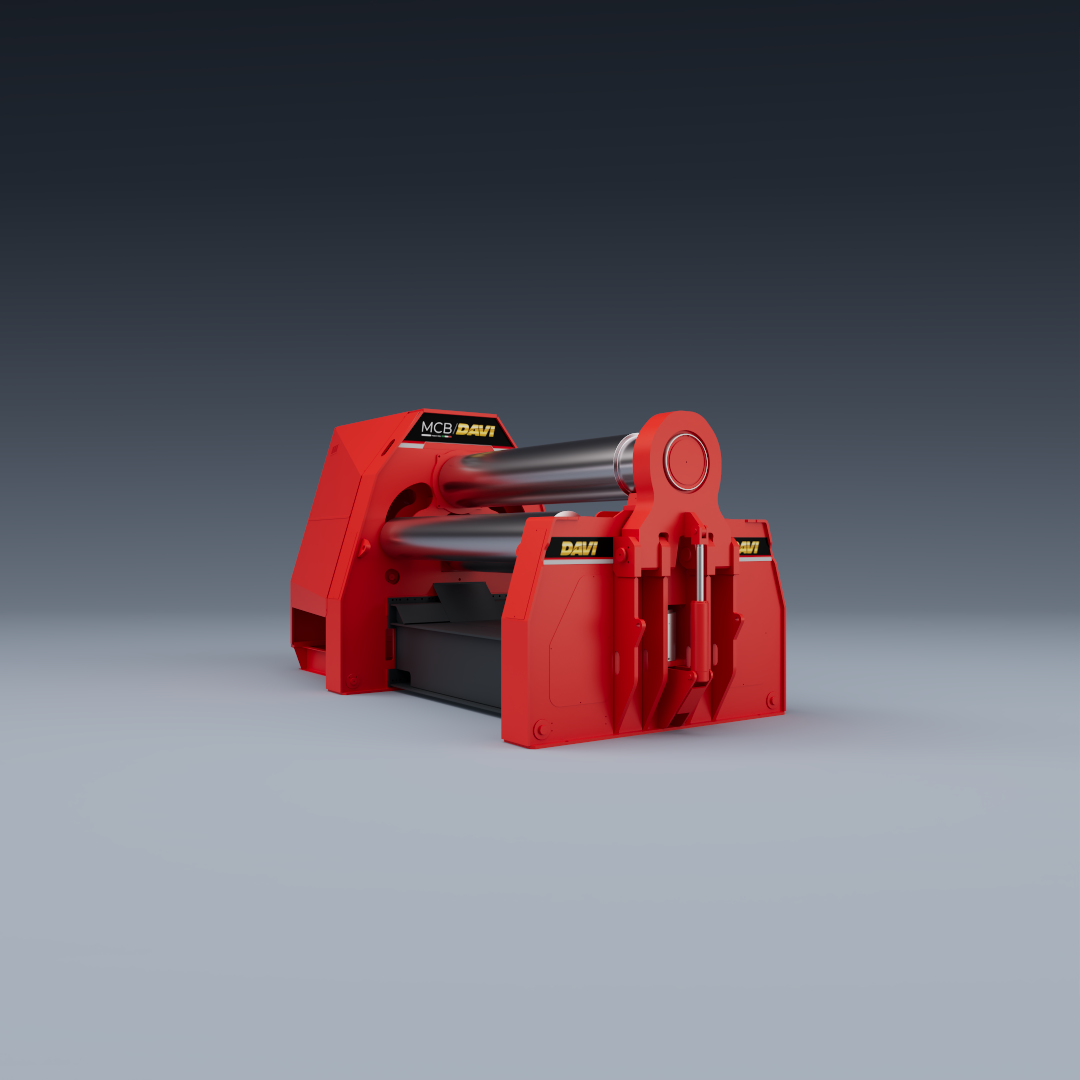
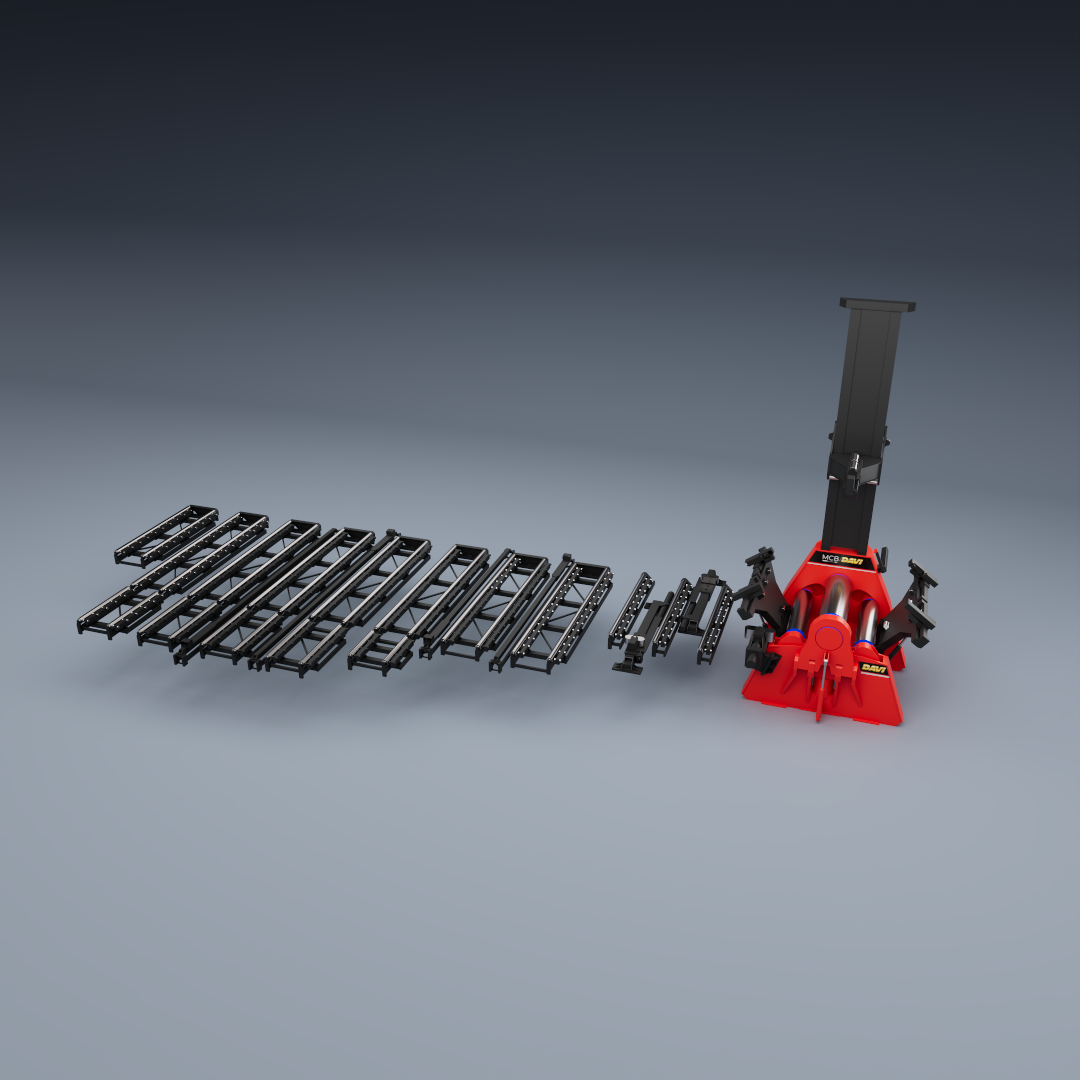
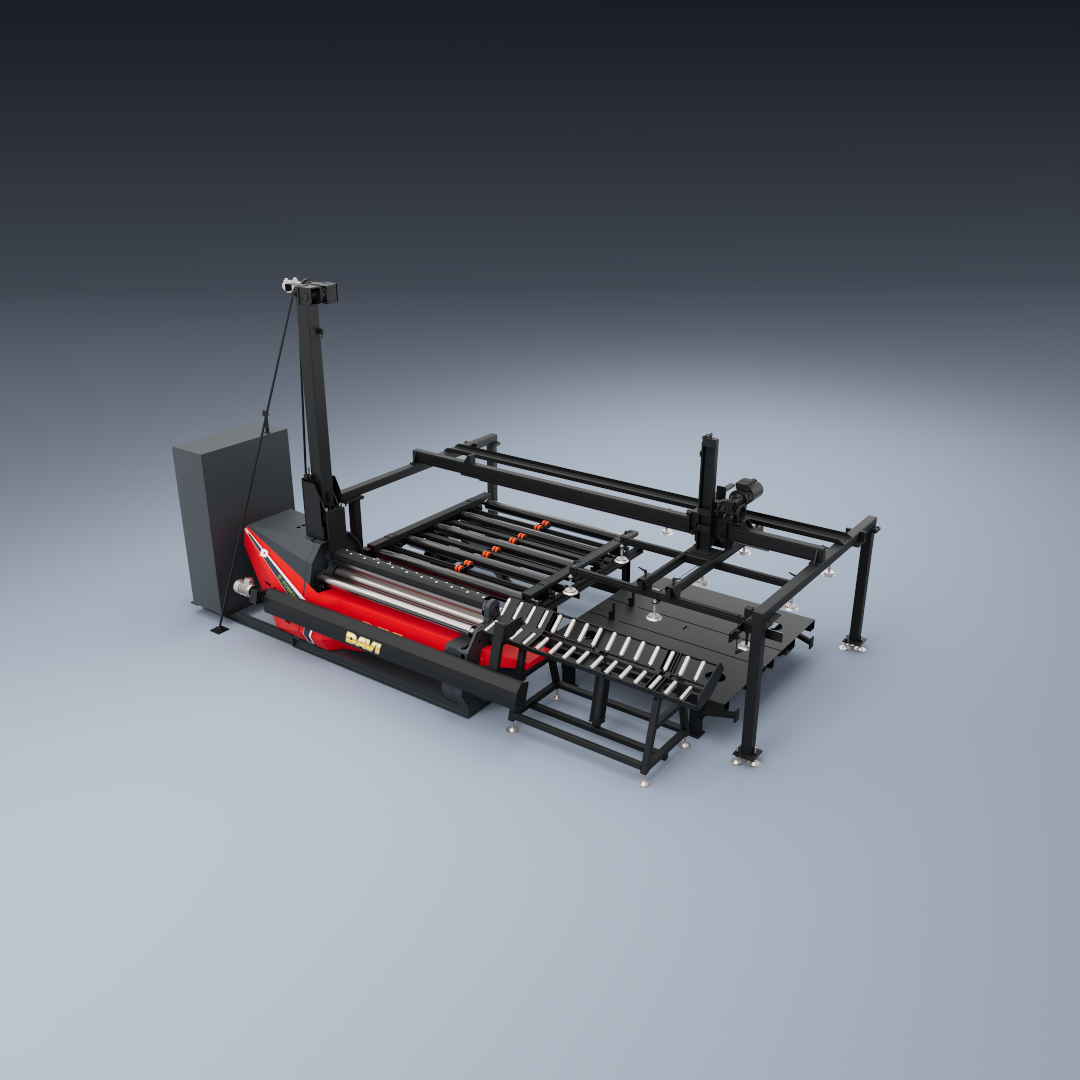
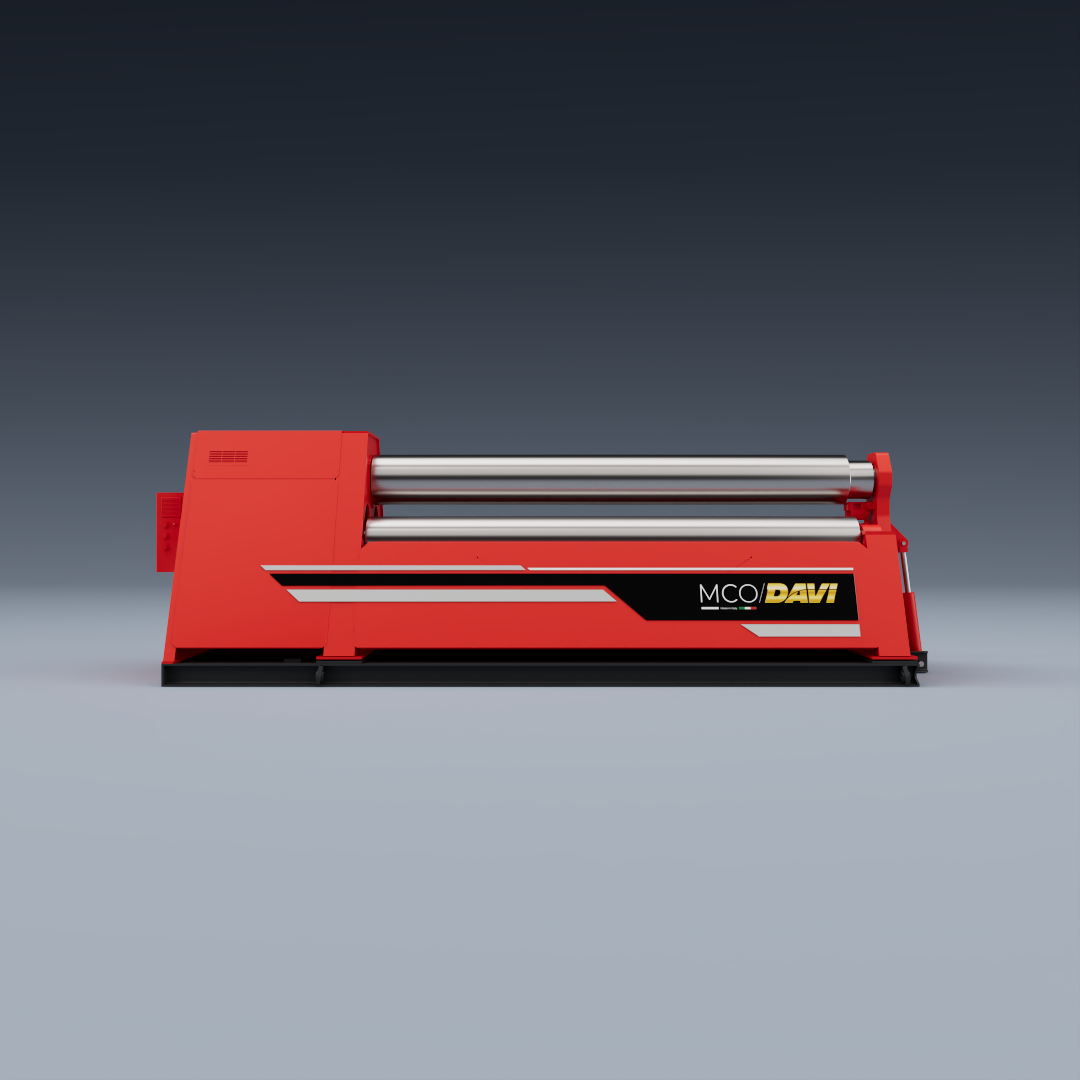
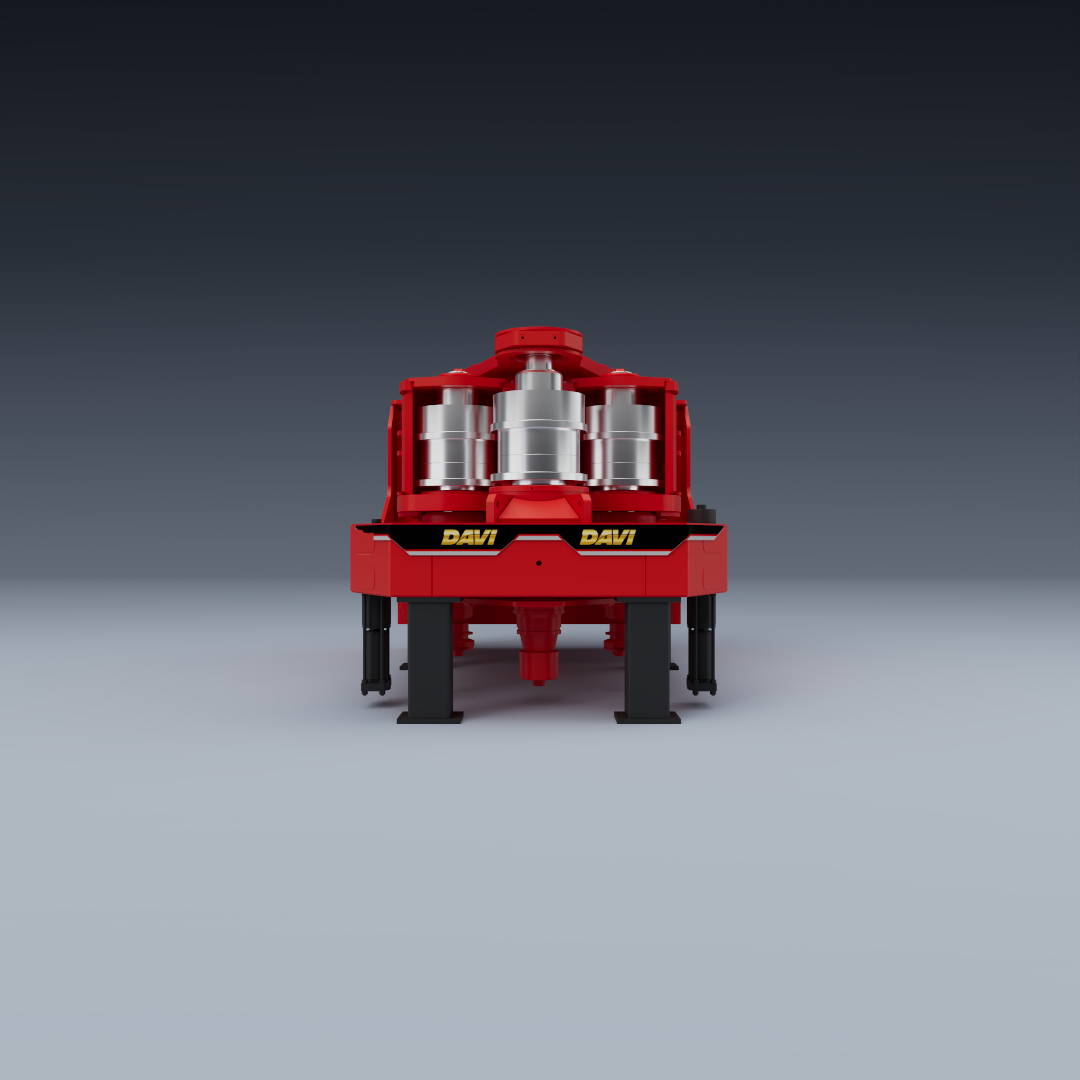
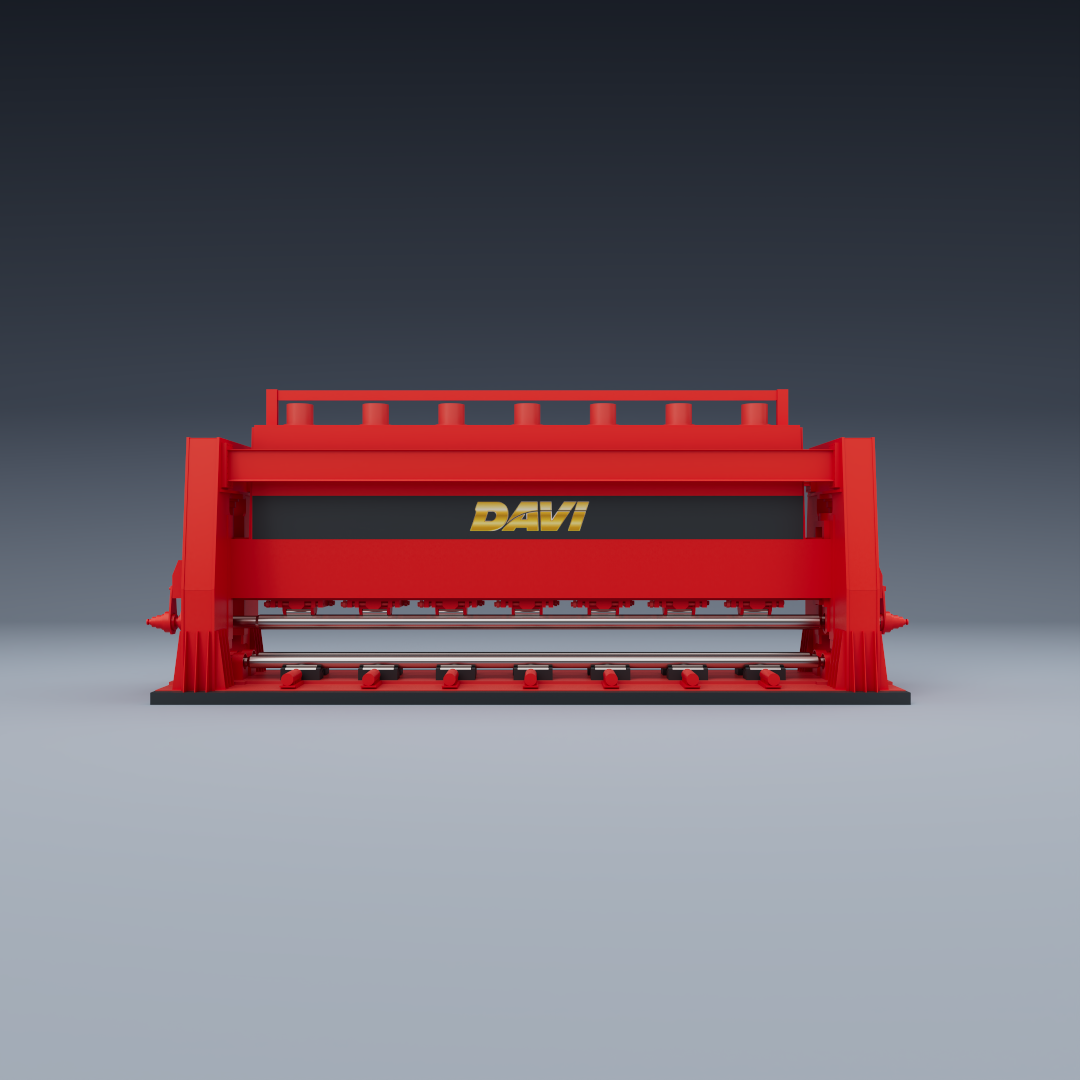
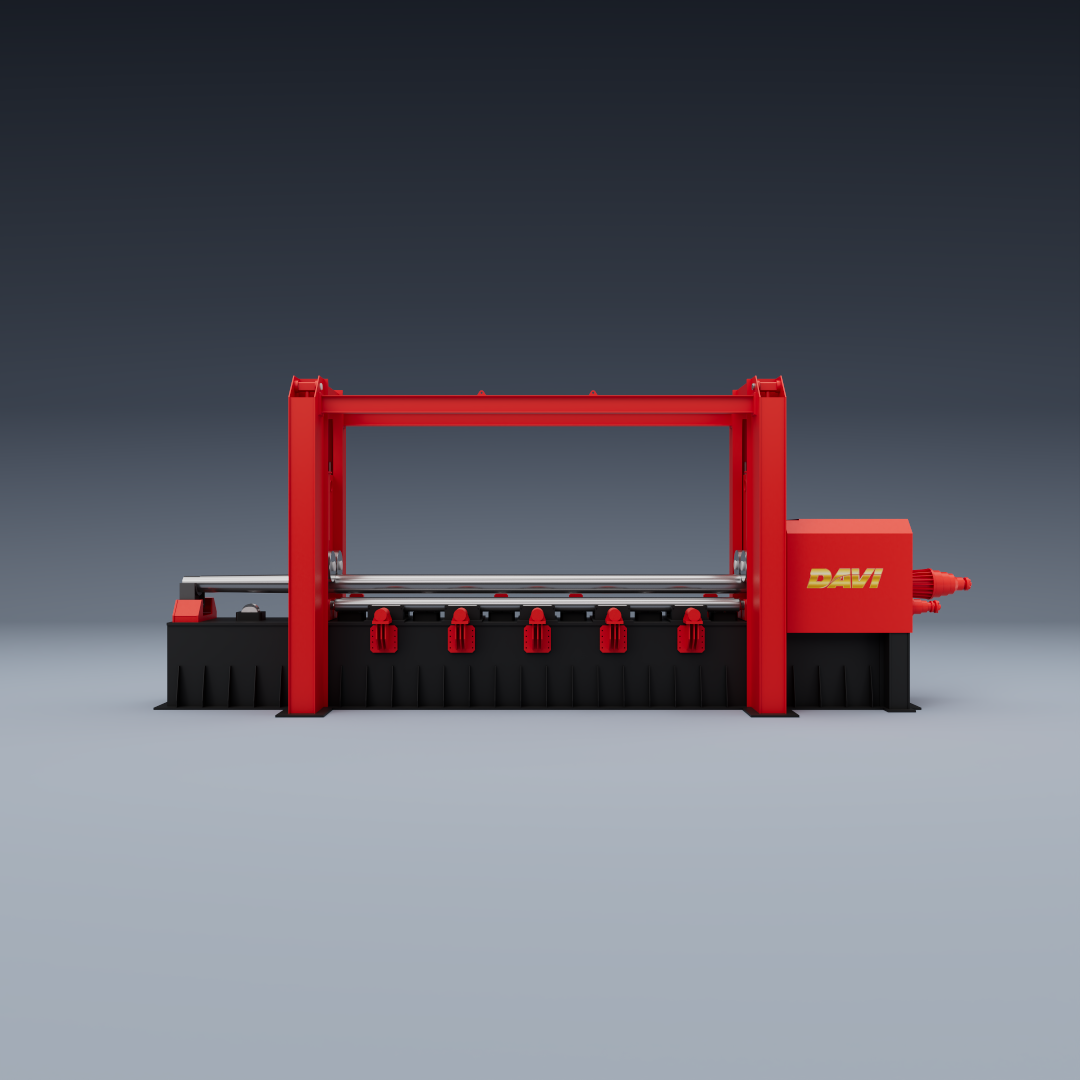
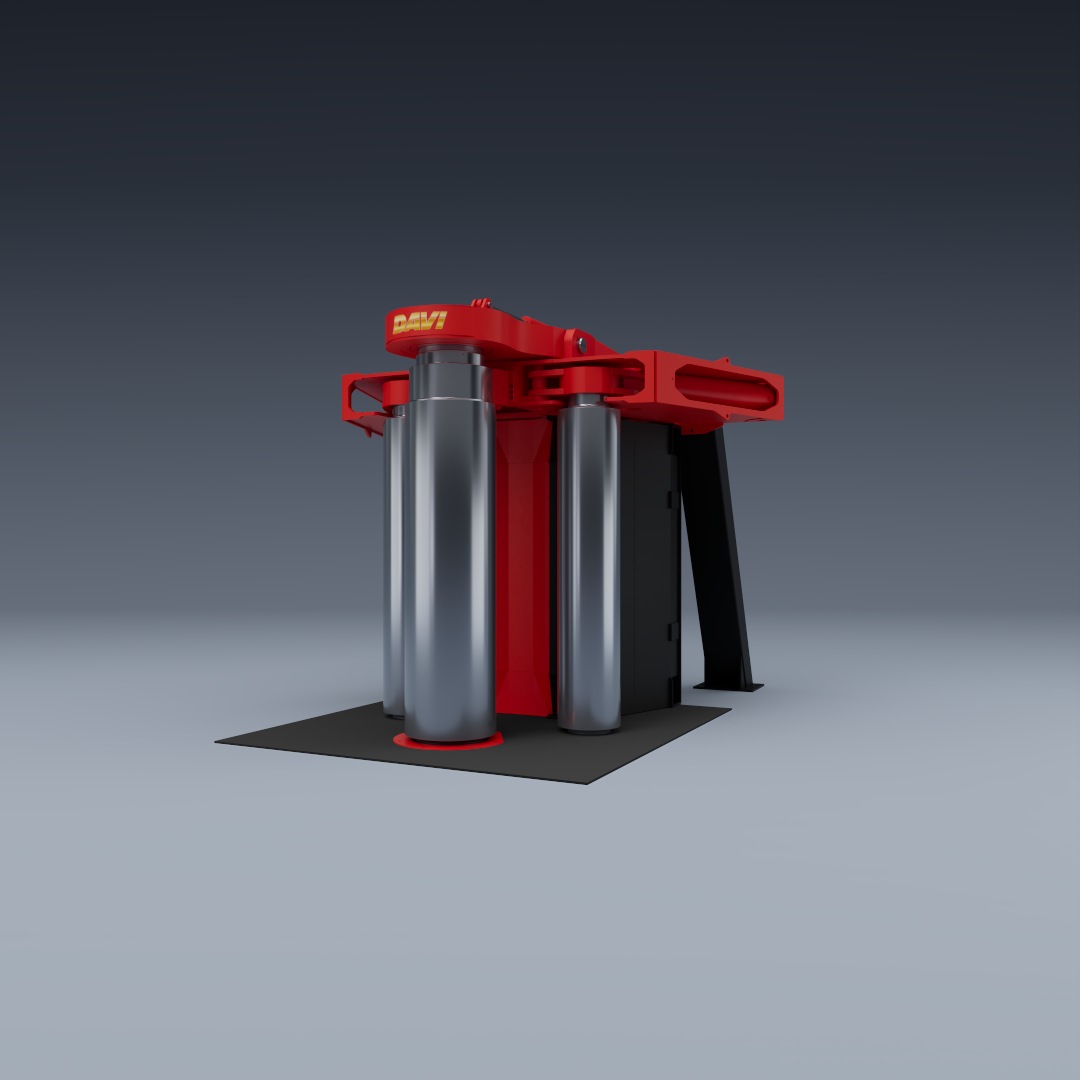
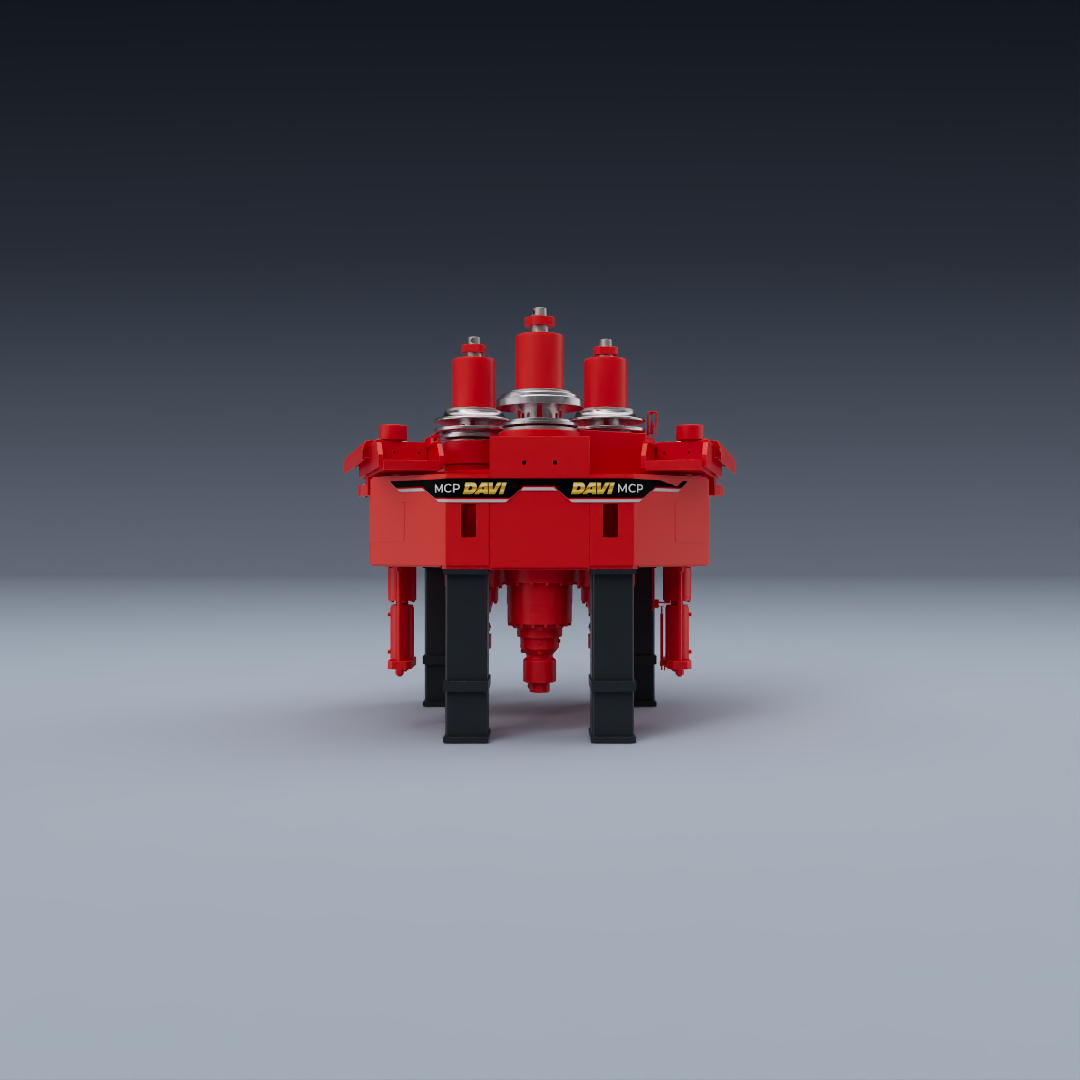
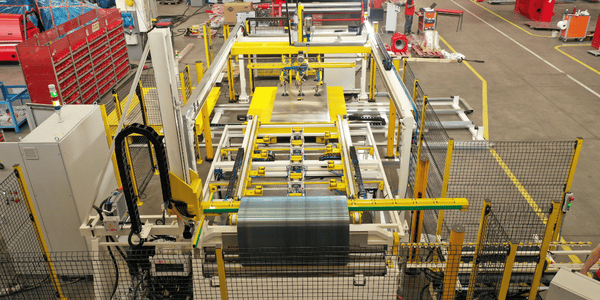
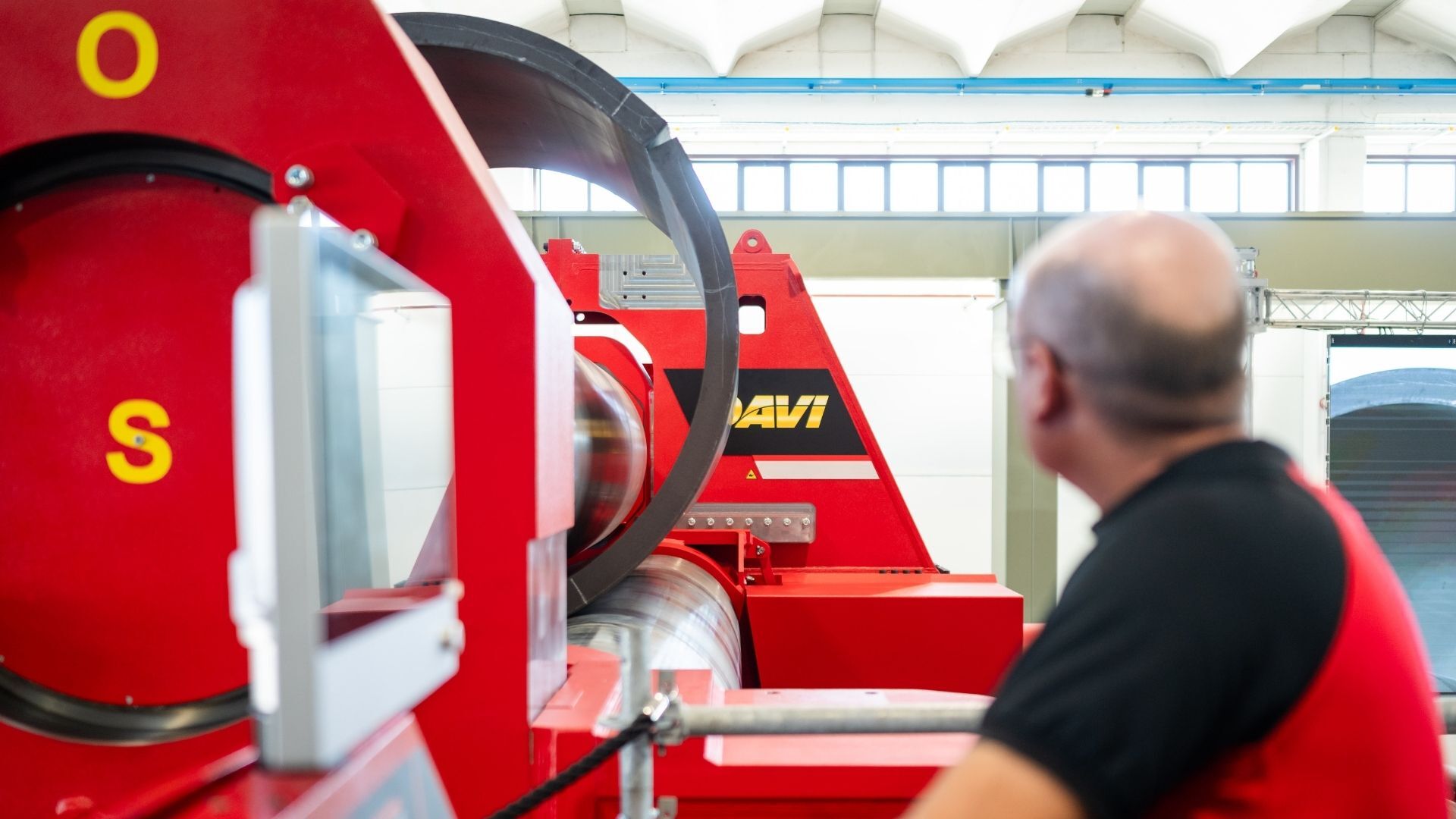
Mass-production facilities require automated processing with minimal reliance on highly skilled operator intervention to remain competitive. A 4-roll machine uses a top and bottom roll to securely pinch the plate, while two side rolls travel up to execute the bending force. It provides total material control throughout the cycle, allows for fully CNC-automated production lines, and makes the initial squaring process simple and safe. Davi MCA and MCB 4-roll lines are the global standard for high-productivity automation, offering rapid cycle times for job shops worldwide.
Precision fabricators require exact axis positioning down to the micron level to maintain consistent ovality tolerances. Next-generation electric actuators use precise gears and low-backlash ball screws to create a rigid, direct mechanical connection between the servomotor and axis displacement. They allow the CNC system to control and acquire axis positions down to the third decimal place (0.001 mm / 0.00004 inches), providing higher repeatability than conventional hydraulic cylinders. This actuator design enables Davi electric machines to limit structural deflection to just 0.04 mm (0.0016 inches) over a 300 mm (11.81 inches) stroke.
Meeting strict ovality tolerances for aerospace or wind tower applications requires accurate, documented inspection data. A roundness measuring system uses precision multi-point digital sensors to sweep the circumference of a finished shell and identify deviations. It replaces slow manual measuring tools, provides instant digital reports for customer quality compliance, and confirms the shell is ready for automatic welding lines. Davi offers integrated measuring tools designed to maintain high quality control standards in demanding manufacturing sectors.
Unexpected component wear on high-capacity machinery can cause unplanned outages that disrupt supply chains. A preventative maintenance program schedules regular inspections, oil analysis, and component checks tailored to machine usage. It reduces unplanned downtime, extends the operational life of the equipment, and ensures the system operates safely at peak performance. Davi offers tiered maintenance packages, from basic inspections to premium support programs with extended warranties.
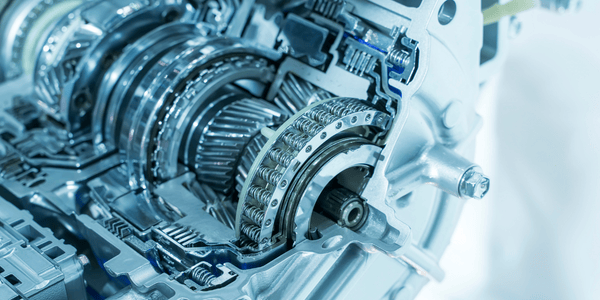
Davi maintains immediate delivery options and ready stock availability for standard machine models to help customers respond quickly to urgent production demands. For complex, highly customized systems or automated rolling lines, delivery timelines are optimized through Davi’s modular manufacturing process and standardized high-stress components. Additionally, for ultra-heavy machines with pressing capacities above 3,000 tons, Davi utilizes a multi-gearbox configuration that eliminates reliance on long-lead custom components, ensuring faster manufacturing cycles and reliable equipment delivery timelines.
To protect customer capital investments and guarantee long-term operational predictability, Davi backs its equipment with comprehensive factory warranty coverage and structured lifecycle support programs. The standard factory warranty covers mechanical, structural, and electrical components against manufacturing defects, supported by direct remote technical assistance. To extend coverage beyond the initial warranty period, Davi offers scalable Preventive Maintenance Programs (categorized in Standard, Basic, Extended, Advanced, and Premium packages). These programs allow fabricators to combine warranty extensions with scheduled on-site inspections, predictive routine analysis, custom spare parts kits, 24/5 helpdesk priority access, and continuous software updates. By tailoring maintenance coverage to specific annual operating hours, Davi minimizes unexpected repair costs, extends overall machine service life, and preserves high equipment resale value over decades of operation.