







Re-rolling
Technical FAQ
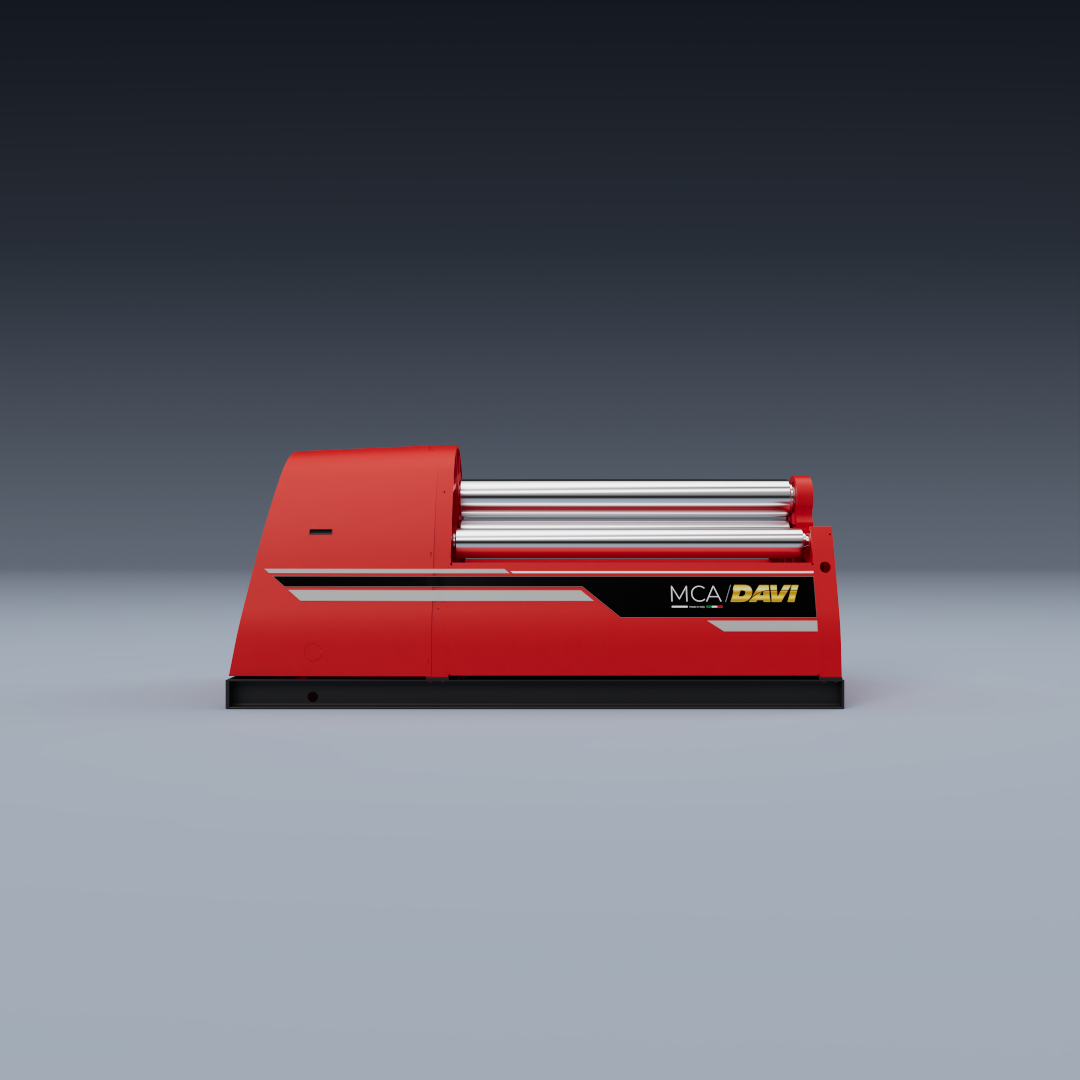
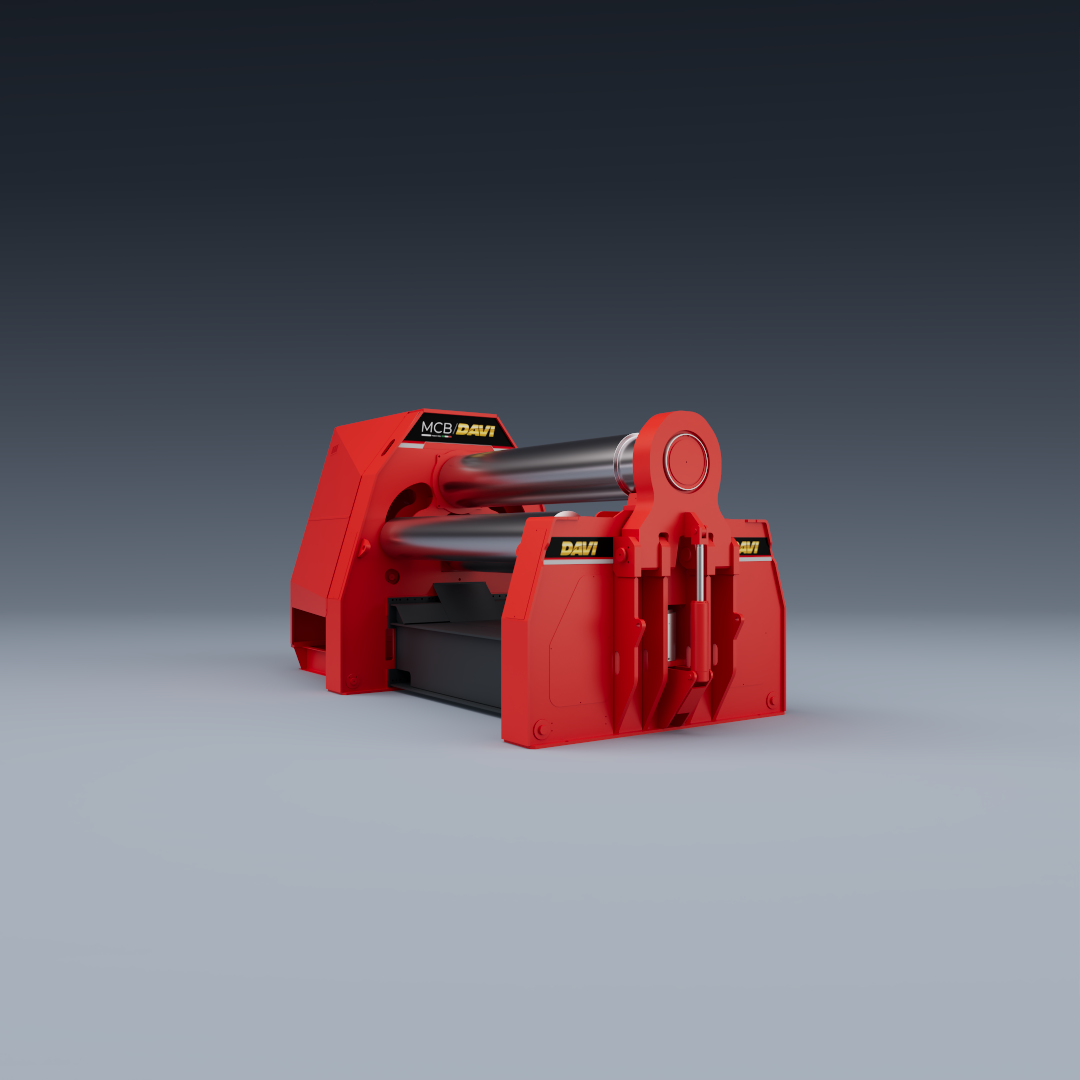
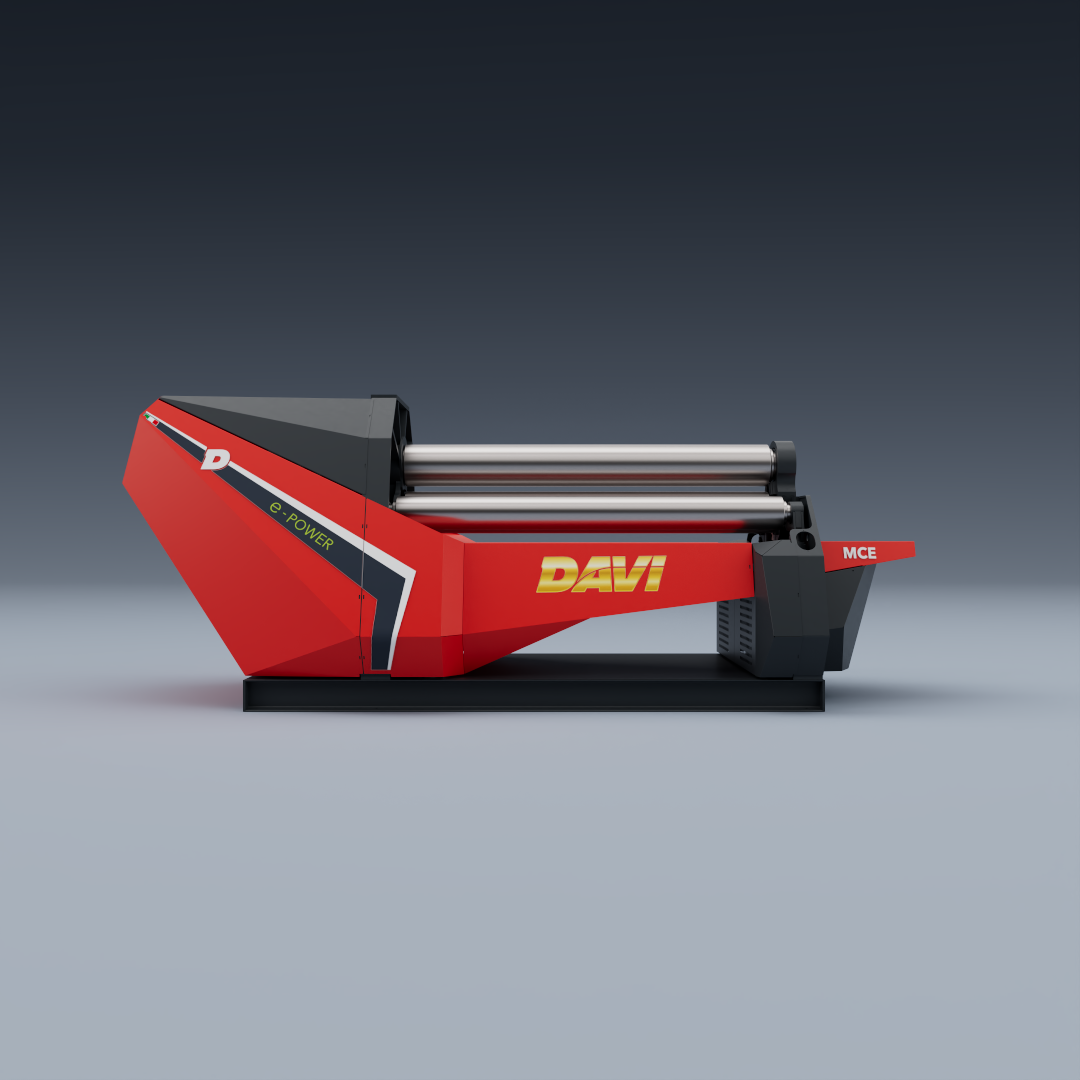
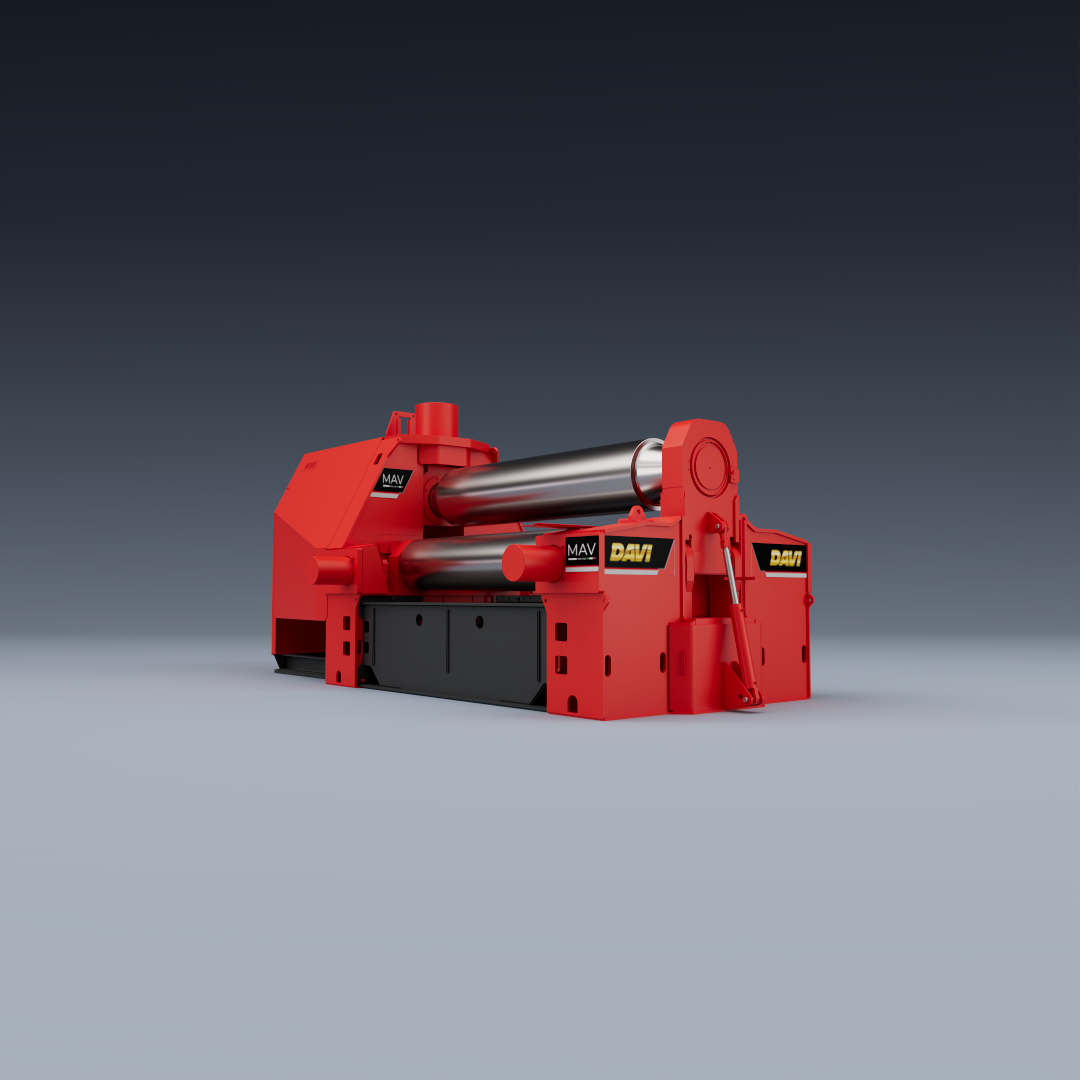
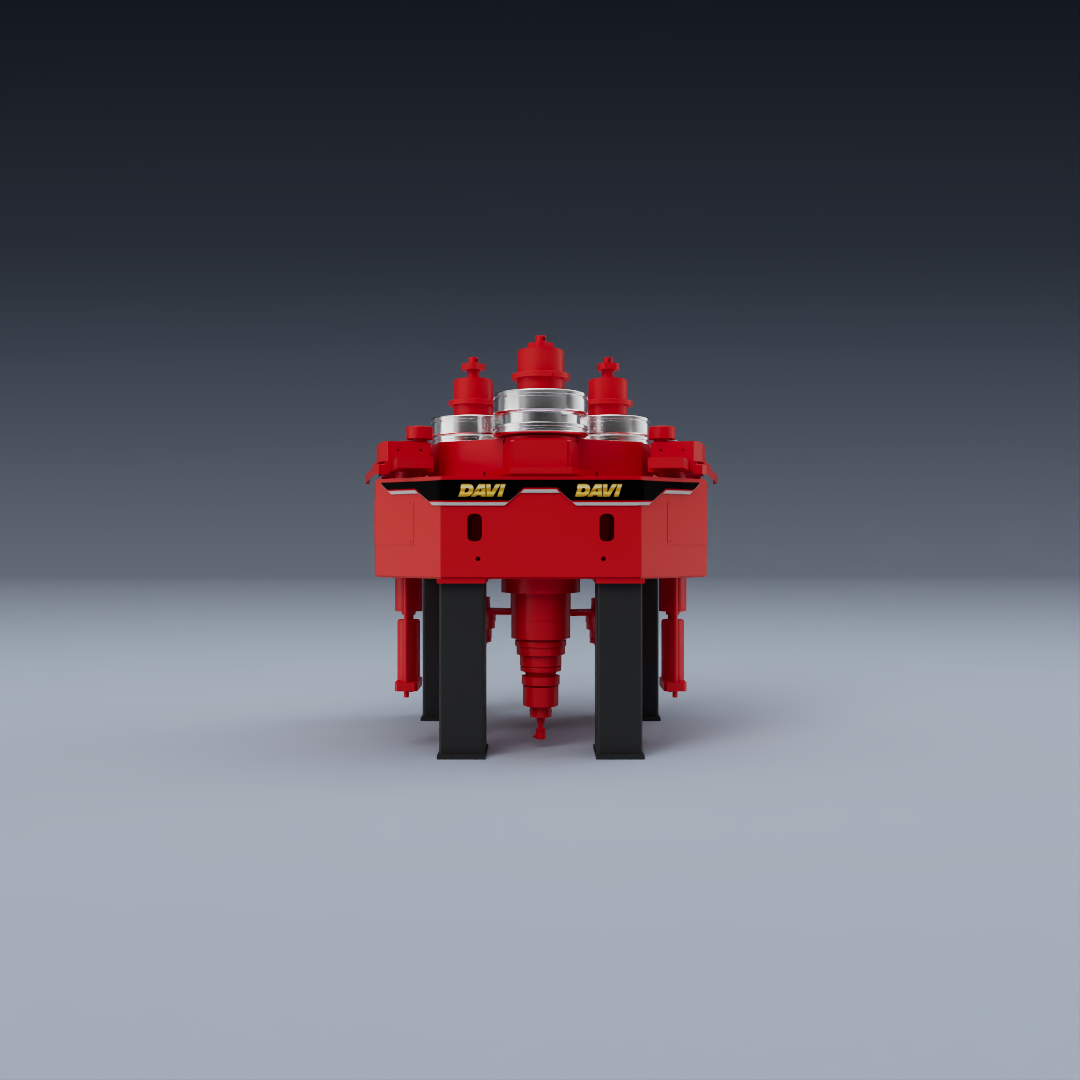
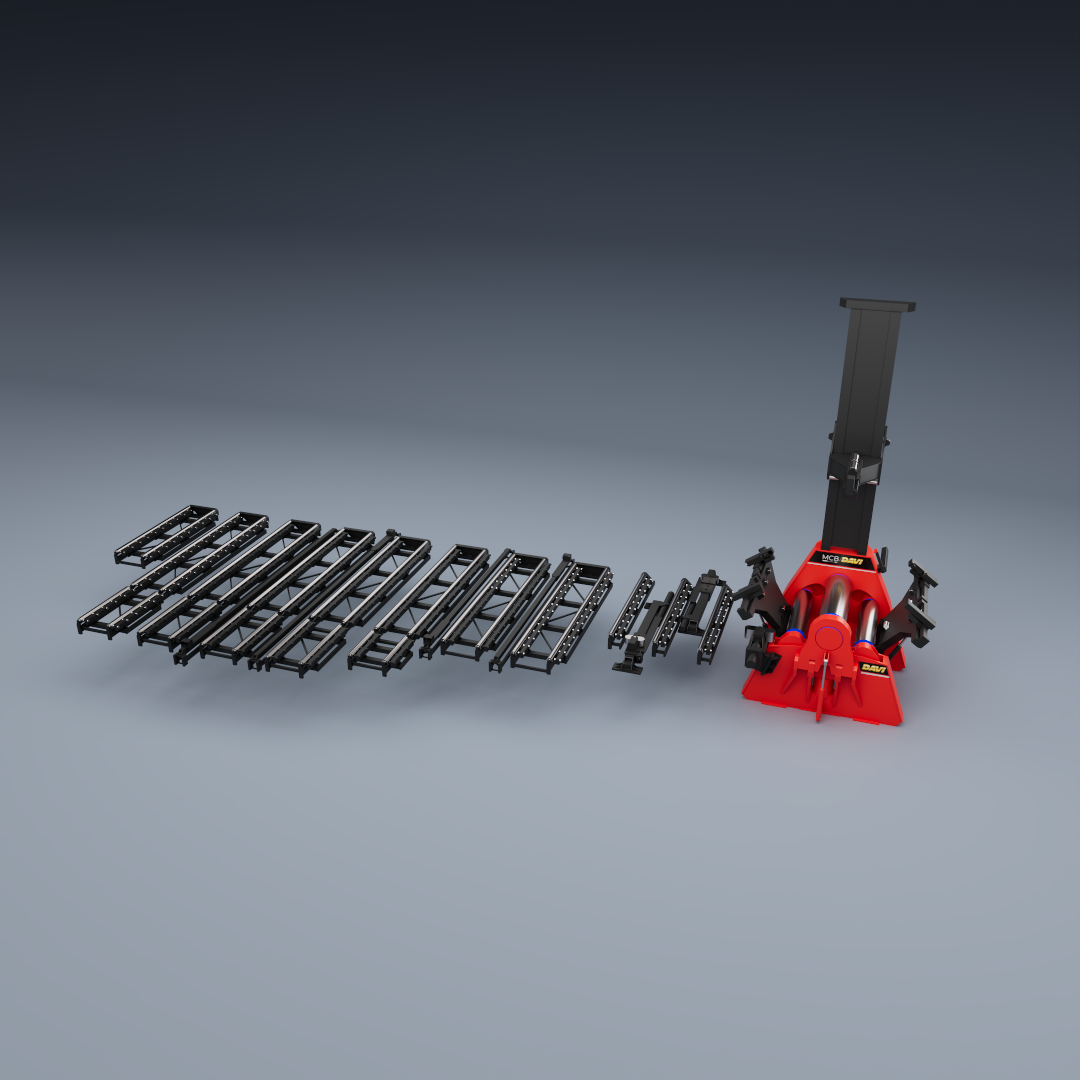
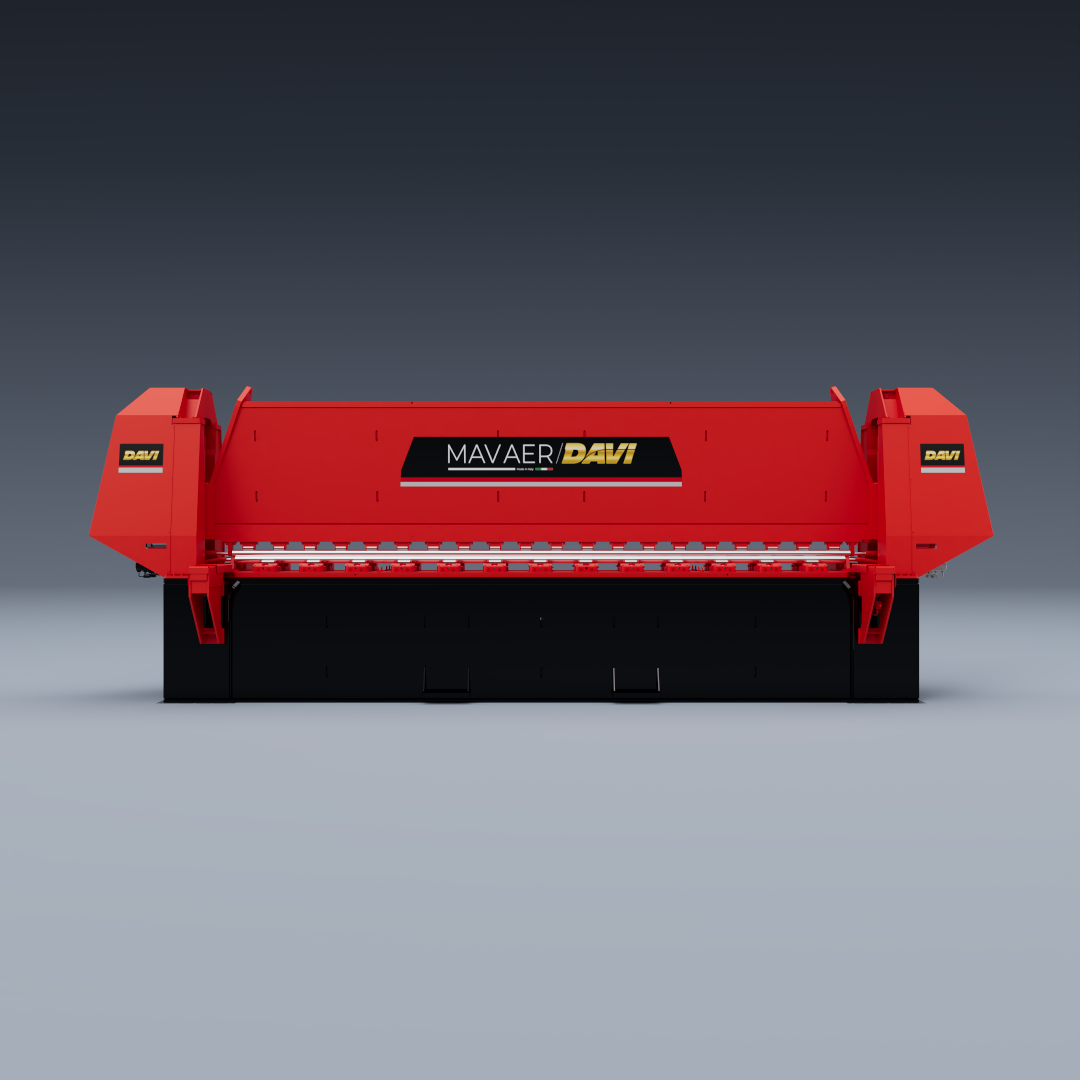
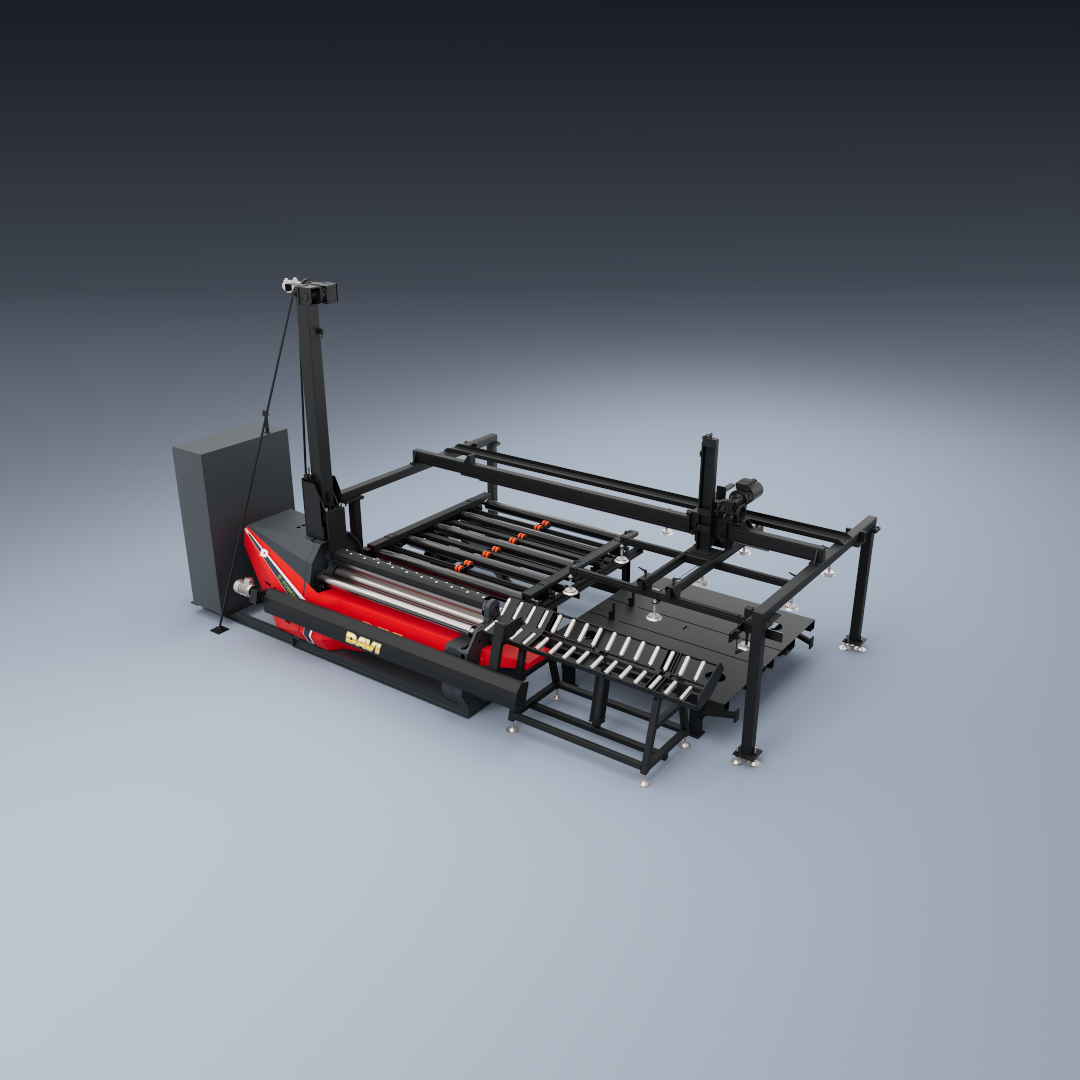
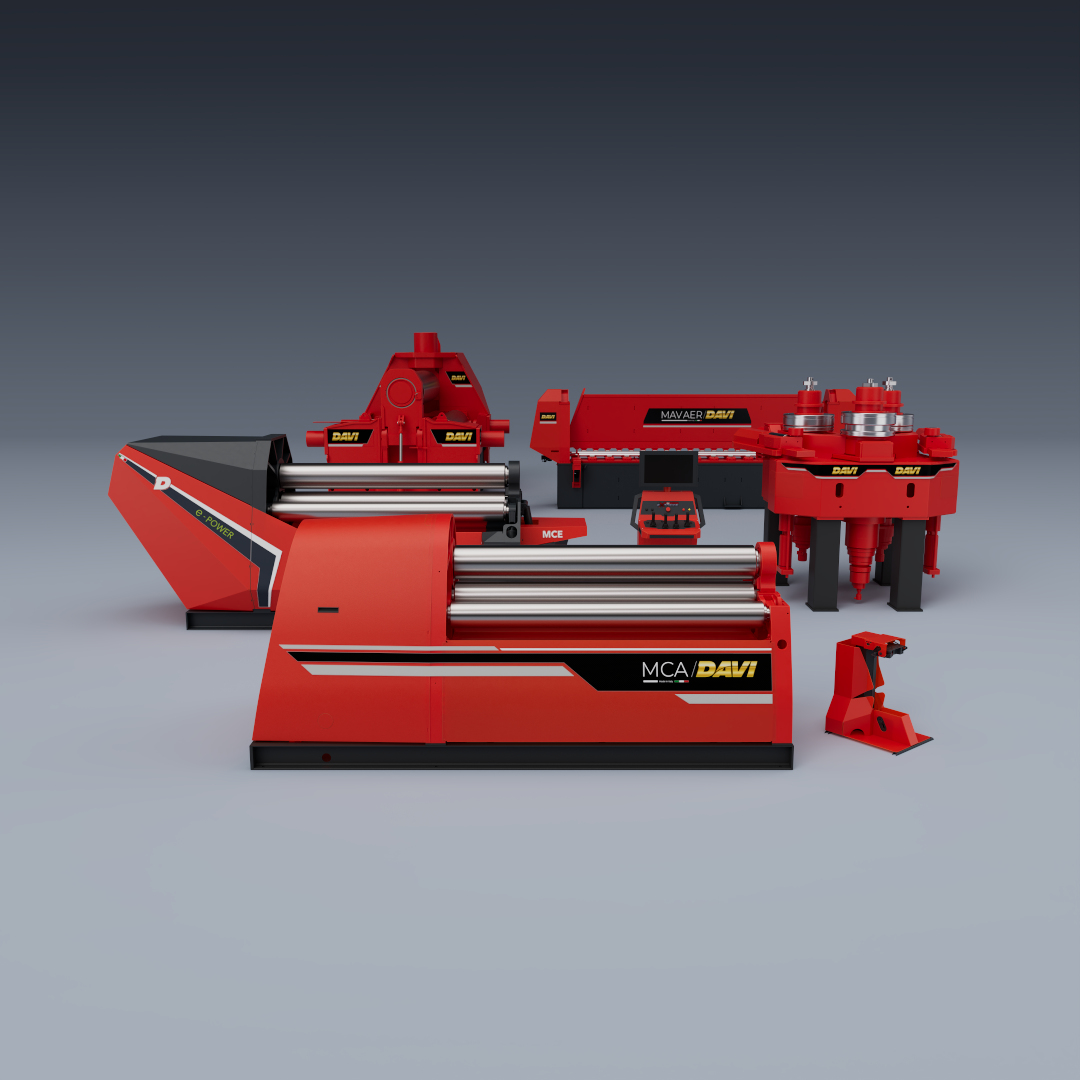
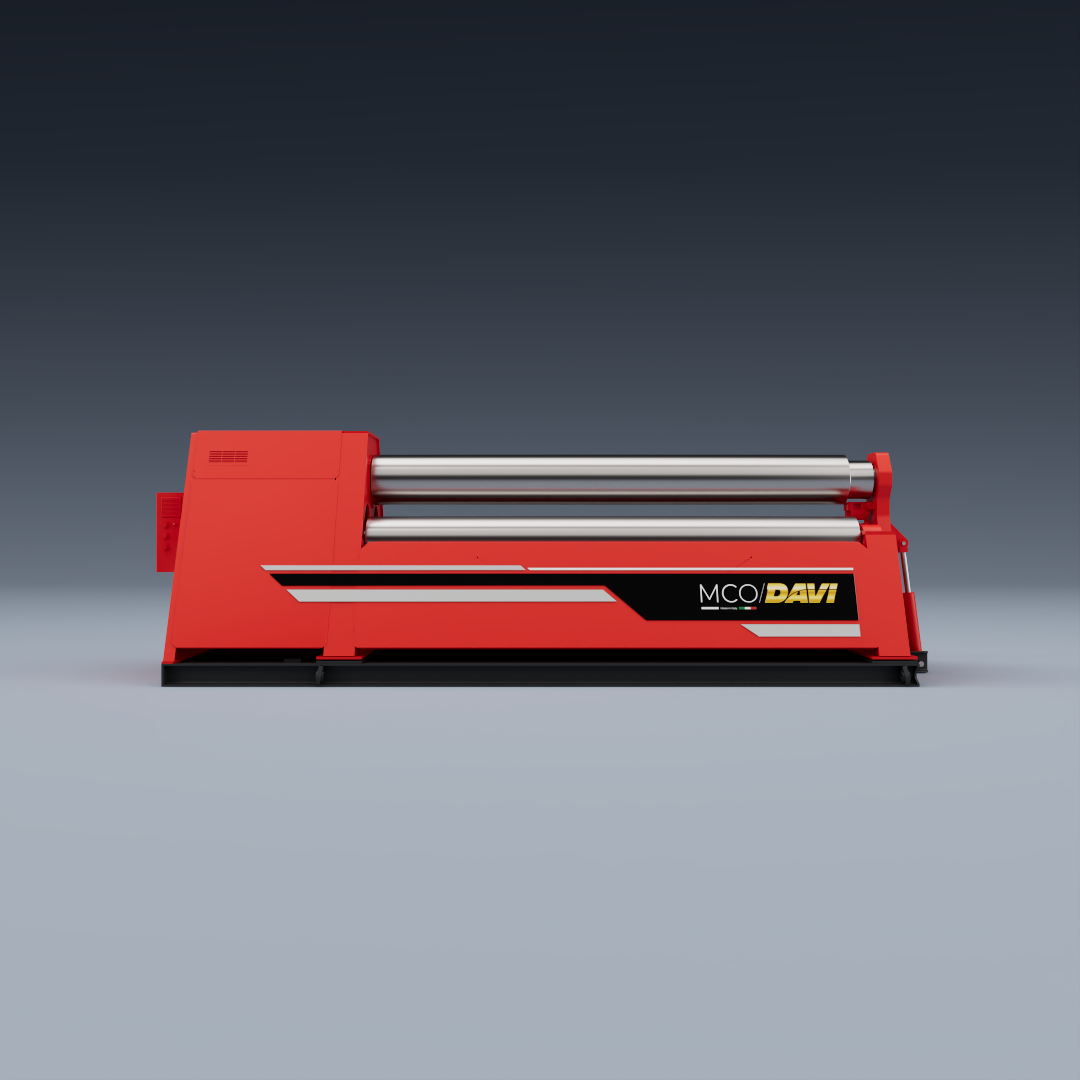
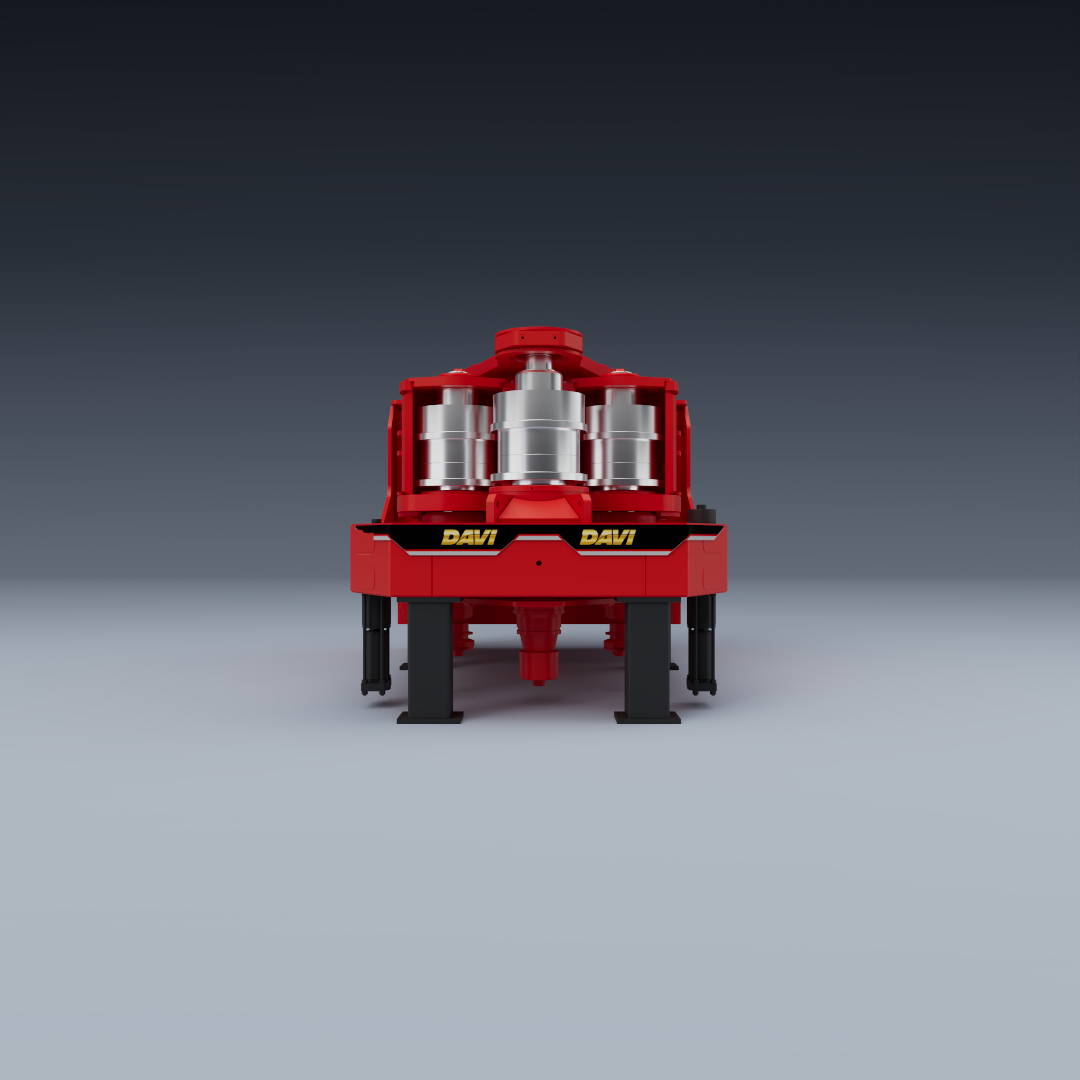
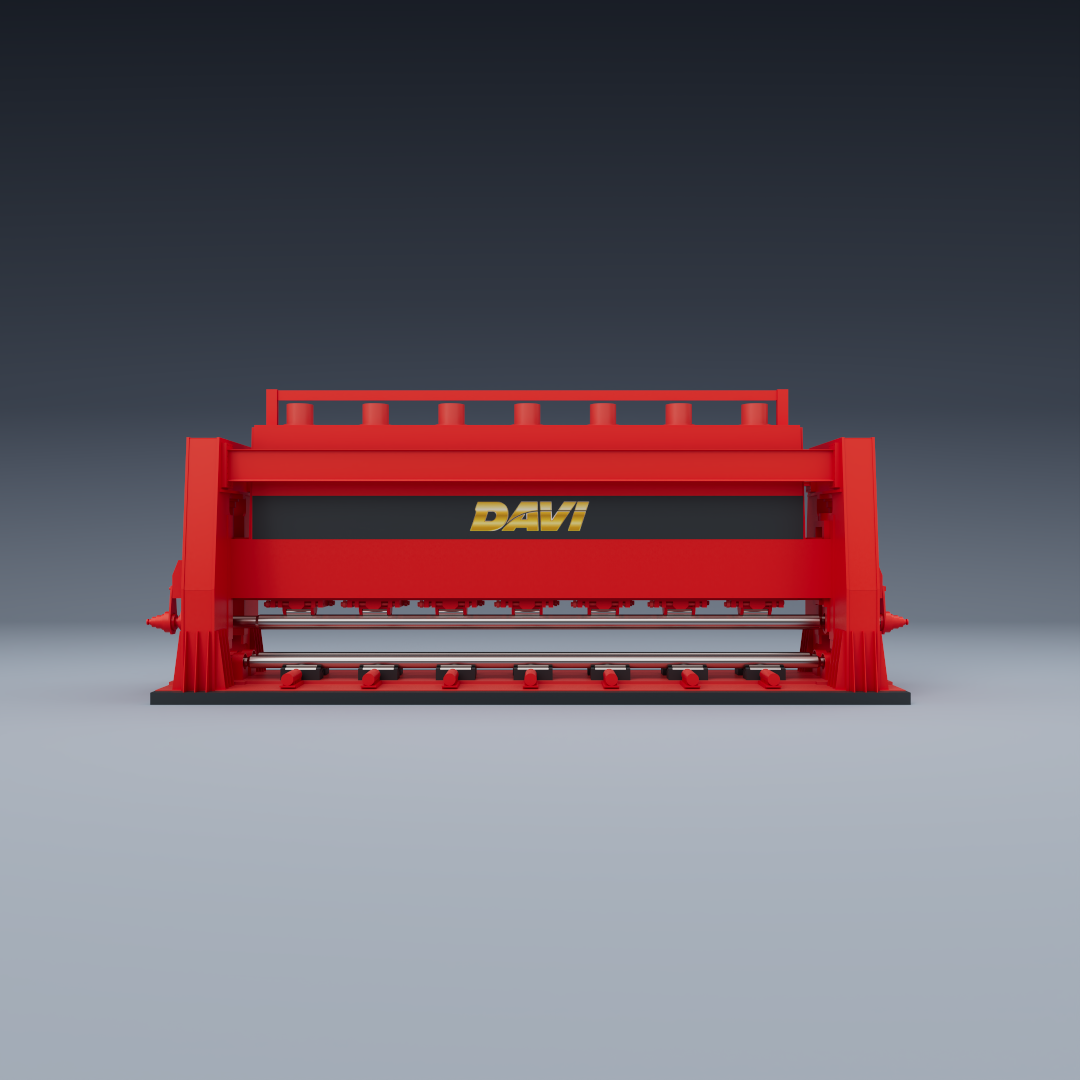
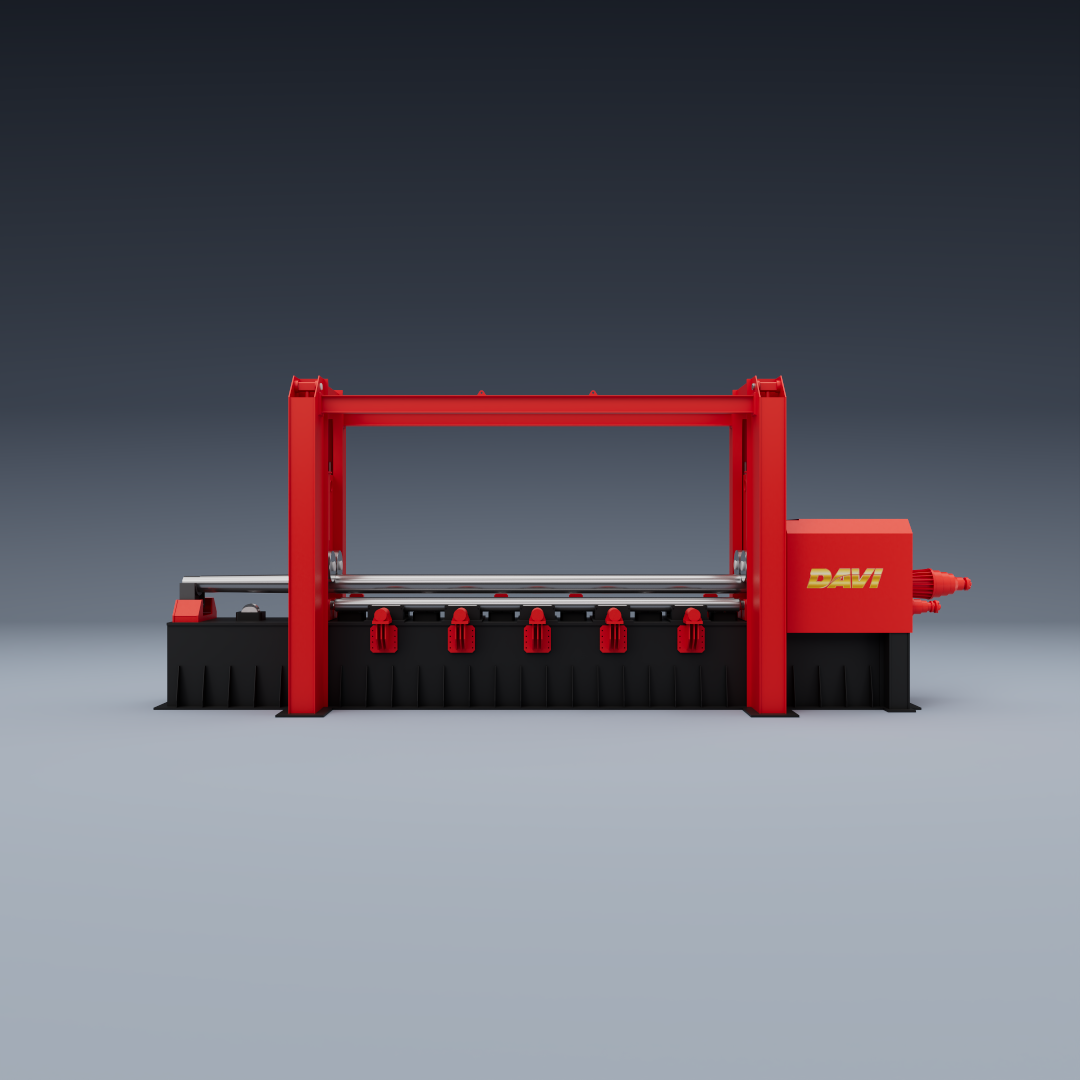
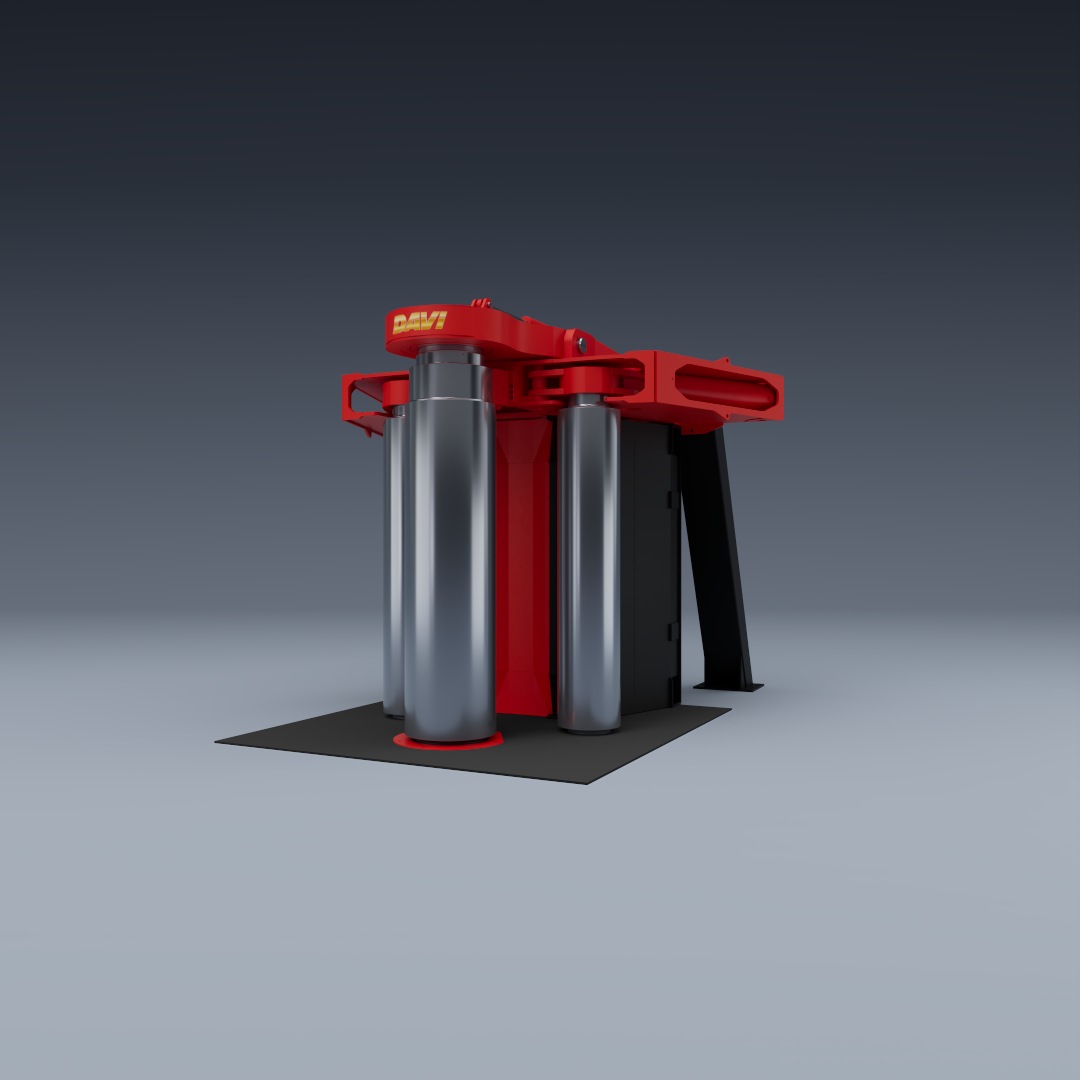
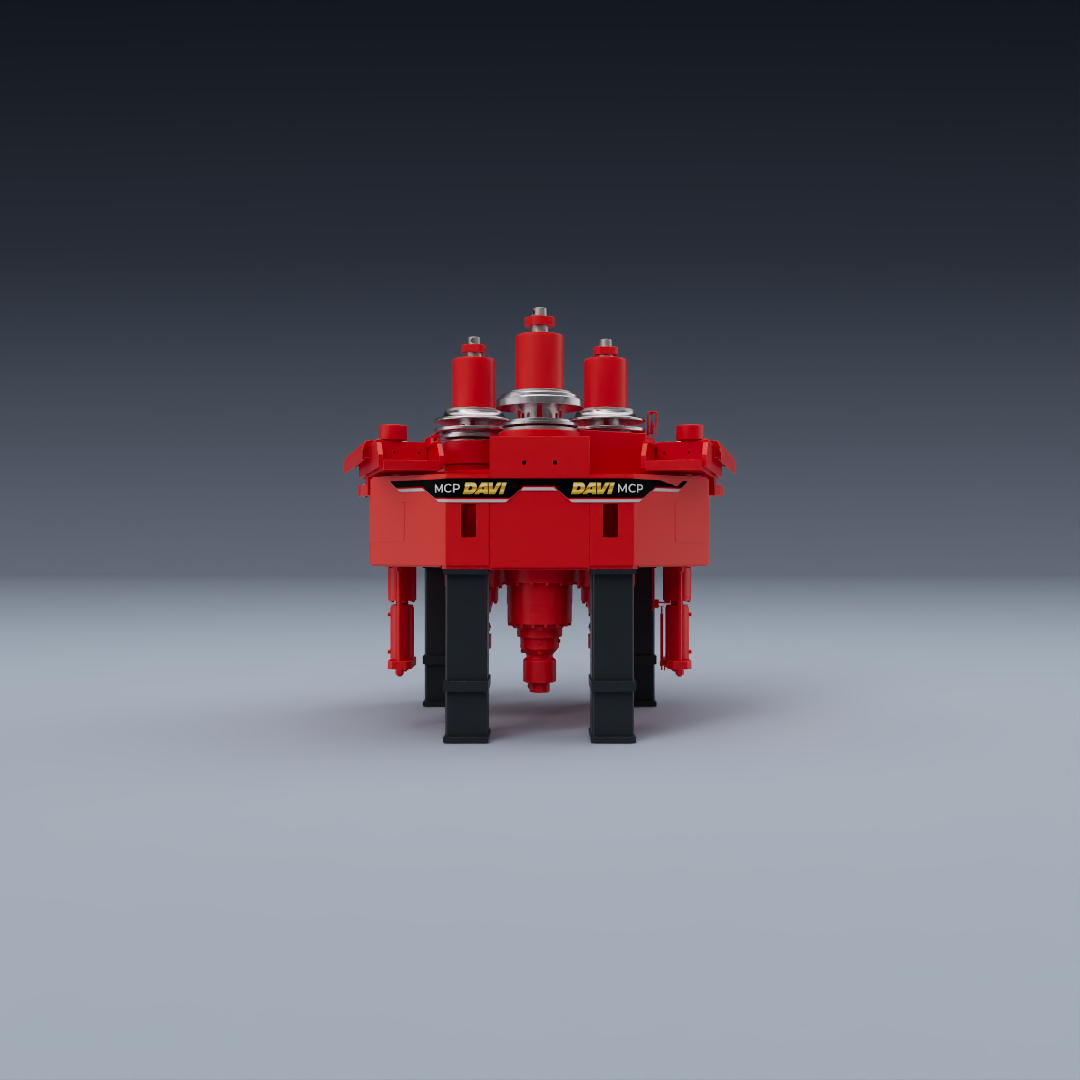
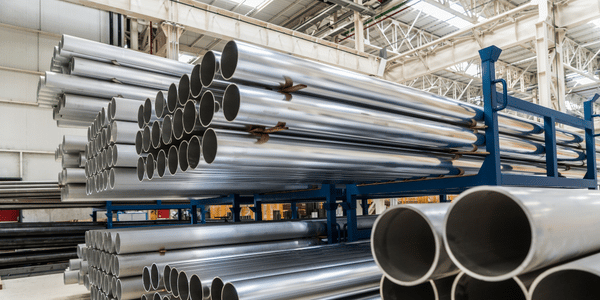
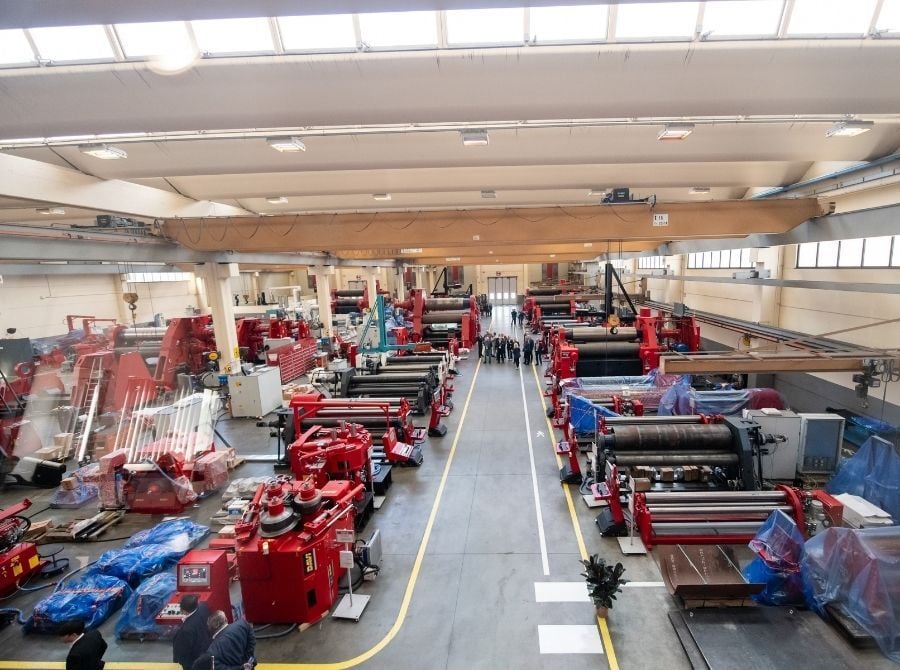
Metal fabricators often need to diversify their production from flat sheets to structural profiles, which requires choosing the right technology to adapt to varying market demands. While plate rolling utilizes wide cylinders to form flat sheet metal into cylinders or cones, angle rolling utilizes specialized, narrower driven shafts to bend structural shapes like beams, pipes, channels, or angles. This clear distinction helps job shops select the exact machinery needed to maximize shop versatility, expand their service portfolio, and capture new commercial opportunities. Davi builds dedicated lines for both applications, engineering systems that handle plates up to 400 mm (15.75 inches) thick and structural sections like beams up to 1,200 mm (47.24 inches) in height.
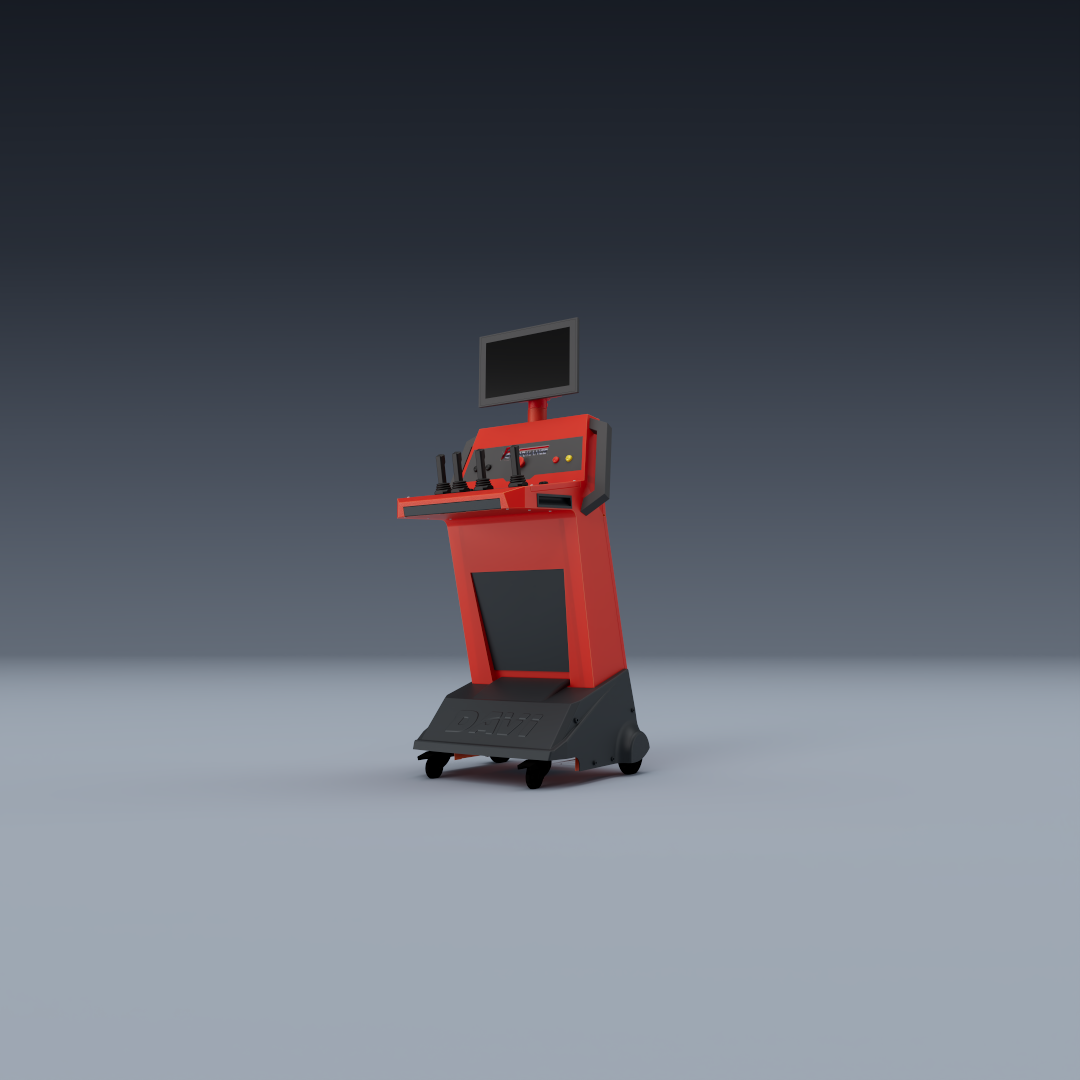
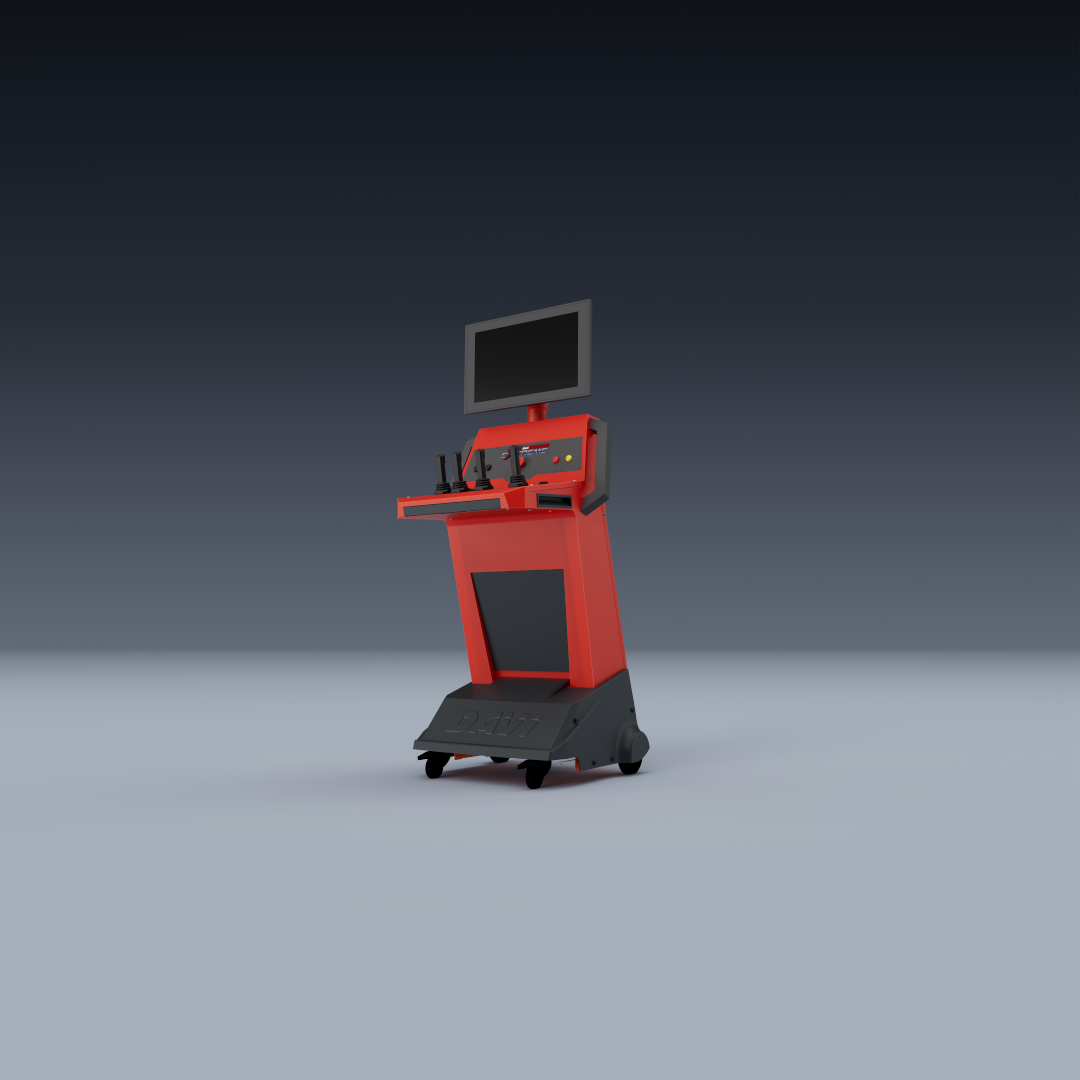
Davi offers two main industrial control platforms built on robust Windows 10 architecture and non-proprietary global electronics:
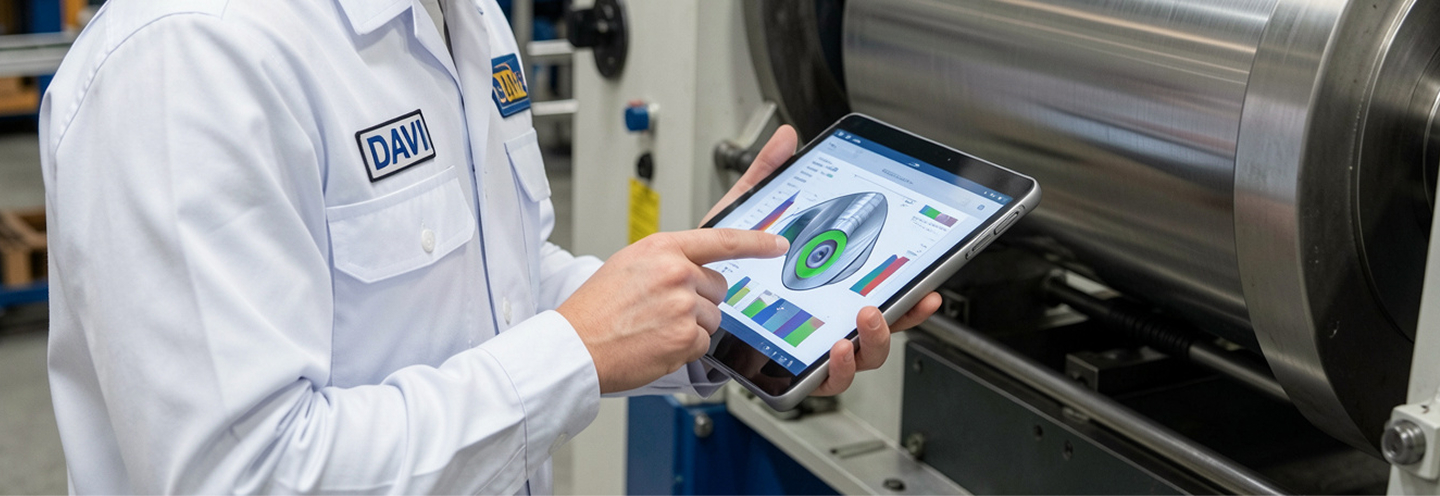
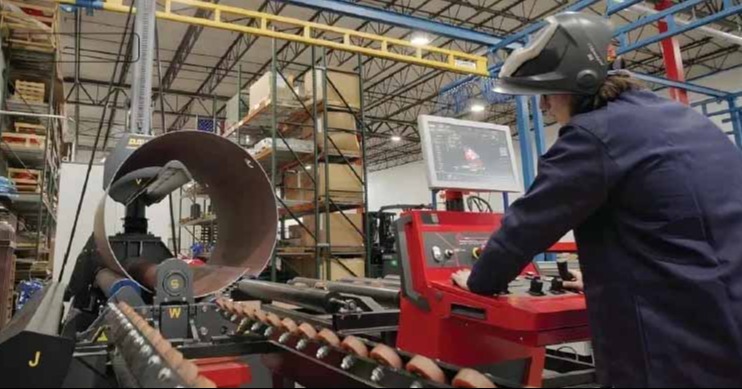
- iRoll Performance: Features an 18.5" industrial touchscreen with a smartphone-like 3D interface. It provides phase programming, single-radius template-aided programming, material manual input libraries, and standard TeamViewer remote diagnostic capabilities.
- iRoll eXtreme: Upgrades to a 21.5" touchscreen with live 3D rendering, 3D pre-production collision simulation, custom multi-radius arc drawing, and multi-pass wizard automation. It includes the ASME-compliant "Apple-Shape" calculator for re-rolling calibration, material self-learning algorithms, Failure Free Machine (FFM) diagnostic monitoring, and seamless integration with AI-Vision laser systems and OPC-UA plant MES networks.