







Pre-bending
Technical FAQ
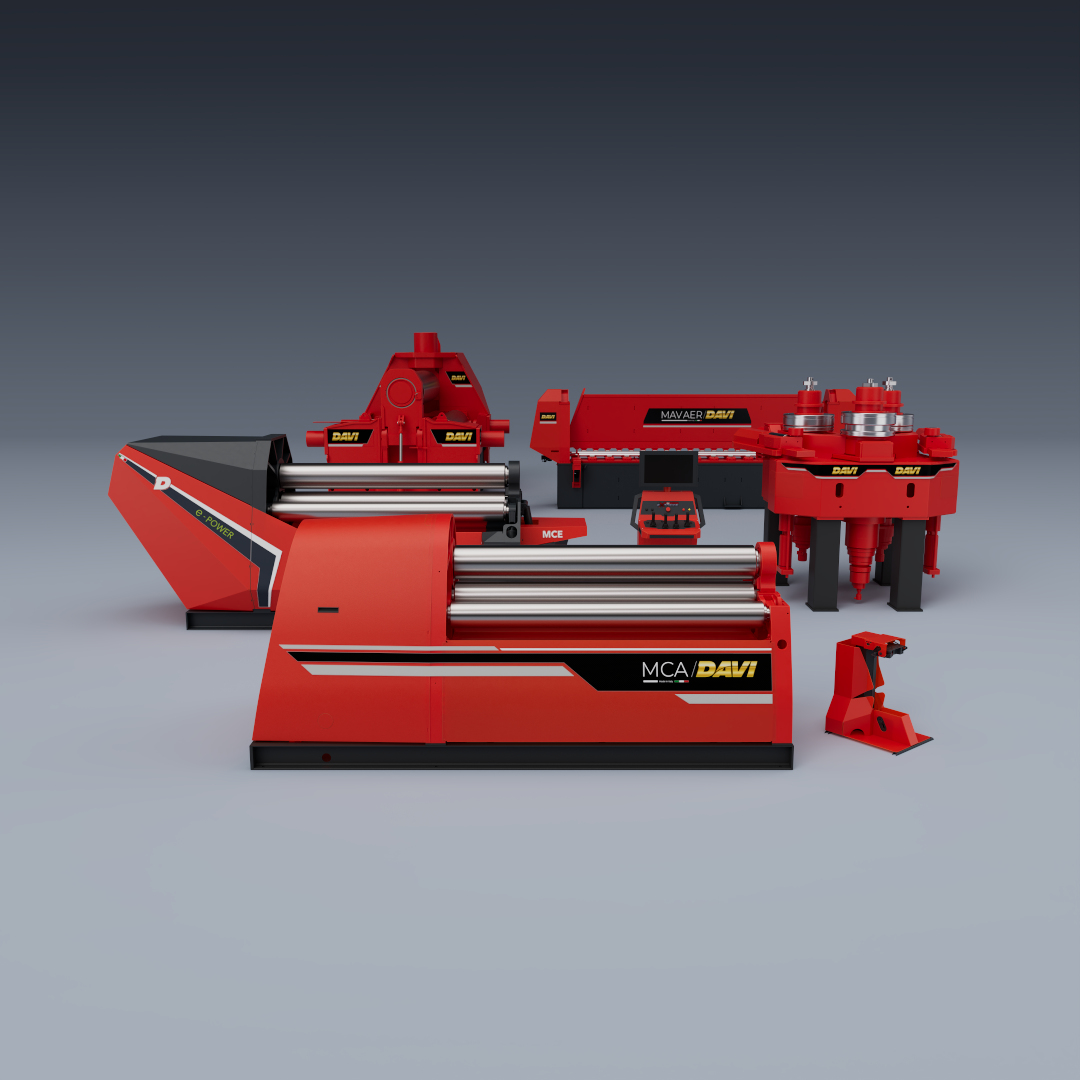
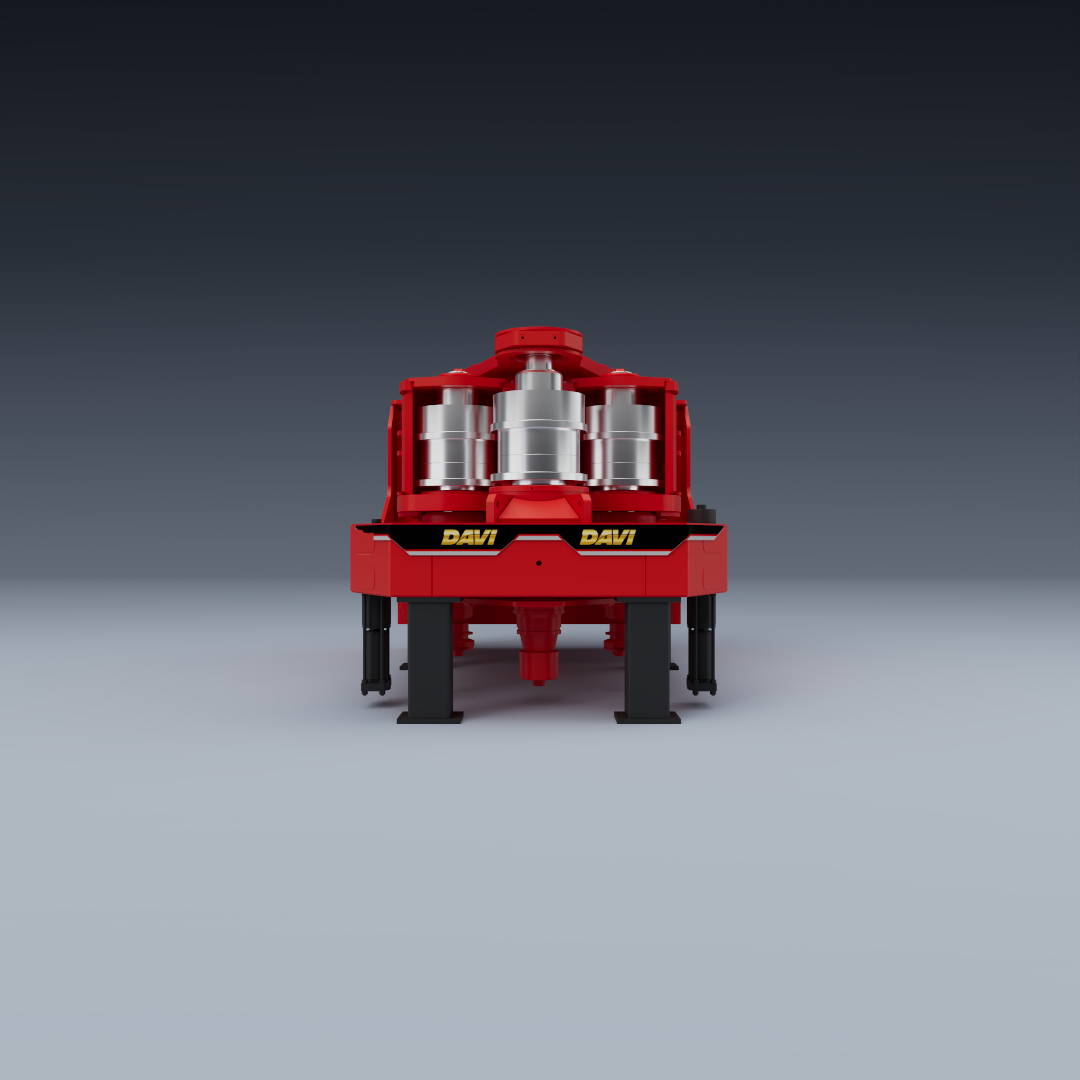
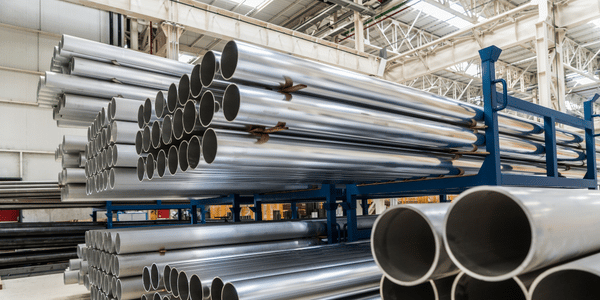
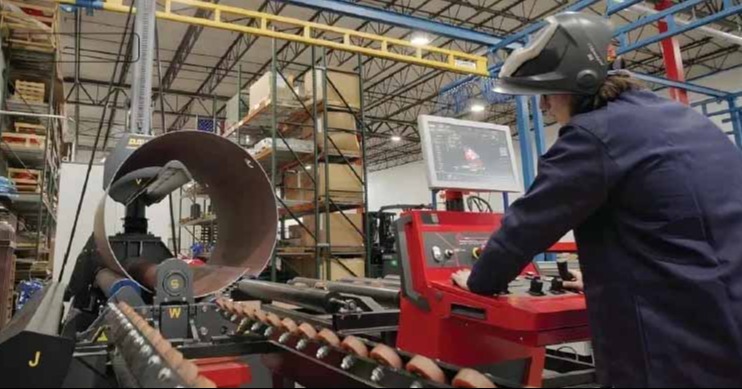
Metal fabricators often need to diversify their production from flat sheets to structural profiles, which requires choosing the right technology to adapt to varying market demands. While plate rolling utilizes wide cylinders to form flat sheet metal into cylinders or cones, angle rolling utilizes specialized, narrower driven shafts to bend structural shapes like beams, pipes, channels, or angles. This clear distinction helps job shops select the exact machinery needed to maximize shop versatility, expand their service portfolio, and capture new commercial opportunities. Davi builds dedicated lines for both applications, engineering systems that handle plates up to 400 mm (15.75 inches) thick and structural sections like beams up to 1,200 mm (47.24 inches) in height.
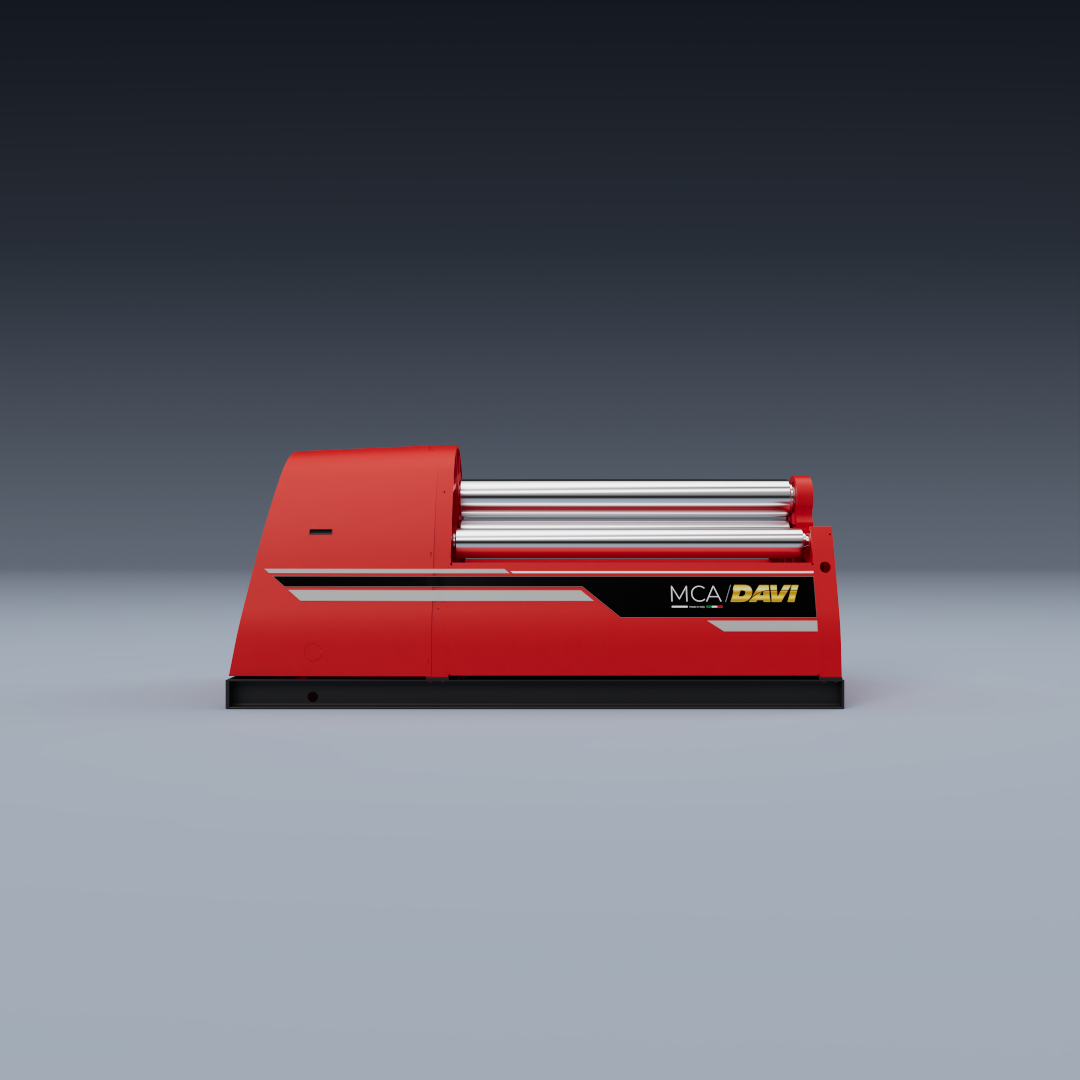
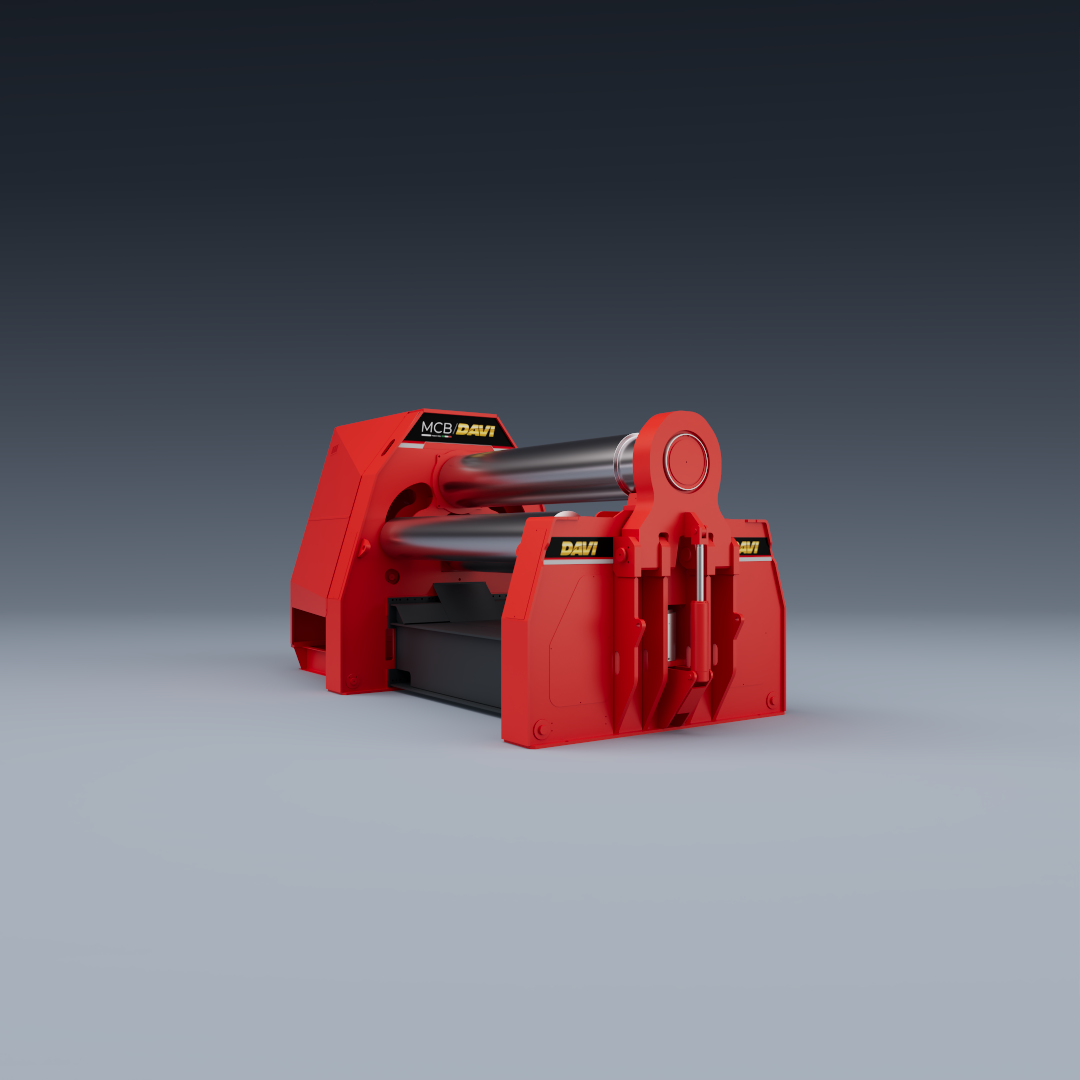
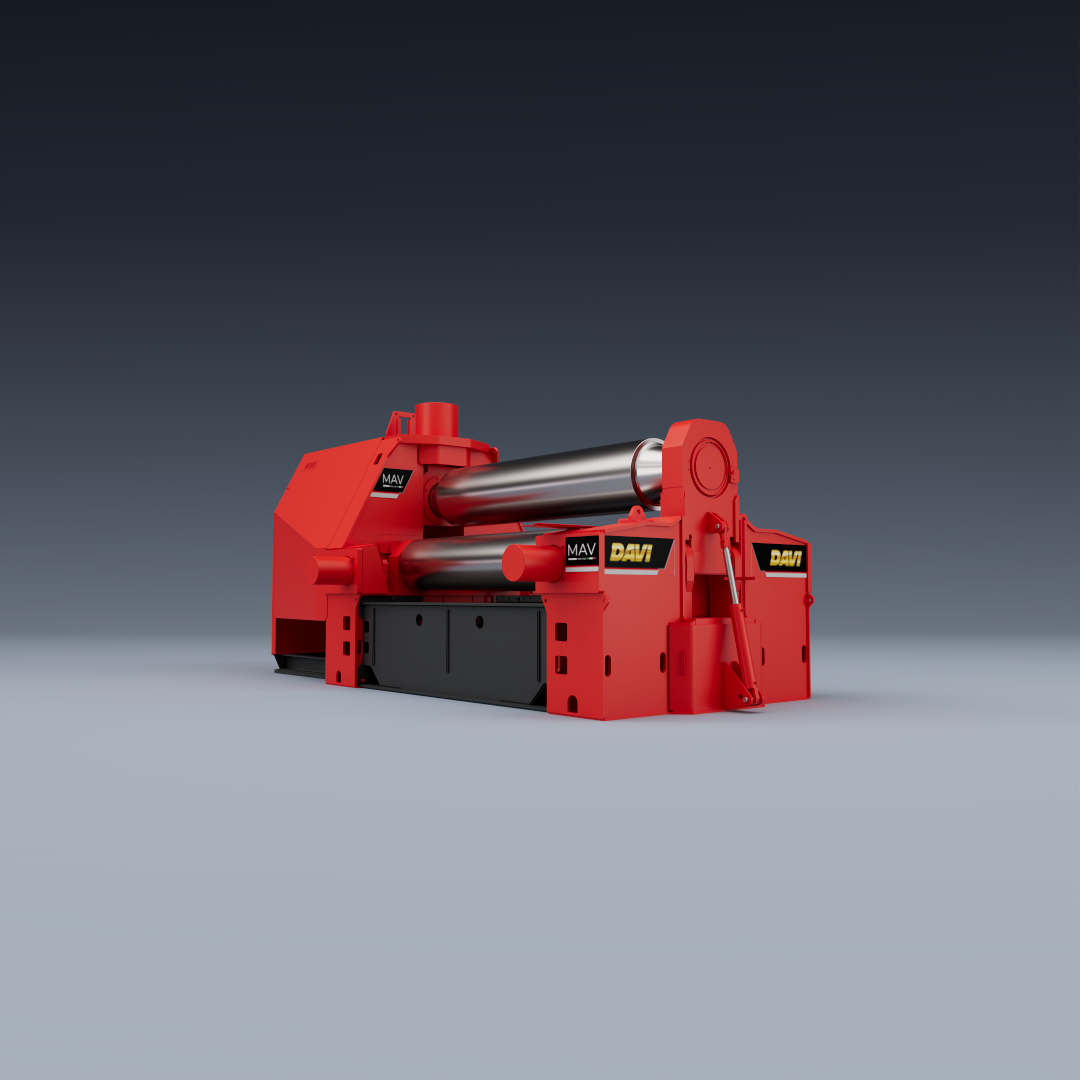
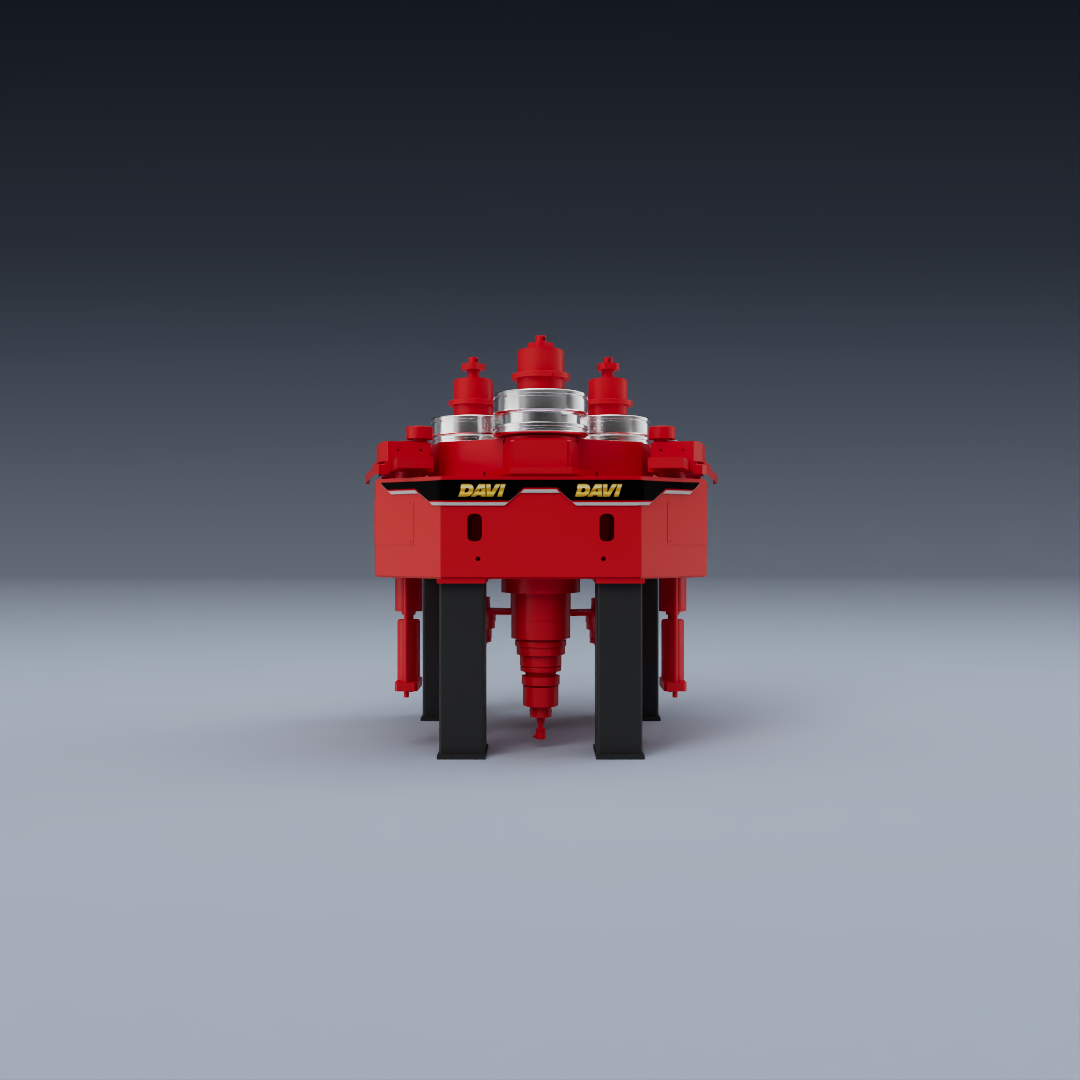
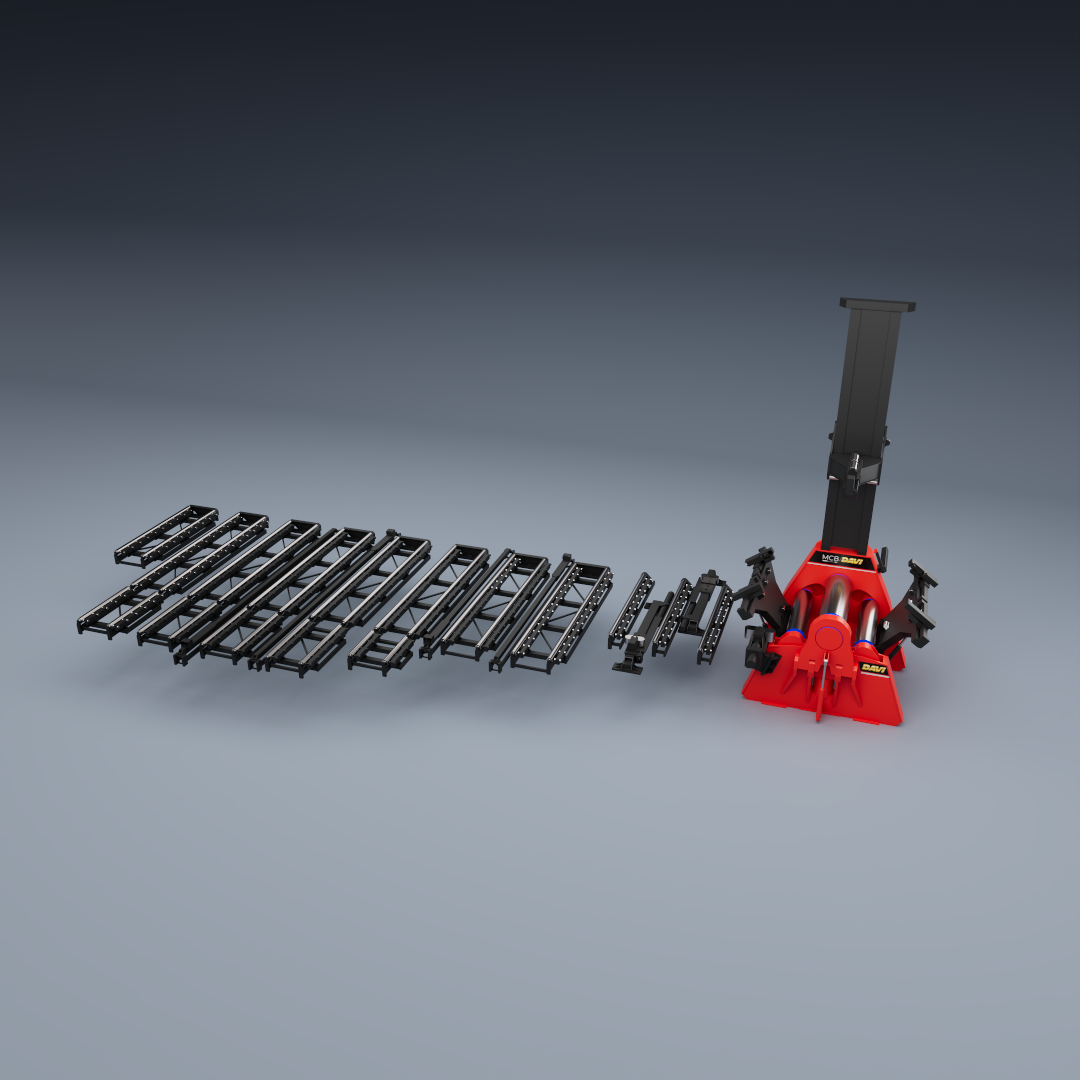
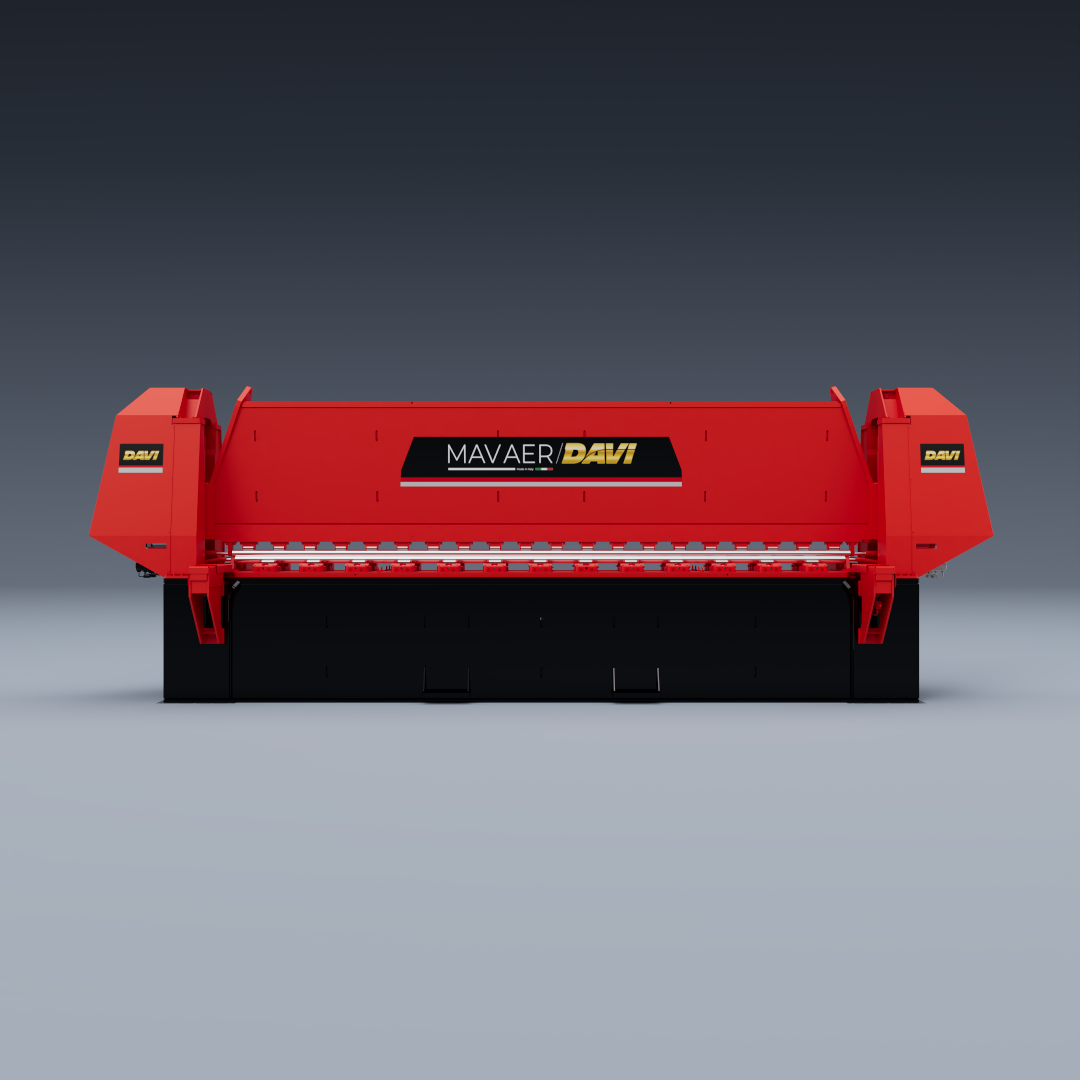
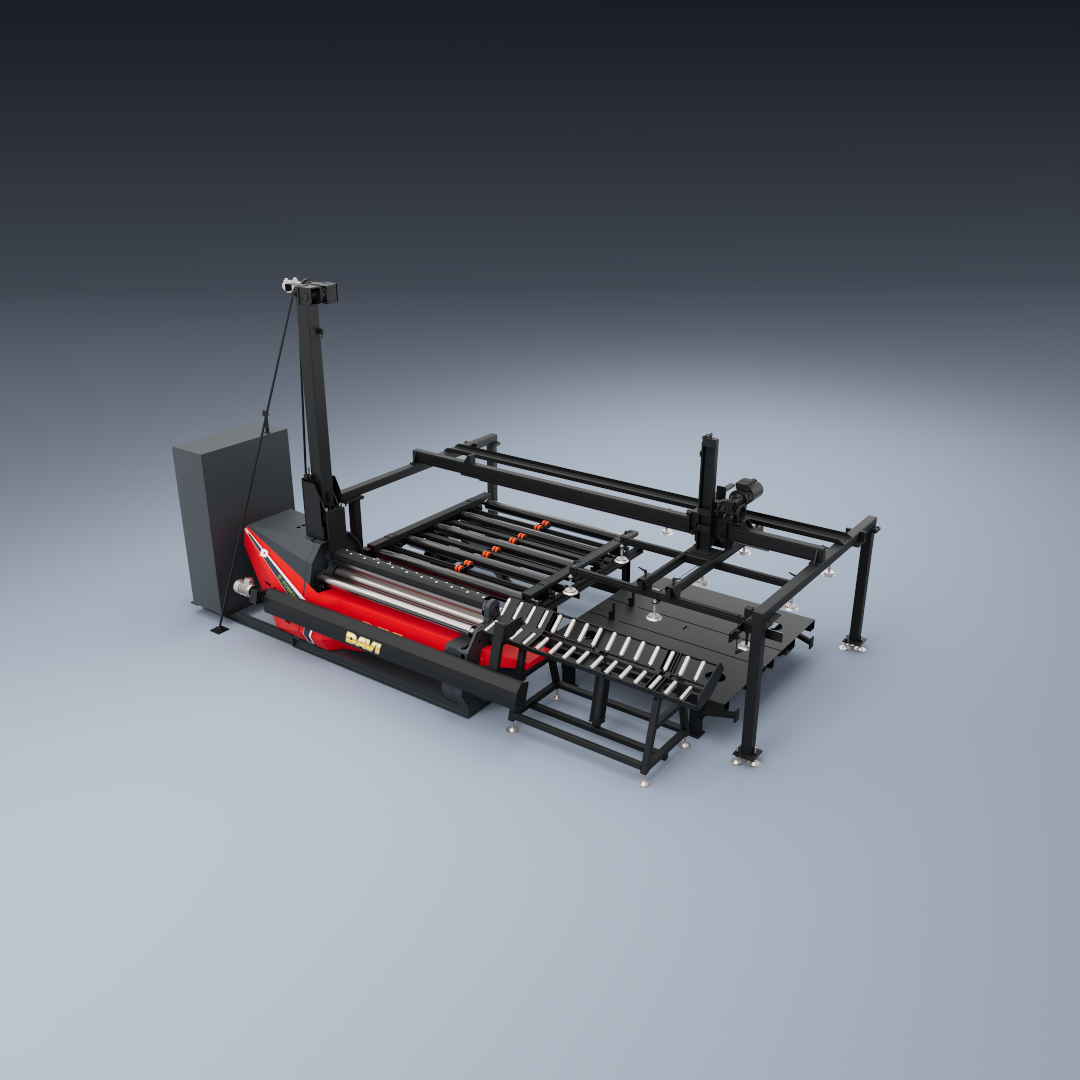
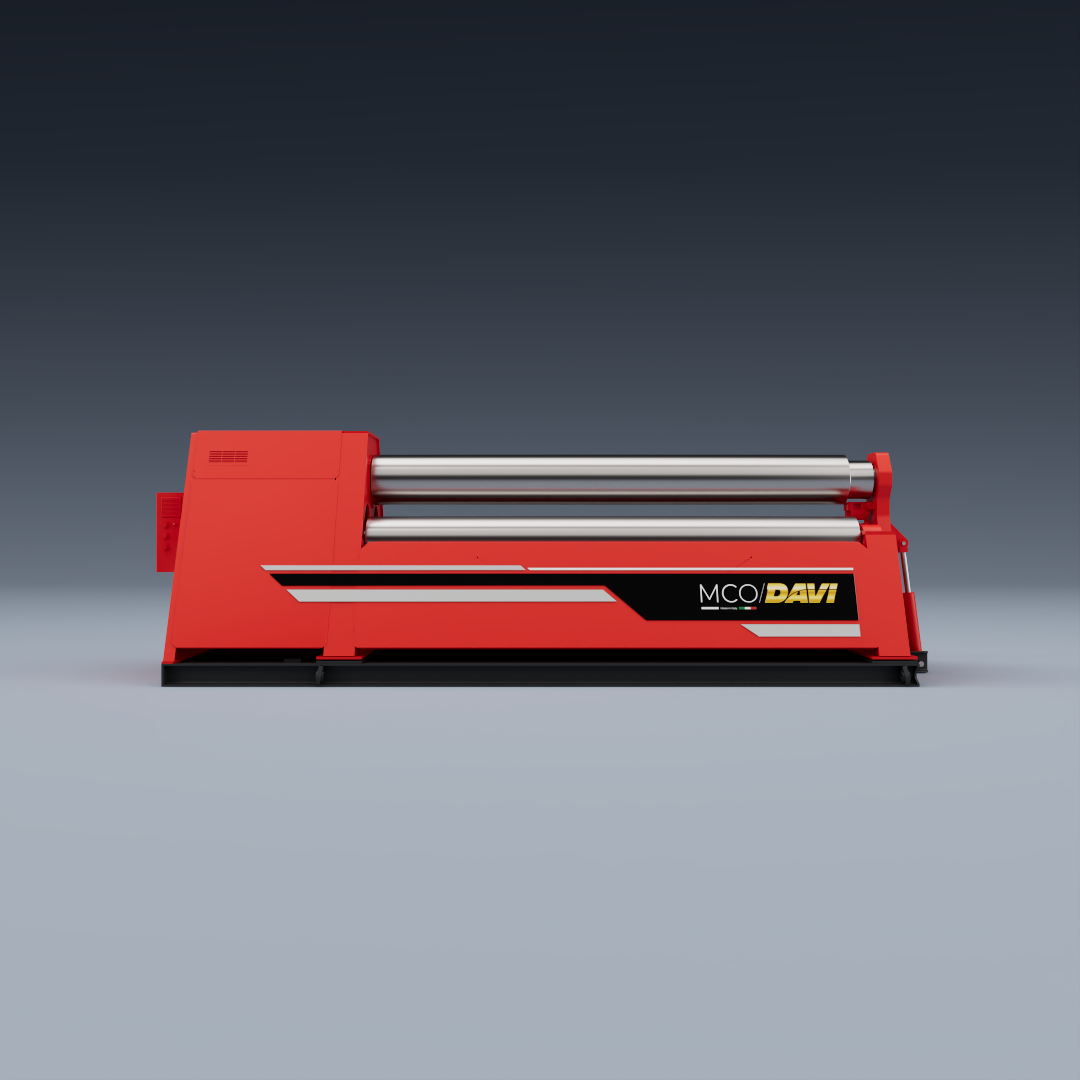
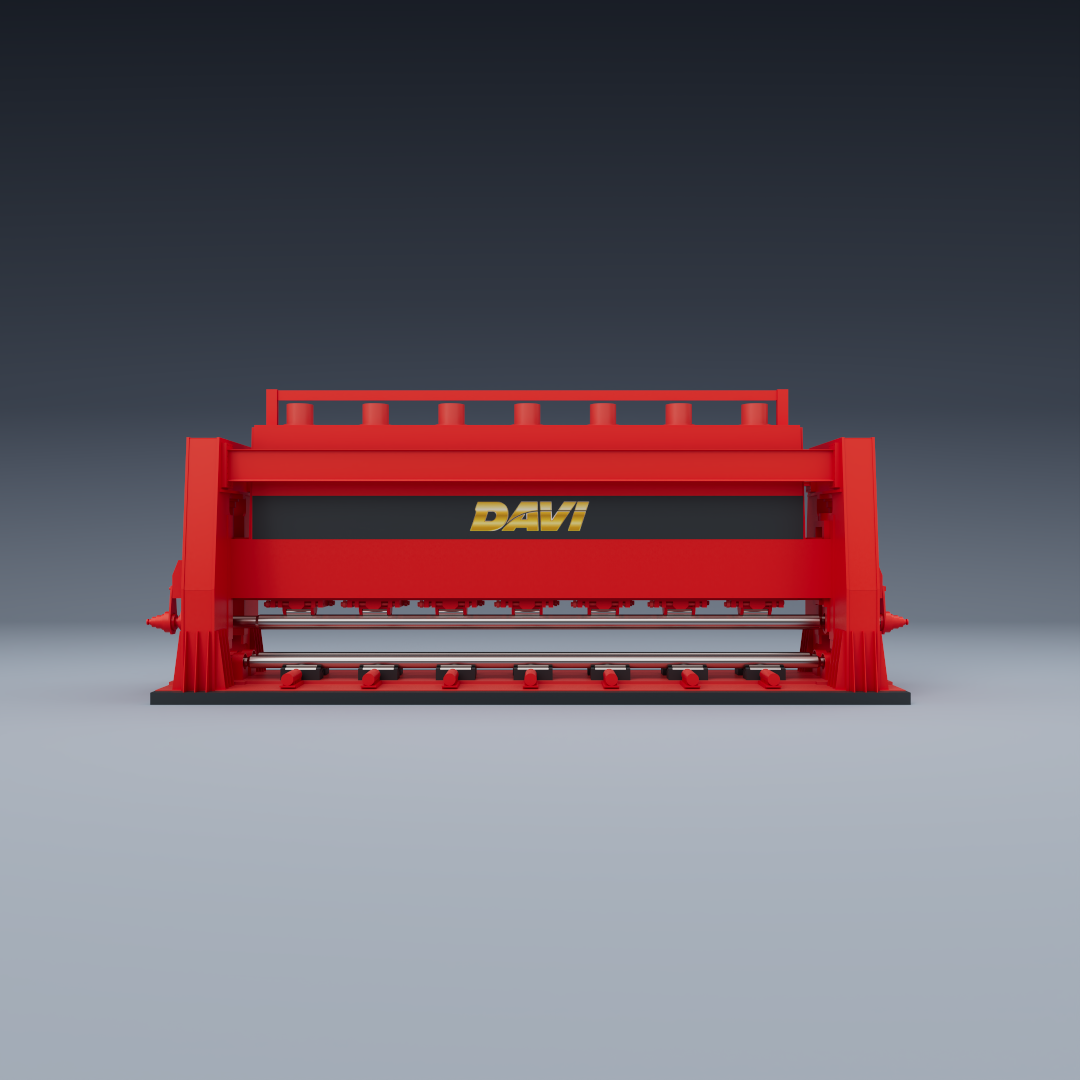
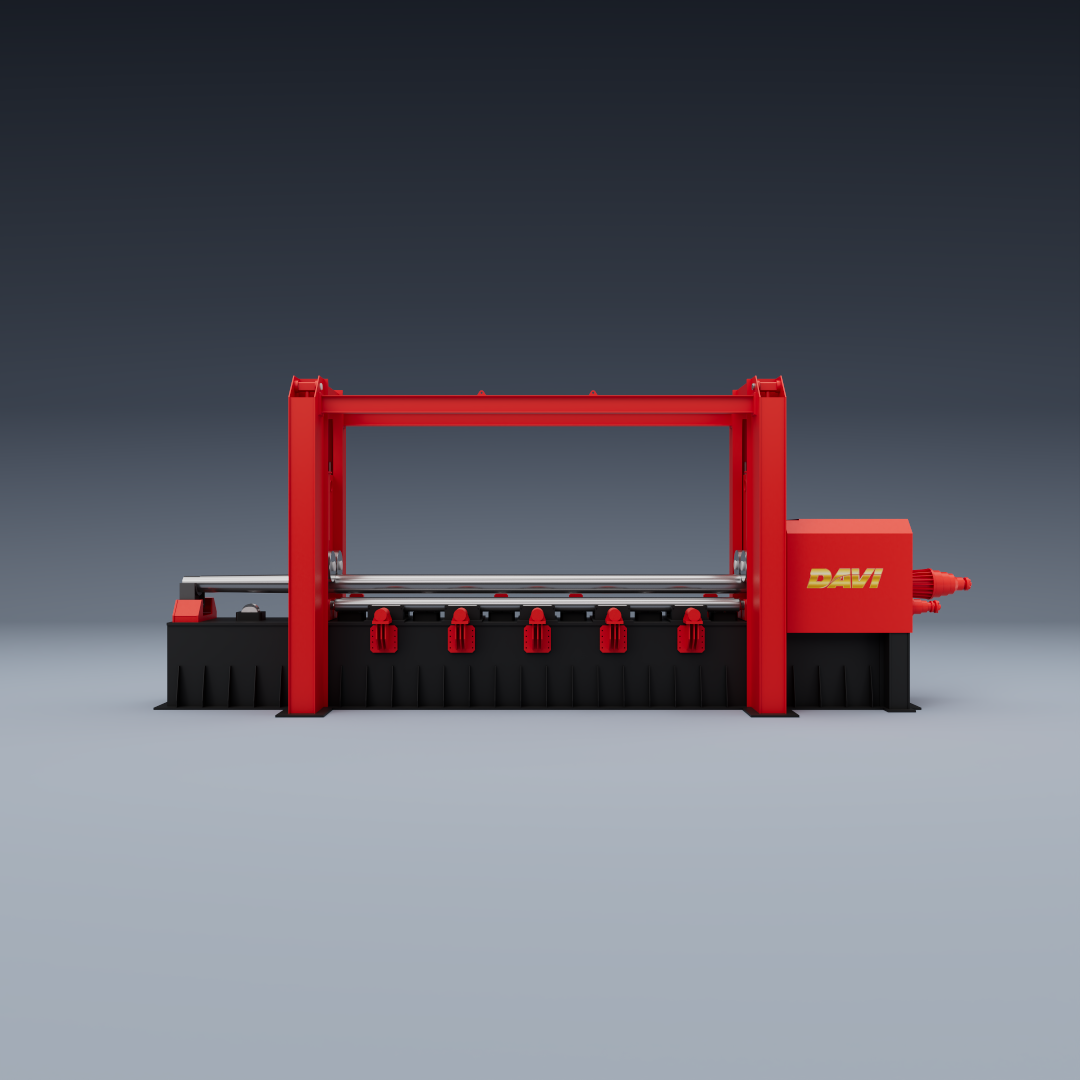
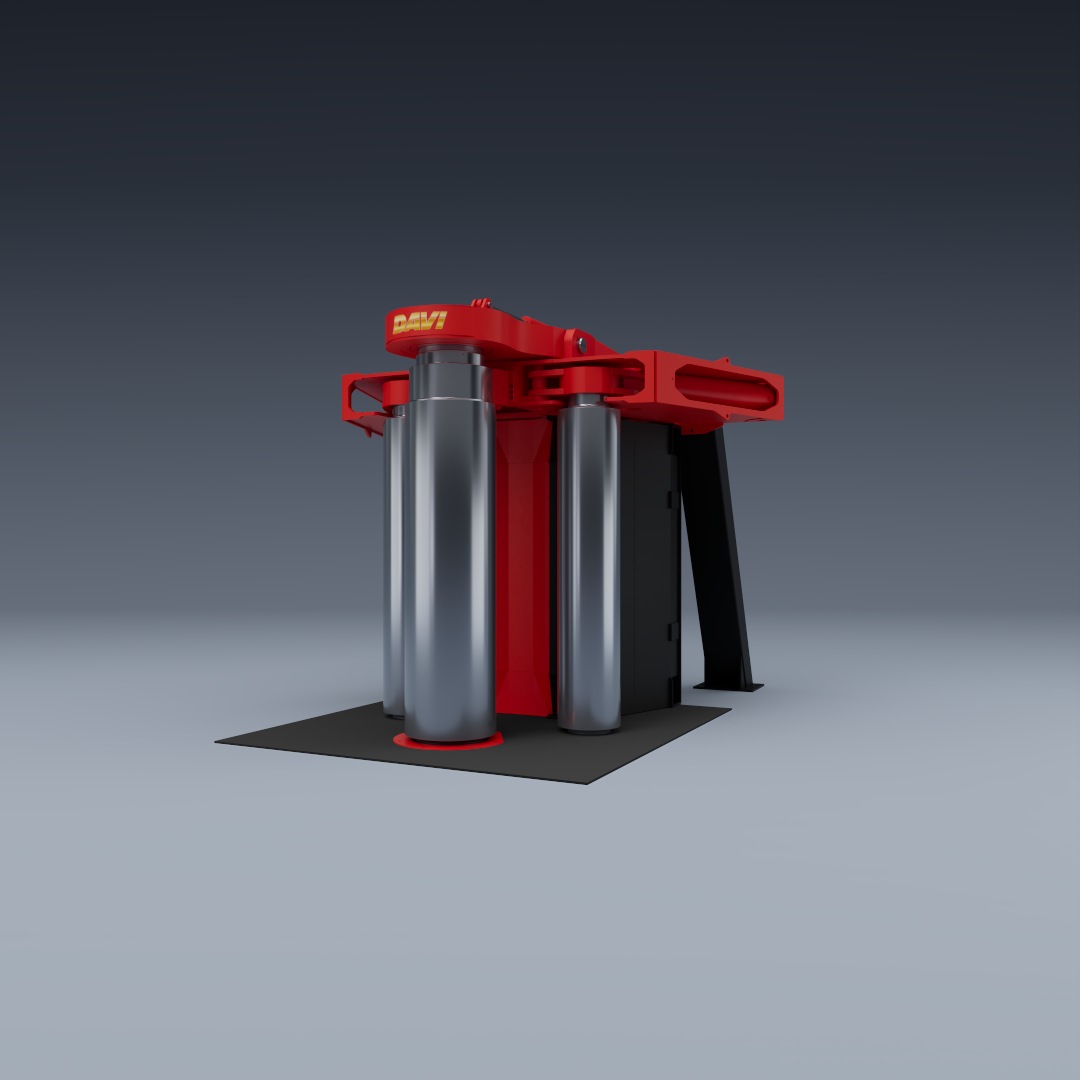
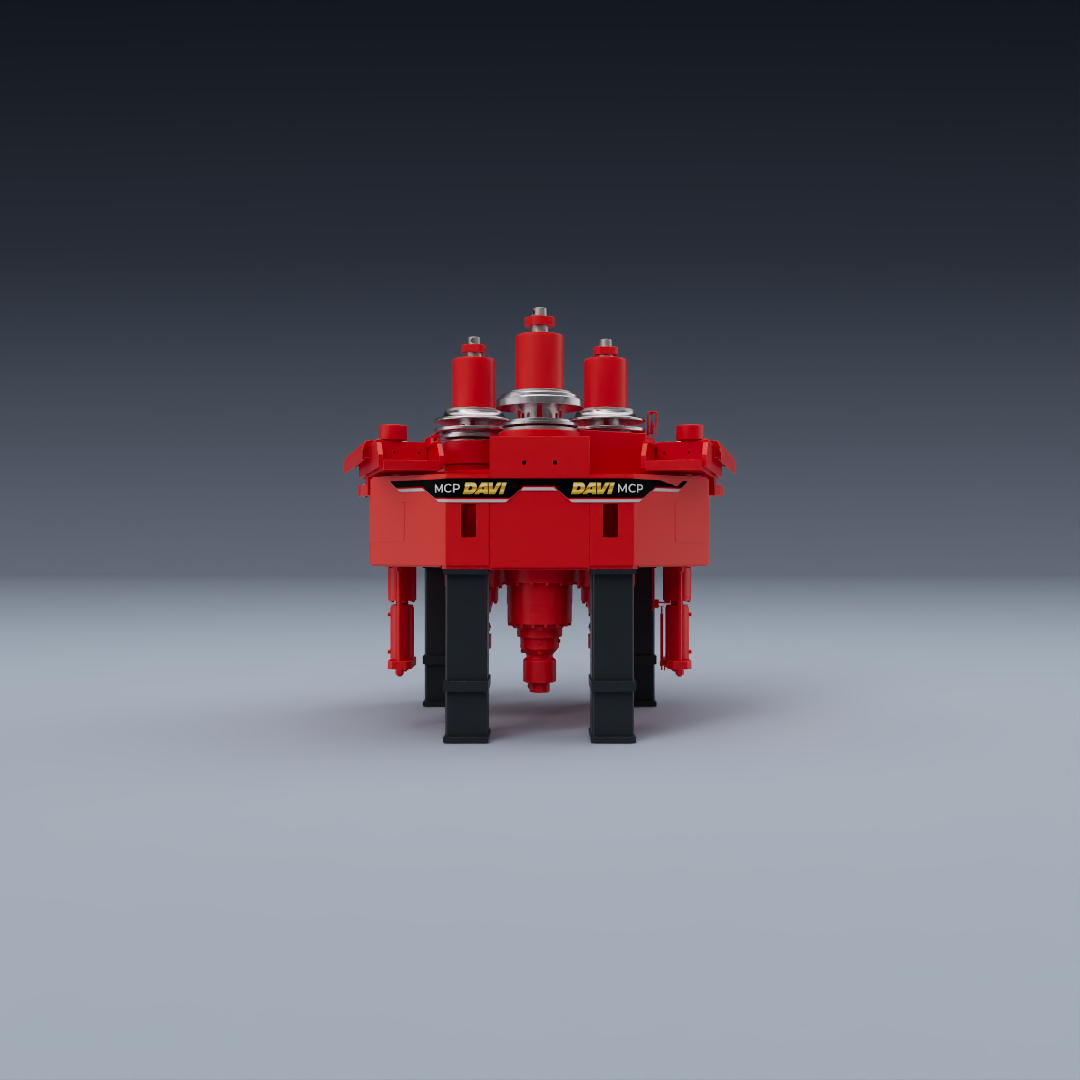
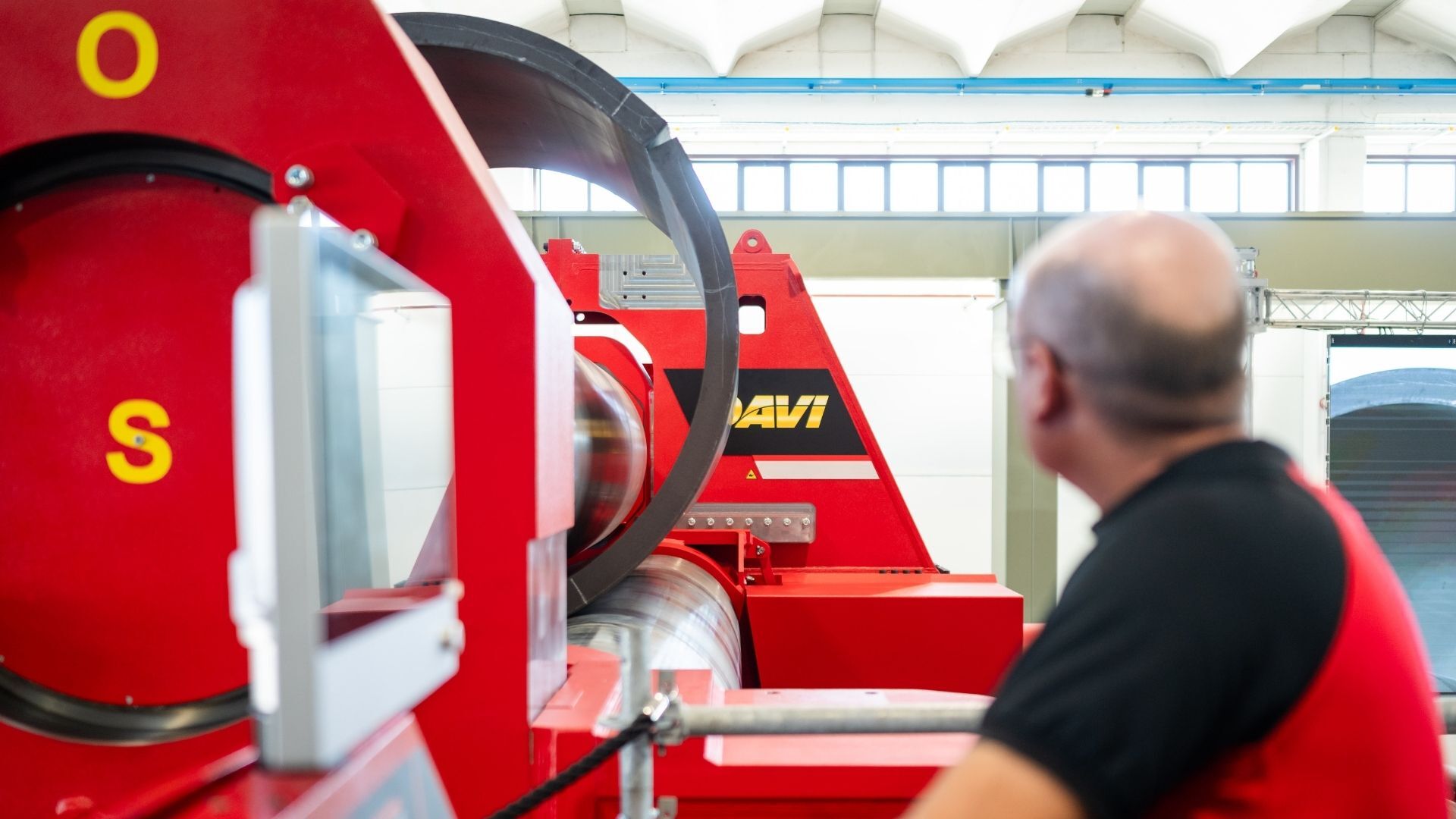
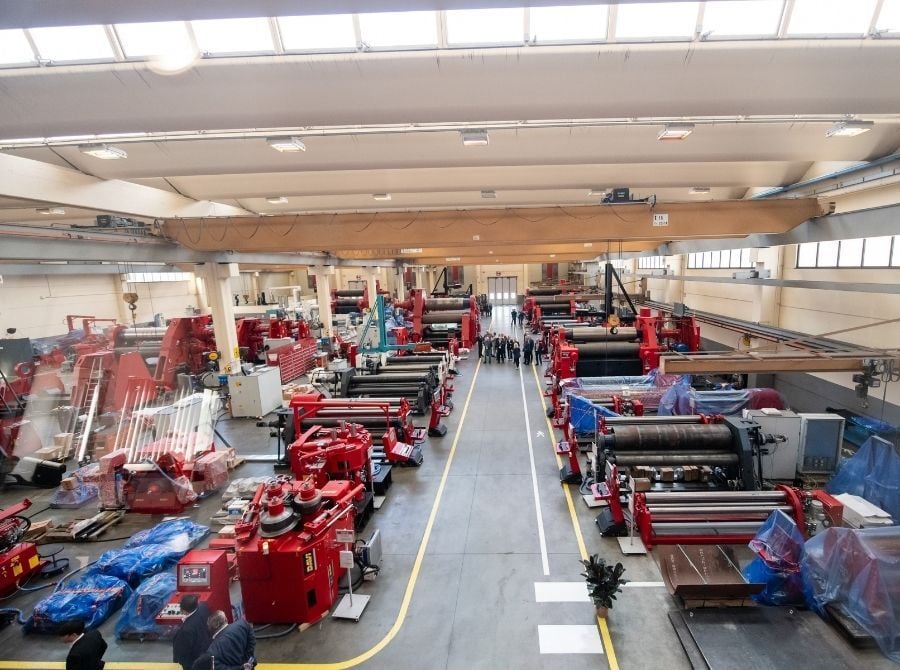
Pre-bending capacity is defined by the machine's ability to yield the edge of a flat plate to the target radius before continuous rolling begins. Because pre-bending relies on a short leverage arm between the pinch rolls and the bending roll, it demands significantly higher hydraulic or electrical force than continuous rolling. On Davi 4-roll machines (such as the MCA and MCB series), optimal plate clamping by the bottom roll enables pre-bending down to tight internal diameters—reaching 1.1 times the top roll diameter. On 3-roll variable-axis machines like the MAV series, side rolls feature eccentric flat gearboxes ("minimum gauge") that allow side rolls to move extremely close to the top roll axis, minimizing the unbent flat end and maximizing leverage efficiency during high-yield plate pre-bending.