






Glossary
1 MIN READ
Planetary Guides
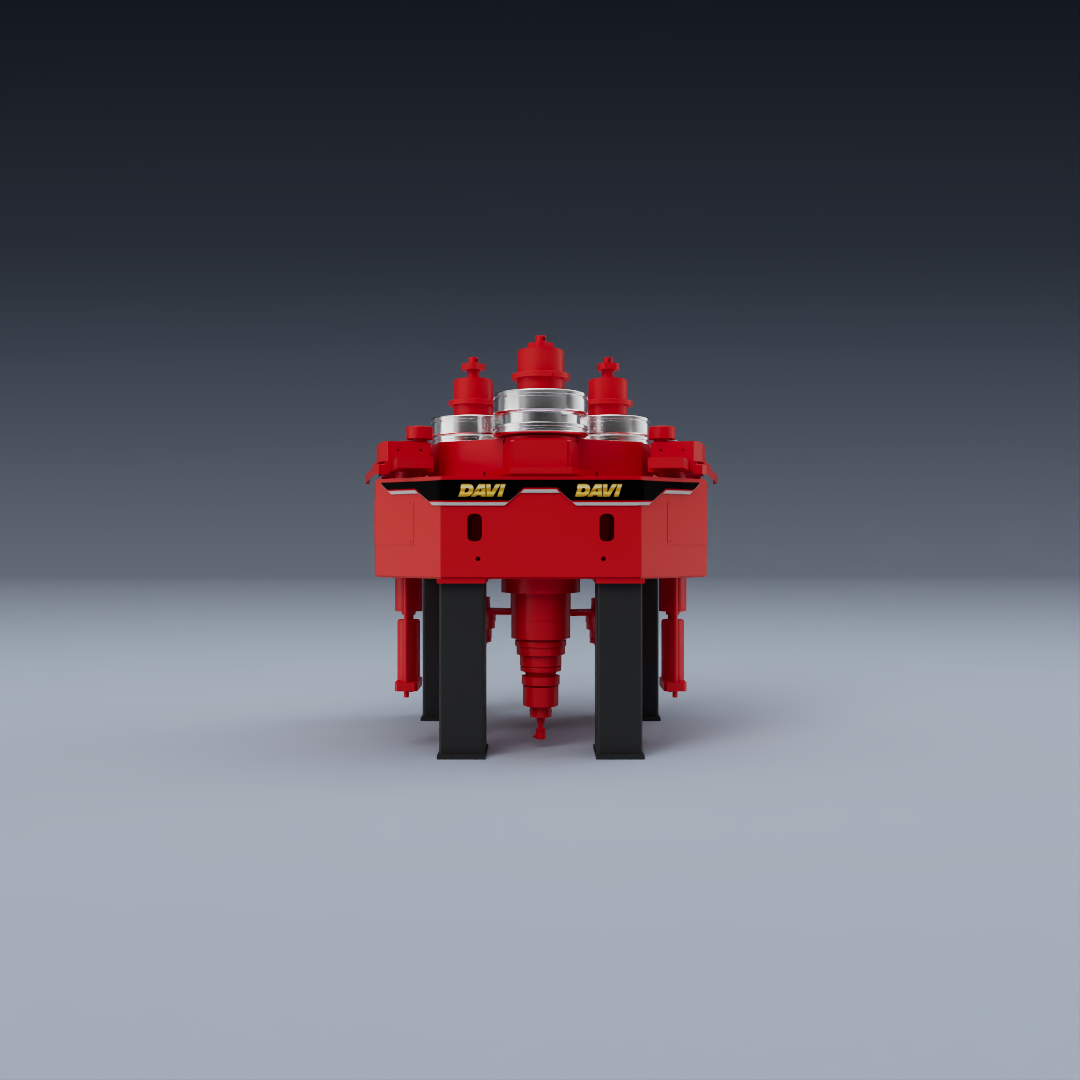
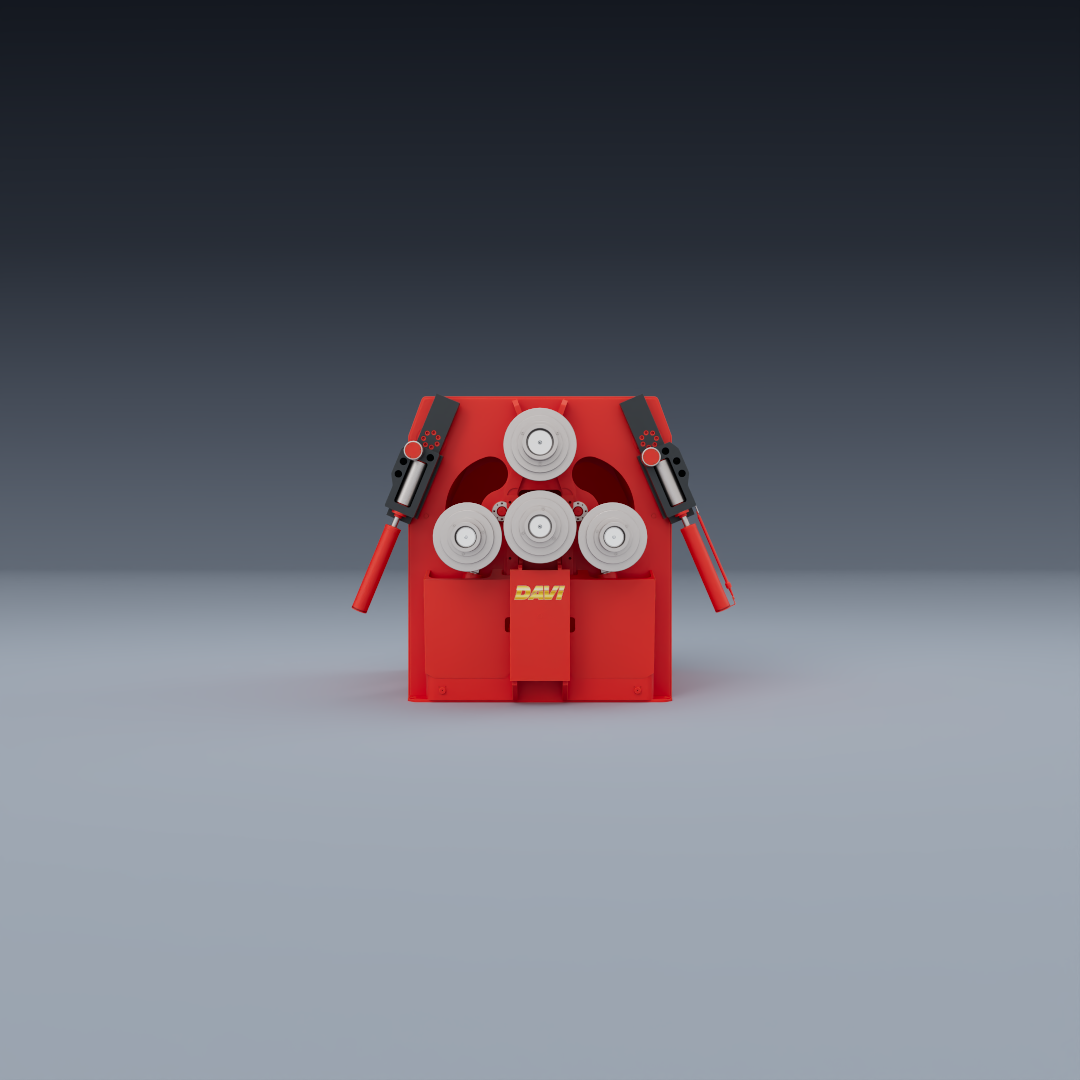
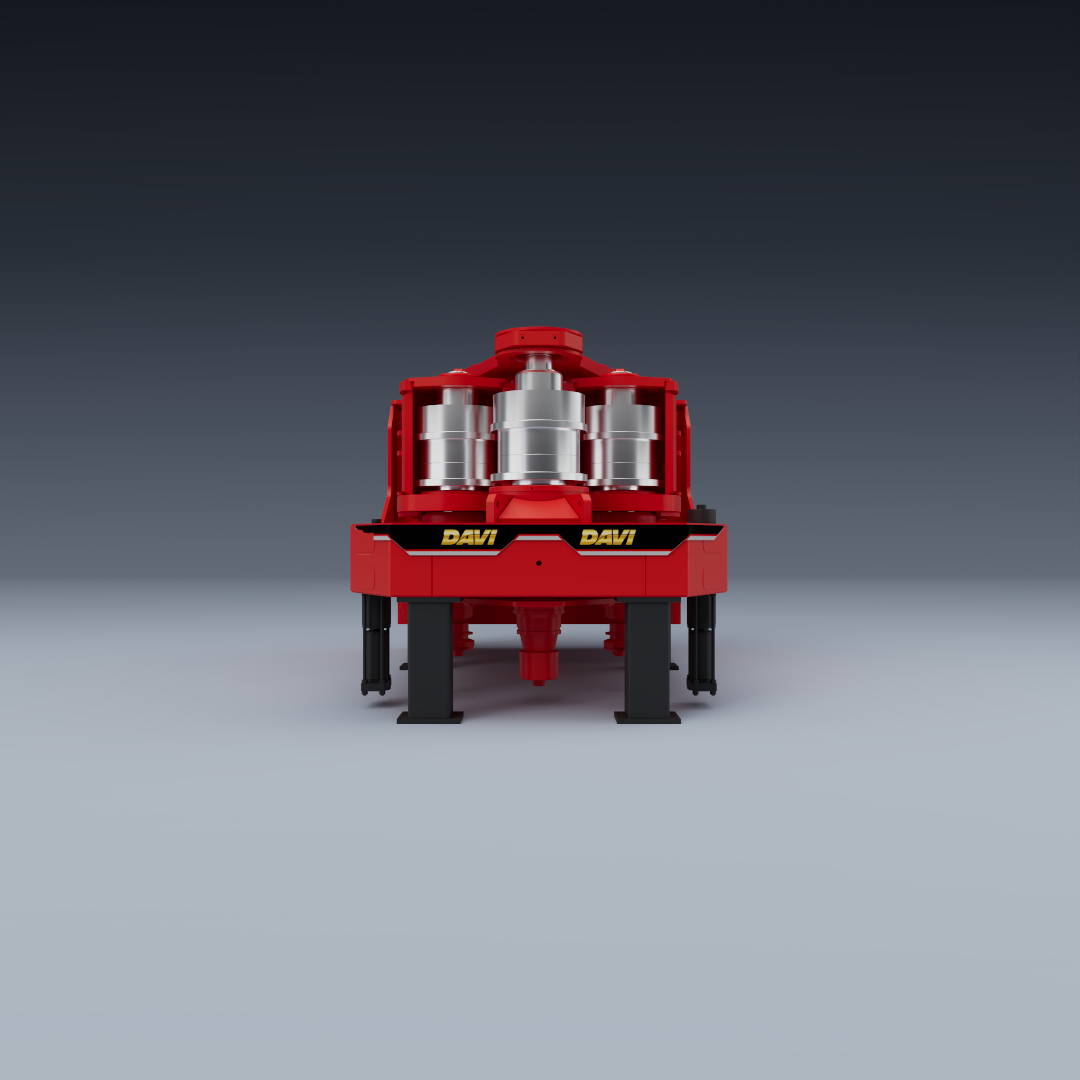
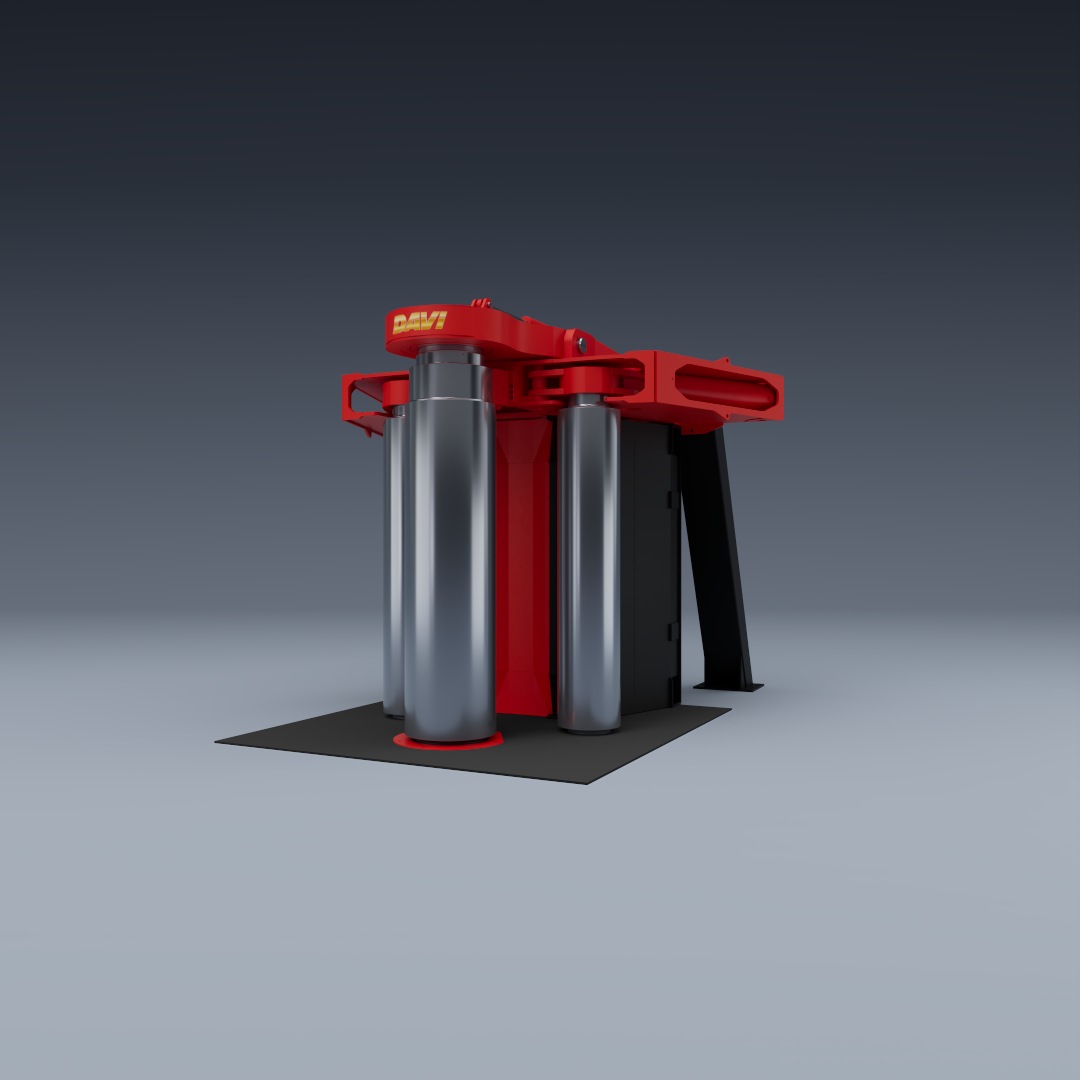
A roll actuation system where the side rolls travel along a curved, pivoting path around a central point, acting as a force multiplier to form tight diameters.
Technical FAQ
Eliminating material waste and avoiding secondary cutting operations is a primary goal for high-productivity job shops looking to protect their margins. A flat end is the straight, unbent section left at the leading and trailing edges of a plate because the material cannot physically reach the exact tangent contact point between the machine rolls. Minimizing this straight section directly reduces material scrap and eliminates the time-consuming process of pre-bending plates on a separate press brake, thereby accelerating overall floor cycle times. Utilizing Davi all-rolls-drive technology ensures the plate can be positioned precisely at the tangent point to achieve the shortest flat end possible without compromising safety.
Fabricators working on high-precision applications like pressure vessels must ensure perfect roundness from the absolute edge of the plate to comply with strict safety codes. Pre-bending is the preliminary manufacturing step where the leading and trailing edges of a sheet are bent to the target radius before continuous rolling begins. Executing this properly minimizes the flat end, ensures structural integrity at the subsequent weld seam, and reduces the need for manual grinding or expensive re-rolling calibration. Davi 4-roll and variable-axis 3-roll machines are engineered to execute high-tonnage pre-bending safely and accurately in a single automated cycle.
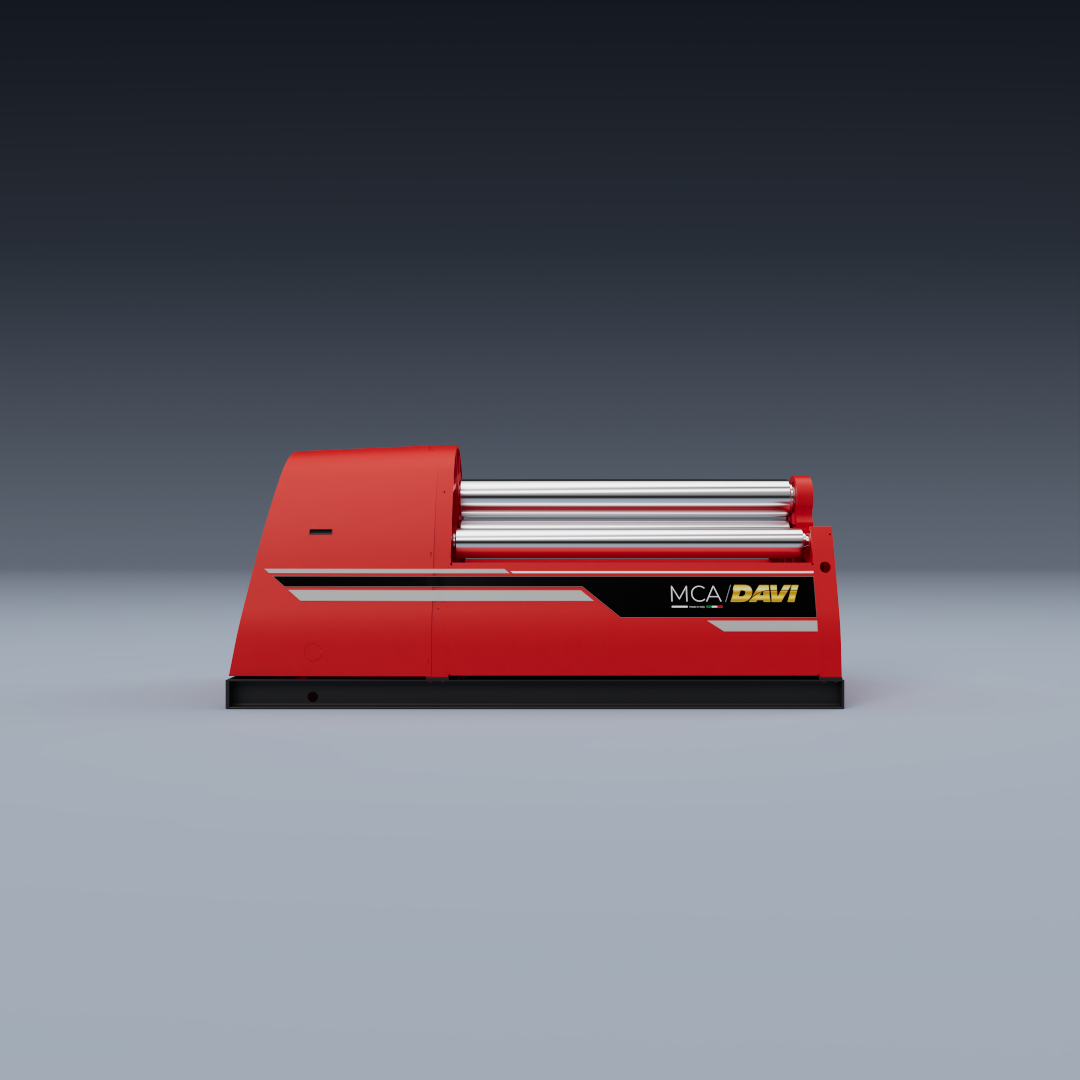
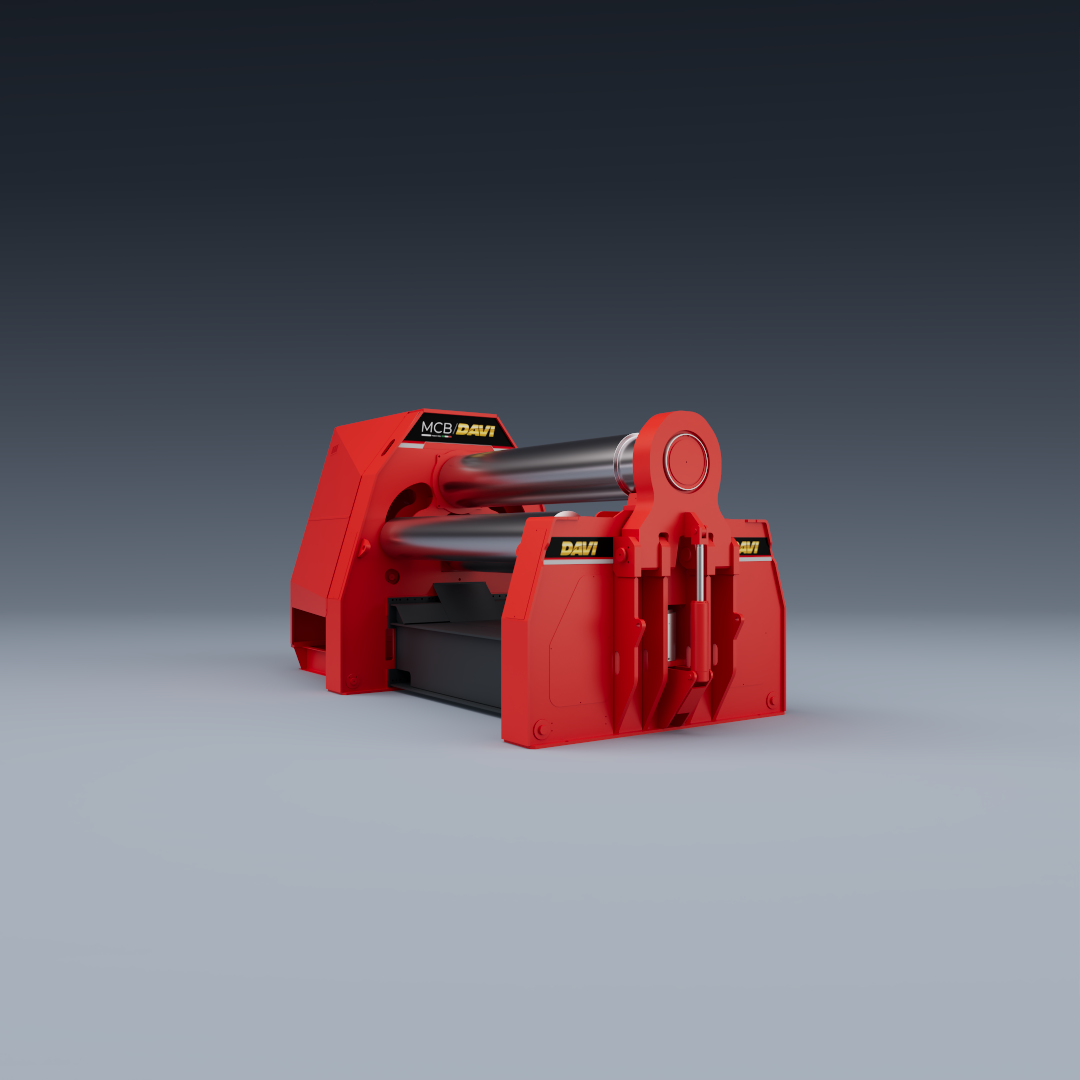
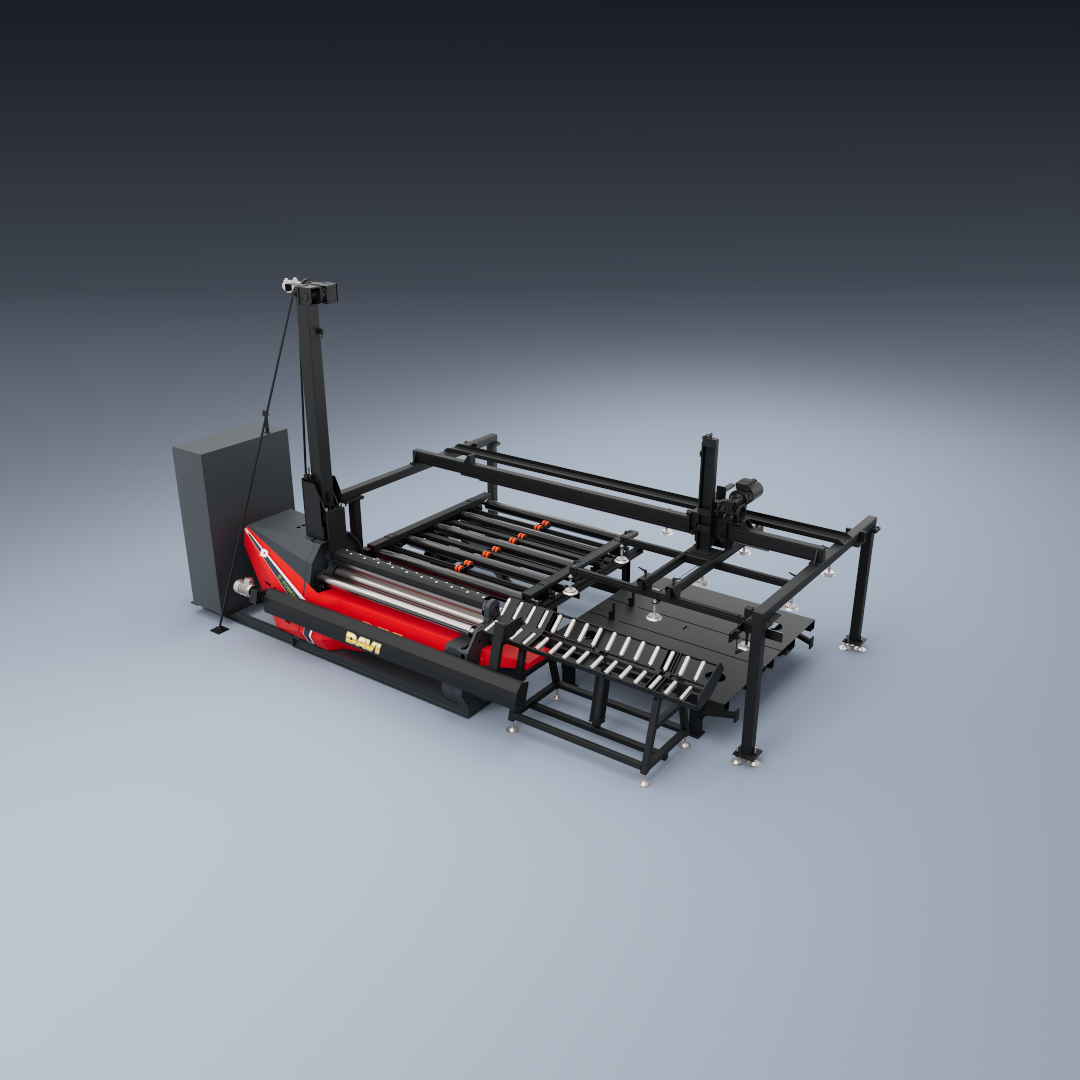
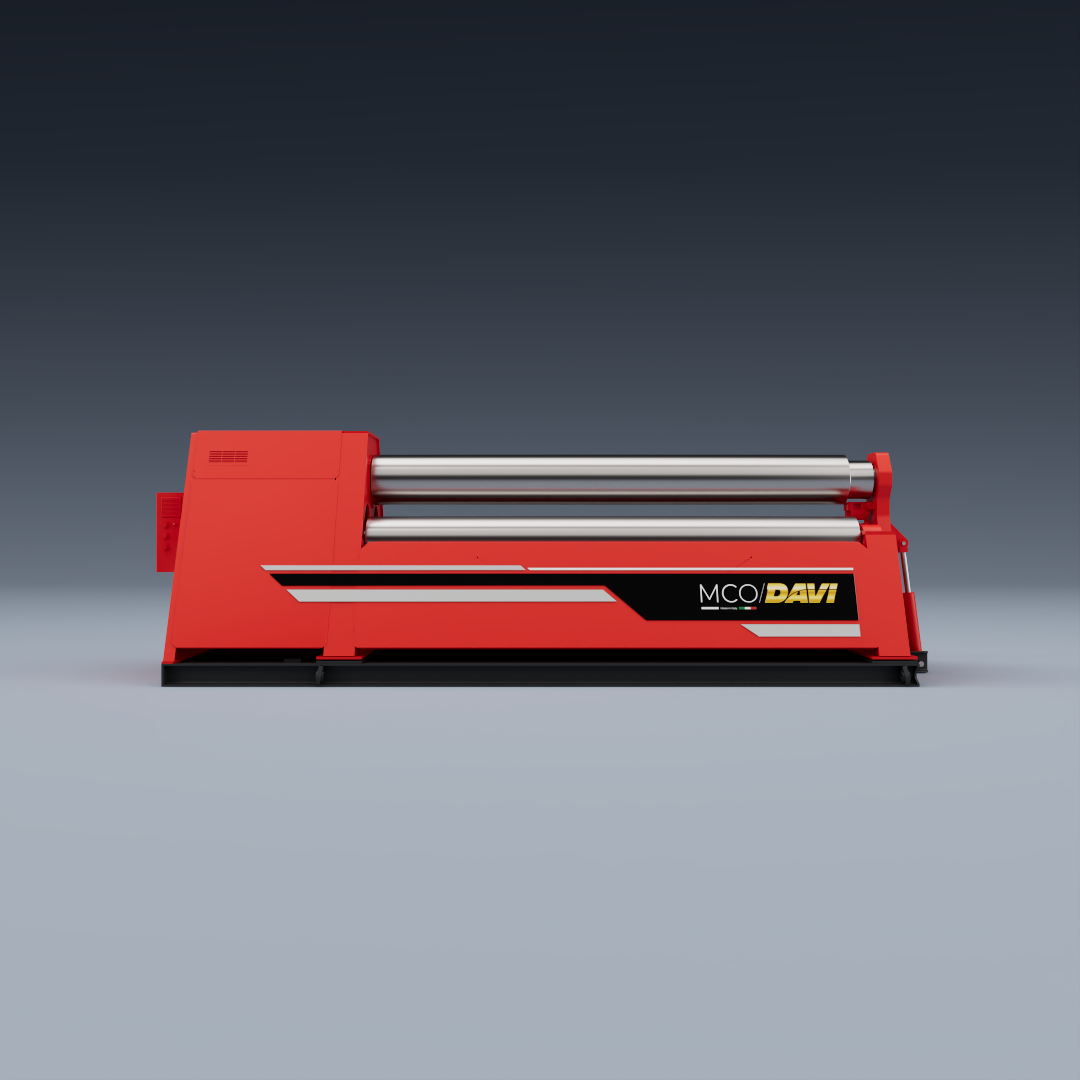
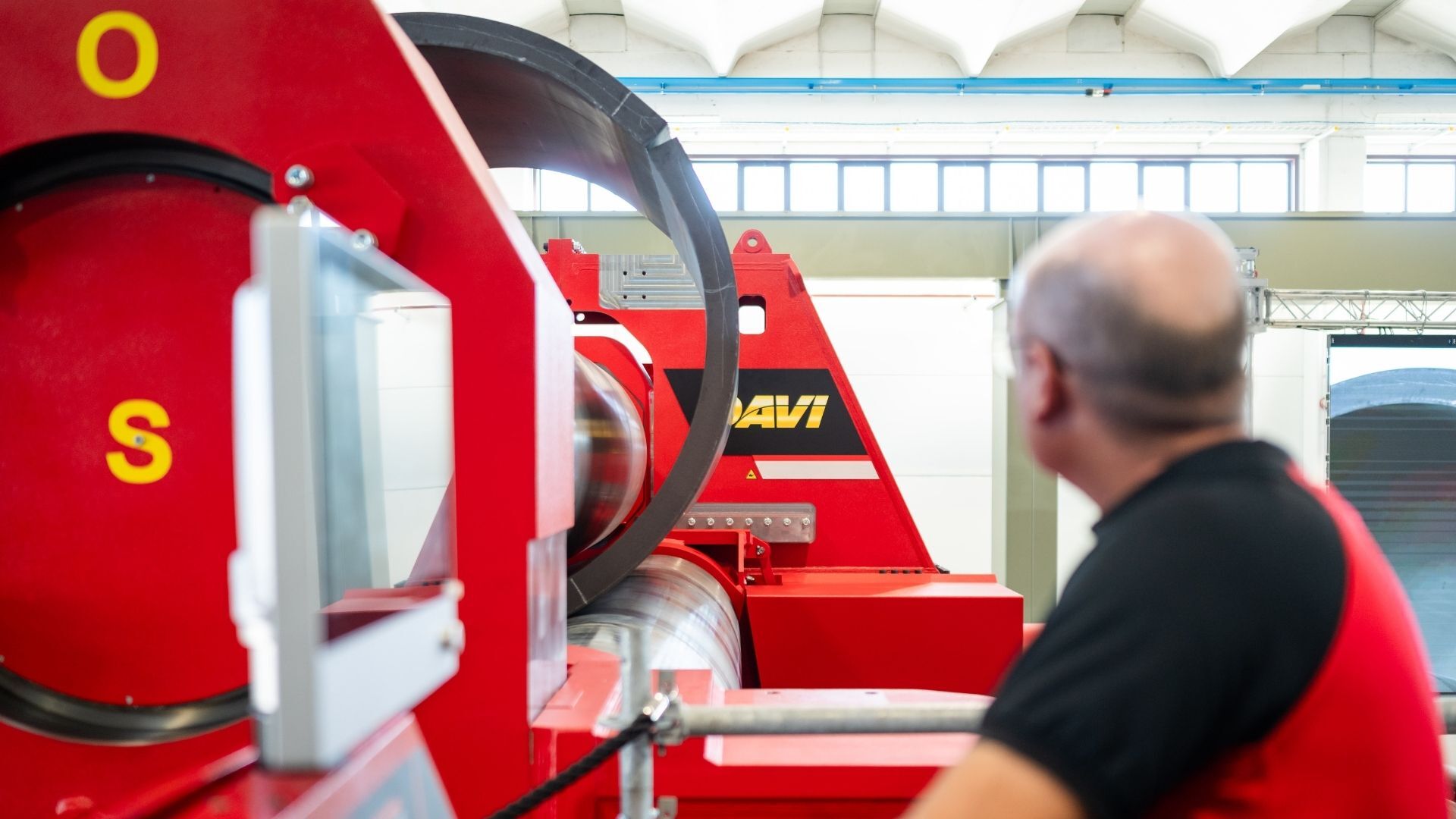
Mass-production facilities require automated processing with minimal reliance on highly skilled operator intervention to remain competitive. A 4-roll machine uses a top and bottom roll to securely pinch the plate, while two side rolls travel up to execute the bending force. It provides total material control throughout the cycle, allows for fully CNC-automated production lines, and makes the initial squaring process simple and safe. Davi MCA and MCB 4-roll lines are the global standard for high-productivity automation, offering rapid cycle times for job shops worldwide.
Long-term durability and resistance to harsh workshop mill-scale are essential for maintaining equipment asset value over decades of operation. Linear guides move roll housings up and down in a straight track, which can wear when exposed to scale, while planetary guides rotate the roll housing around a heavy, permanently lubricated pivoting point. Planetary guides eliminate mechanical friction, serve as a force multiplier due to lever-arm geometry, and require zero regular lubrication. Davi integrates planetary guides into its MCA, MCB, and MCP series to ensure maximum energy efficiency and long-term reliability.
Different manufacturing environments require distinct mechanical geometries to handle specific plate thicknesses, section profiles, and automation levels.
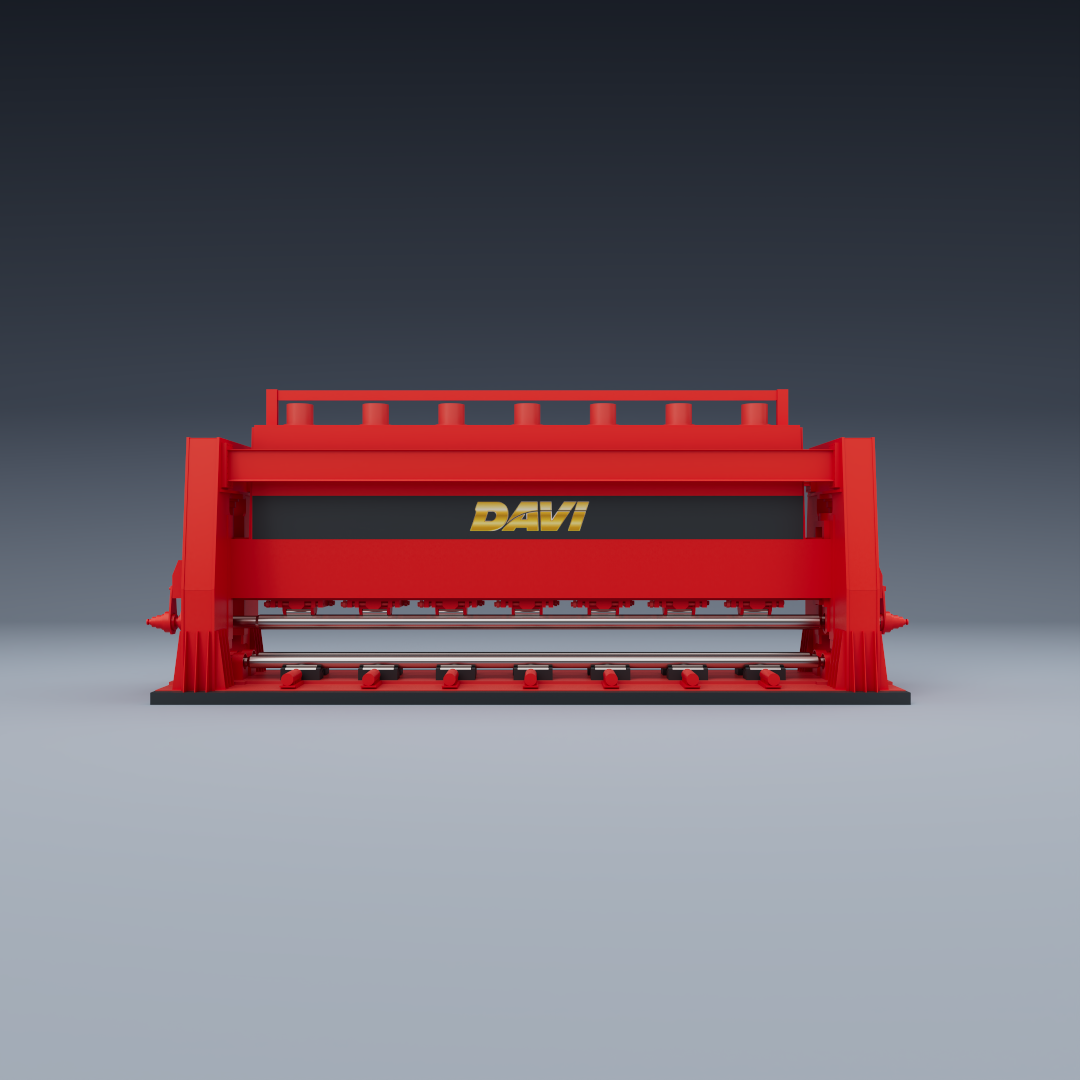
- MCA Series (4-Roll Compact): Designed for high-speed, repeatable plate forming from 2 to 6 m (6.5 to 19.6 ft) wide, combining compact framing with planetary side roll guides for rapid CNC production.
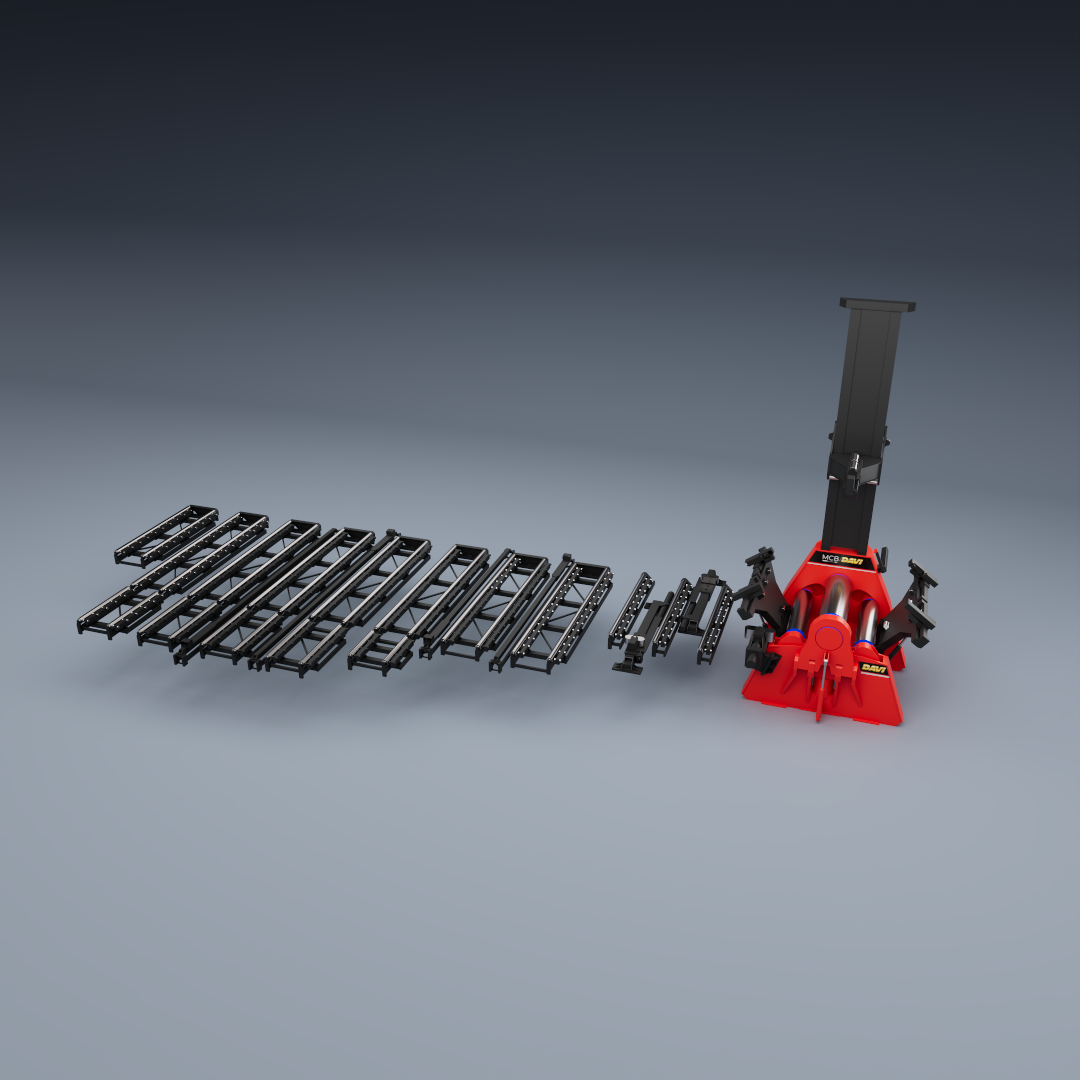
- MCB Series (4-Roll Heavy Duty): Engineered for medium-to-heavy industrial fabrication handling plates up to 400 mm (15.7 in) thick, featuring swingable pendular gearboxes that allow stress-free roll tilting up to 100 mm (4 in) every 3 m (10 ft).
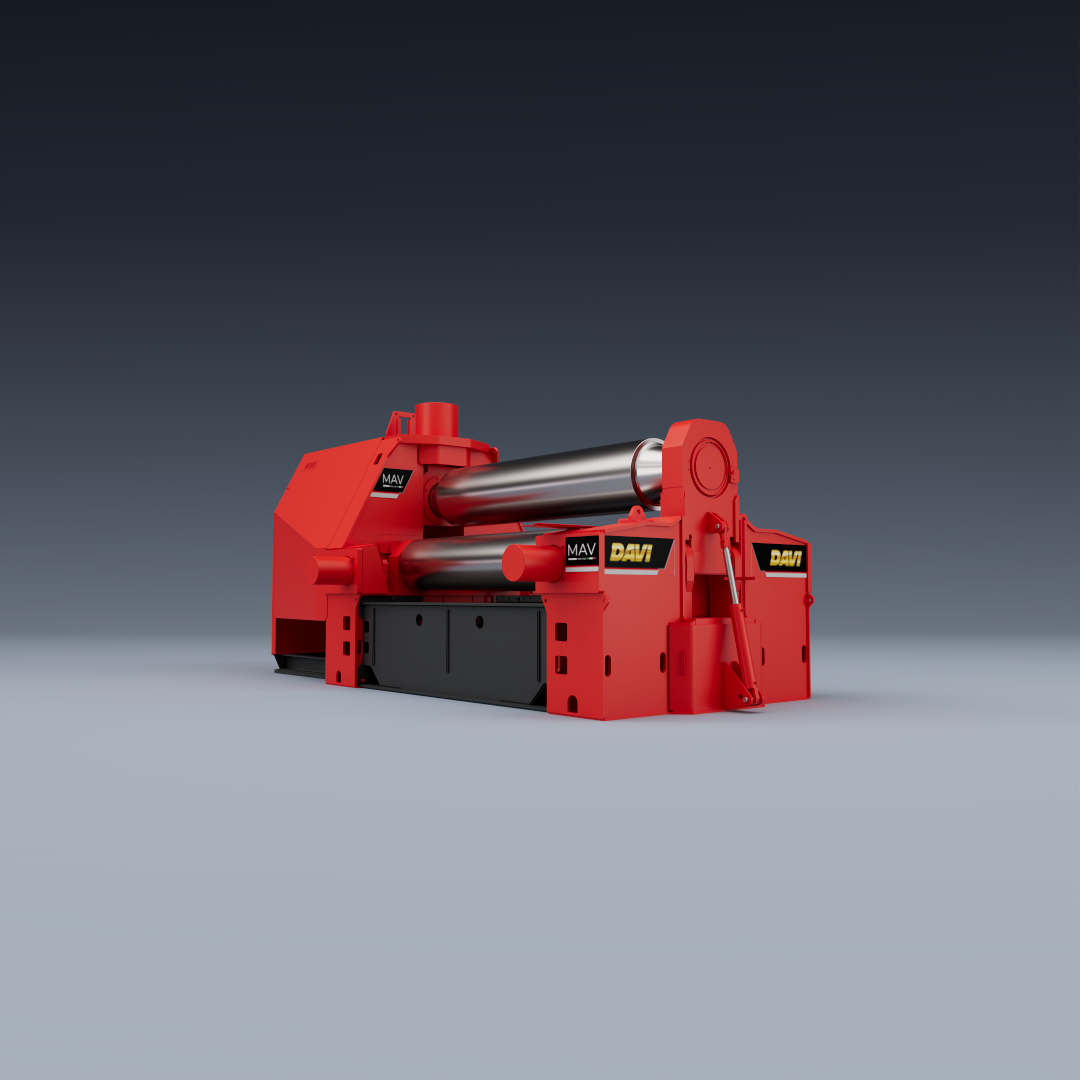
- MAV Series (3-Roll Variable Axis): Utilizes independently moving side rolls and a vertical top roll—similar to a press brake—providing maximum leverage for heavy plate rolling, pressure vessels, and precise re-rolling of pre-welded shells.
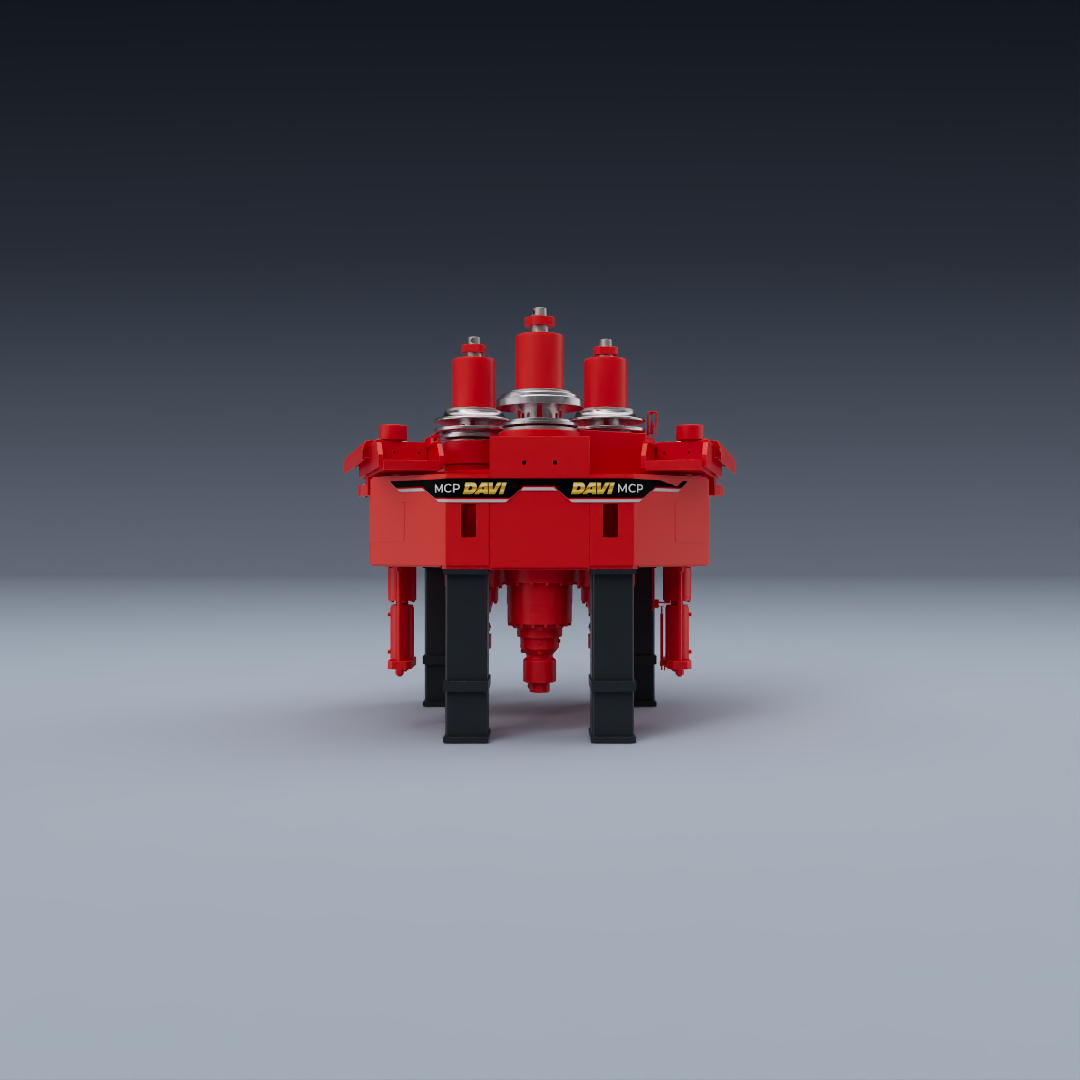
- MCP Series (3-Roll Angle Roll): Engineered with three independent drive motors and universal modular tooling to bend structural beams up to 1,200 mm (47.2 in) height and pipes up to 800 mm (31.5 in) diameter.
Traditional linear guides move side rolls up and down on sliding ways, introducing severe mechanical friction, requiring continuous lubrication, and suffering rapid wear when exposed to abrasive scale dust. Introduced by Davi in 1988, planetary guides solve these operational bottlenecks by pivoting the side rolls around a fixed center point along a natural circular arc. This pivoting geometry multiplies hydraulic cylinder force via leverage arm mechanics, pushing the side rolls tightly around the top roll. Because planetary guides utilize permanently lubricated, friction-free bearings, they completely eliminate sliding guide wear, remove the need for daily manual greasing, and enable 4-roll machines to pre-bend tight diameters down to 1.1 times the top roll diameter.
Linear guide mechanisms rely on vertical sliding channels that absorb heavy lateral bending loads, leading to frame flexing and accelerated wear from mill scale buildup. Planetary side roll guides eliminate these weaknesses by distributing forming stresses into a robust pivoting system. Key shop-floor benefits include:
- Force Multiplication: Leverage arm geometry amplifies cylinder force, delivering superior pre-bending capacity with lower energy absorption.
- Tighter Bending Radii: Side rolls wrap closer around the top roll, forming tight cylindrical cans down to 1.1 times the top roll diameter.
- Zero Maintenance Friction: Sealed, permanently lubricated bearings remove daily greasing routines and prevent guide scoring caused by scale accumulation.
- Reduced Frame Stress: Circular force distribution minimizes top-roll deflection and frame fatigue during continuous heavy-duty operations.
The fundamental difference lies in material clamping, alignment, and process automation.
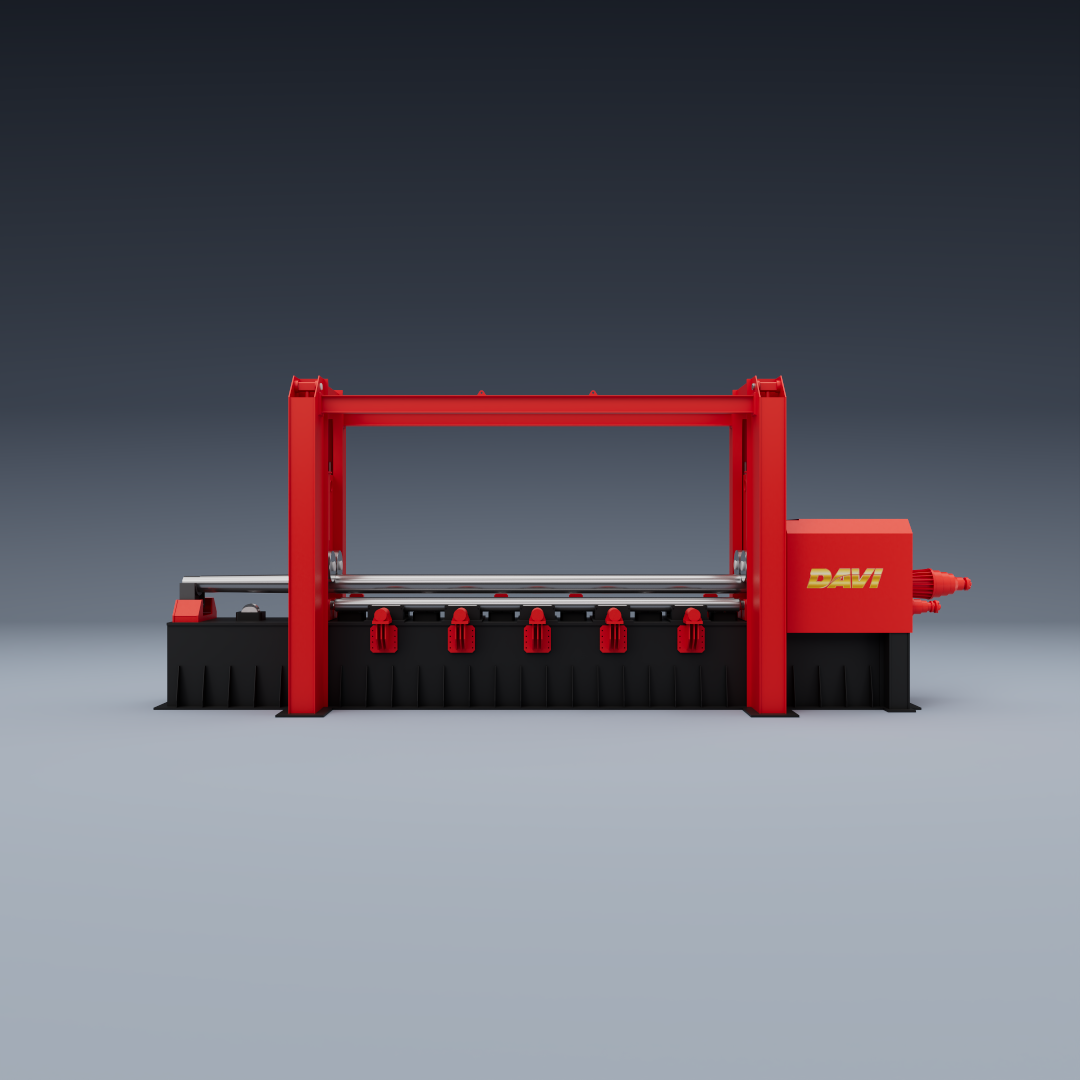
- 4-Roll Architecture (Davi MCA / MCB Series): The bottom roll clamps the plate continuously against the top roll, preventing slippage during the bending sequence. Side rolls move along planetary guide paths to pre-bend both ends without removing or reversing the plate. This layout makes 4-roll machines the fastest, most repeatable, and best suited for full CNC automation.
- 3-Roll Variable-Axis Architecture (Davi MAV Series): Operates like a press brake, where the top roll provides vertical pressing force and the side rolls move horizontally to adjust interaxis spacing. This variable geometry provides maximum leverage for ultra-heavy plate forming, thick-walled pressure vessels, and precise re-rolling of pre-welded cylindrical shells.
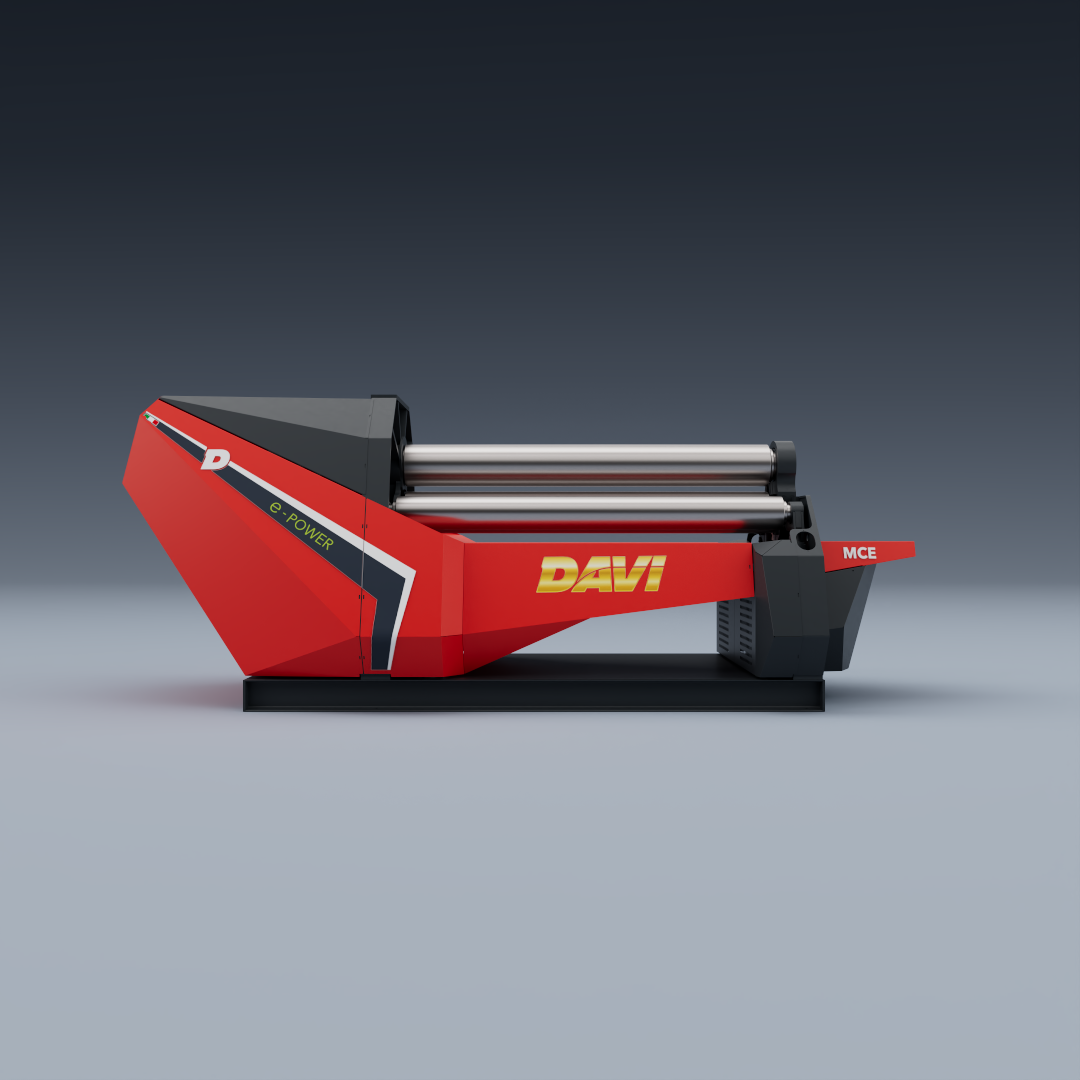
No, manual lubrication is virtually eliminated on Davi machines equipped with Planetary Guide technology. Unlike traditional linear guides that slide along vertical ways and require constant greasing to prevent scoring from scale dust, Davi planetary guides pivot on permanently lubricated, friction-free bearings. On fully electric models like the MCE e-POWER, maintenance is further reduced by eliminating hydraulic power units, fluid filters, and piping networks.
On machines utilizing planetary guide technology, centralized lubrication for side roll movement is unneeded because pivoting joints use sealed, permanently lubricated bearings. Centralized auto-greasing systems are only utilized on specialized heavy-duty components or linear auxiliary attachments (such as high-capacity feed conveyors or heavy side supports) to ensure continuous operational uptime without manual maintenance.