





Glossary
1 MIN READ
Longseam Welding
The automated or manual process of executing a longitudinal weld joint to close a rolled plate shell into a complete, high-strength cylinder.
Technical FAQ
Wind tower and monopile manufacturers need to choose the right automation level for handling variable conical sections. Adaptive systems rely on shop cranes for initial plate placement and use pushers for fine alignment, whereas extended systems feature automated manipulators that continuously adjust, align, and feed plates for both cylinders and cones. An extended feeding system delivers continuous, automated cone processing without crane dependence, maximizing safety and speed. Davi's Smart Line for wind energy utilize extended continuous feeding technology to optimize cycle times.
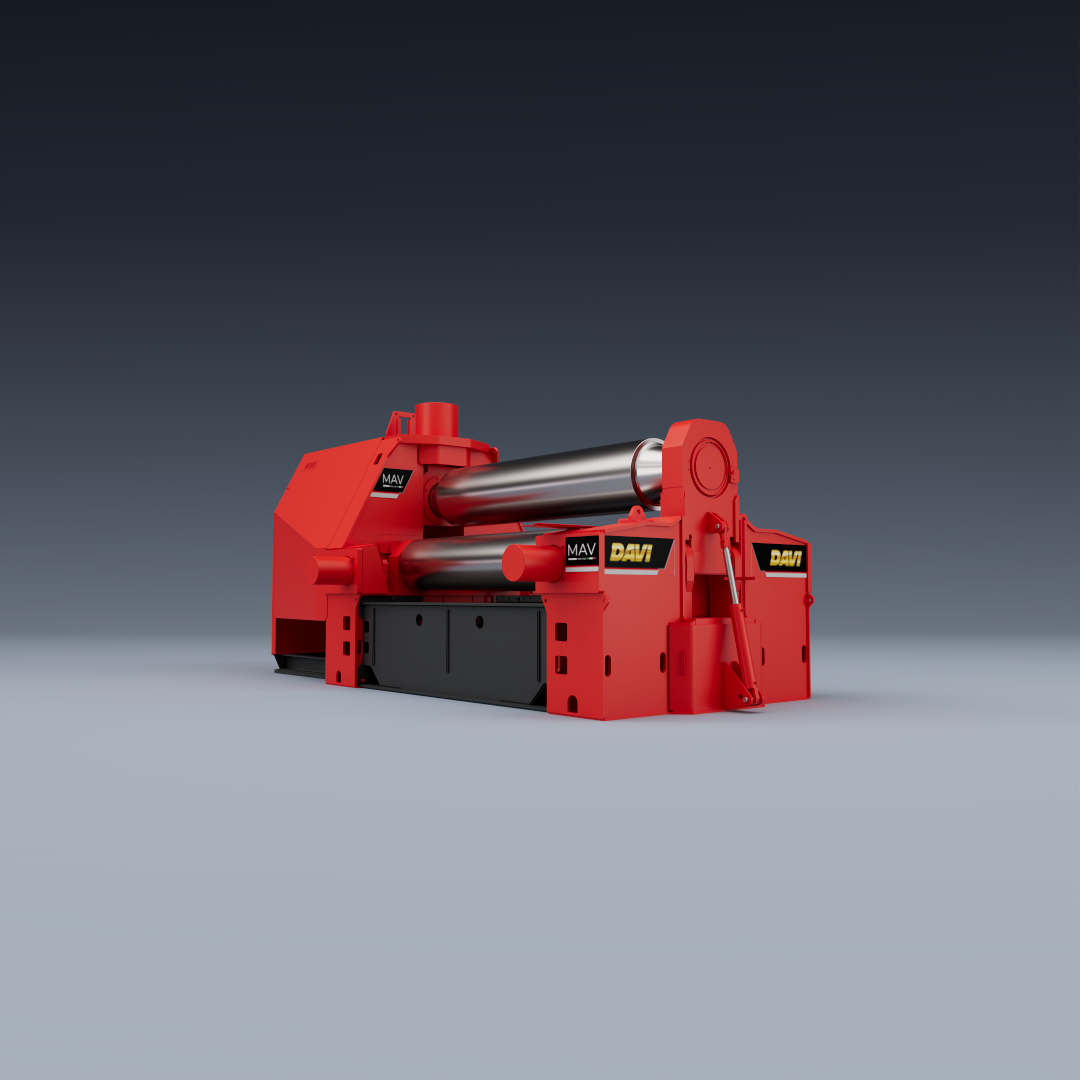
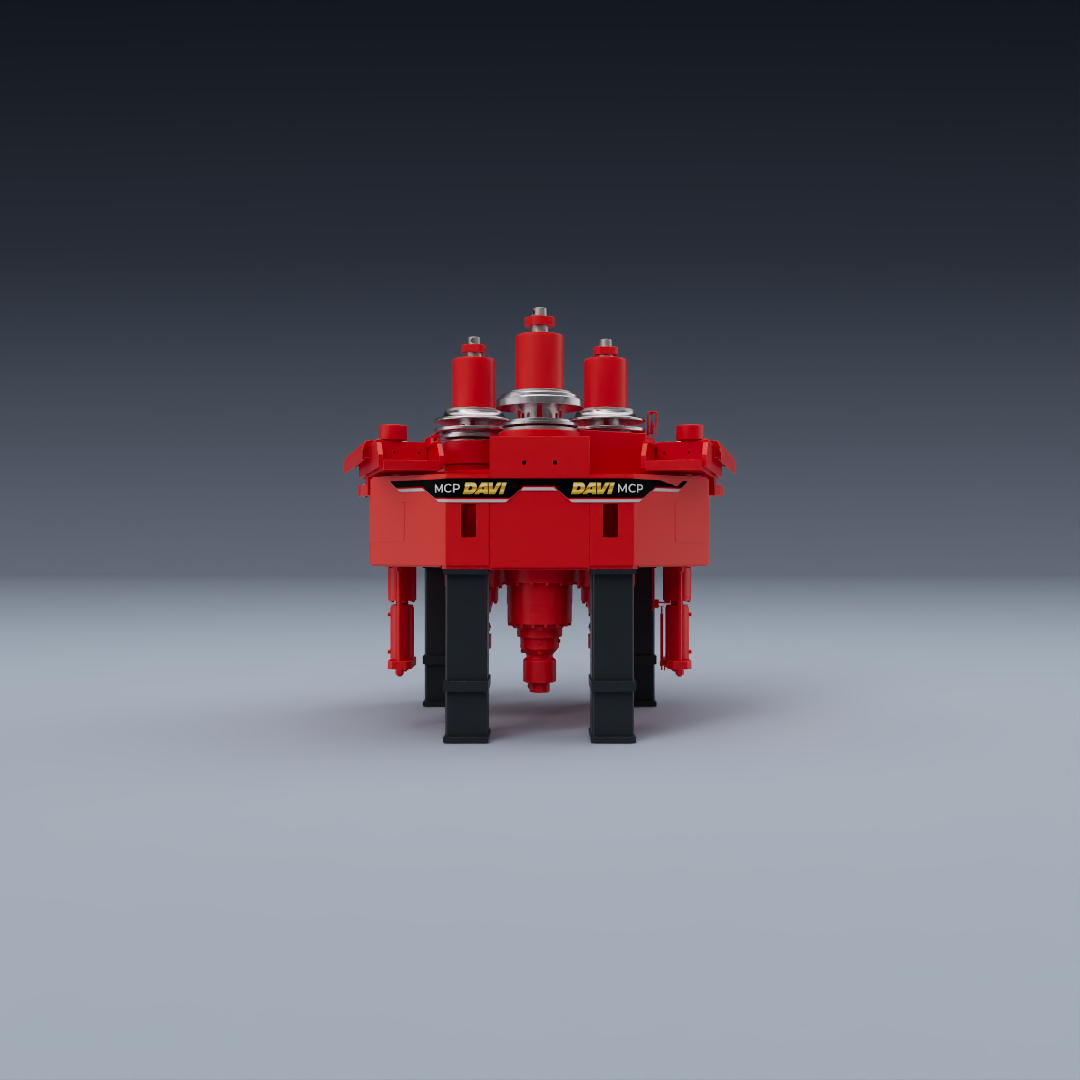
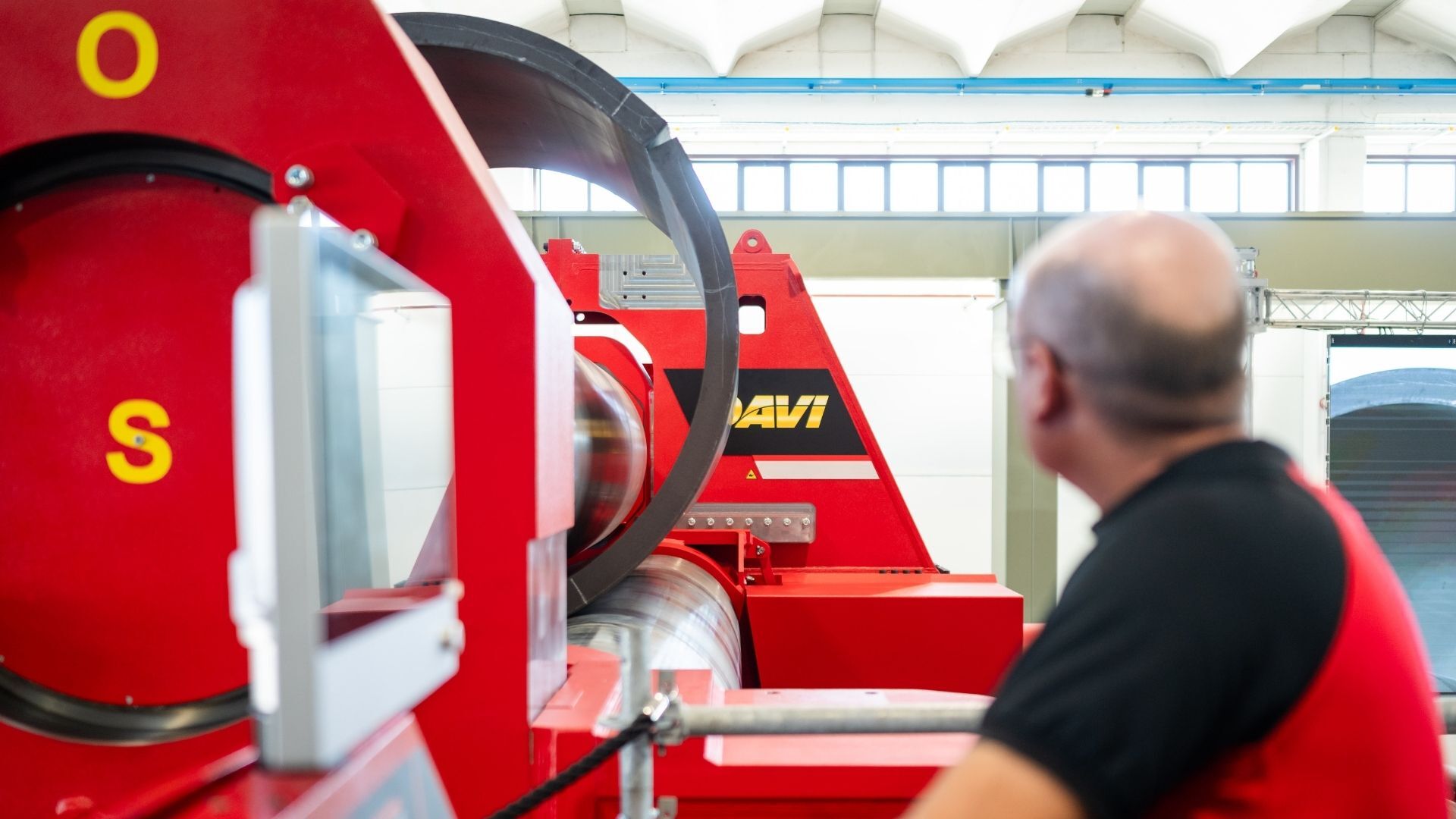
The heat introduced during longitudinal seam welding can distort heavy steel cylinders out of roundness tolerances. Re-rolling passes the welded shell back through the machine to calibrate the geometry and eliminate flat spots near the weld seam. It restores true roundness across the entire cylinder, ensuring it complies with international manufacturing codes and matches adjacent sections perfectly. The flexible geometry of the Davi MAV 3-roll system makes it well-suited for high-tonnage calibration and re-rolling operations.
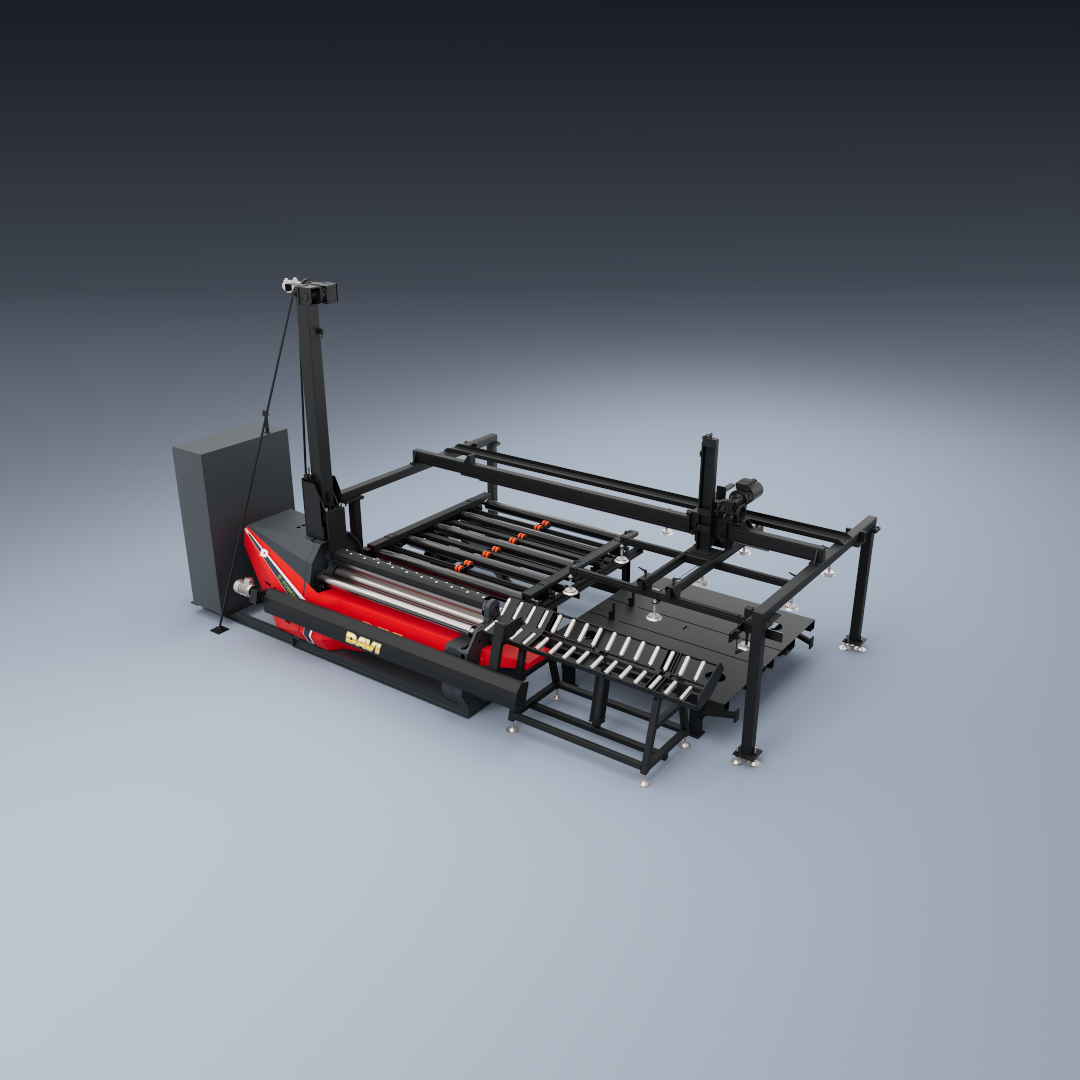
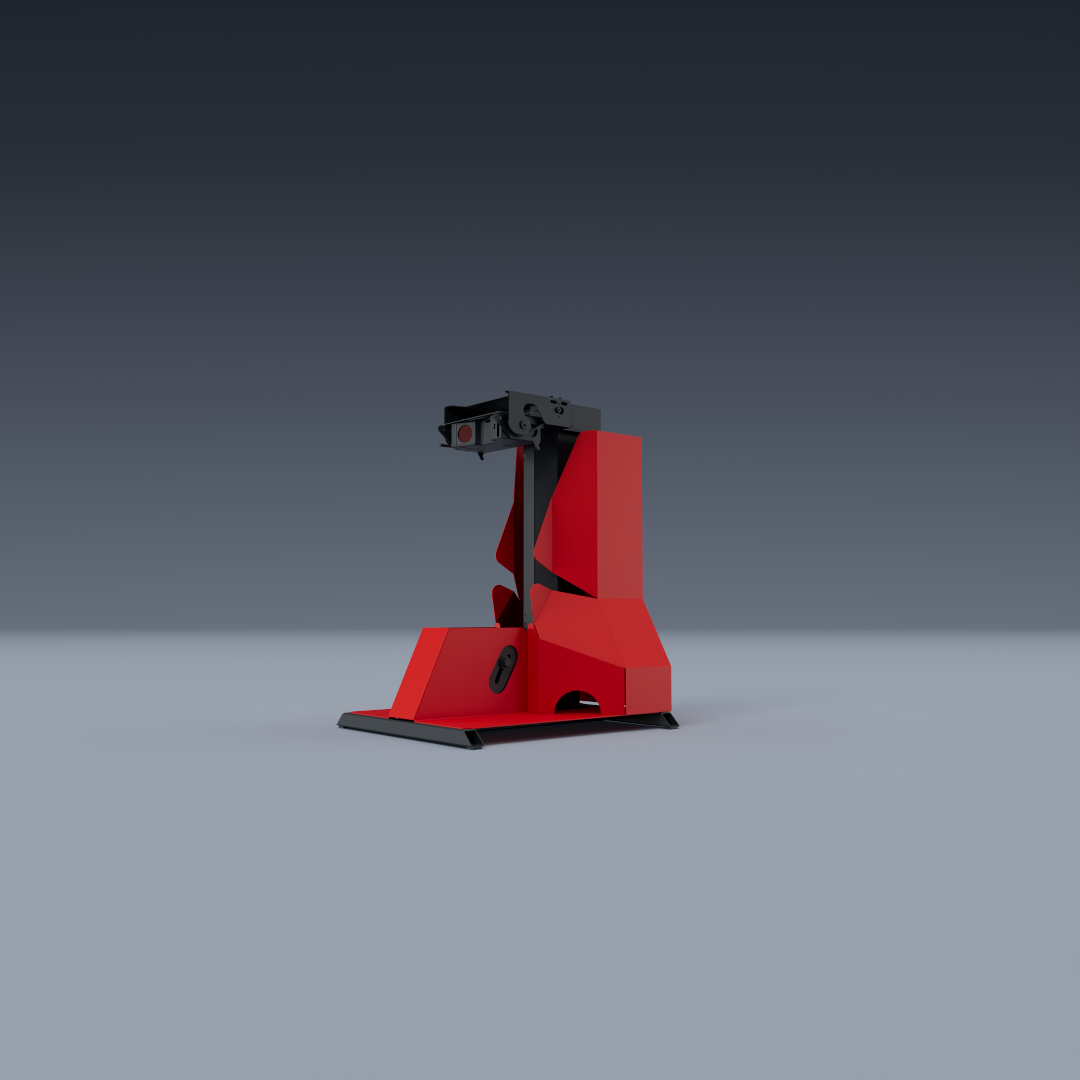
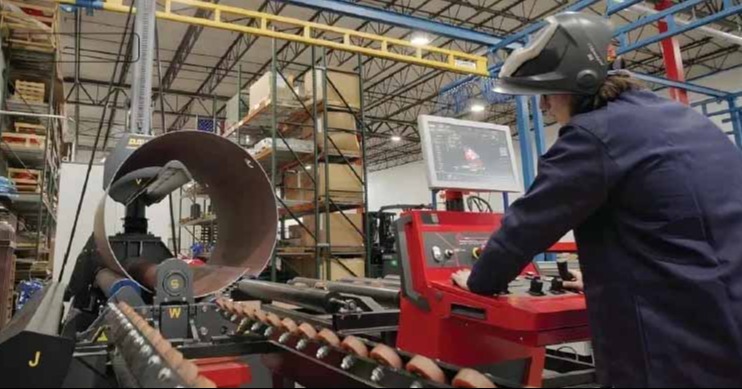
Yes, shell fitting and preliminary longitudinal welding operations can be managed directly on the machine when equipped with customized Davi handling accessories and integrated automation systems. In heavy-industrial applications like monopile and wind tower fabrication, Davi 4-roll lines integrate vertical overhead supports, lateral hydro-guides, and automatic clamping systems that keep the shell in exact alignment during the welding sequence. This capabilities-driven setup minimizes material handling between stations, reduces overall cycle times, and maintains structural alignment throughout the assembly process.
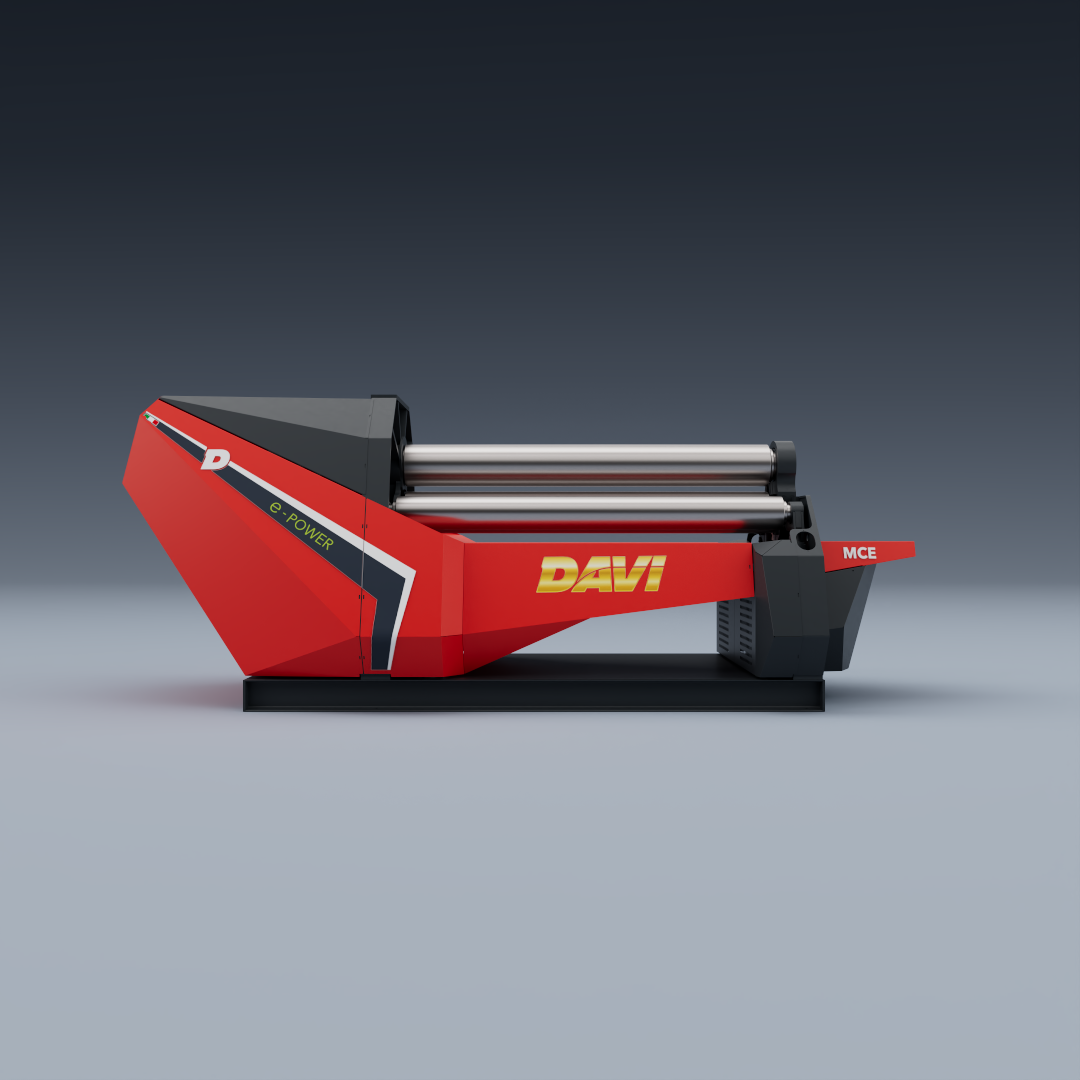
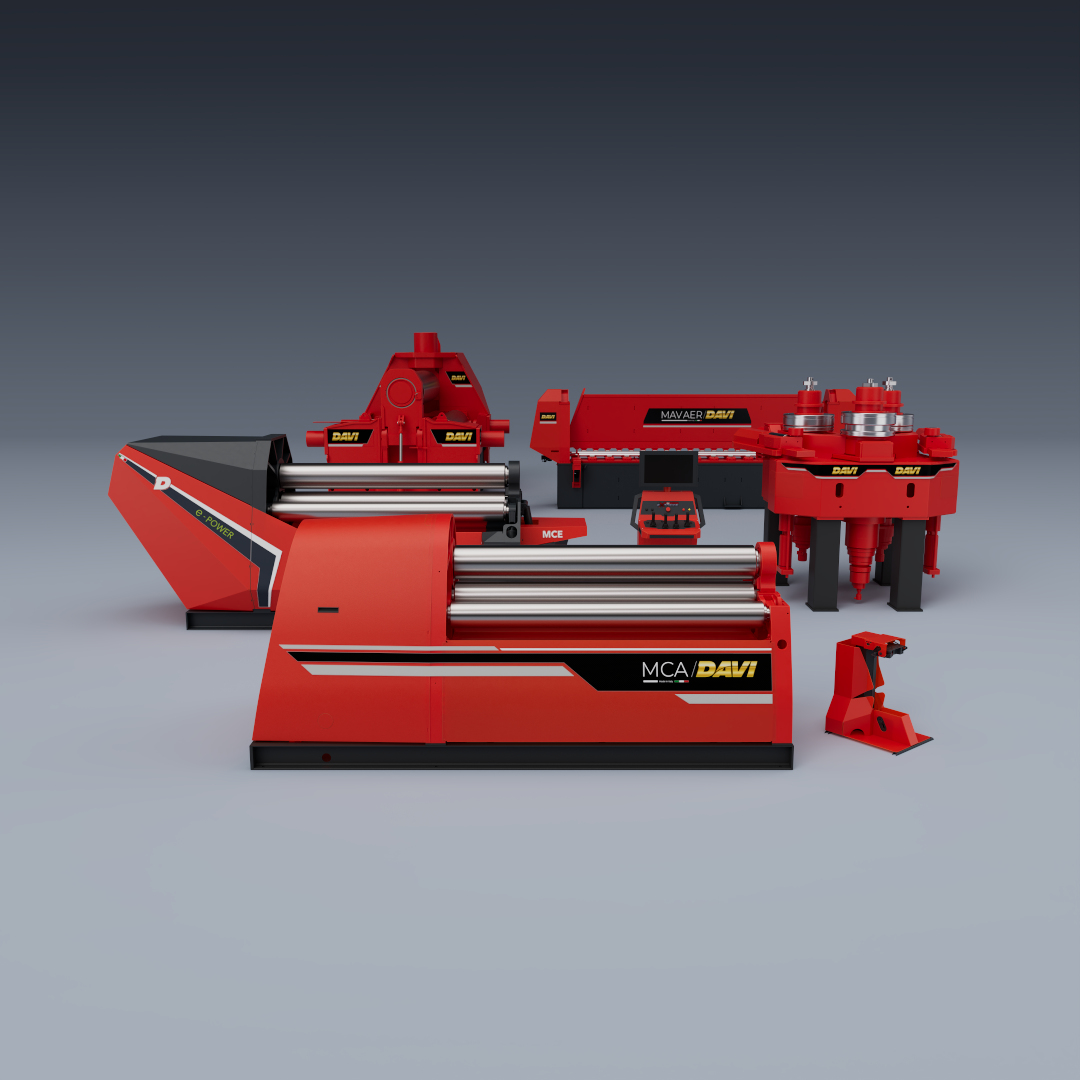
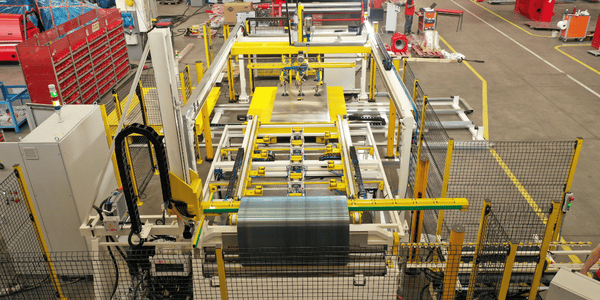
Unpredictable floor-to-floor cycle times severely disrupt scheduling and shrink margins in job shops and heavy fabrication facilities alike. While total cycle times depend on plate thickness, material yield strength, shell diameter, and the required number of passes, actual rolling time is often overshadowed by non-rolling handling procedures like plate alignment, squaring, and pre-bending. Davi optimizes processing efficiency by automating these non-rolling steps through high-speed hydraulic systems, simultaneous axis movements, and smart material handling accessories. On fully electric models like the Davi MCE e-POWER, all machine axes operate independently and concurrently, accelerating multi-pass routines and cutting floor-to-floor processing times significantly. Additionally, automated line accessories—such as hydraulic side/overhead supports, infeed conveyors, and gantry loaders—eliminate crane dependency and manual positioning delays, delivering predictable, repeatable cycle times across single-piece and mass-production runs.