






Glossary
1 MIN READ
Jacket Foundation
A complex, steel lattice offshore mooring structure composed of rolled legs, nodes, and braces, designed to secure wind turbines to the seabed.
Technical FAQ
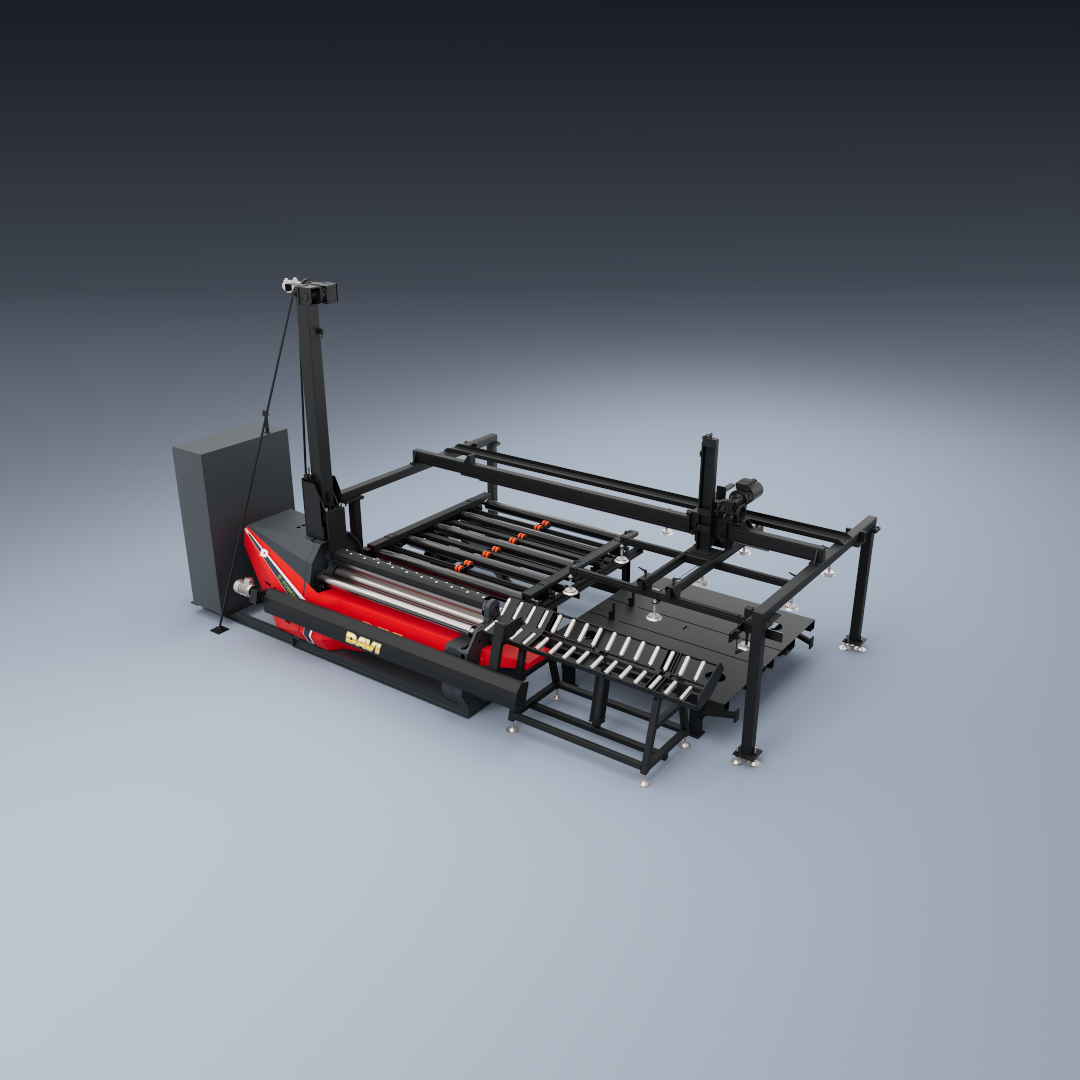
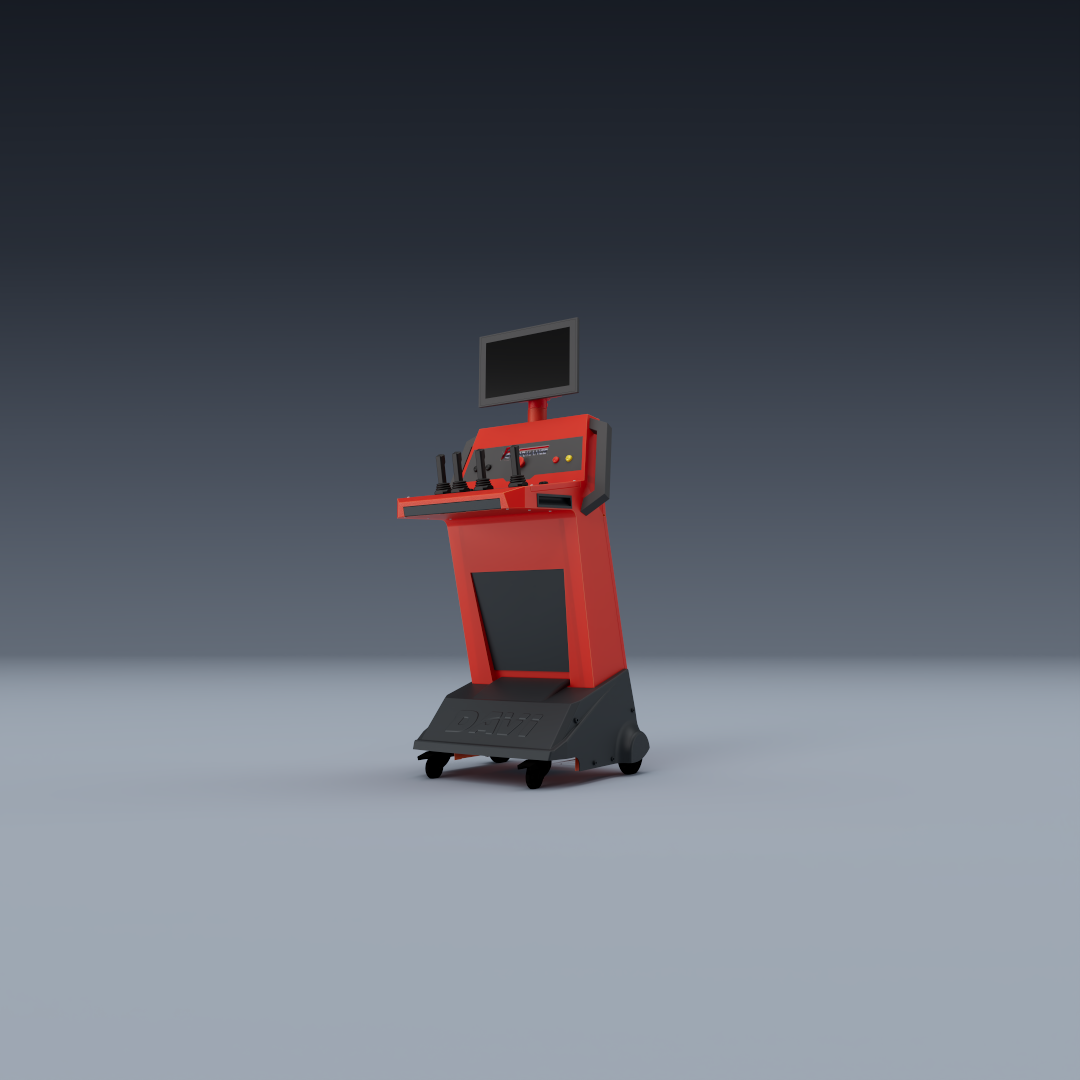
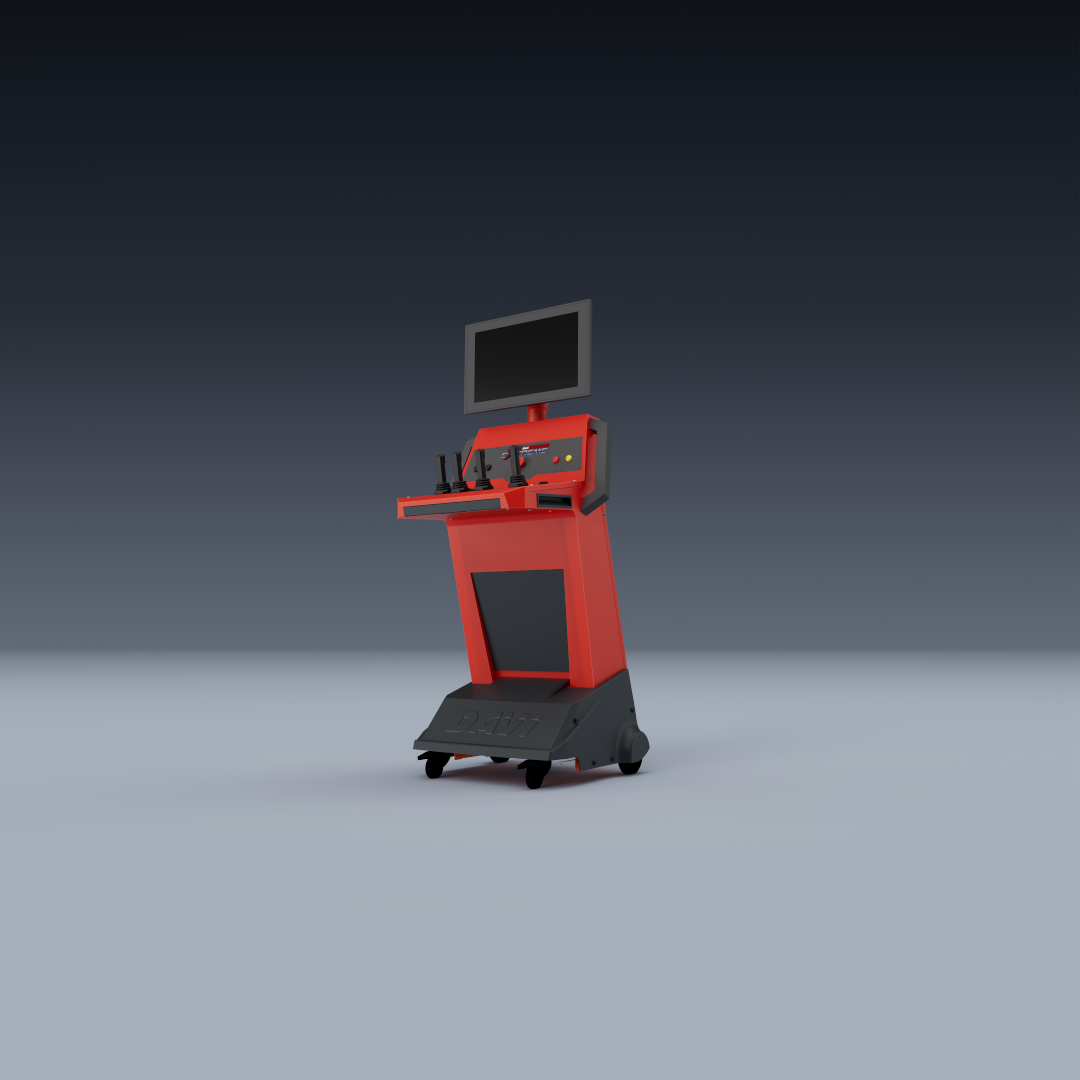
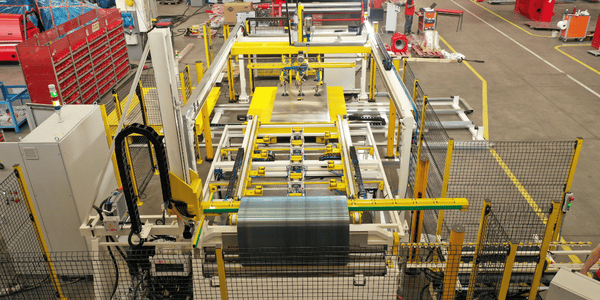
Wind tower and monopile manufacturers need to choose the right automation level for handling variable conical sections. Adaptive systems rely on shop cranes for initial plate placement and use pushers for fine alignment, whereas extended systems feature automated manipulators that continuously adjust, align, and feed plates for both cylinders and cones. An extended feeding system delivers continuous, automated cone processing without crane dependence, maximizing safety and speed. Davi's Smart Line for wind energy utilize extended continuous feeding technology to optimize cycle times.
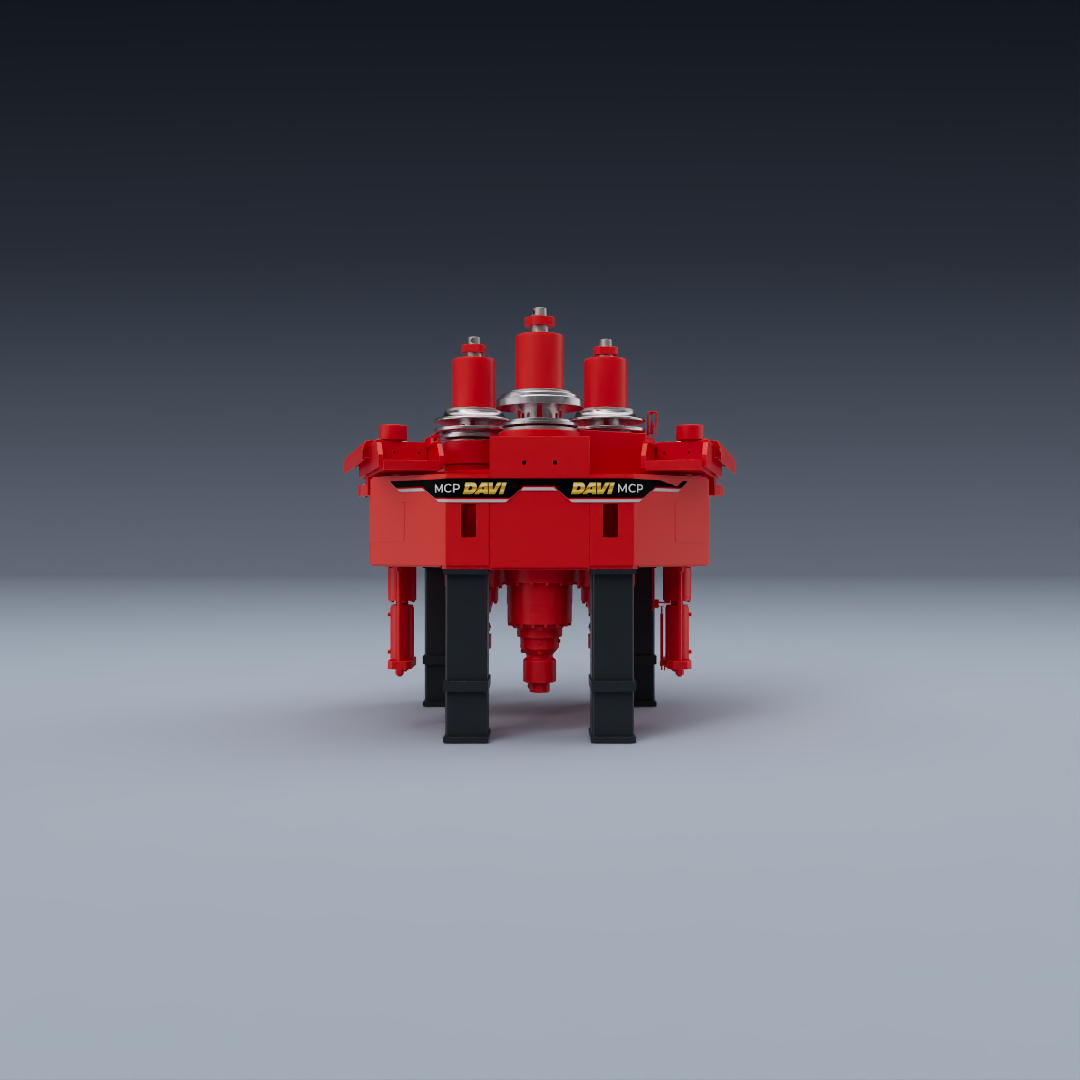
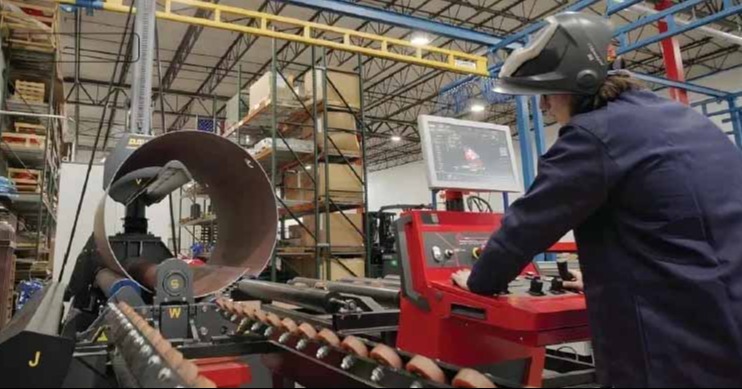
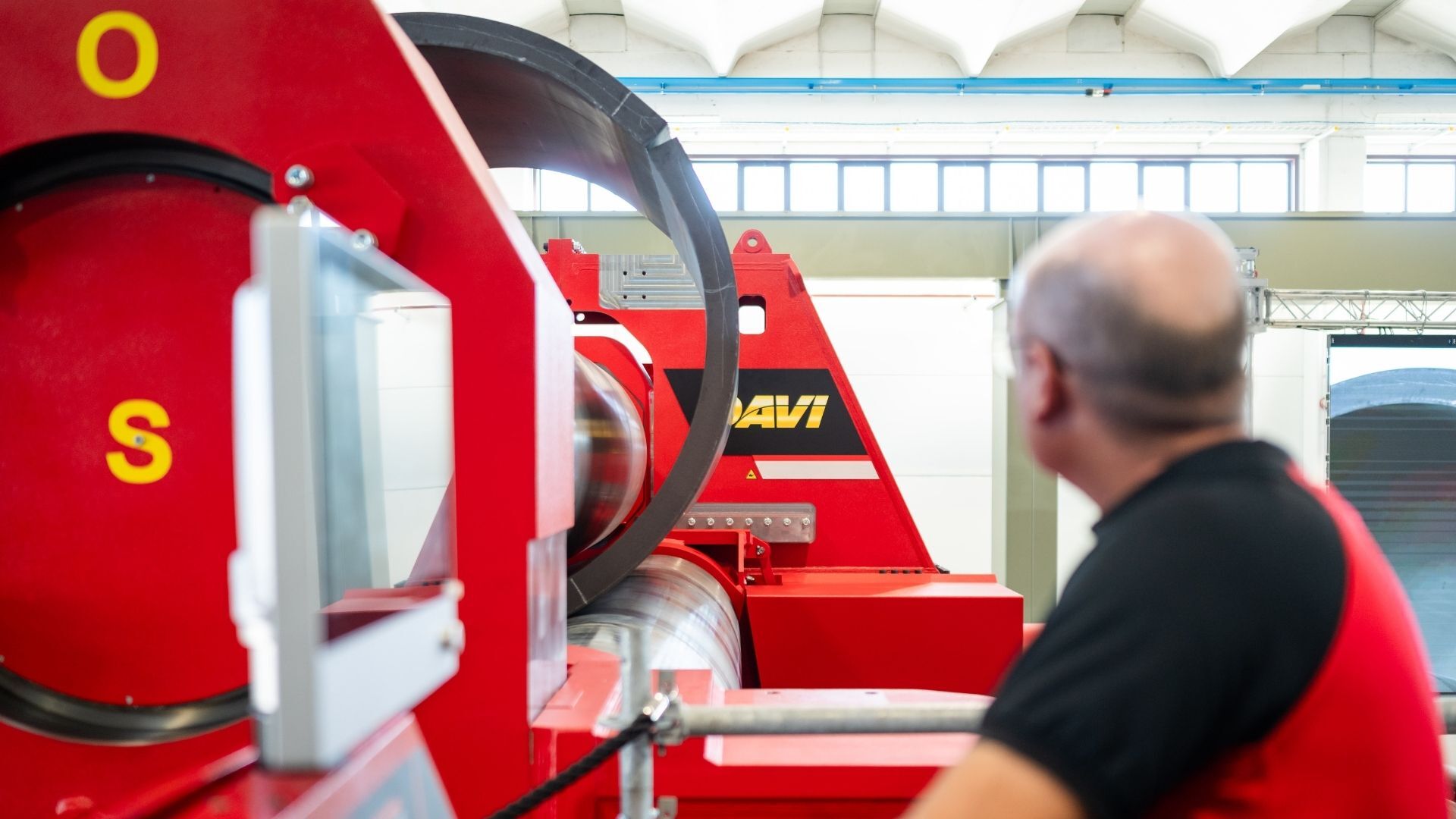
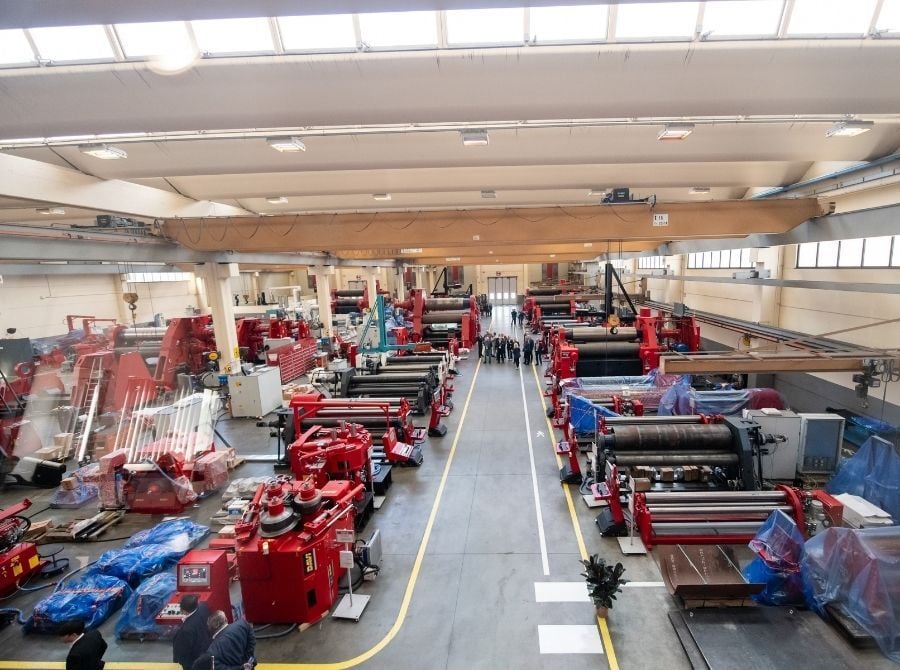
Offshore wind energy components require processing massive plates up to 4.5 meters (14.76 feet) wide and 170 mm (6.69 inches) thick. Monopile production requires heavy-duty machines capable of handling extreme tonnages while forming both cylindrical and conical geometries with strict tolerances. Implementing an engineered line with automated handling accessories allows fabricators to process these heavy parts safely and efficiently. Davi is a leading choice for the wind energy sector, holding approximately 70% of the global plate roll market share with over 300 reference installations worldwide.
Specialized fabricators must form thick steel sections that transition from a wide monopile base to a narrower tower section. Transition pieces require heavy plate rolling capabilities to form thick cylindrical or conical shapes that can weigh up to 2,000 tons. Heavy-duty variable-axis or 4-roll machines provide the precision needed to ensure these critical components maintain structural stability under marine loads. Davi systems are field-tested by top wind energy fabricators to process materials up to 150–170 mm (5.90–6.69 inches) thick for offshore applications.