






Glossary
1 MIN READ
Hydraulic Symmetry
An engineering configuration where identical hydraulic cylinders push or pull with equal mass flow and pressure from both ends of the machine, keeping loads balanced without constant electronic adjustment.
Technical FAQ
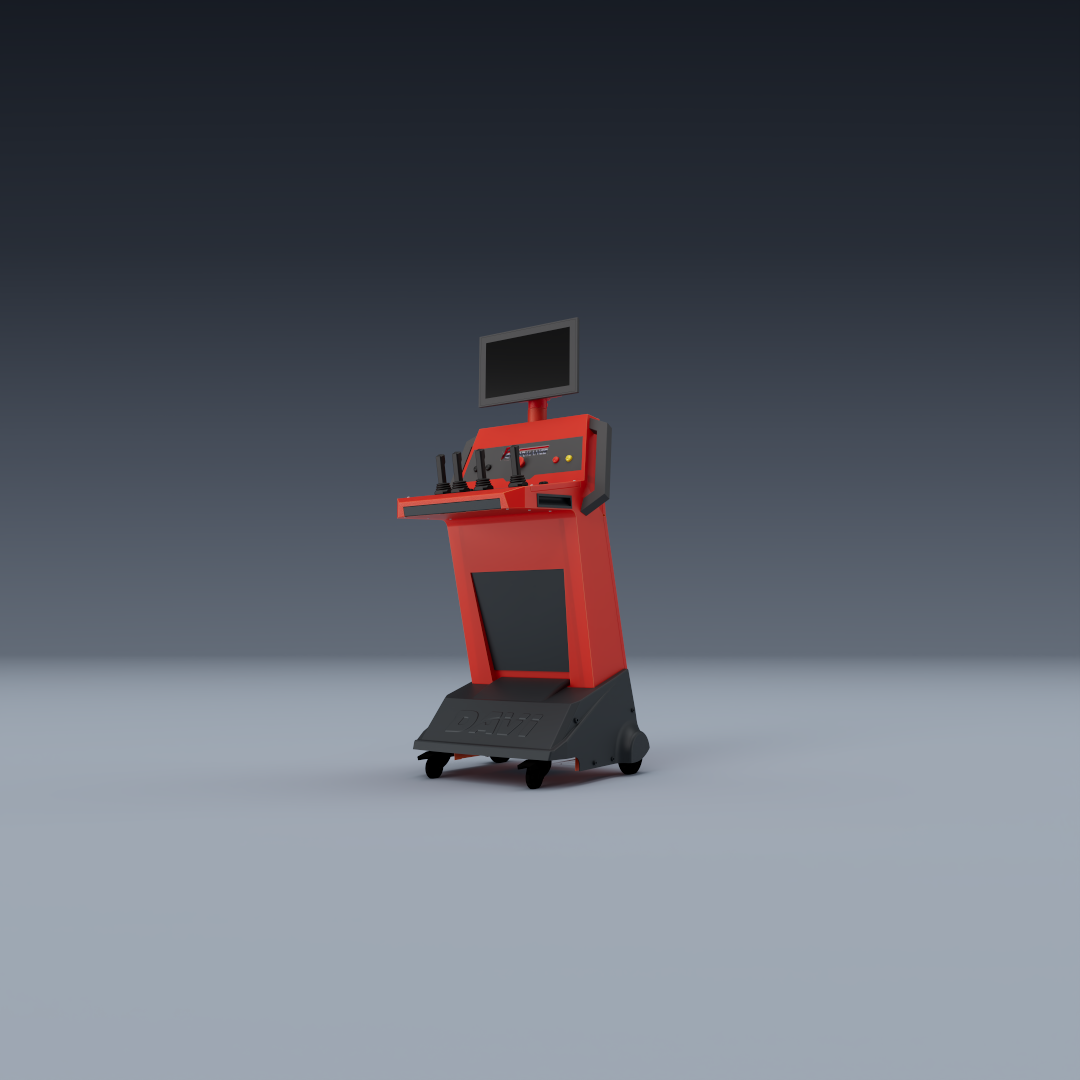
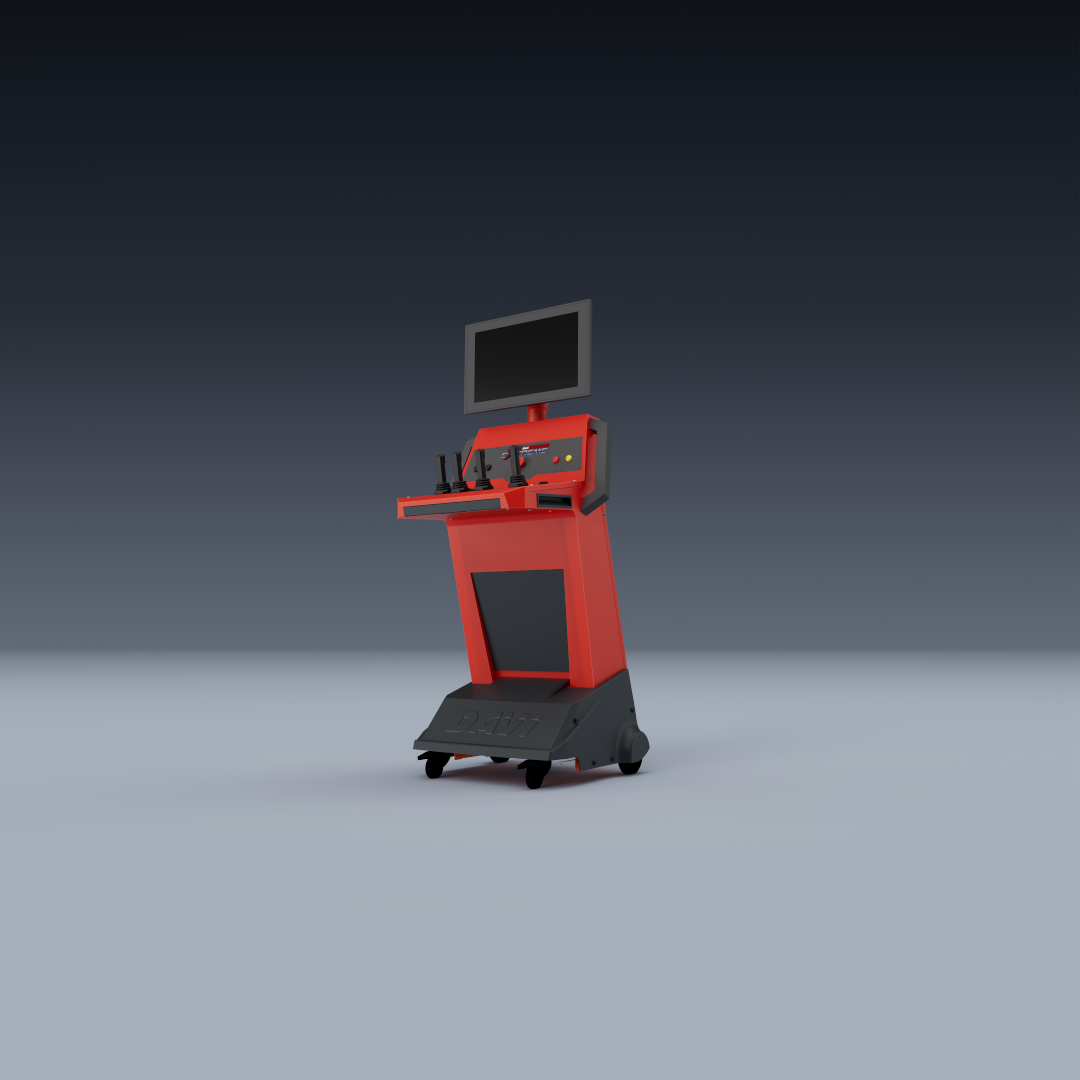
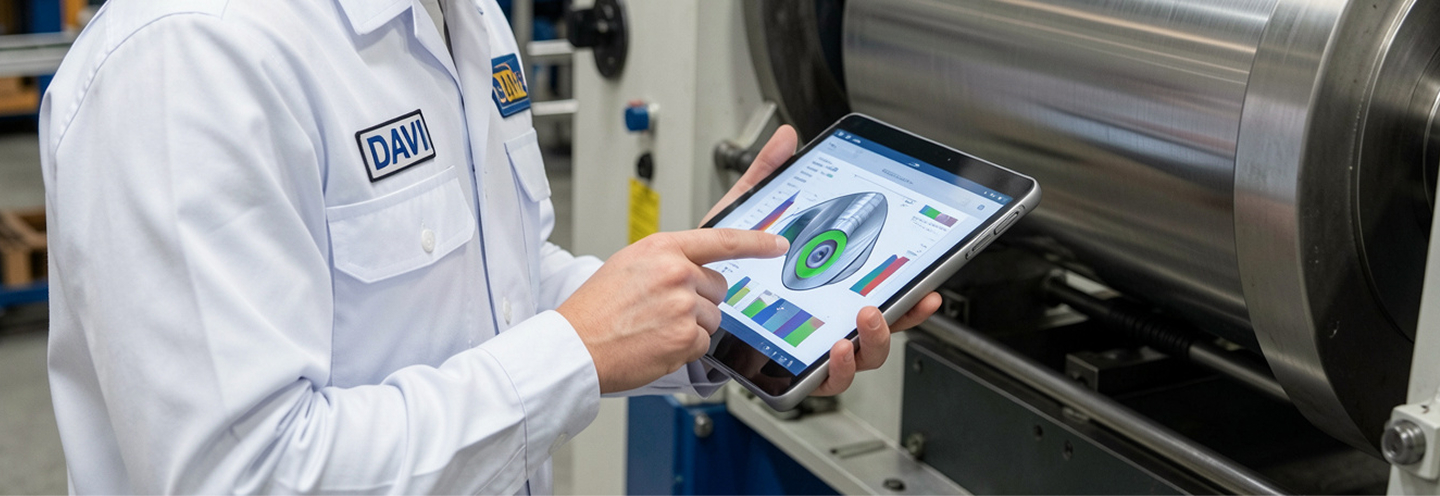
Dealing with high-yield structural steels can cause unexpected spring-back, leading to inconsistent part dimensions and slowed production lines. Yield strength is the specific stress threshold where a metal permanently deforms, meaning higher yield materials require significantly more bending power from the rolls to transition from elastic to plastic deformation. Recognizing your material's specific yield properties allows you to correctly gauge machine capacity, preventing equipment overload while ensuring accurate dimensional results. The Davi iRoll control system features a comprehensive material library that automatically factors in yield strength to calculate exact bending programs.
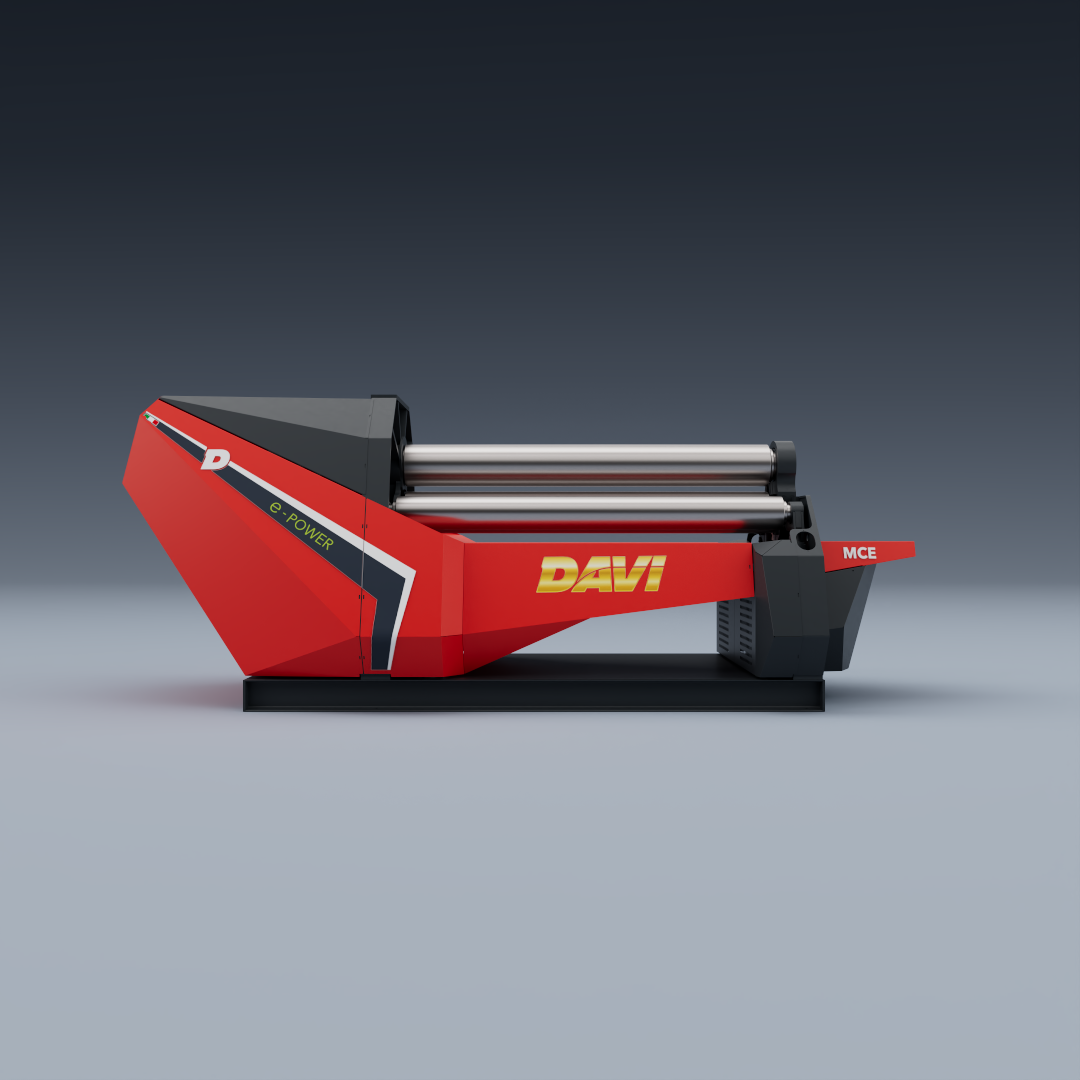
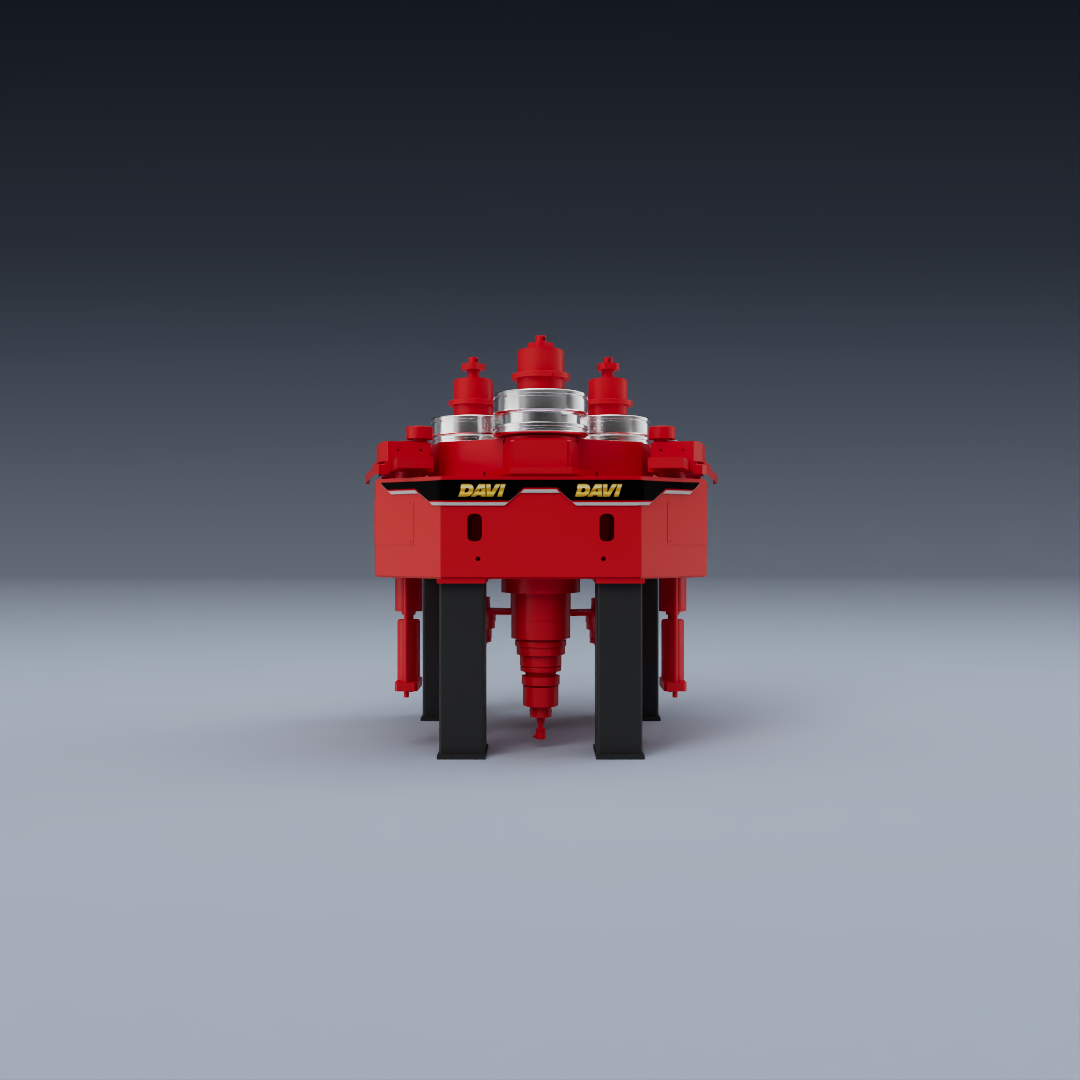
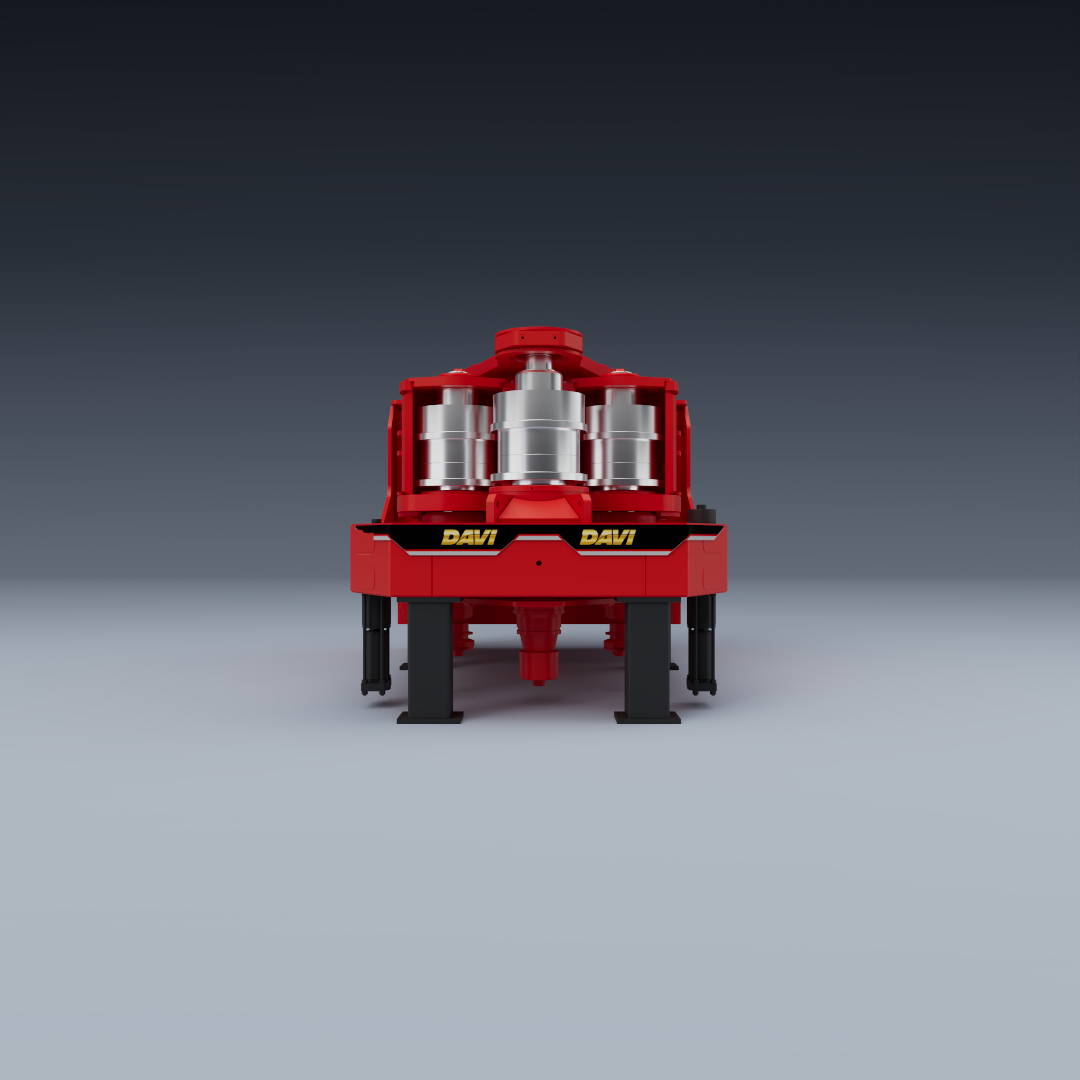
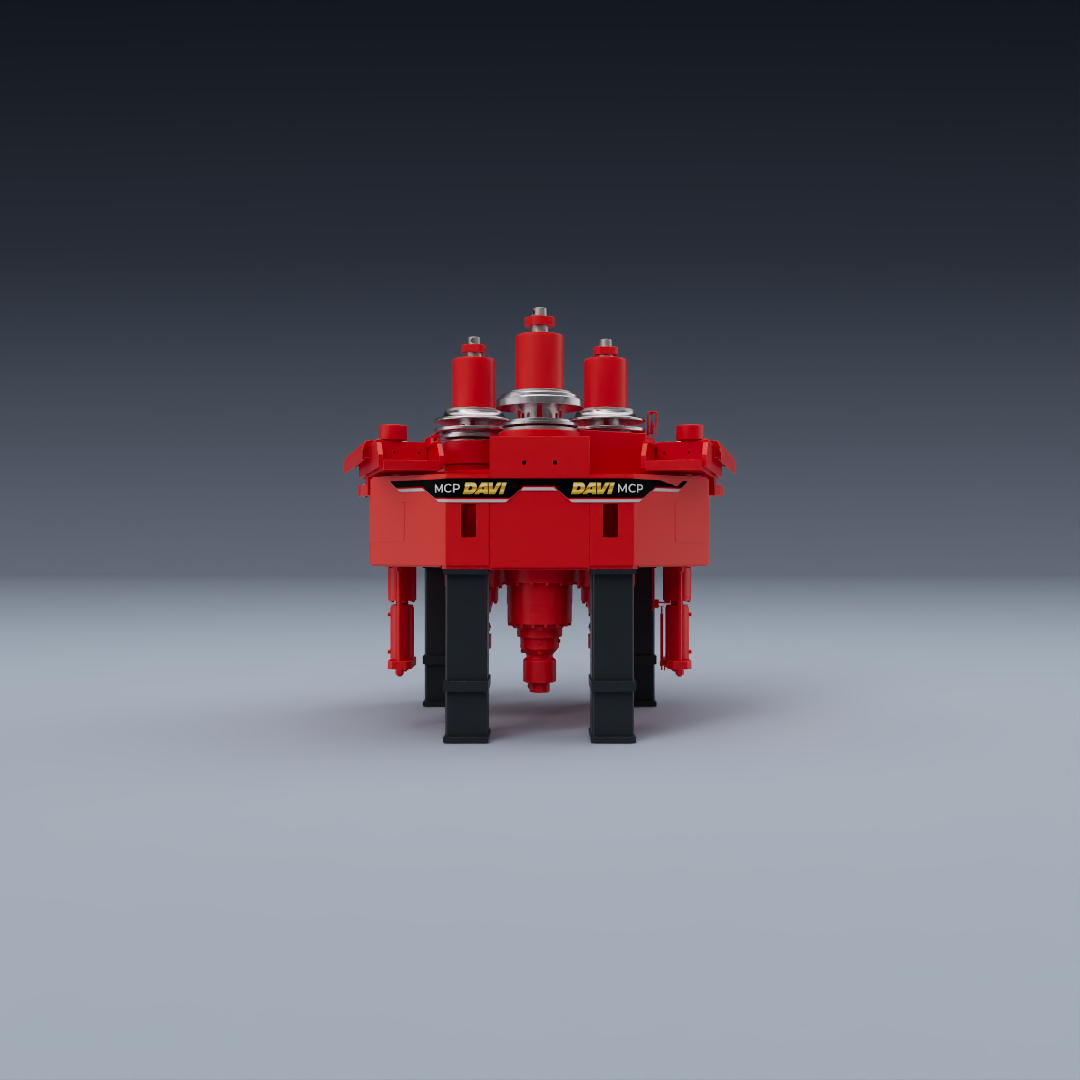
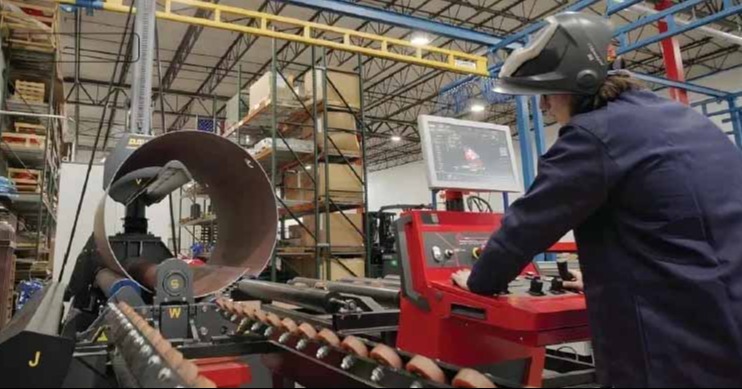
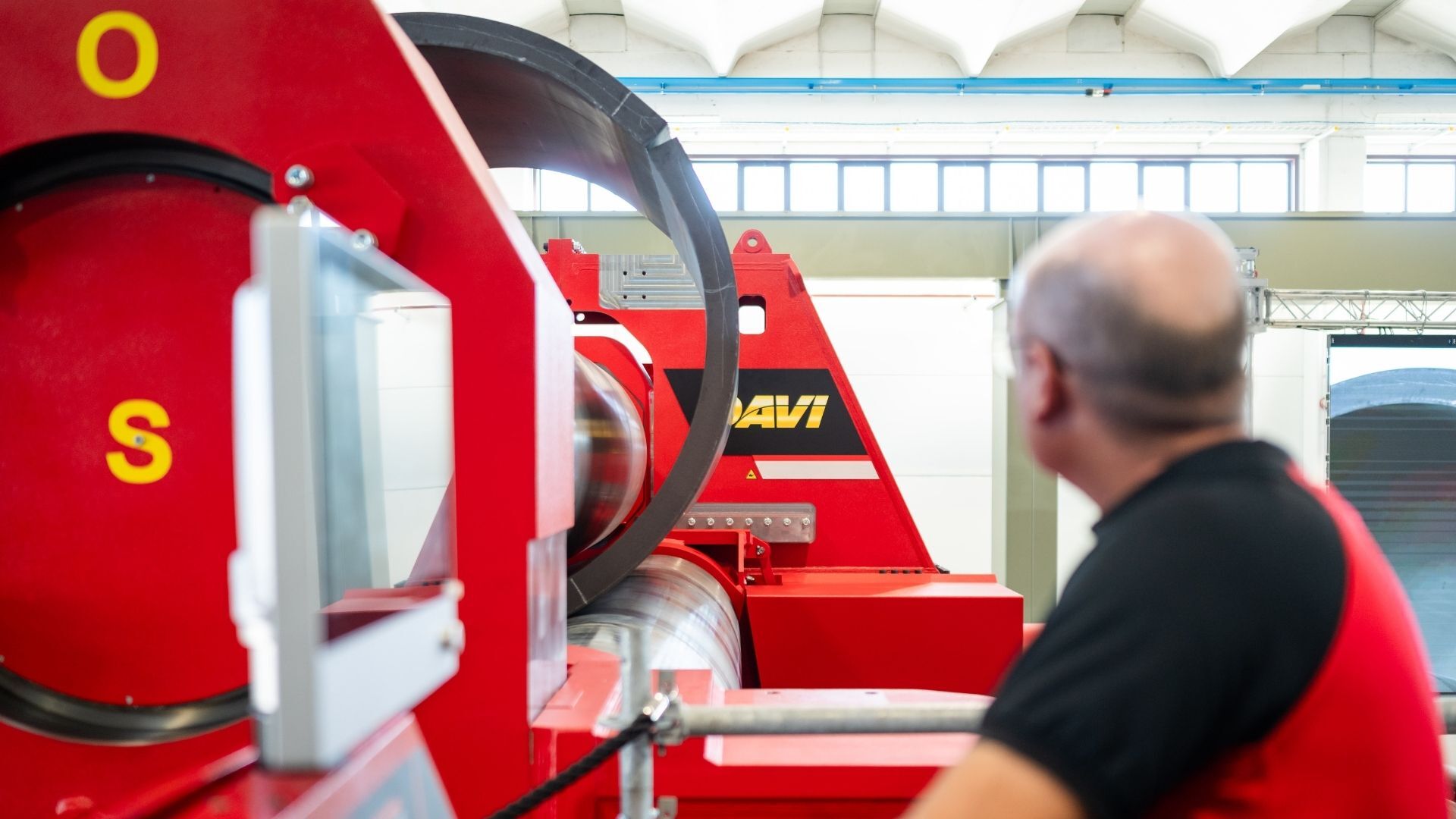
Uneven load distribution during heavy forming cycles can cause parts to warp and deviate from engineering drawings. Mechanical symmetry ensures that the frame elements and hydraulic forces are balanced identically across the centerline of the machine. It provides uniform pressure distribution along the entire width of the plate, minimizing part twisting and reducing manual rework. Davi 3-roll machines are engineered with full mechanical symmetry to optimize force distribution under maximum load.
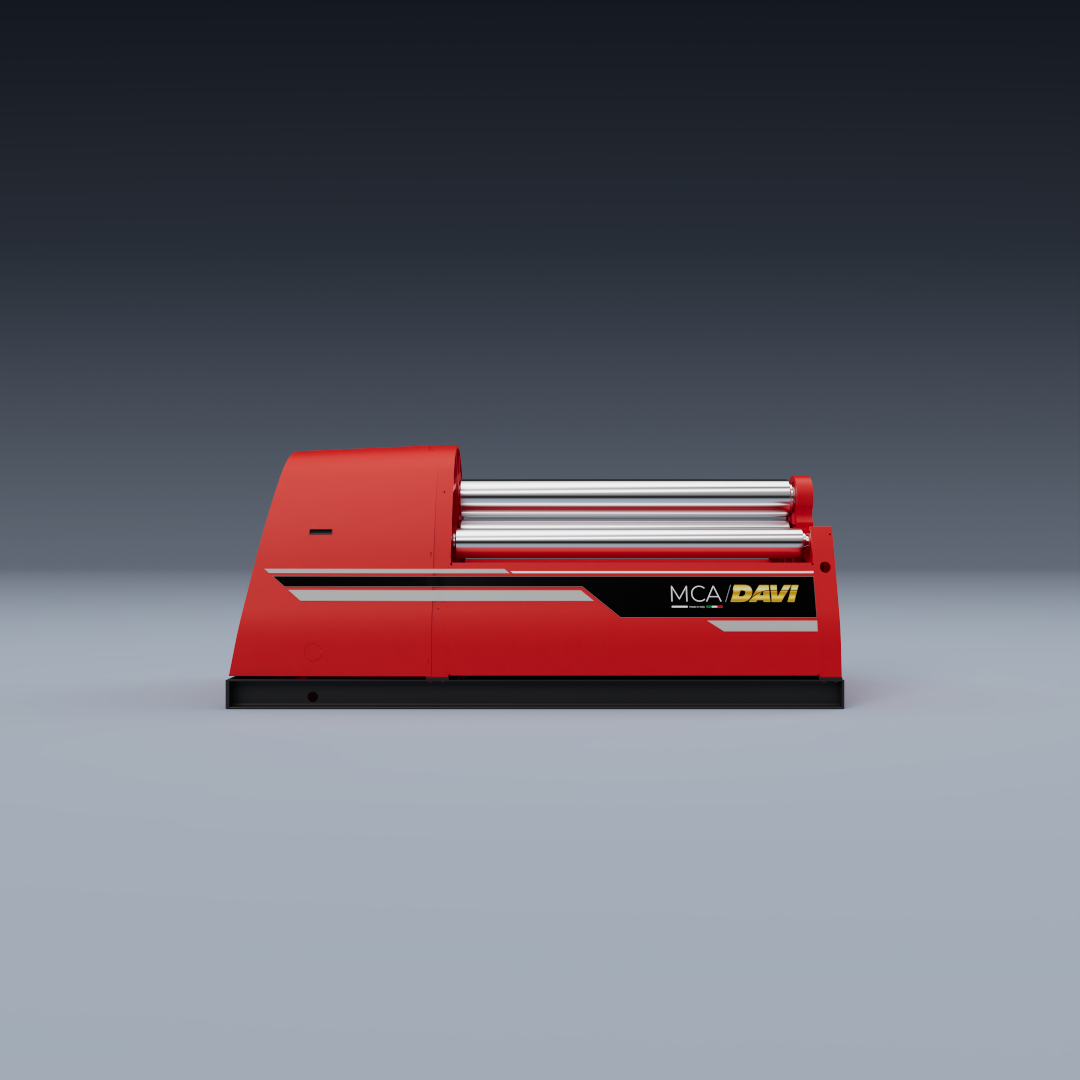
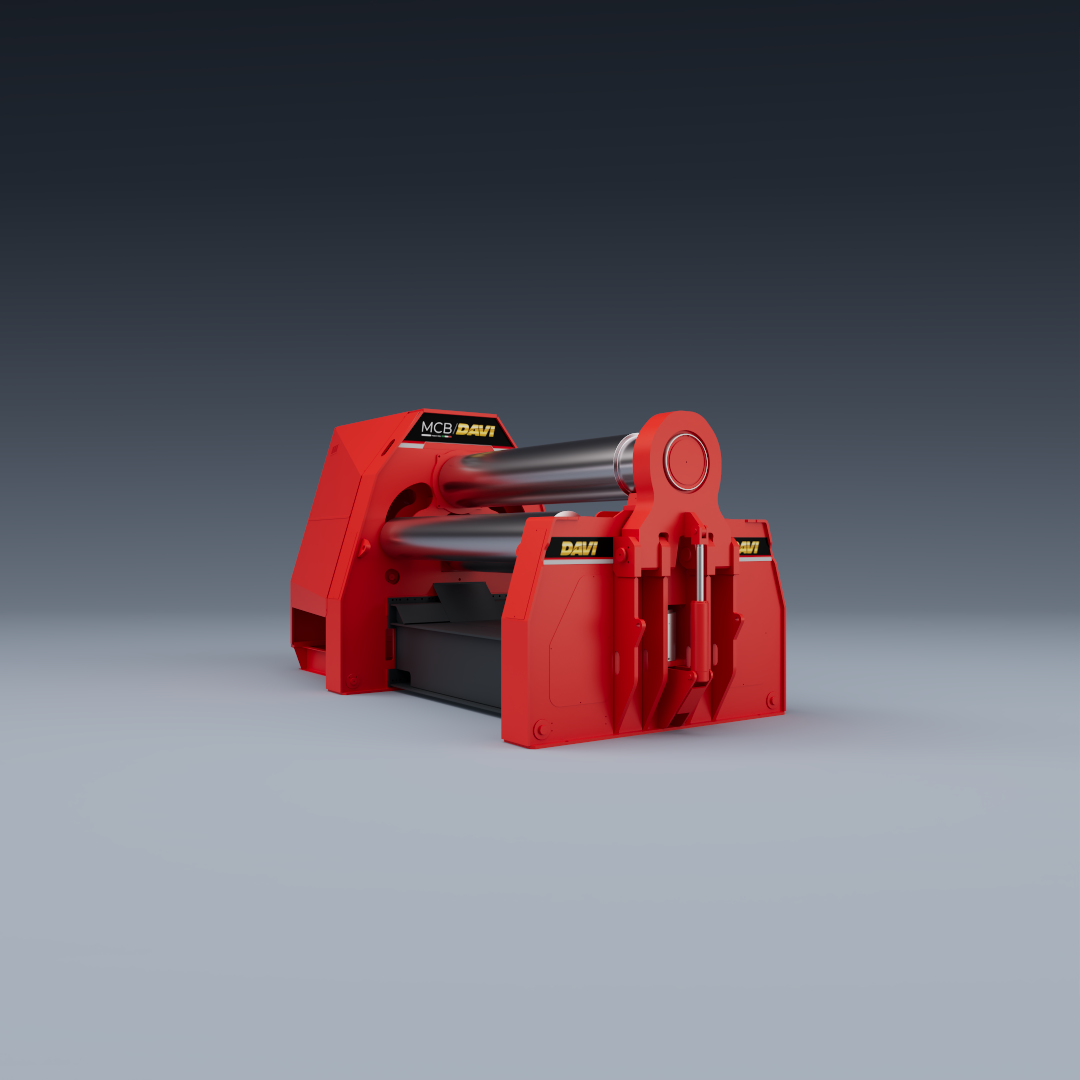
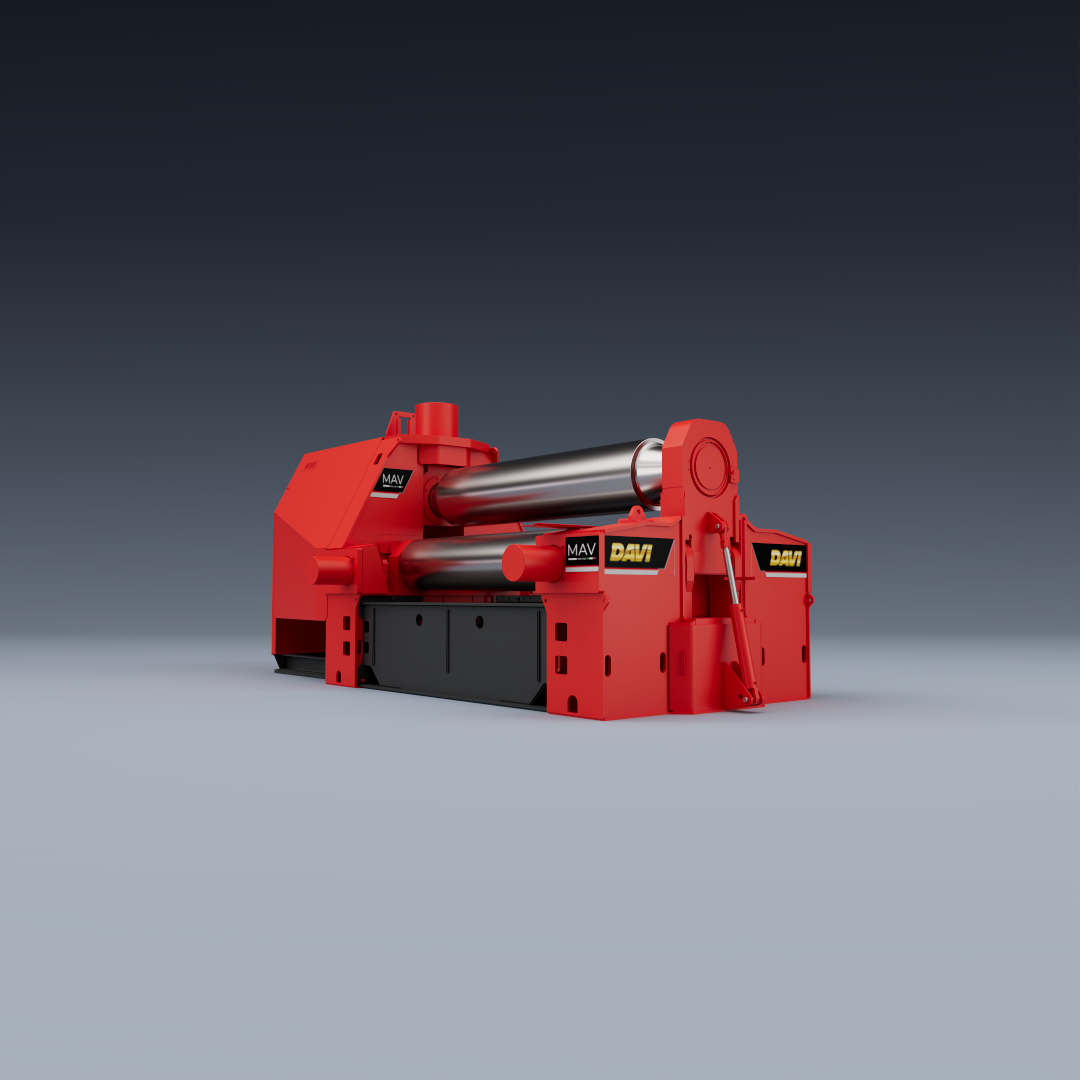
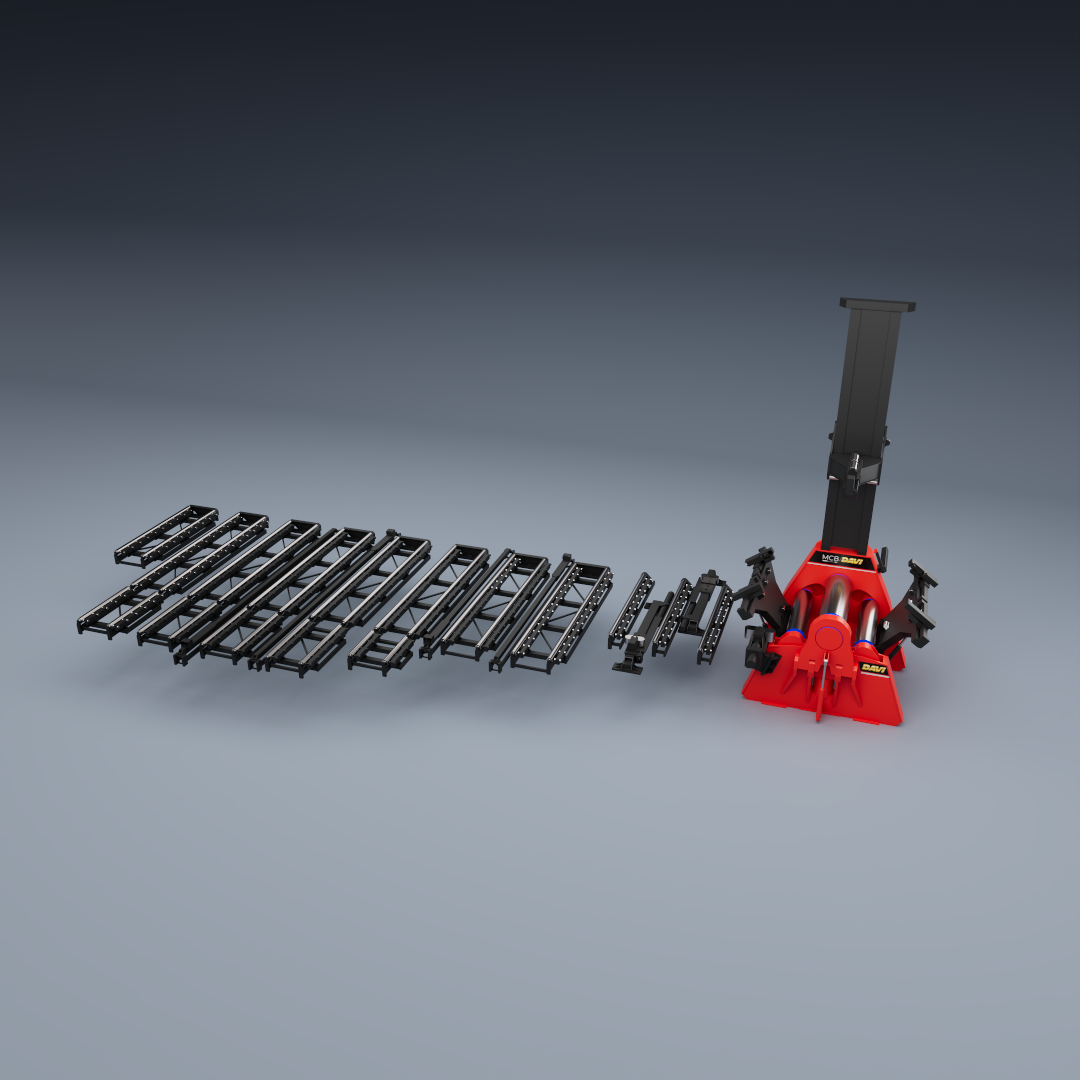
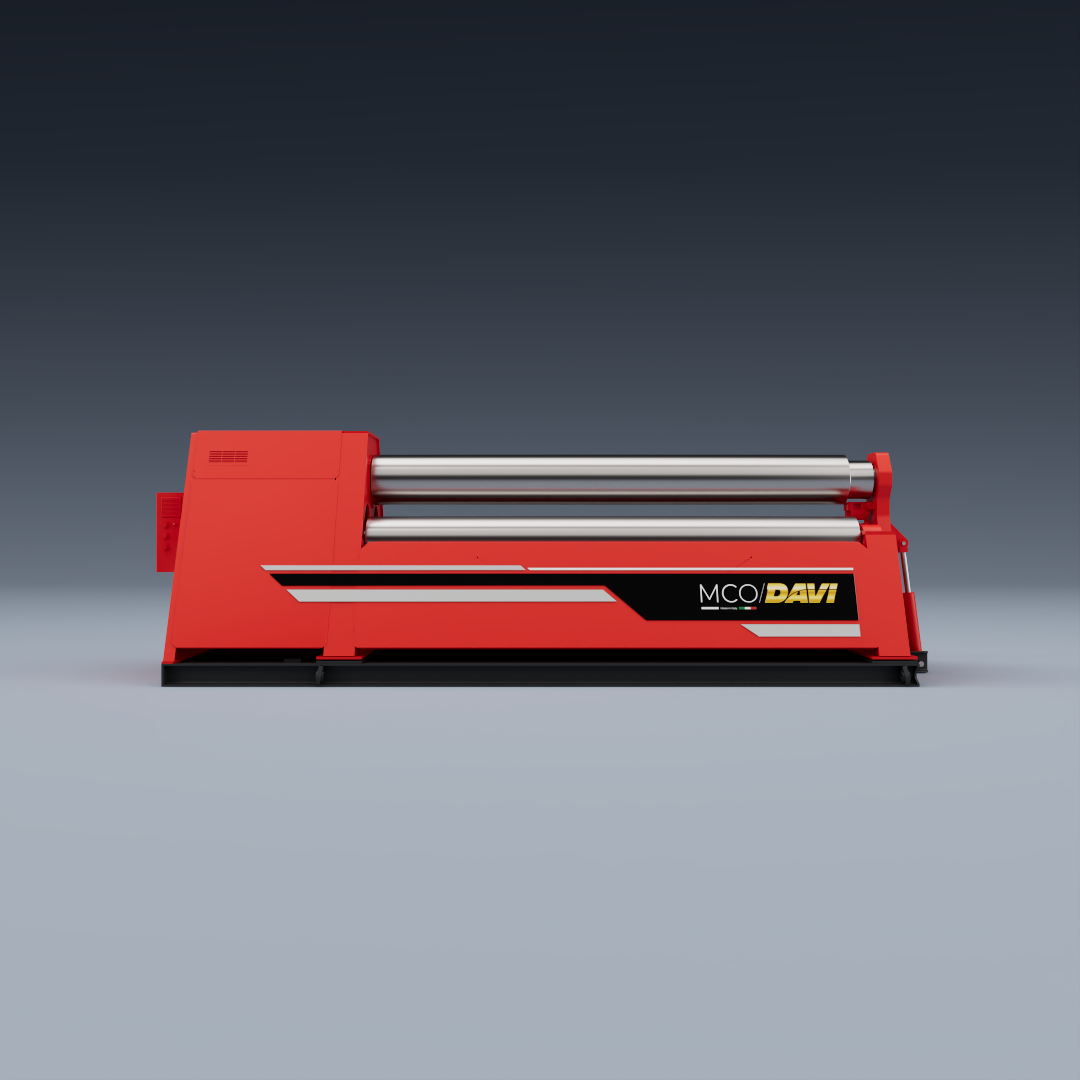
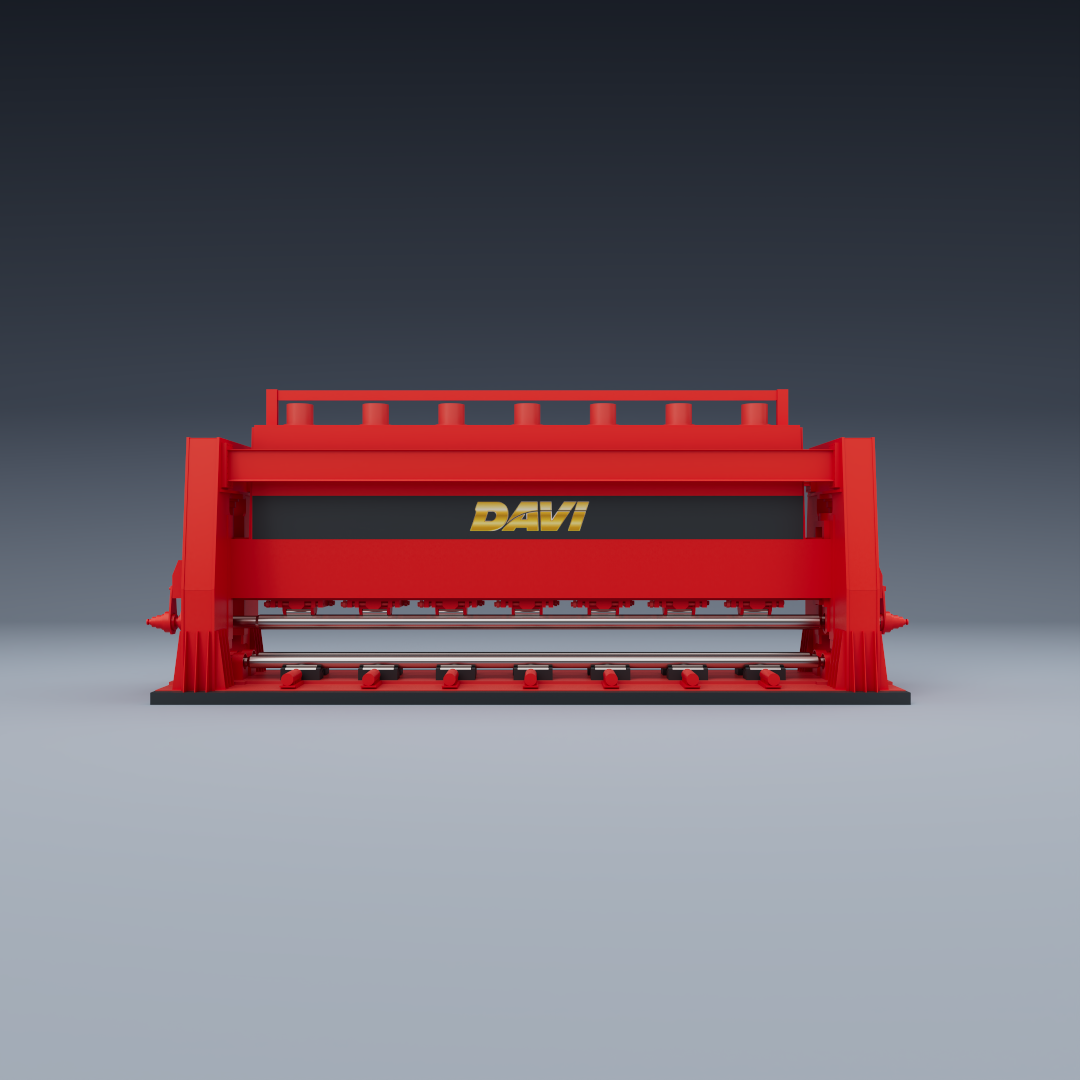
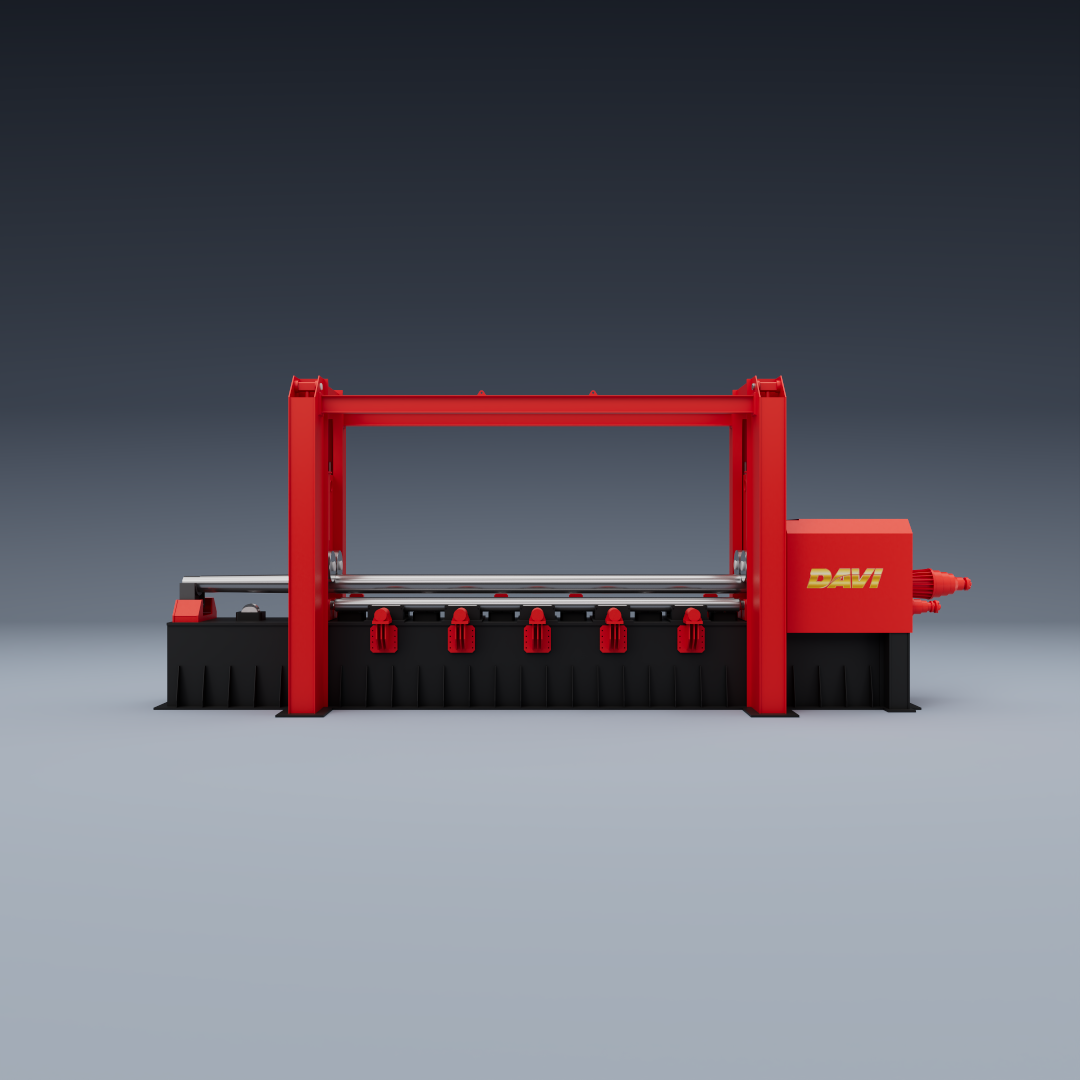
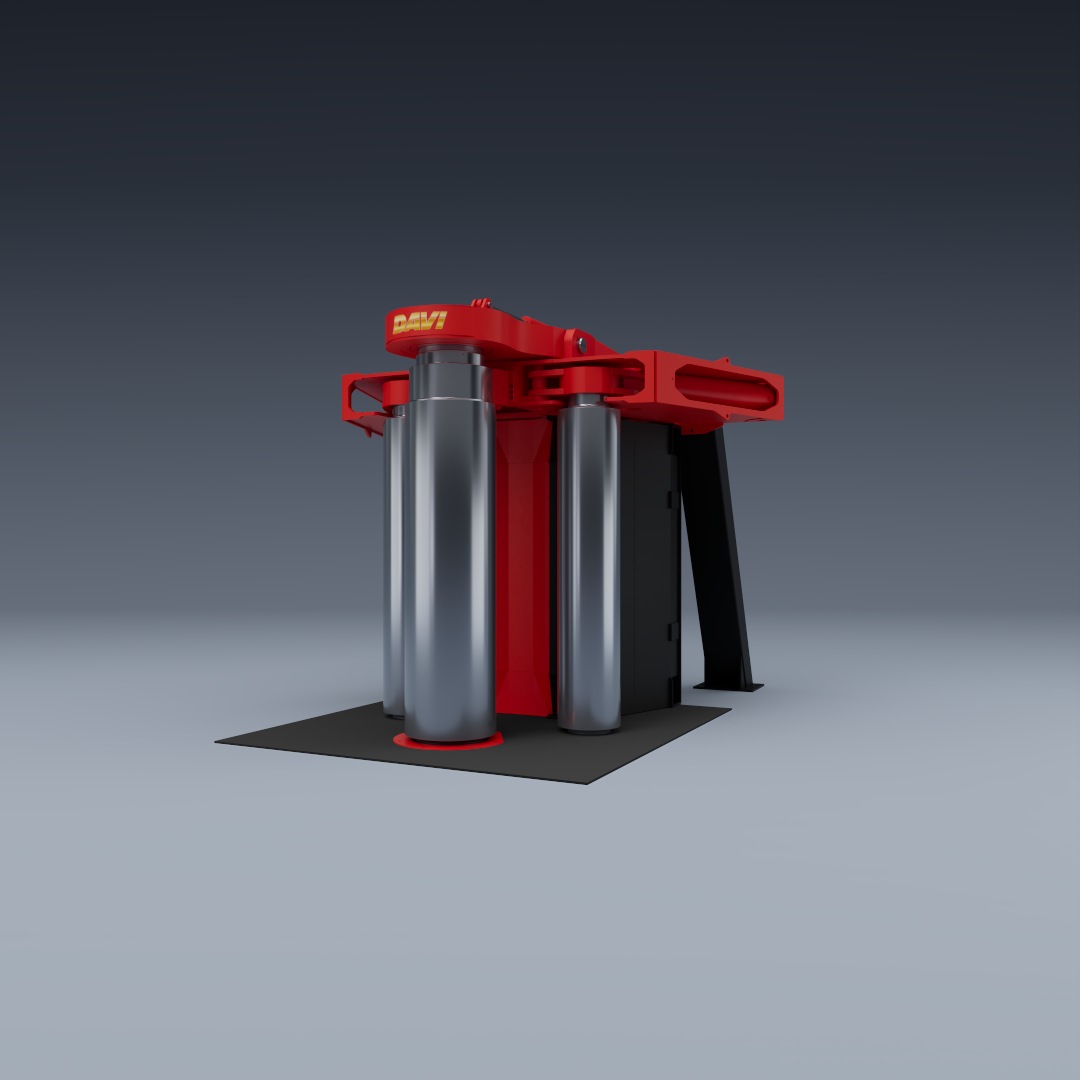
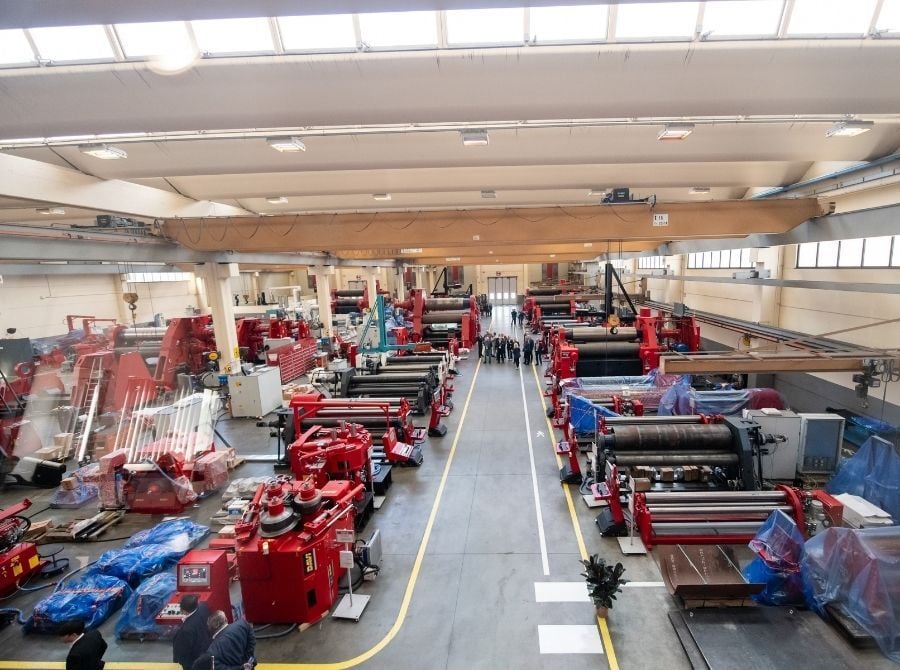
Installing heavy plate rolling equipment often involves unexpected civil engineering costs, prolonged factory downtime, and complex foundation excavation. Davi engineers its 3-roll and 4-roll plate rolls with sturdy, compact, closed intra-frame structures that incorporate heavy reinforcement tie-beams directly between the side frames rather than beneath a base platform. This structural approach maximizes machine rigidity, minimizes deflections under full load, and drastically reduces the required pit depth—allowing most standard to mid-capacity models (such as the MCA and MCB lines) to be installed directly on a standard 300 mm (12 in) workshop floor without deep foundation pits. By minimizing spatial footprints and eliminating extensive excavation work, Davi reduces upfront installation expenses, simplifies floor layout planning, and allows fast equipment commissioning by internal factory personnel or field service teams.