






Glossary
1 MIN READ
Forming Radius
The targeted radius of curvature generated on a workpiece during the bending process, measured either internally or externally.
Technical FAQ
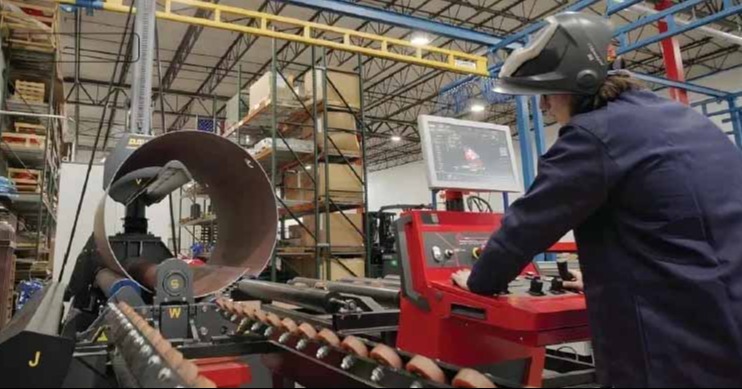
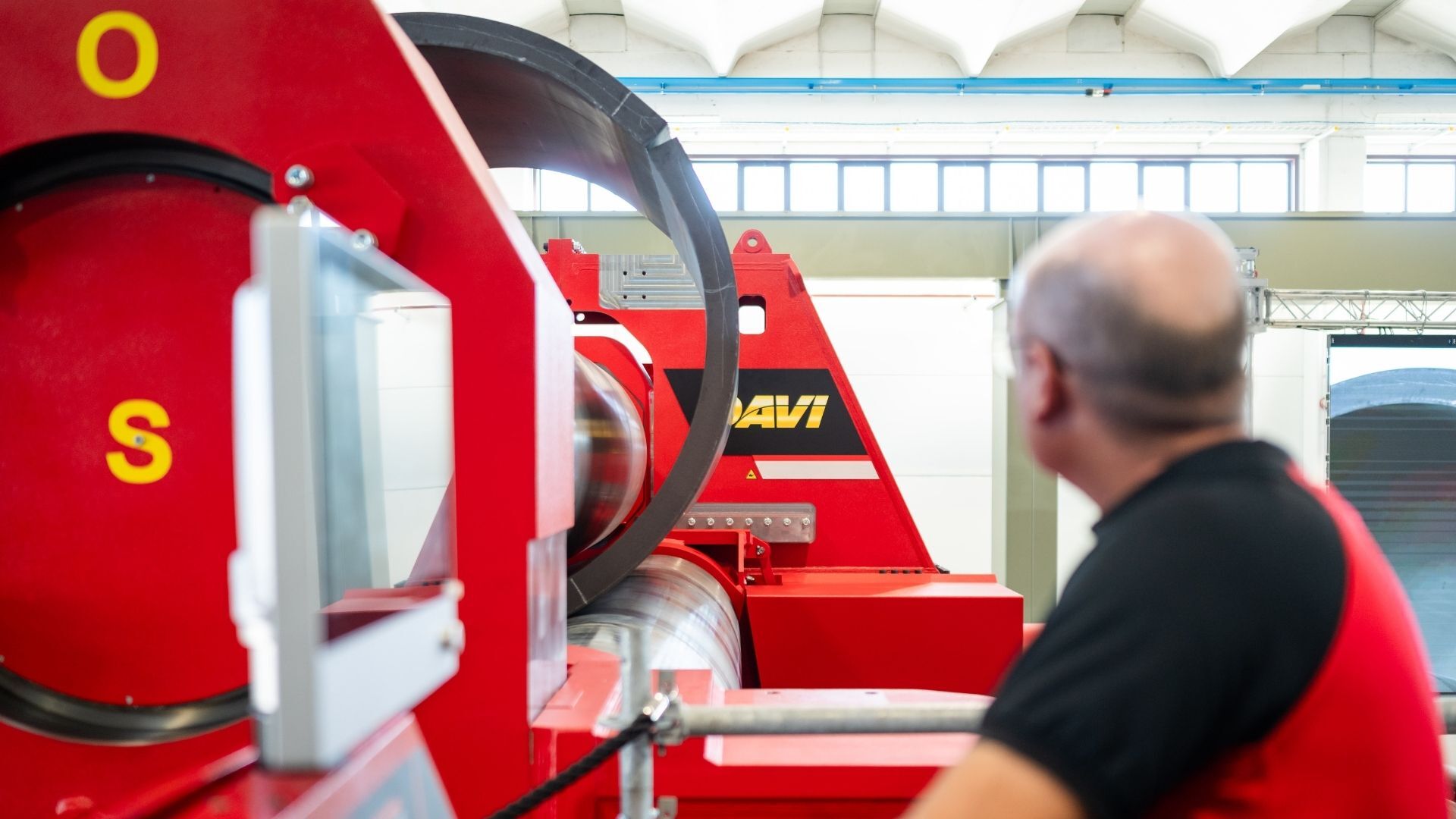
Eliminating material waste and avoiding secondary cutting operations is a primary goal for high-productivity job shops looking to protect their margins. A flat end is the straight, unbent section left at the leading and trailing edges of a plate because the material cannot physically reach the exact tangent contact point between the machine rolls. Minimizing this straight section directly reduces material scrap and eliminates the time-consuming process of pre-bending plates on a separate press brake, thereby accelerating overall floor cycle times. Utilizing Davi all-rolls-drive technology ensures the plate can be positioned precisely at the tangent point to achieve the shortest flat end possible without compromising safety.
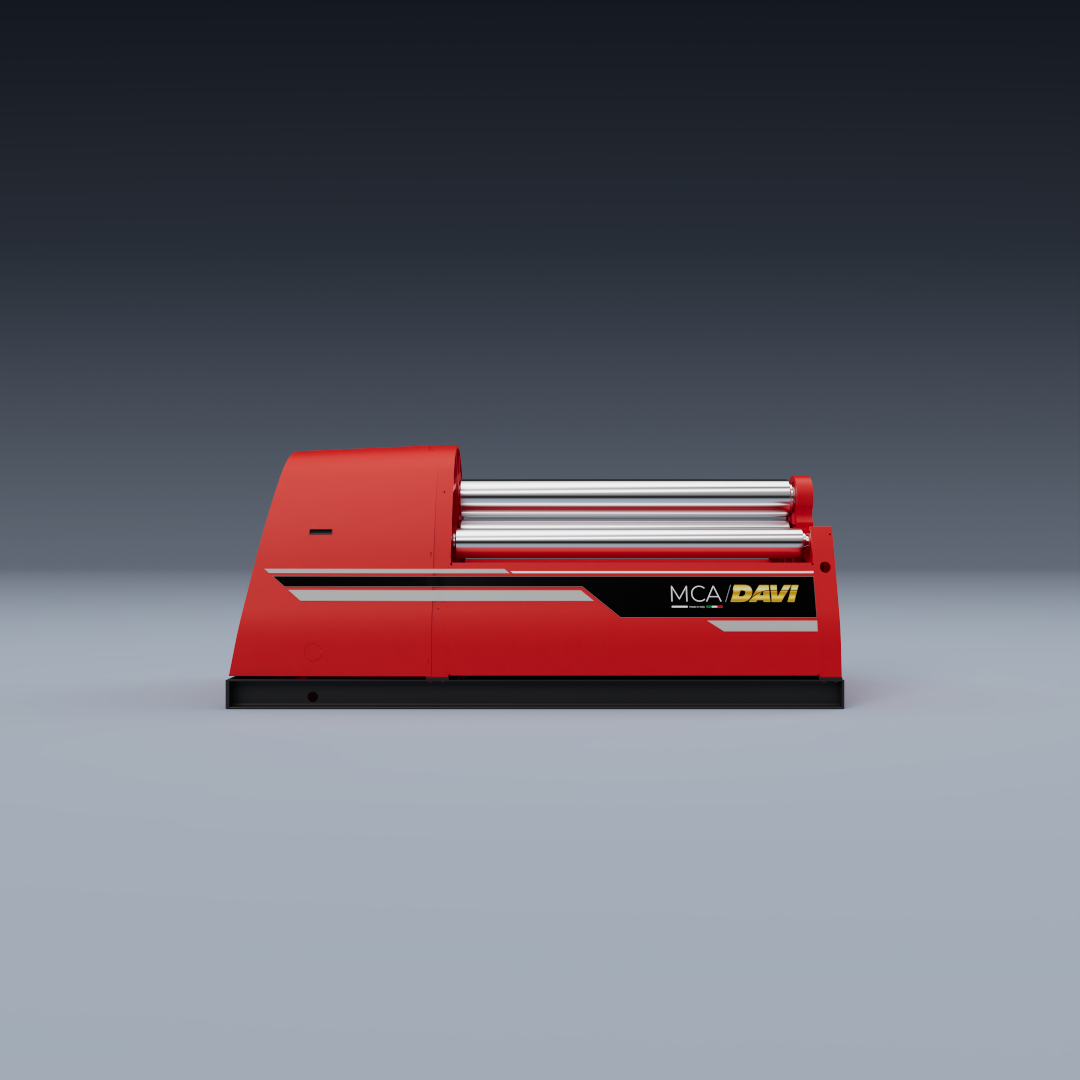
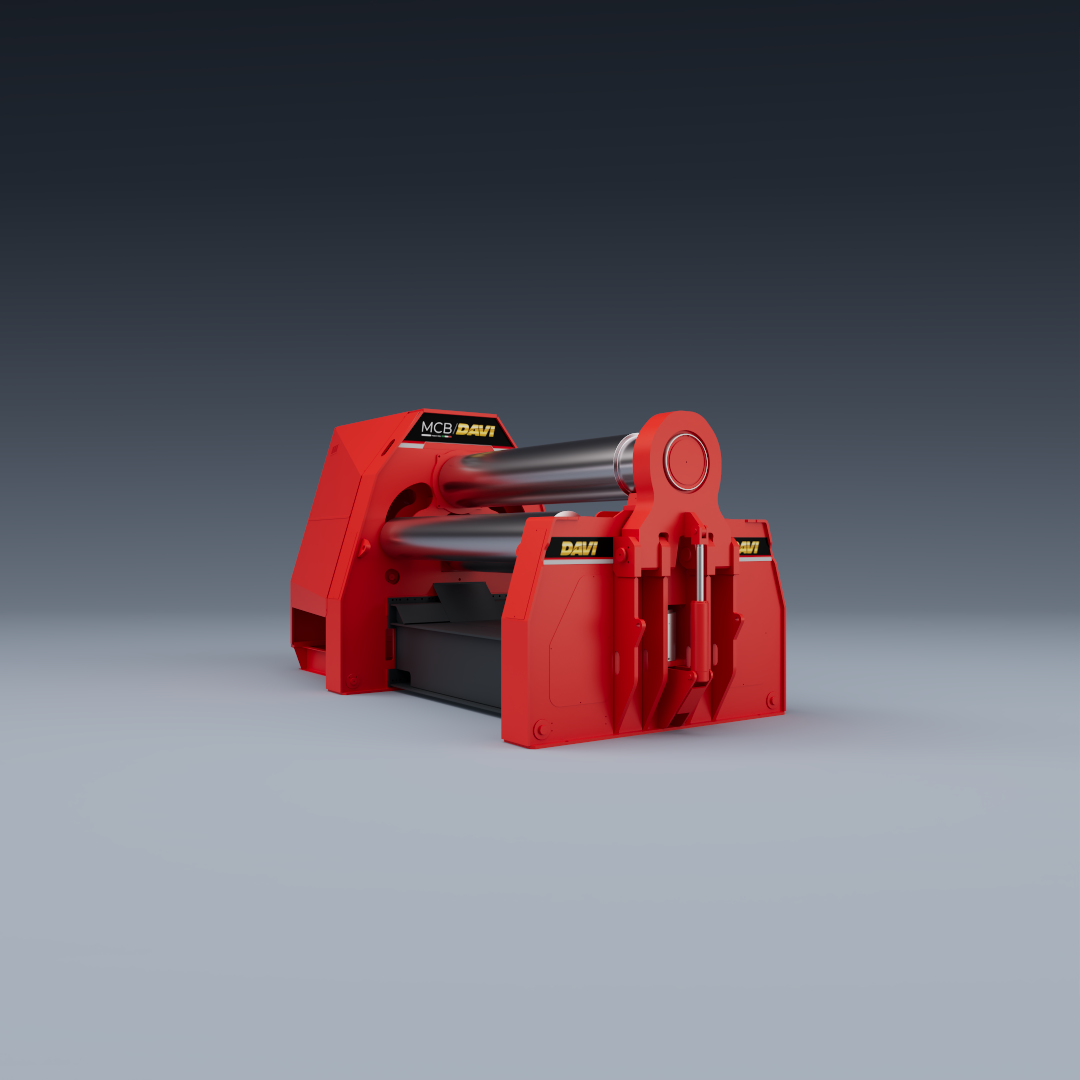
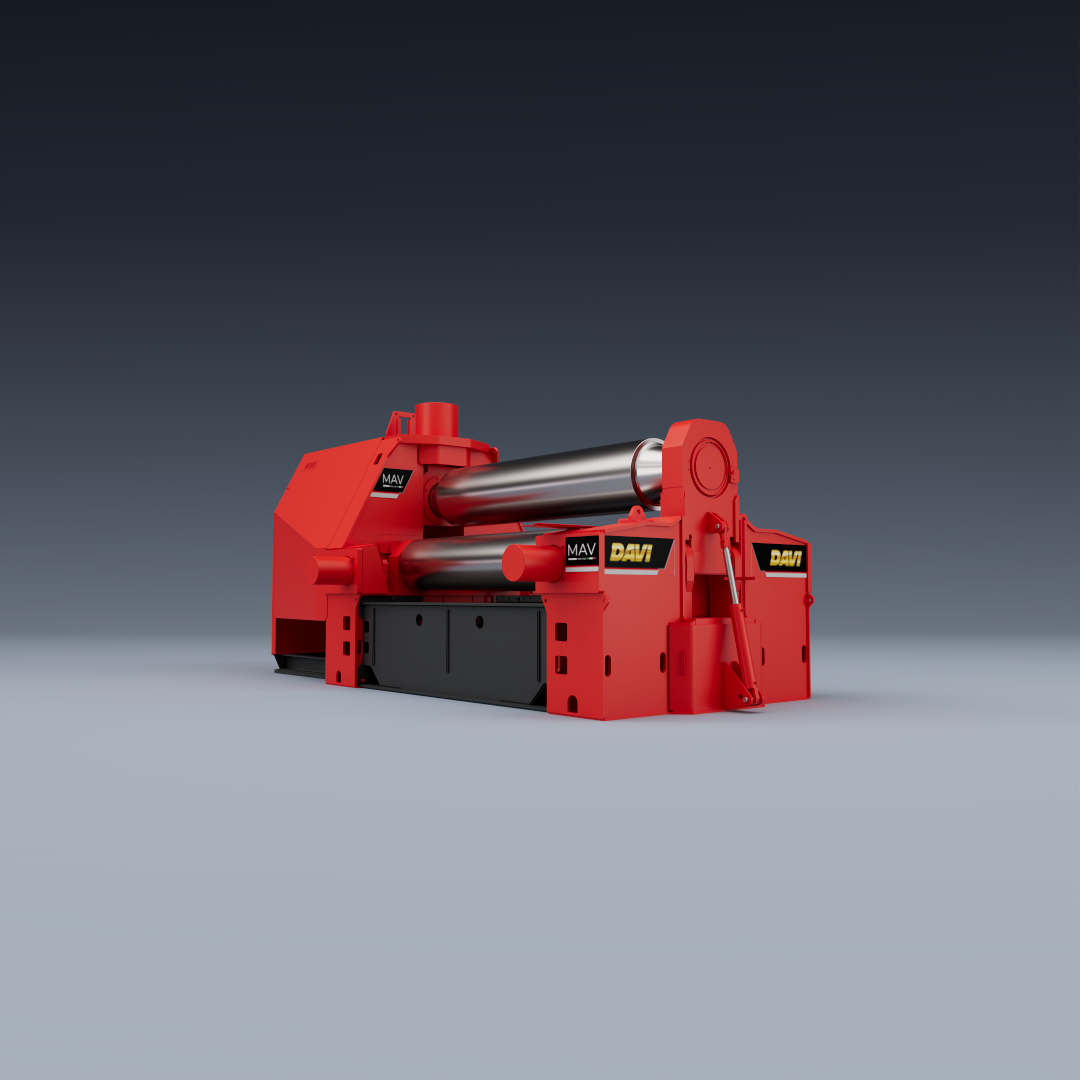
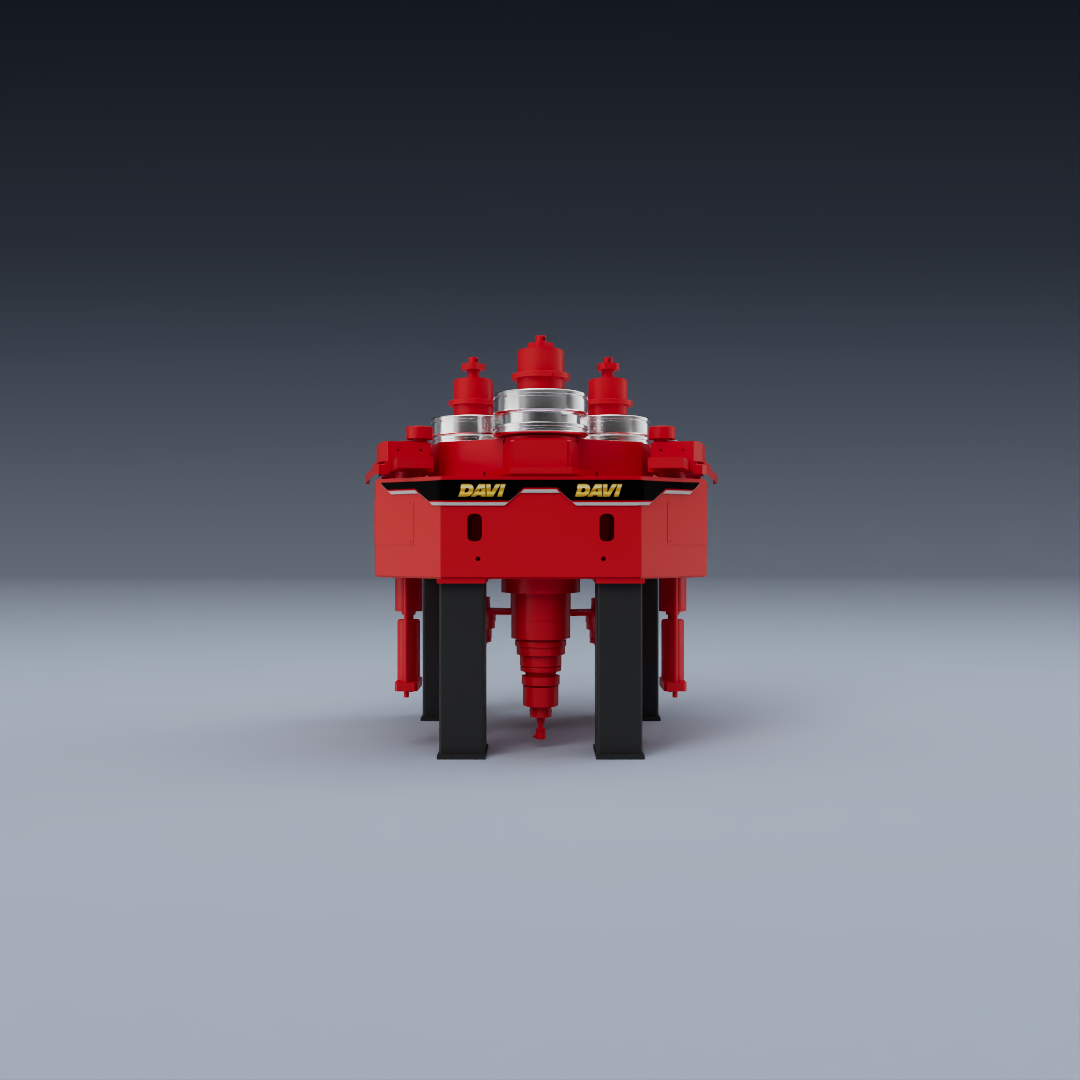
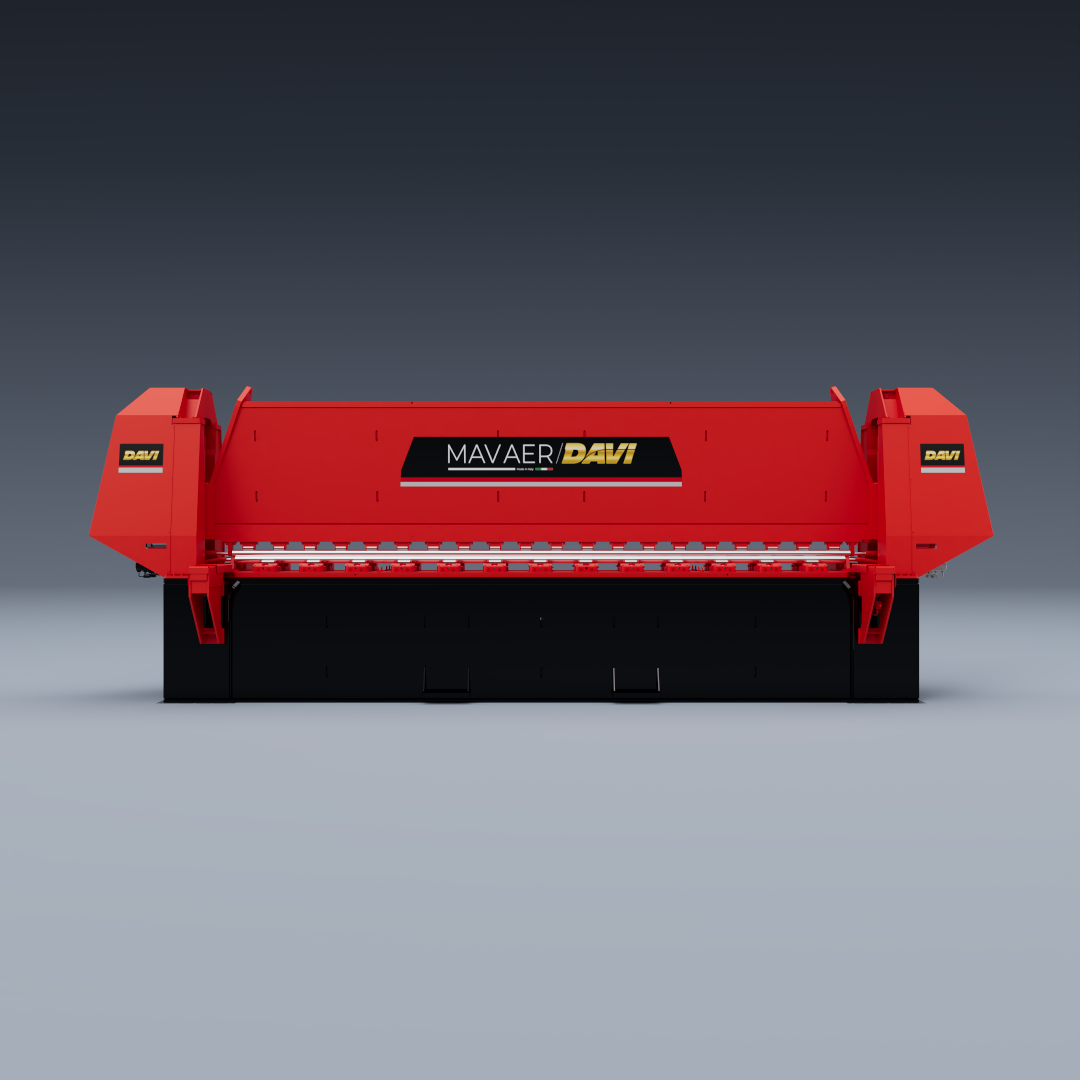
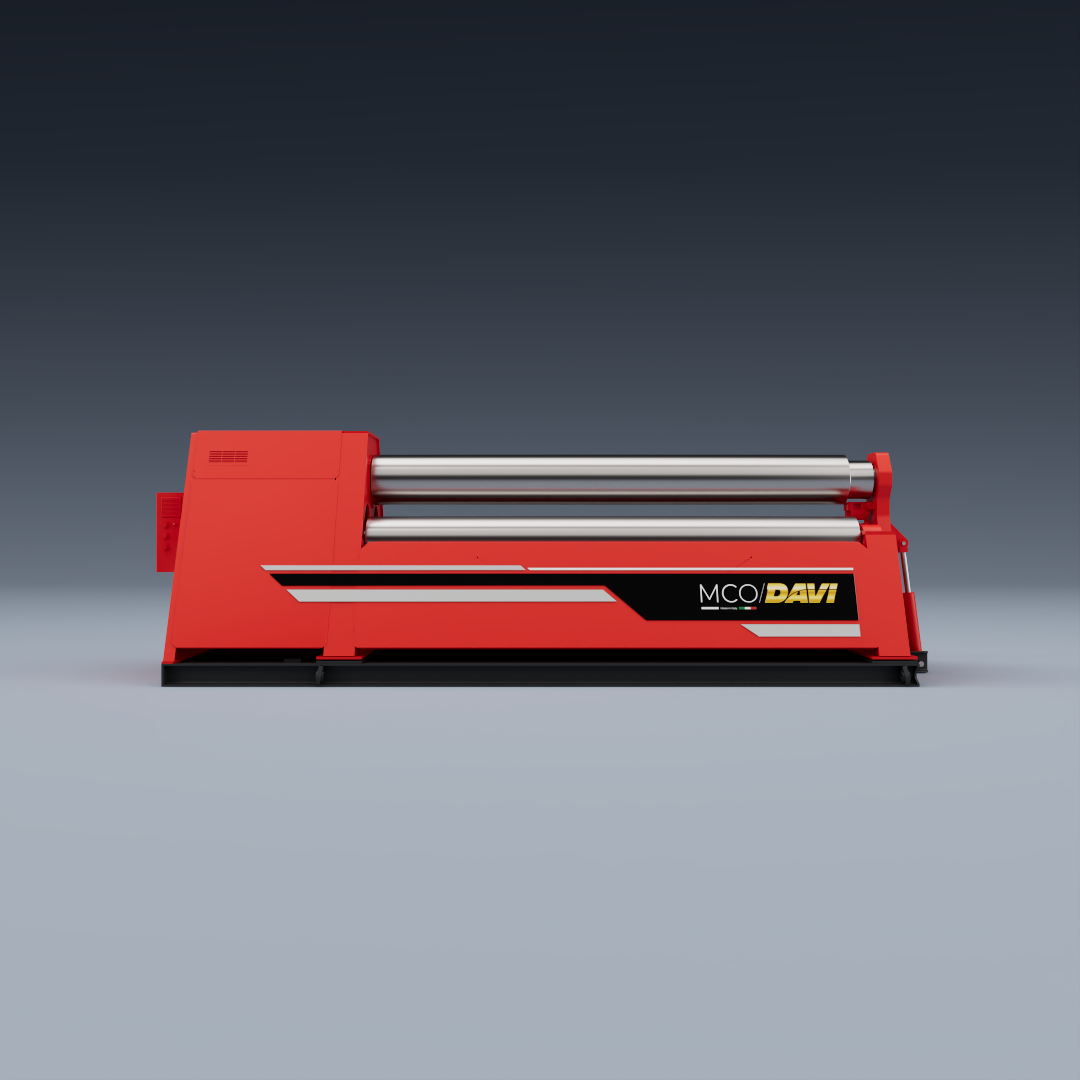
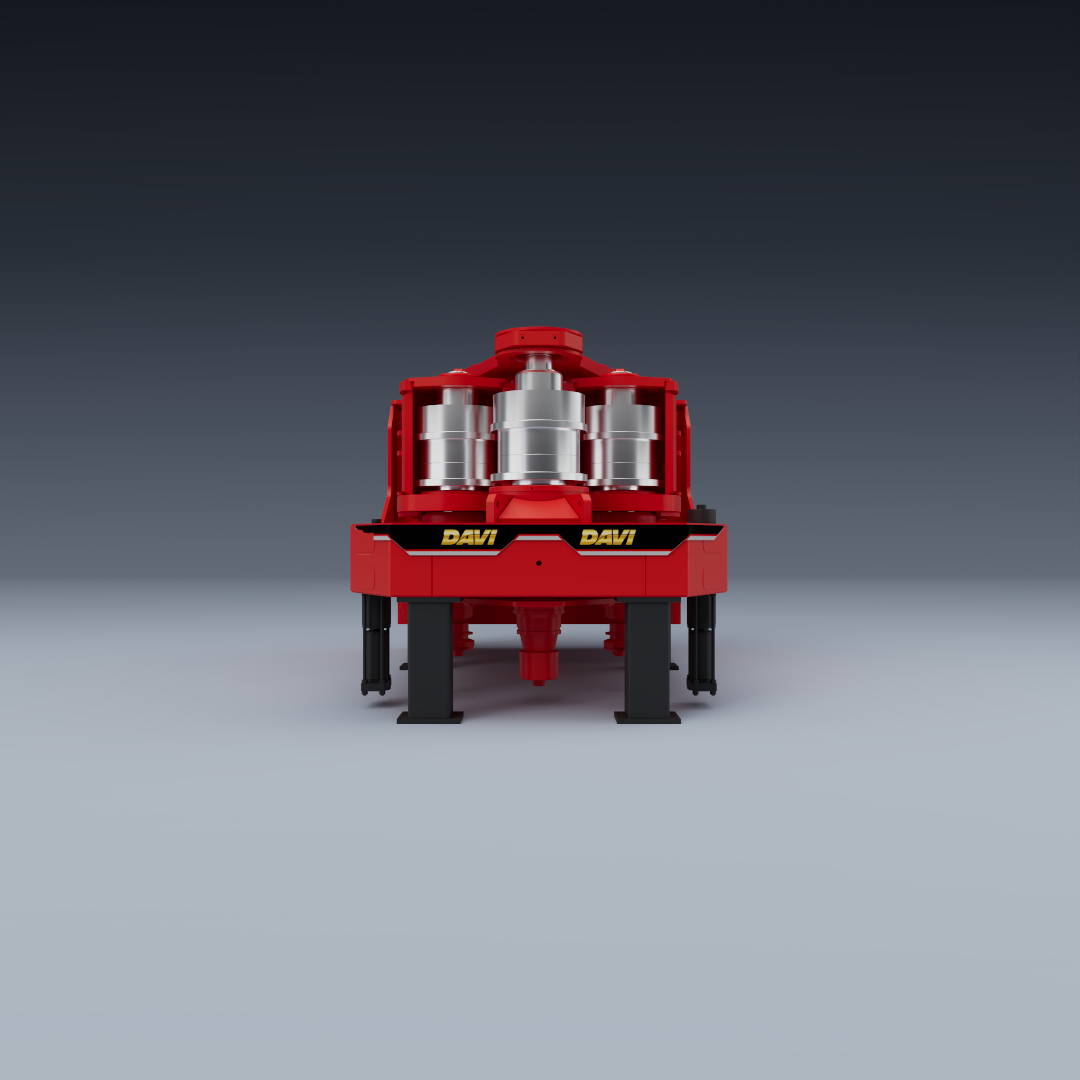
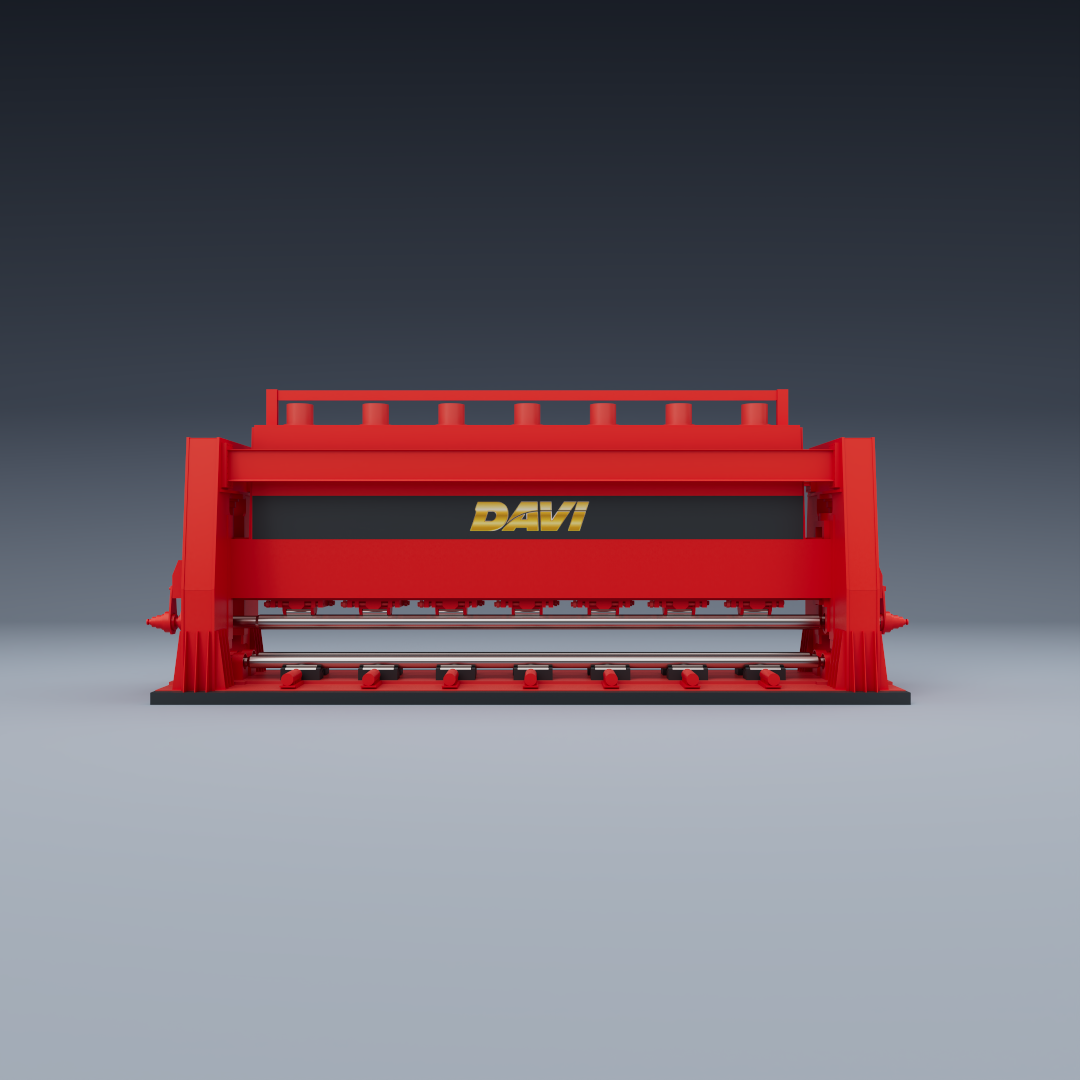
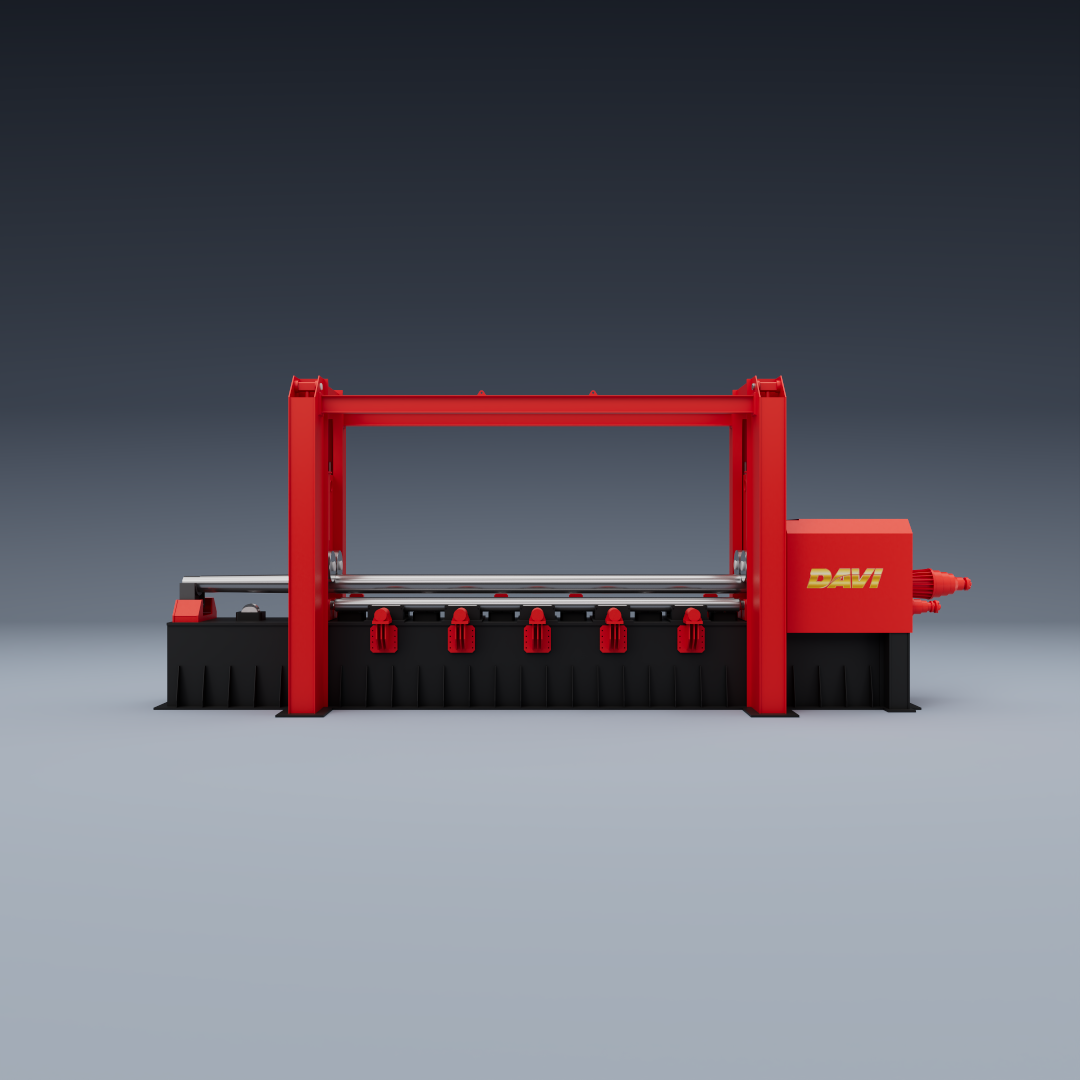
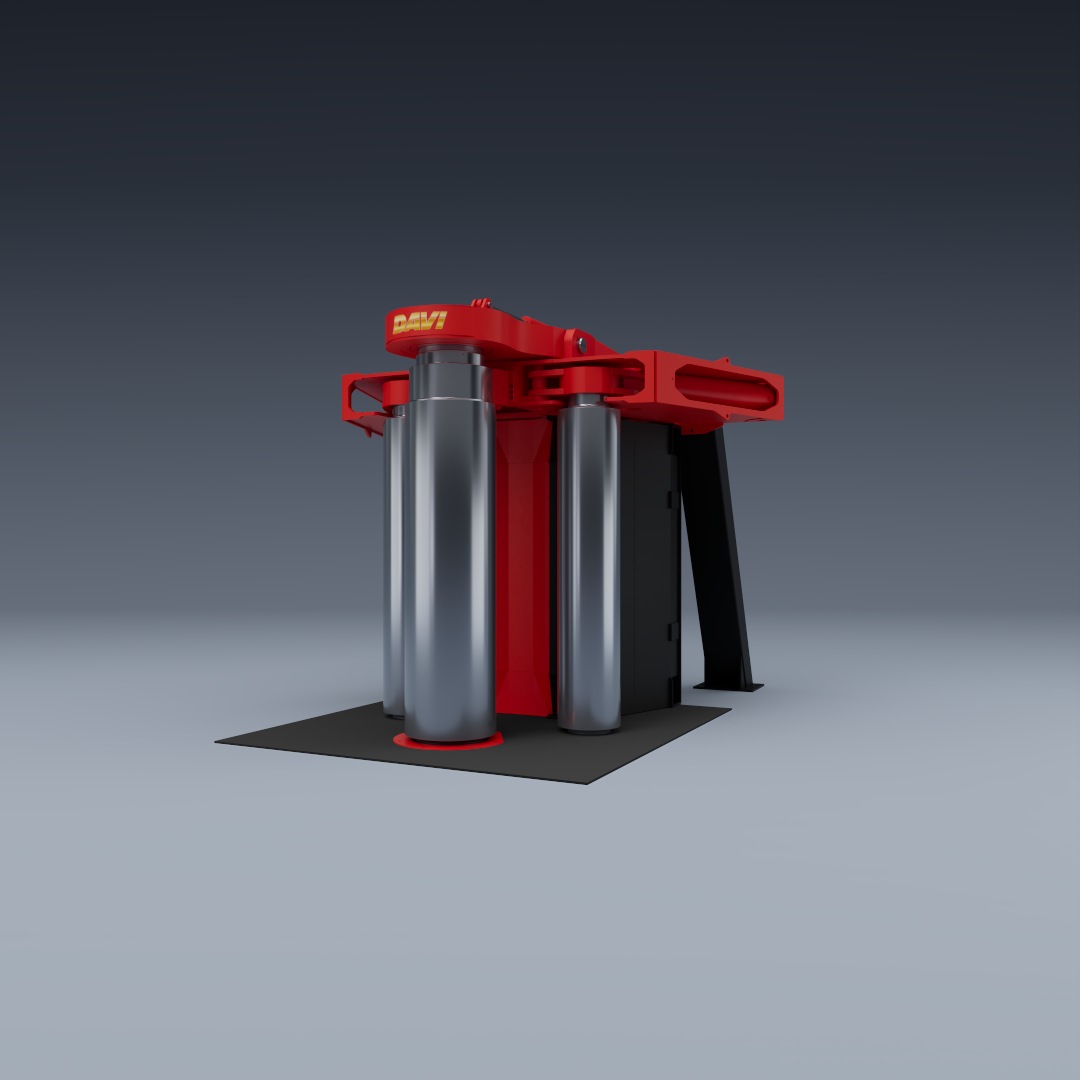
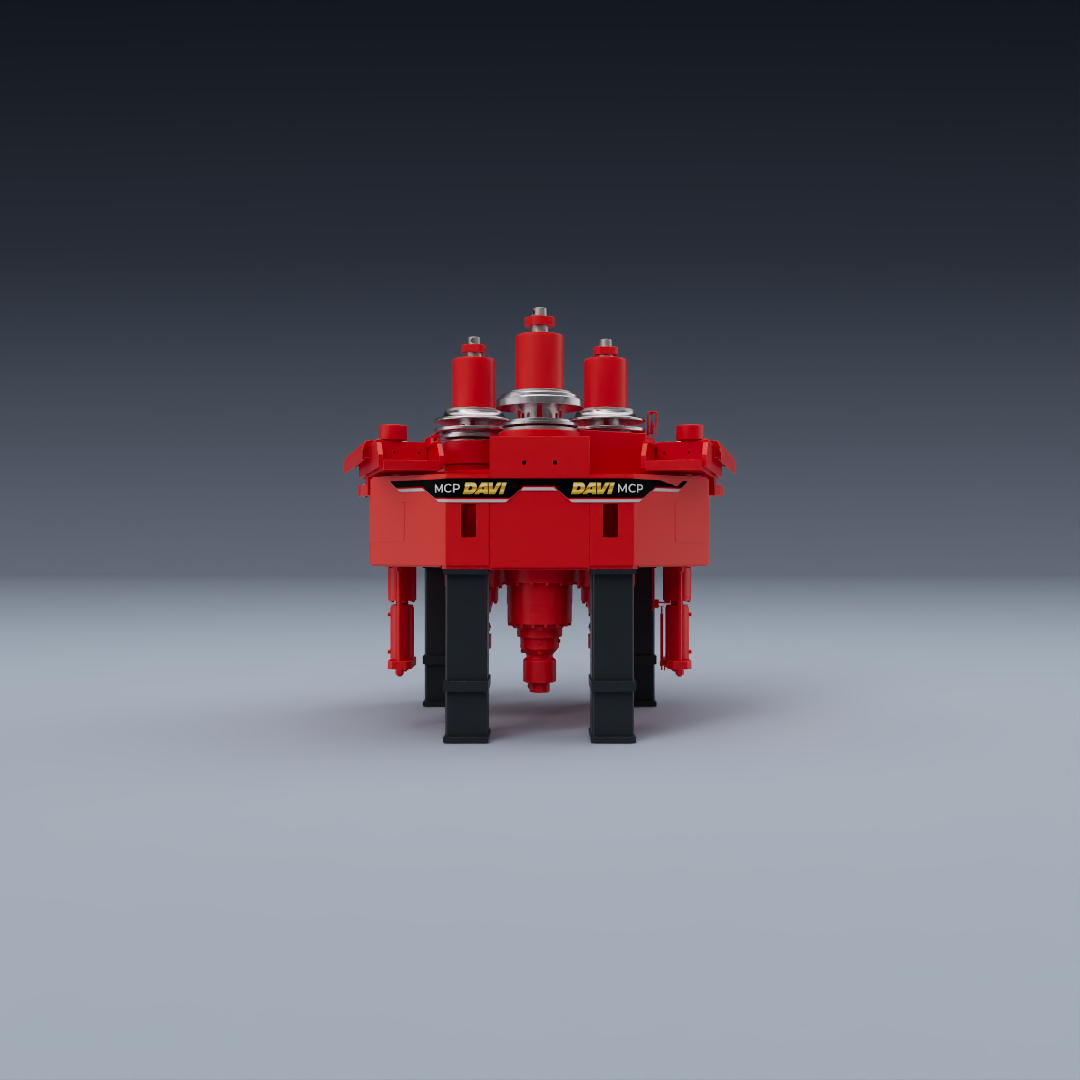
The capacity of a Davi plate roll is defined by its ability to exert the necessary bending force for specific plate thicknesses, widths, and material yield strengths, ensuring precise geometry during both pre-bending and continuous rolling. On 4-roll machines, such as the Davi MCA and MCB series, optimal clamping by the bottom roll enables pre-bending to achieve the tightest diameters per capacity on the market, reaching 1.1 times the top roll diameter. For heavy-duty applications, 3-roll variable-axis machines like the Davi MAV feature independently moving side rolls and a vertical top roll, providing maximum leverage and force distribution to maintain short flat ends and strict dimensional tolerances.
On light-to-medium plate bending machines, fabricated or welded drop-end yokes are prone to internal structural fatigue, flex under heavy hydraulic clamping loads, and weld joint degradation over time. Davi MCA 4-roll plate rolls feature a single-piece, forged and cast reinforced yoke design manufactured without structural welds. Featuring large pivoting points, this solid cast-iron component absorbs heavy tilting and lifting loads directly while providing smooth top-roll release during shell ejection. By eliminating structural welds at critical stress points, the cast yoke limits top-roll deflections, extends bearing lifespan, and ensures consistent mechanical alignment across millions of operational cycles.
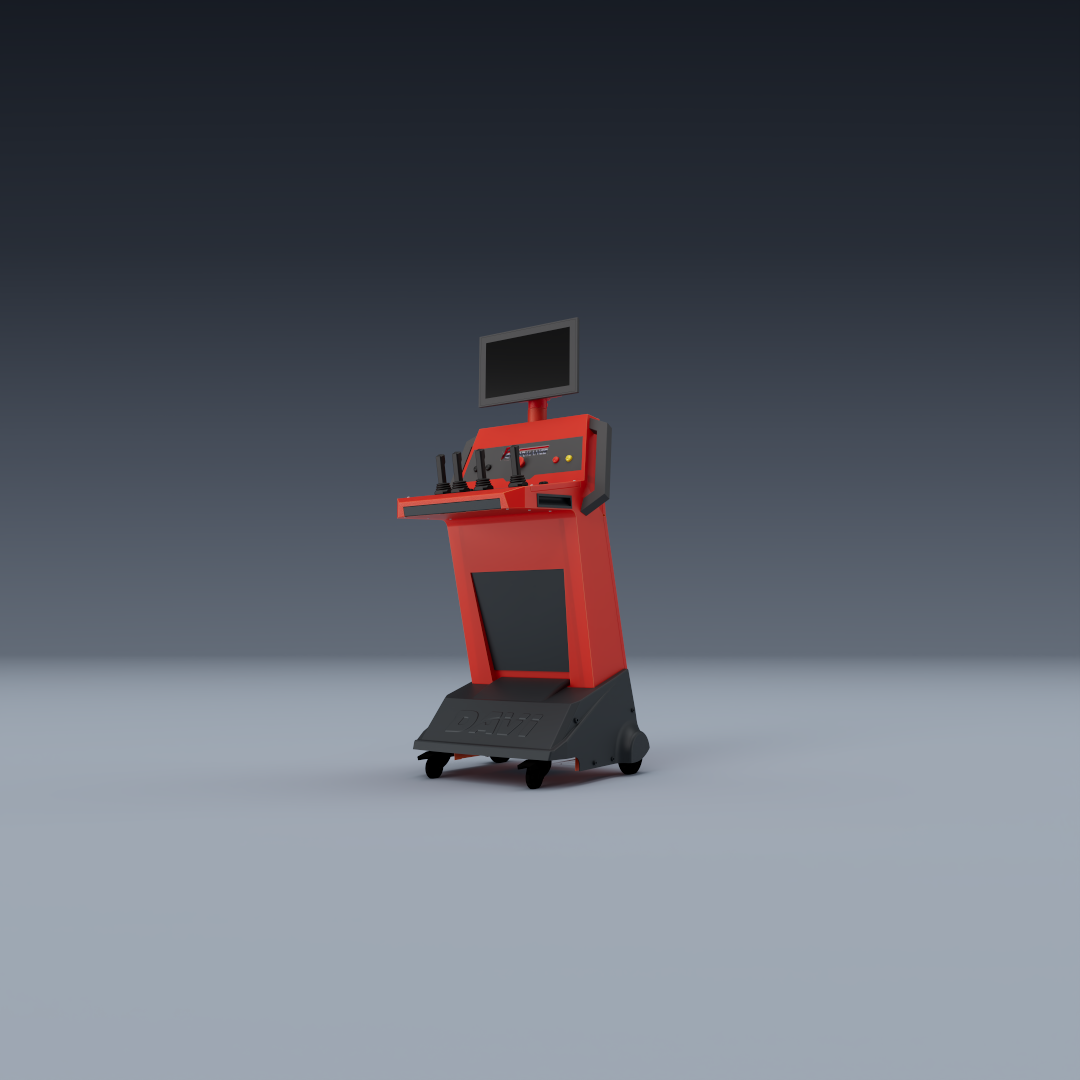
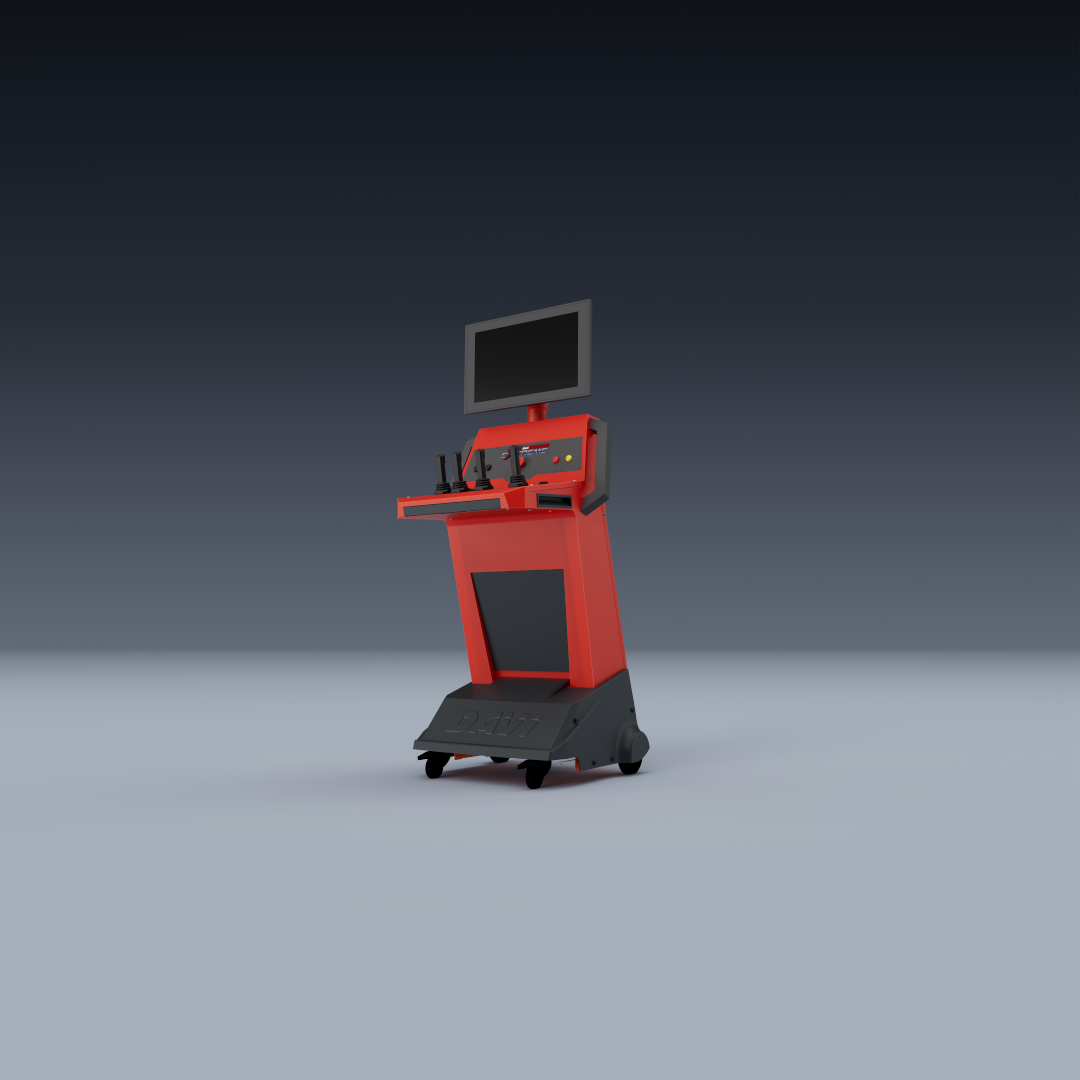
Yes, multi-radius geometries require specialized CNC control systems capable of dynamic axis interpolation. Standard NC controls manage basic single-radius arcs. Upgrading to Davi iRoll eXtreme CNC unlocks advanced multi-radius capabilities, allowing operators to draw complex shapes segment by segment, import DXF CAD files directly, or utilize custom shape templates. The system automatically adjusts roll positions across multiple passes to form non-circular geometries accurately.
Davi provides advanced digital and optical measuring devices to replace manual physical templates:
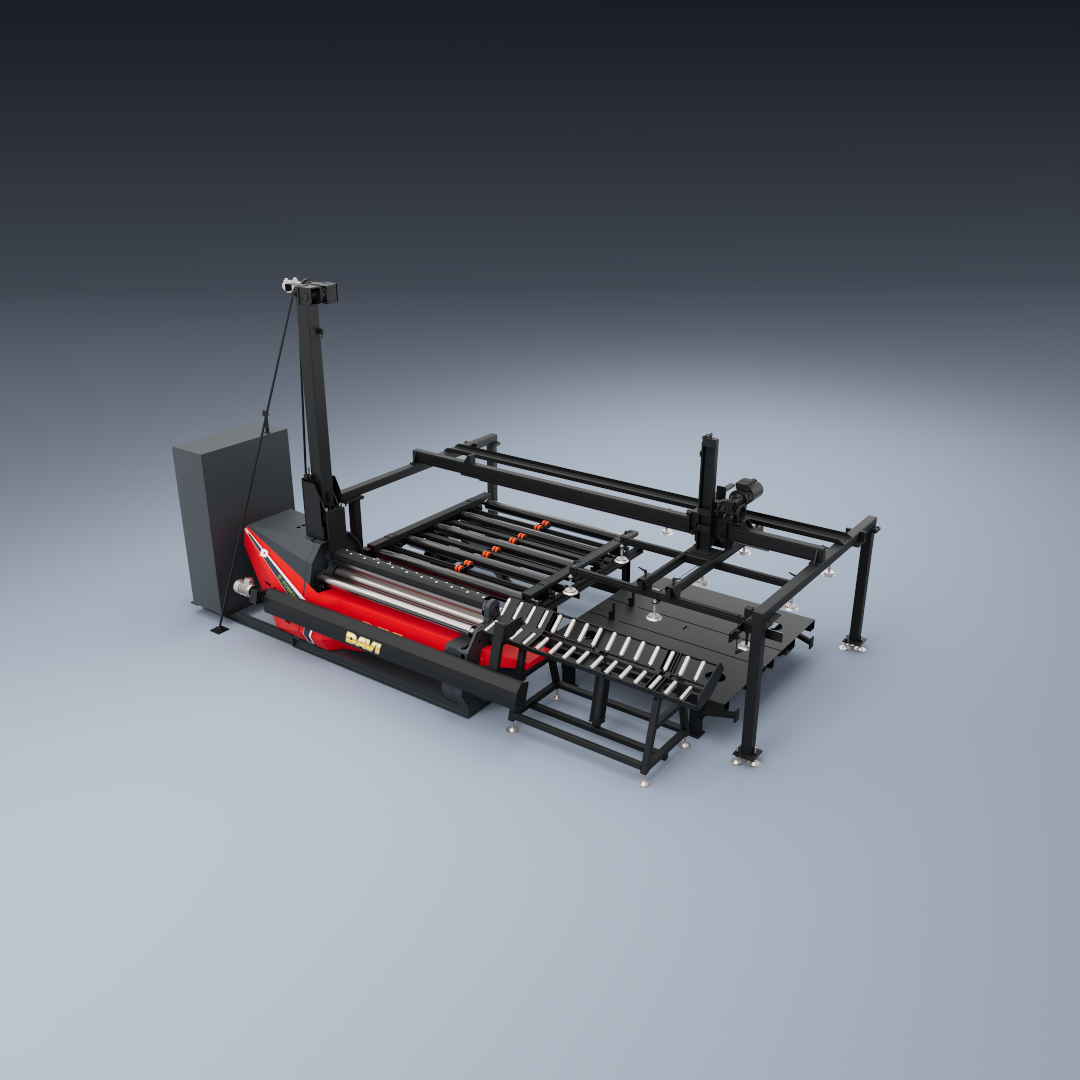
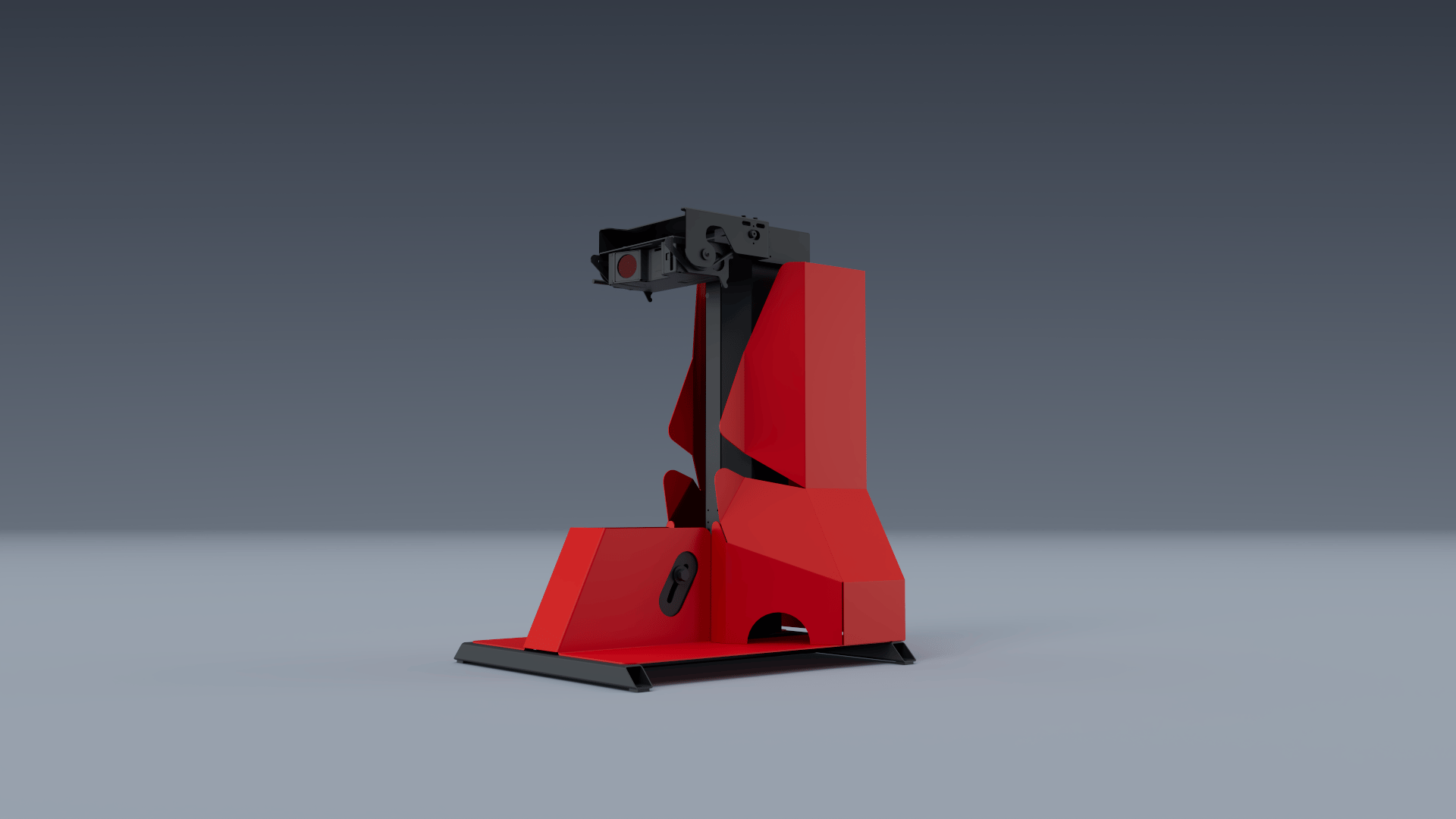
- AI-Vision System: A laser measurement system projecting thousands of data points across the plate to read actual forming radii in real time without stopping the machine.
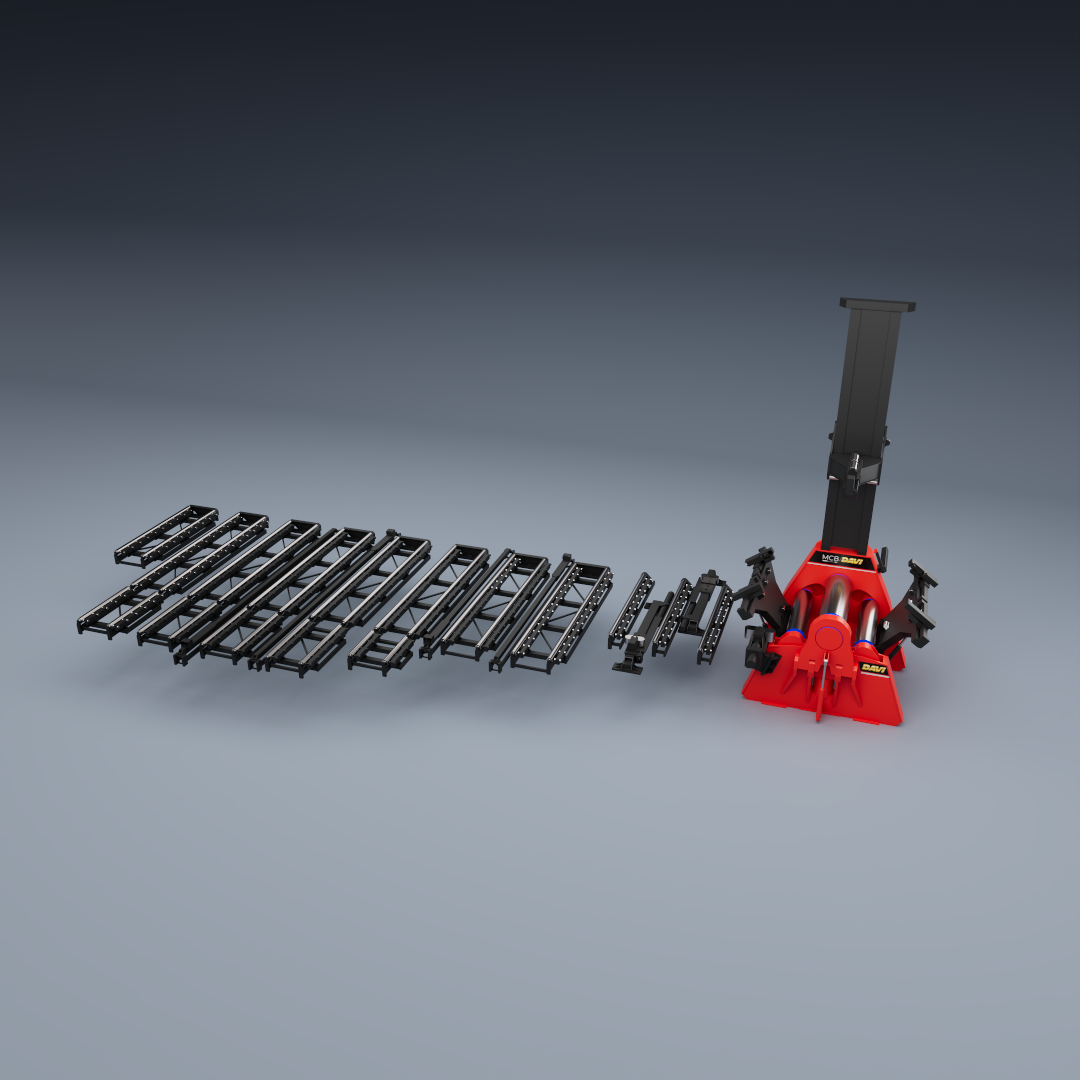
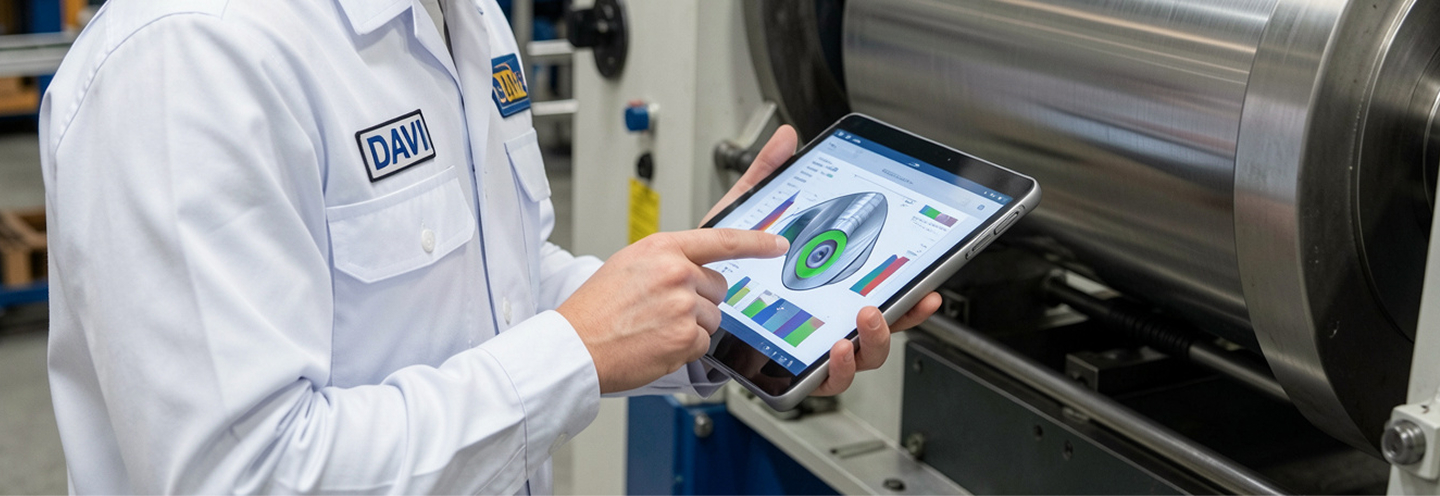
- Patented HD iRoll Camera: A digital camera system for angle rolls that projects a calibrated template directly onto the operator screen for instant radius verification.
- Automatic Radius & Circumference Measuring Tools: Electronic measuring arms that log dimensional data for quality assurance.