







Glossary
1 MIN READ
Flat End
The straight, unbent section left at the leading and trailing edges of a plate because the material cannot reach the exact tangent point between the rolls.
Technical FAQ
Eliminating material waste and avoiding secondary cutting operations is a primary goal for high-productivity job shops looking to protect their margins. A flat end is the straight, unbent section left at the leading and trailing edges of a plate because the material cannot physically reach the exact tangent contact point between the machine rolls. Minimizing this straight section directly reduces material scrap and eliminates the time-consuming process of pre-bending plates on a separate press brake, thereby accelerating overall floor cycle times. Utilizing Davi all-rolls-drive technology ensures the plate can be positioned precisely at the tangent point to achieve the shortest flat end possible without compromising safety.
Fabricators working on high-precision applications like pressure vessels must ensure perfect roundness from the absolute edge of the plate to comply with strict safety codes. Pre-bending is the preliminary manufacturing step where the leading and trailing edges of a sheet are bent to the target radius before continuous rolling begins. Executing this properly minimizes the flat end, ensures structural integrity at the subsequent weld seam, and reduces the need for manual grinding or expensive re-rolling calibration. Davi 4-roll and variable-axis 3-roll machines are engineered to execute high-tonnage pre-bending safely and accurately in a single automated cycle.
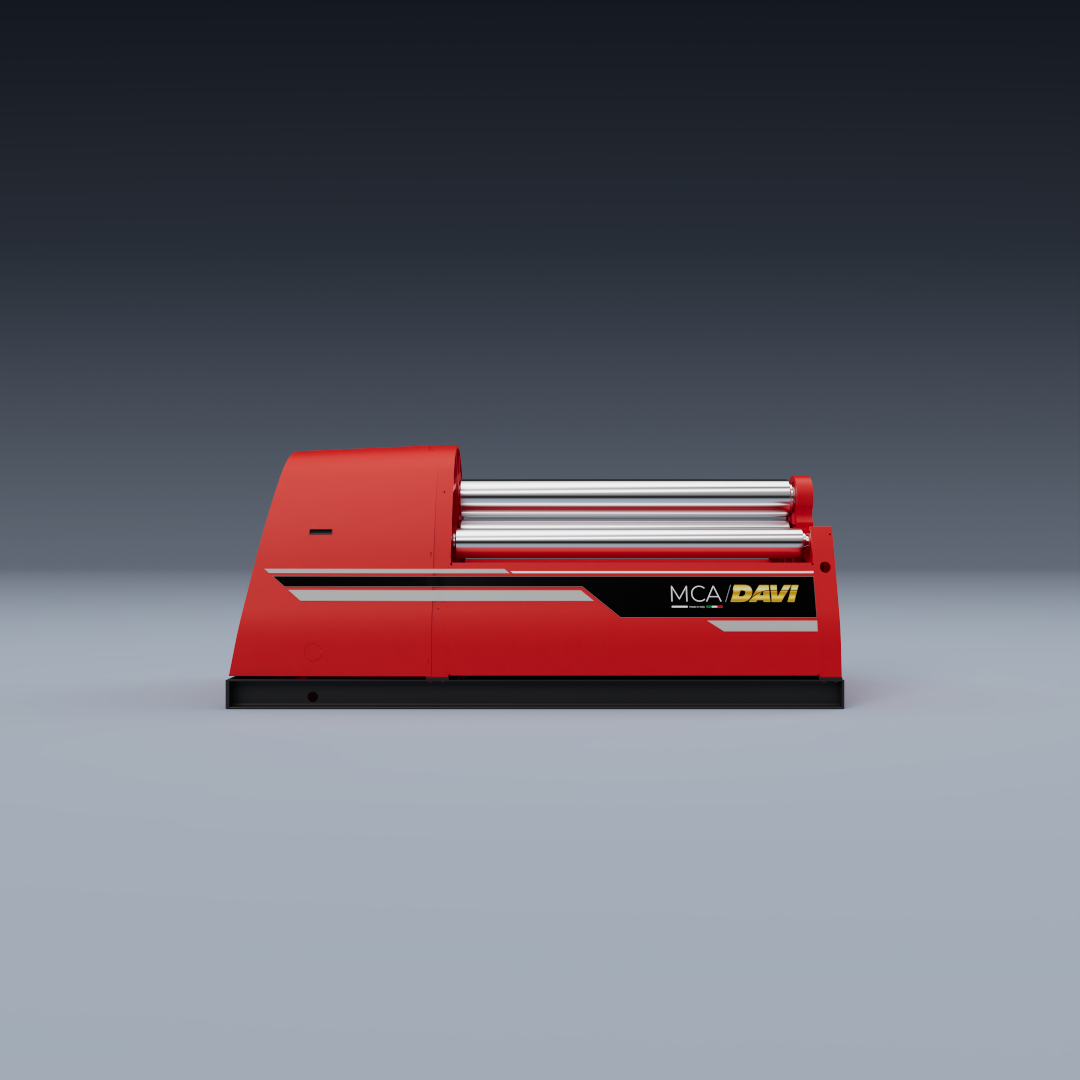
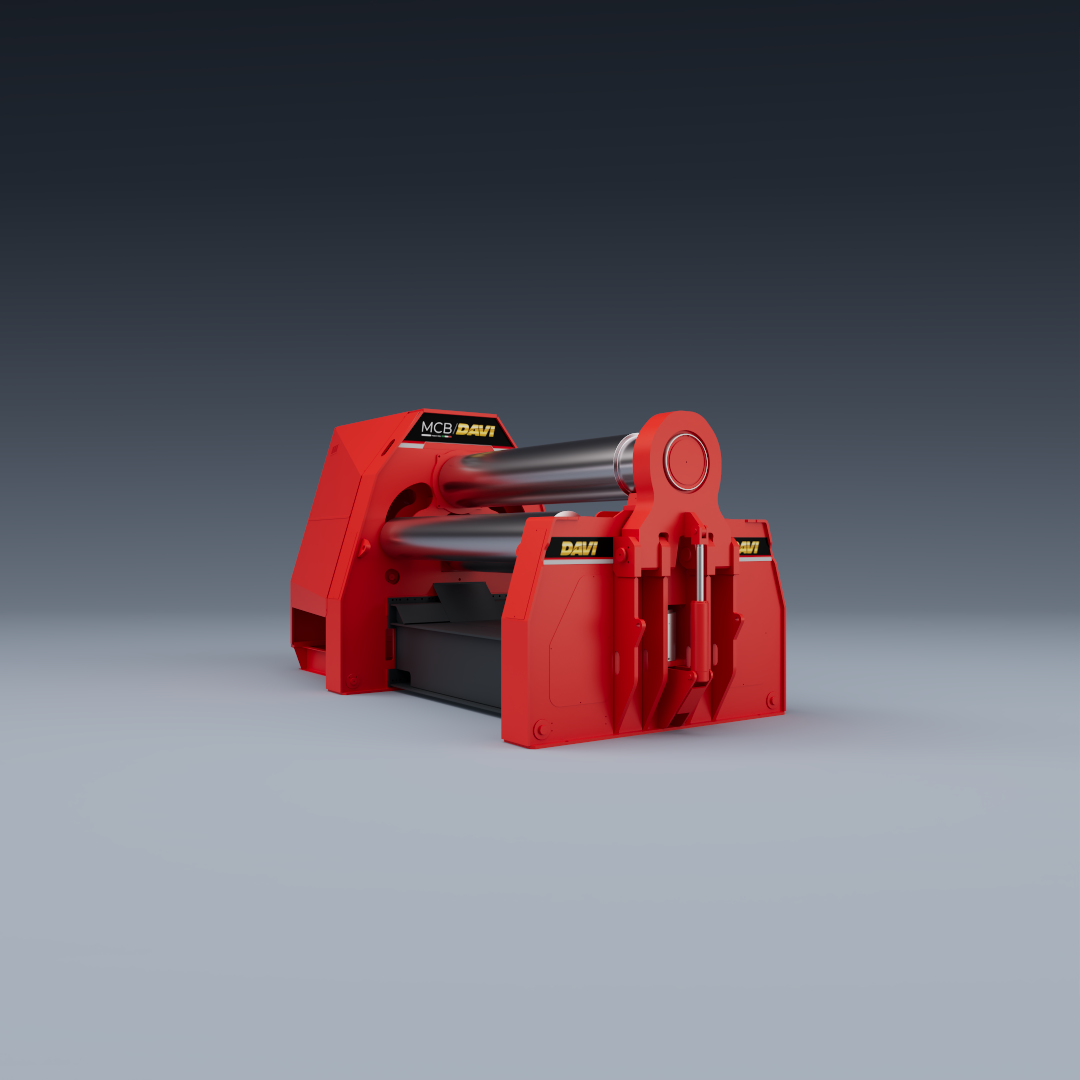
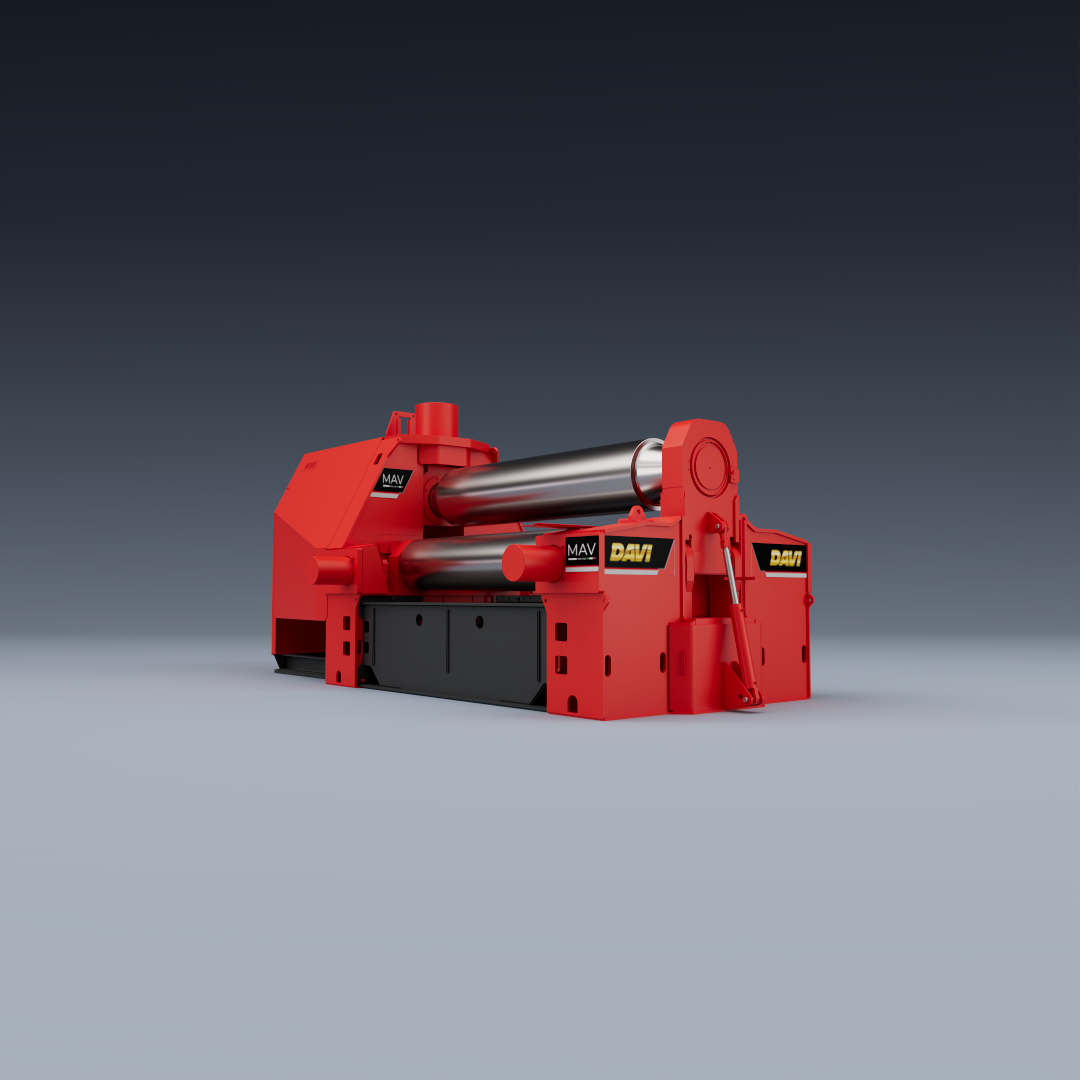
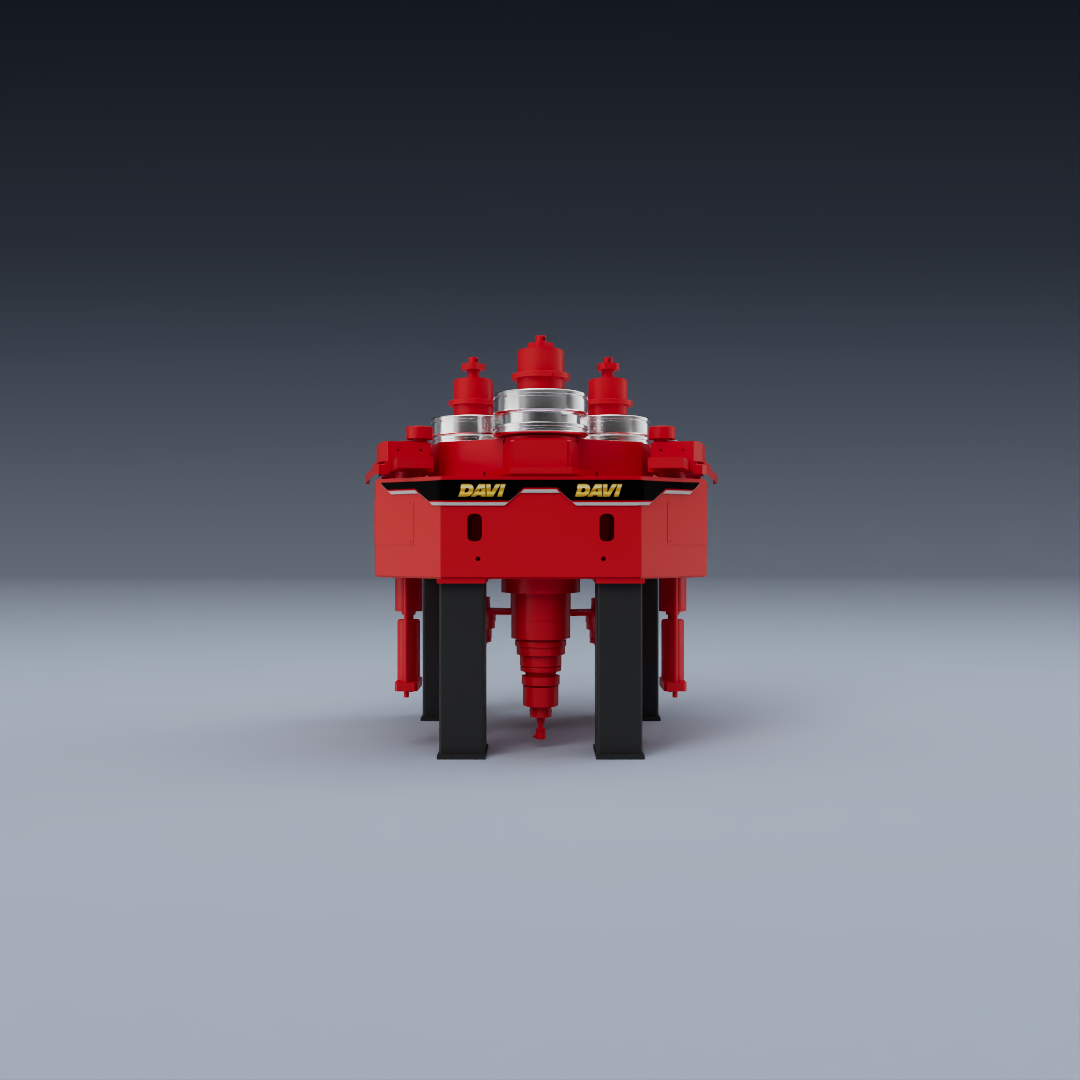
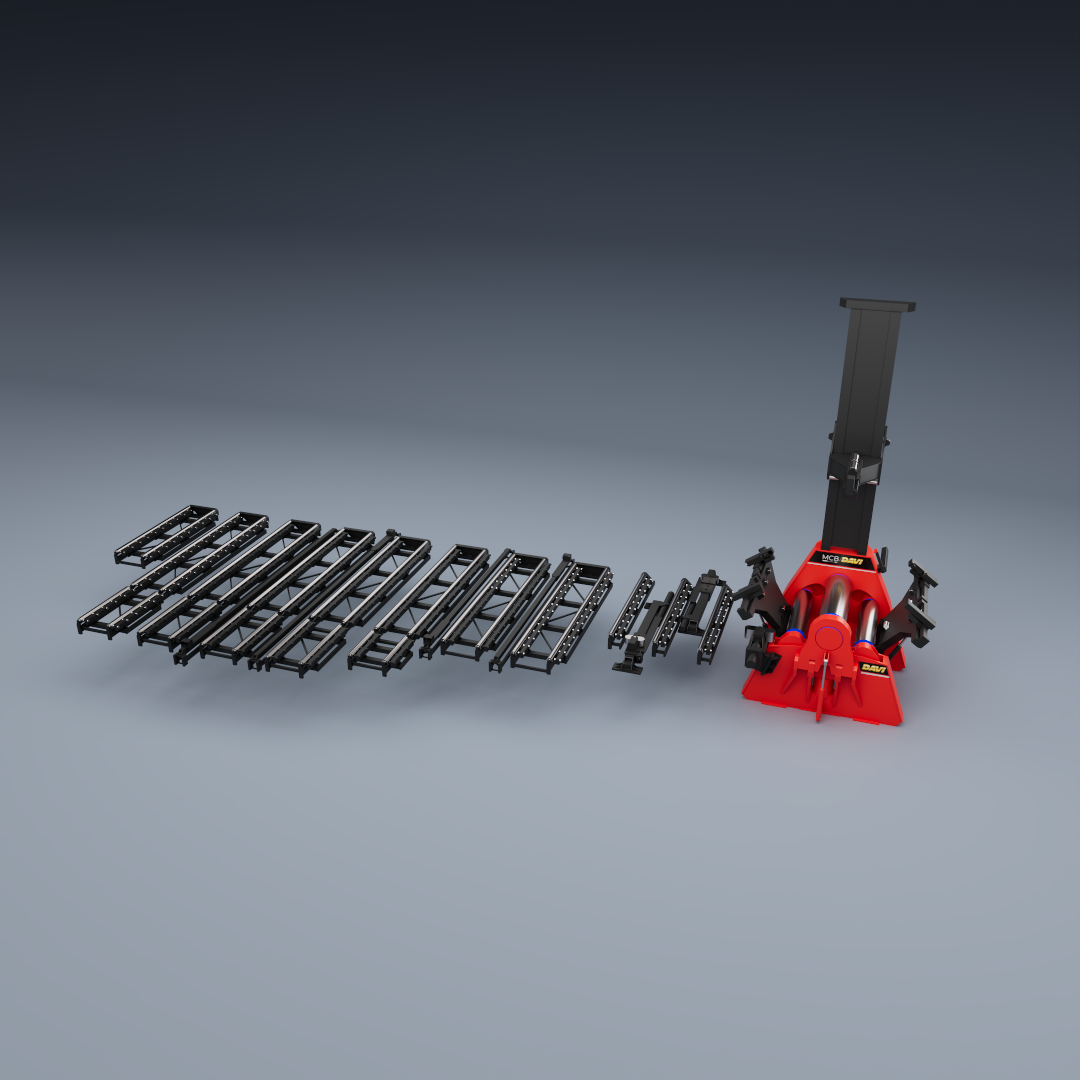
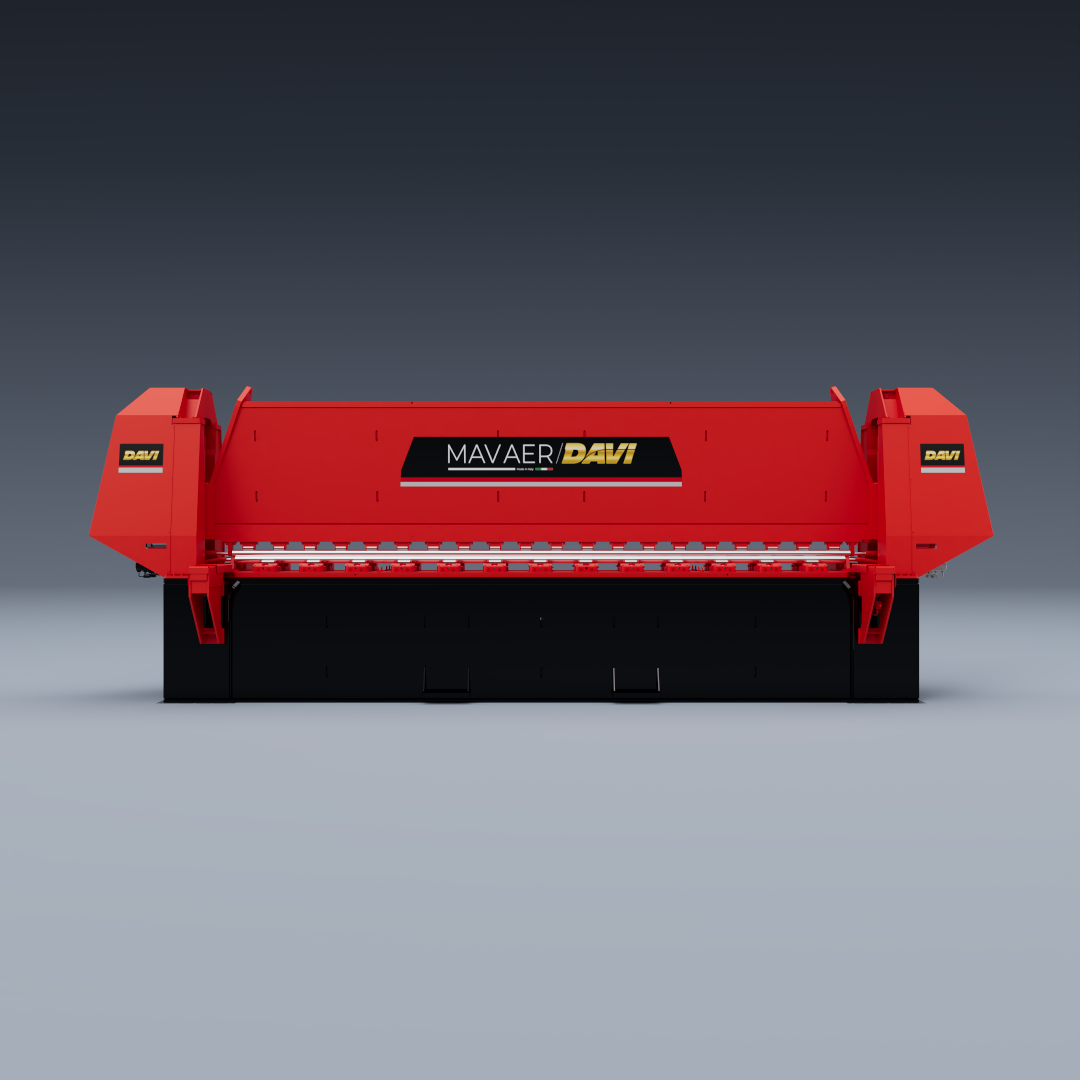
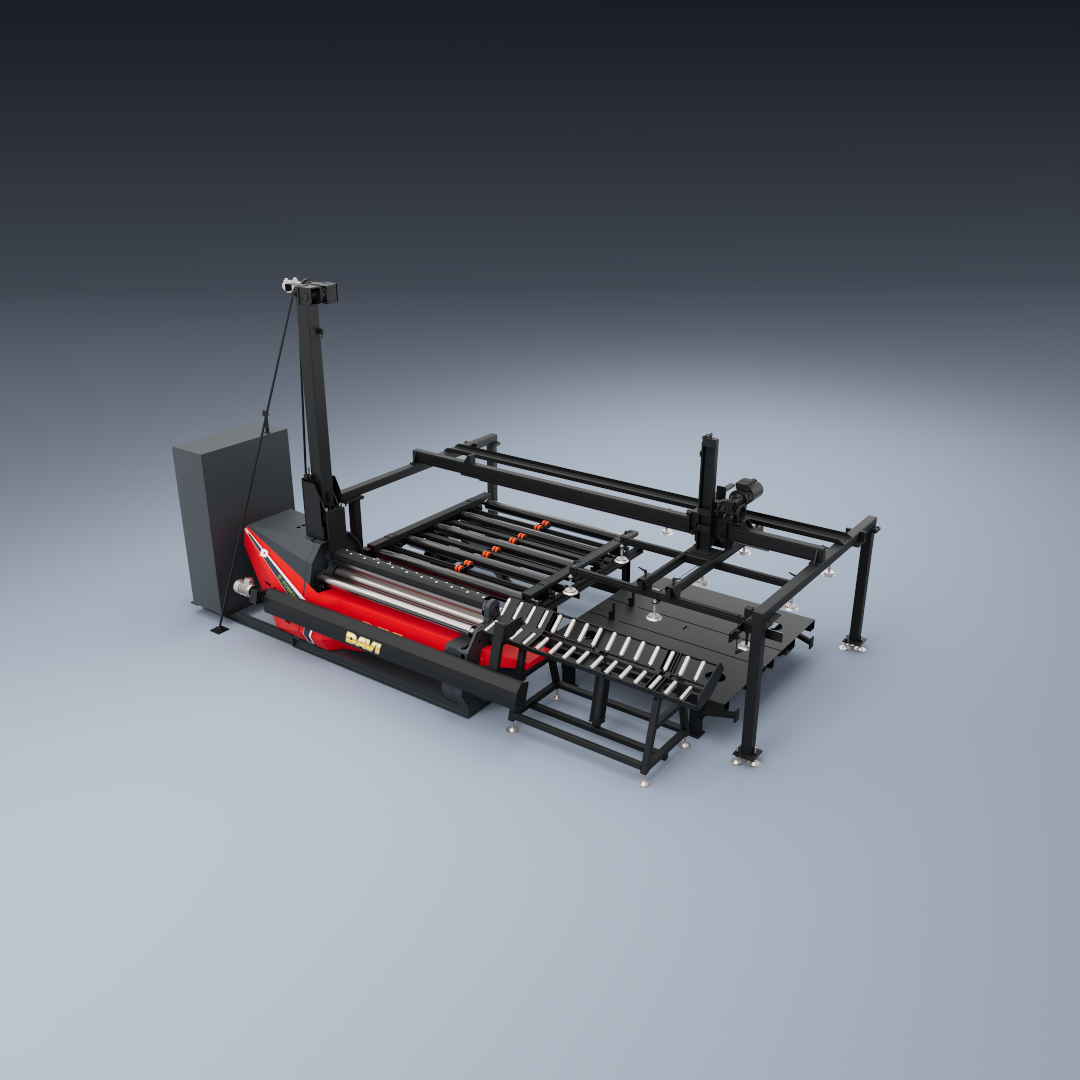
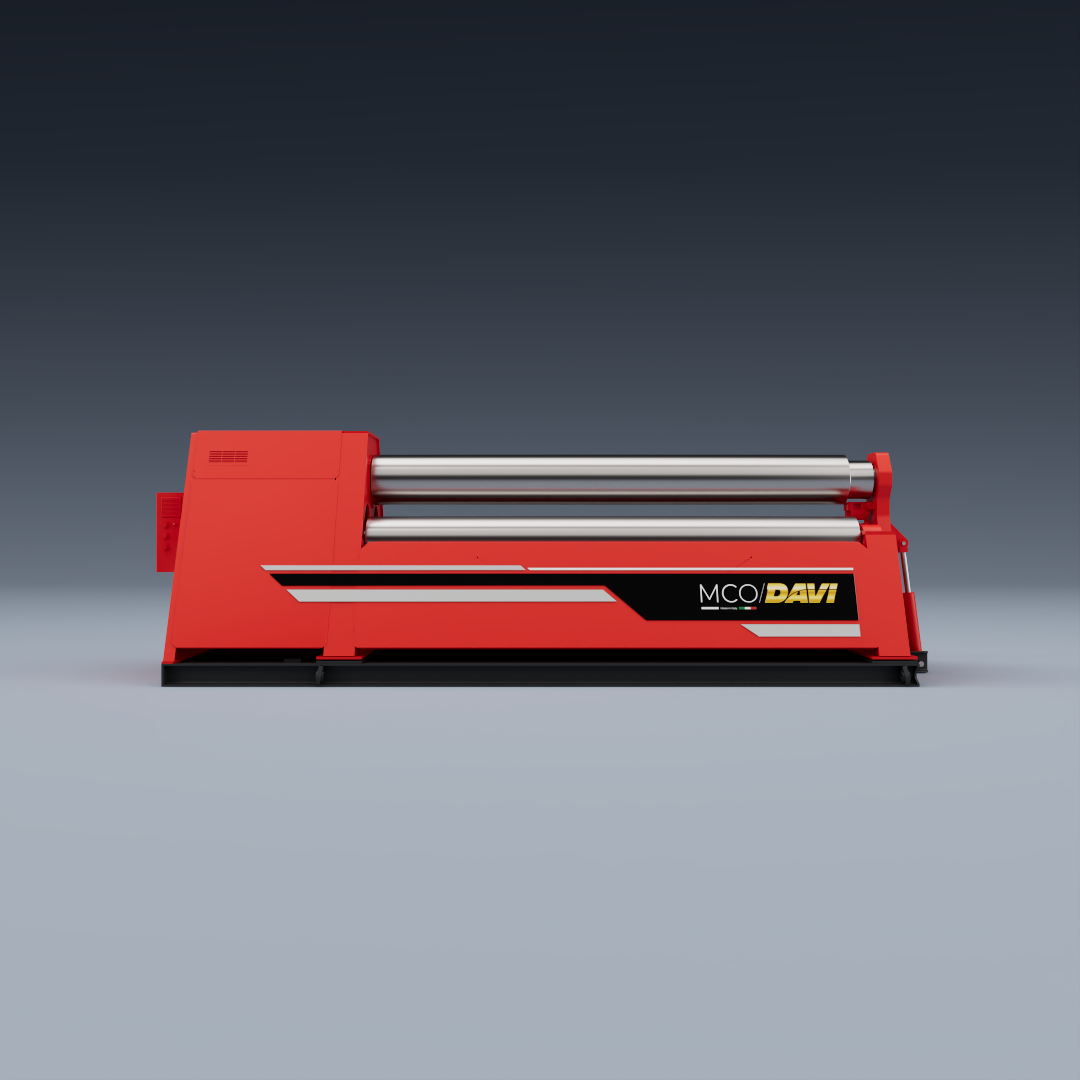
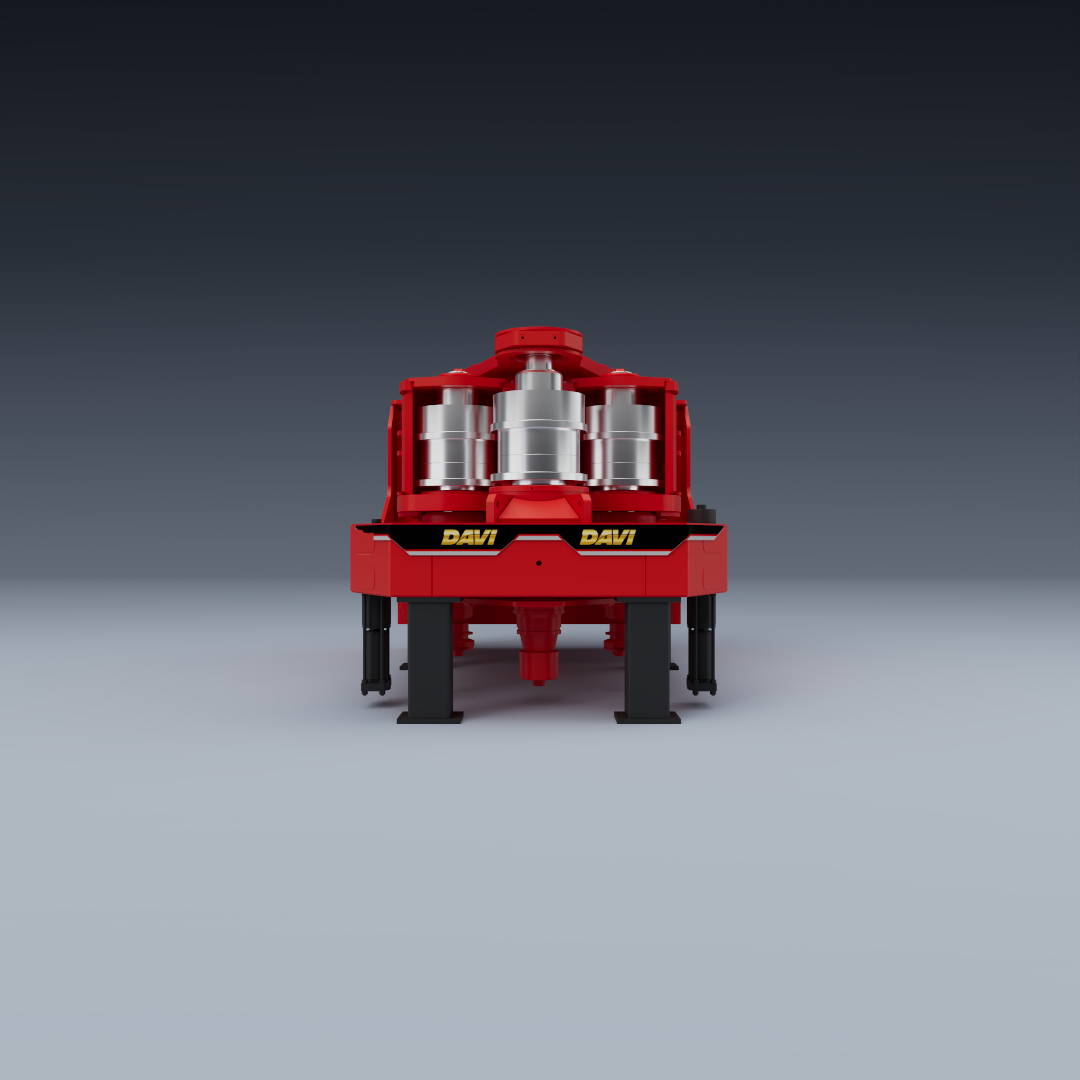
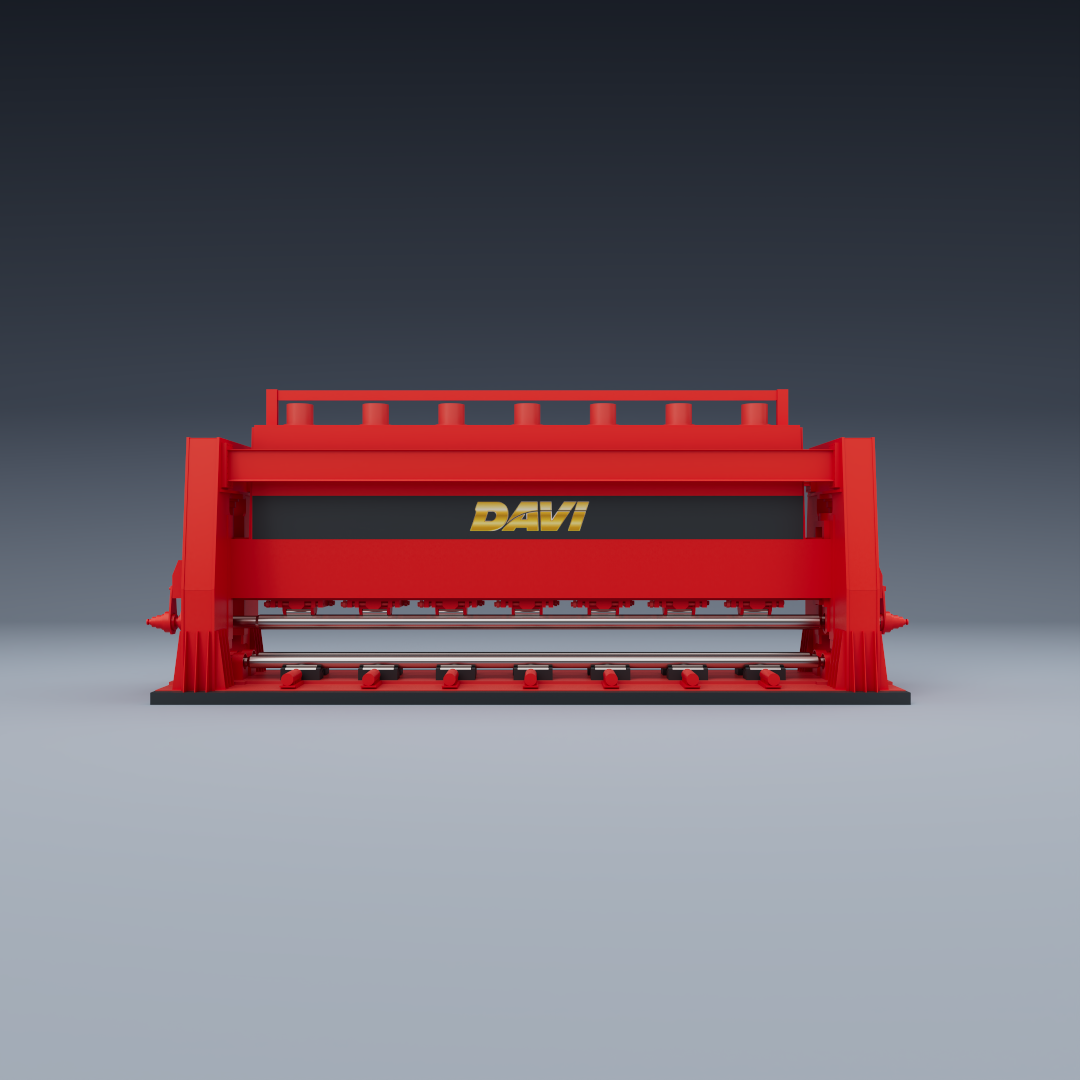
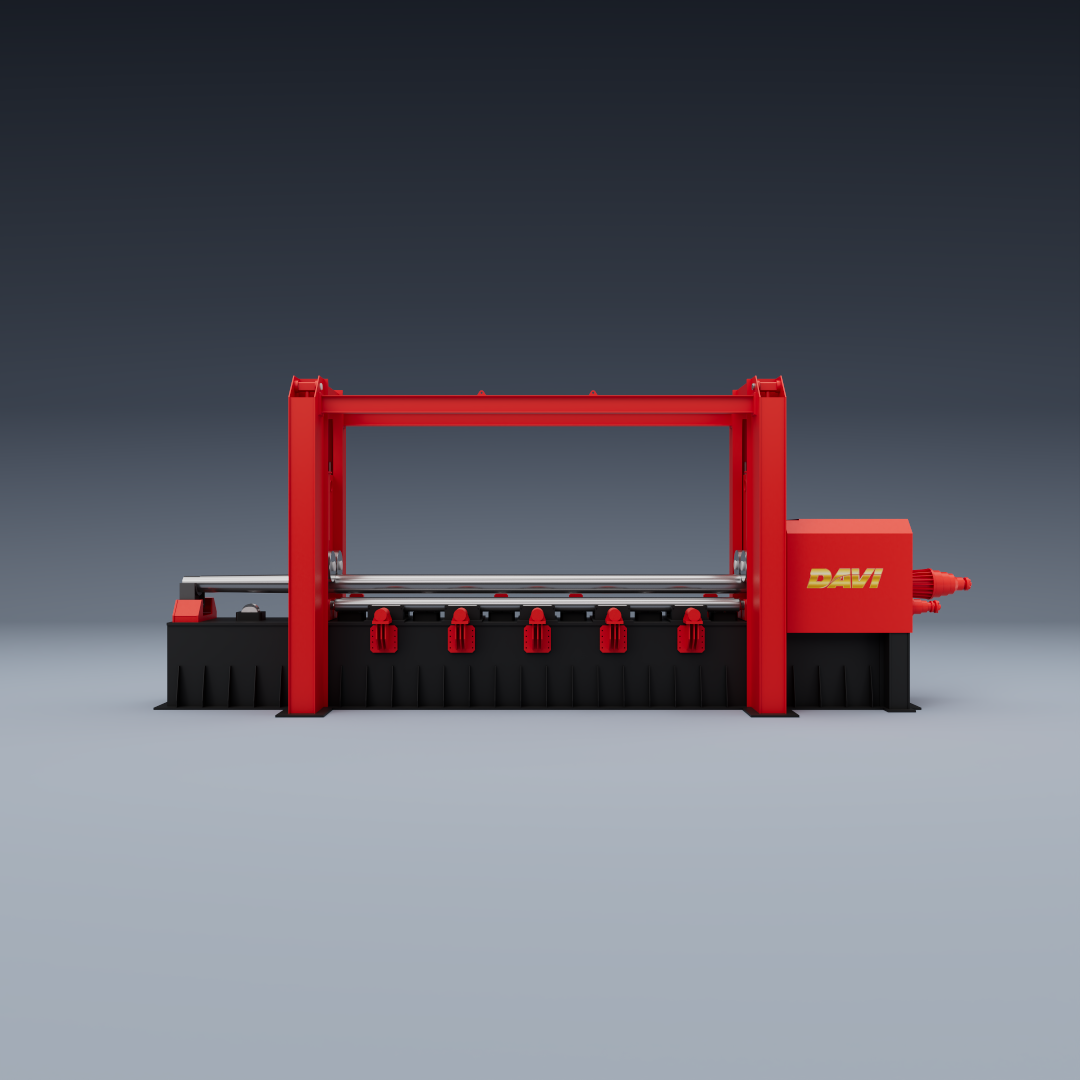
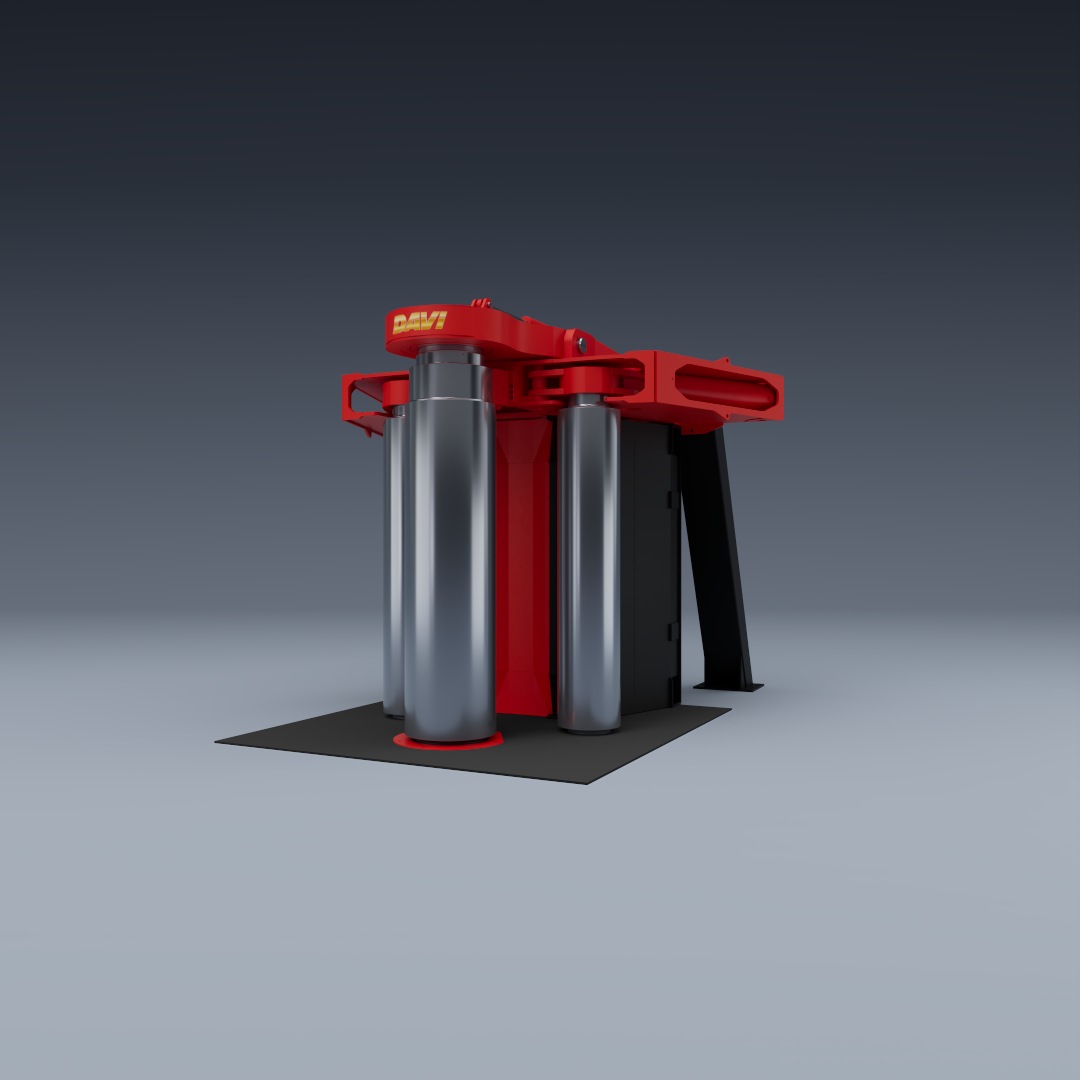
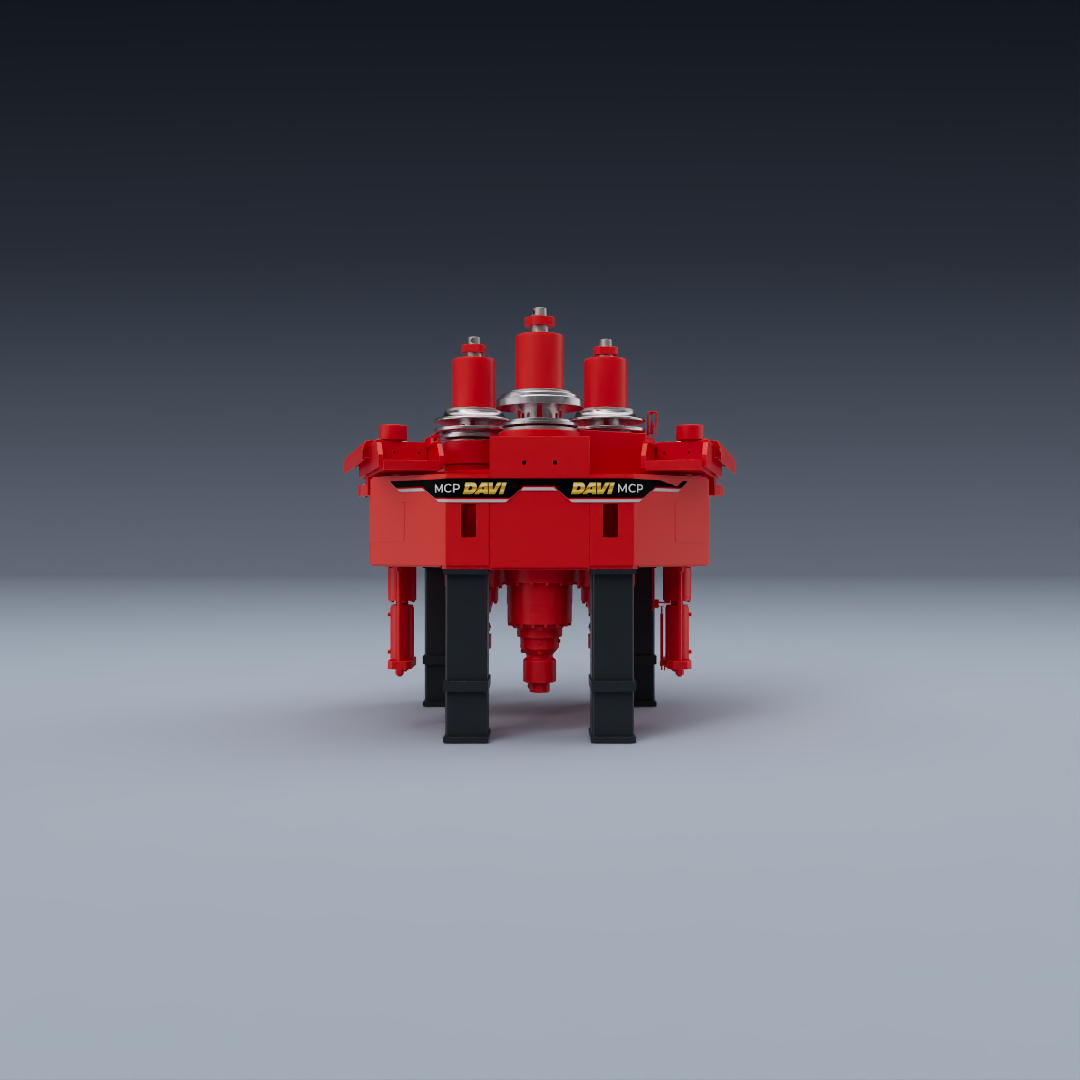
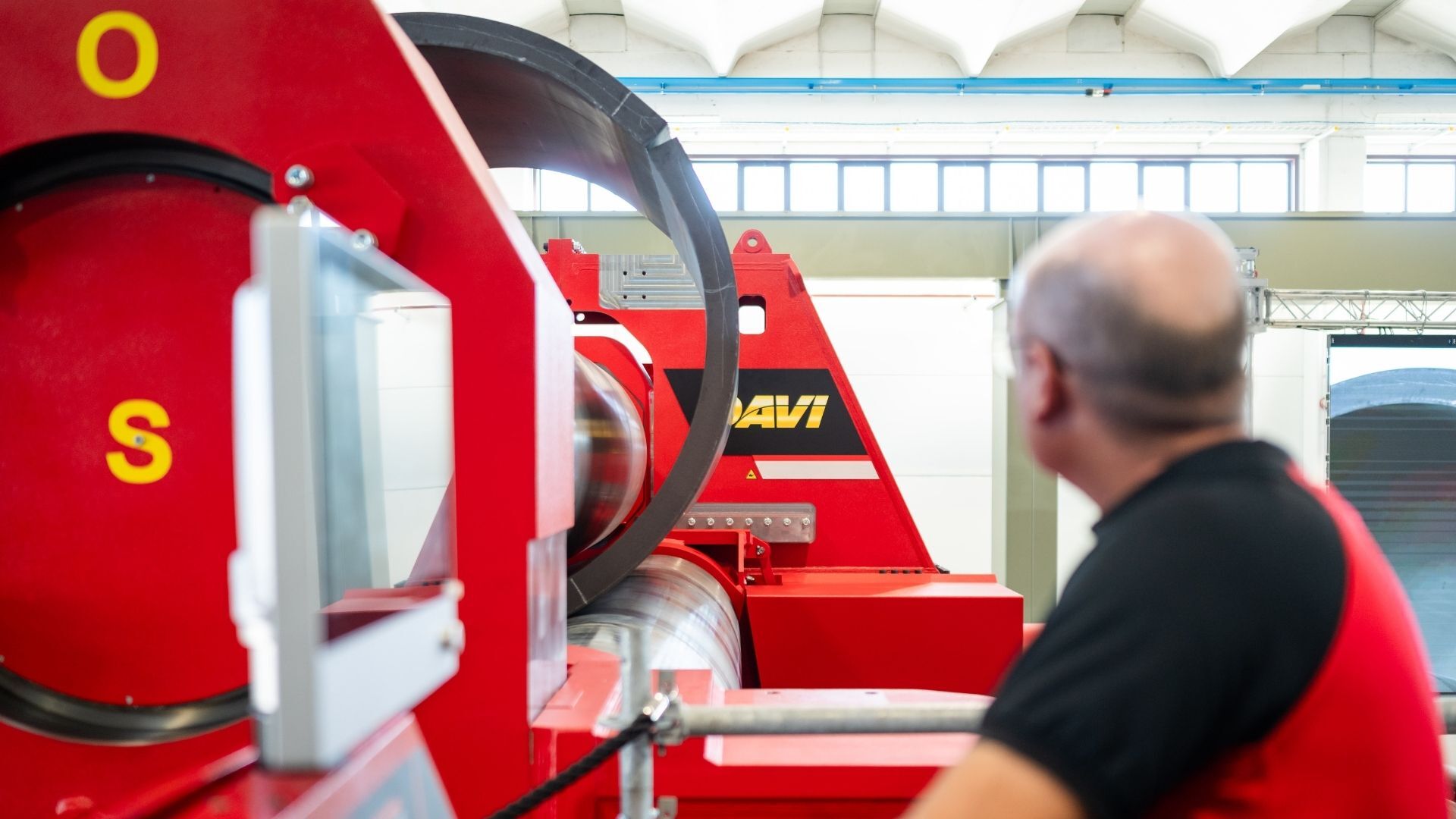
In plate bending, unbent flat ends on rolled cylindrical shells create severe bottlenecks, requiring expensive manual trimming or secondary pressing steps. Davi minimizes unbent flat ends across its entire equipment range by pairing specialized machine geometries with optimized torque delivery systems. On 4-roll systems like the Davi MCA and MCB, the bottom roll securely clamps the plate while side rolls, driven by planetary guides, swing upward along a curved path to wrap around the top roll, achieving minimum flat ends and bending tight diameters down to 1.1 times the top roll diameter. On 3-roll variable-axis machines like the Davi MAV, side rolls feature eccentric flat gearboxes that allow side roll rotation axes to approach the top roll with minimal interaxis distance ("minimum gauge"). Combined with standard all-roll drive technology that prevents plate slippage, Davi enables exact plate positioning at the tangent point, drastically reducing material waste, shortening cycle times, and optimizing fit-up for downstream welding operations.
Unbent flat edges occur at the leading and trailing ends of a plate because the material between the top and bottom pinch points cannot be fully bent. Davi minimizes flat unbent ends down to the absolute market limit by combining high-rigidity closed frame engineering with specialized drive geometries. On 4-roll MCA and MCB machines, planetary side roll guides allow side rolls to swing around a pivoting point, wrapping the plate tight against the top roll to achieve internal bending diameters down to 1.1 times the top roll diameter. On 3-roll MAV machines, exclusive eccentric side roll flat gearboxes allow side rolls to travel extremely close to the top roll axis ("minimum gauge"), allowing precise tangent-point pinching and eliminating manual end-trimming operations.
A "flat end" is the unbent straight section at the leading and trailing edges of a rolled plate. It occurs because the material segment located between the top and bottom pinch points and the bending roll cannot be fully flexed during the initial feeding pass. Minimizing flat end length is critical in industrial fabrication, as excessive flat ends require secondary manual trimming, re-pressing, or expensive prep work before longitudinal seam welding.
Producing shells with minimal flat end requires precise pinching at the optimal tangent point.
- On 4-roll machines (Davi MCA / MCB), the bottom roll clamps the plate while side rolls swing upward via planetary guides, bending the plate edge close to the tangent point.
- On 3-roll variable-axis machines (Davi MAV), side rolls feature eccentric flat gearboxes ("minimum gauge") that allow side roll rotation axes to travel extremely close to the top roll axis. Combined with all-rolls-drive technology that prevents slippage, this geometry minimizes unbent edges.