






Angle Rolling
Technical FAQ
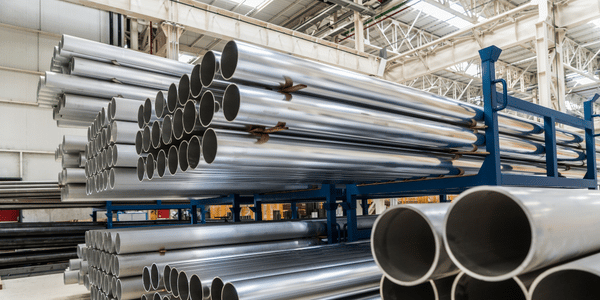
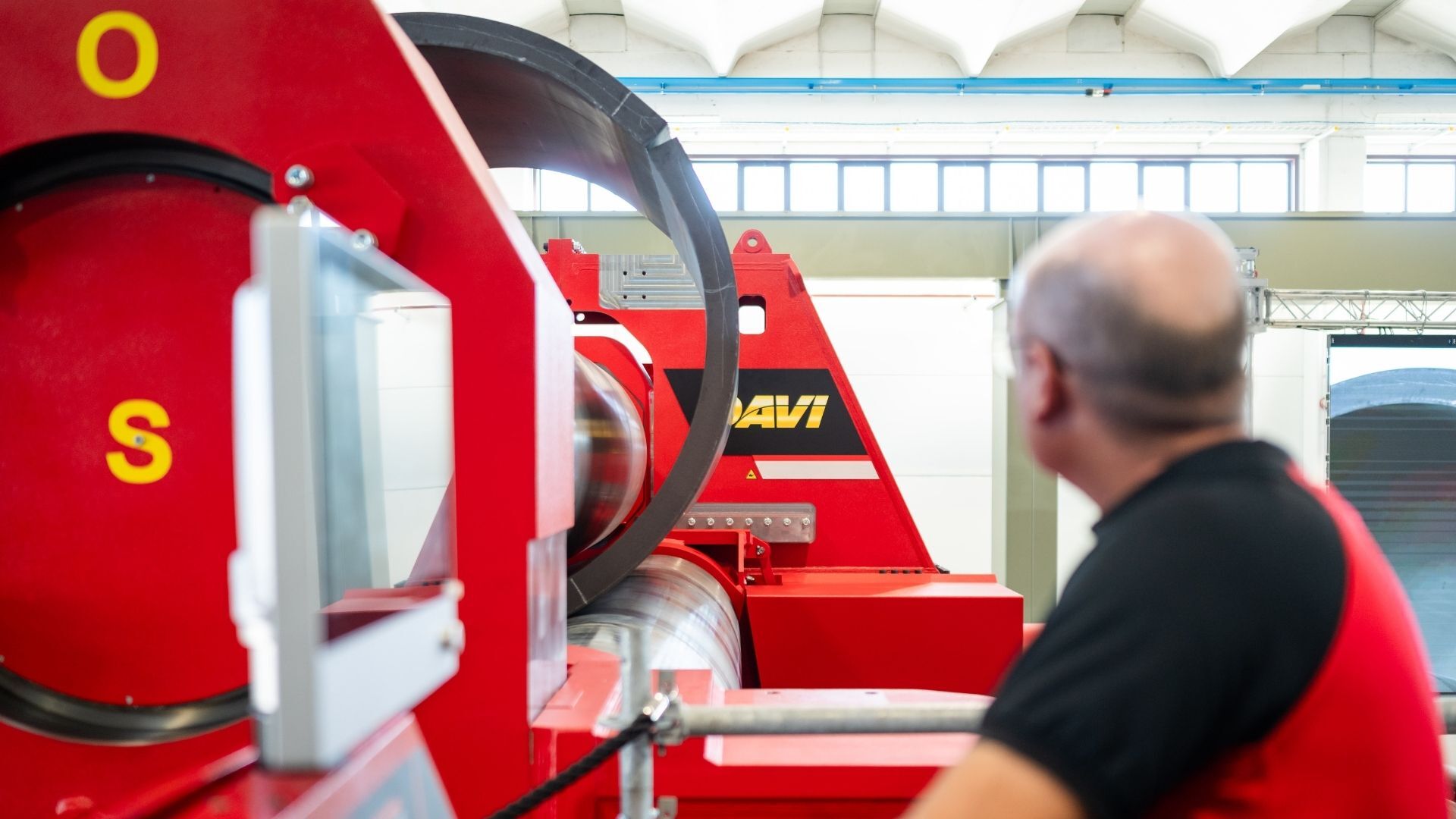
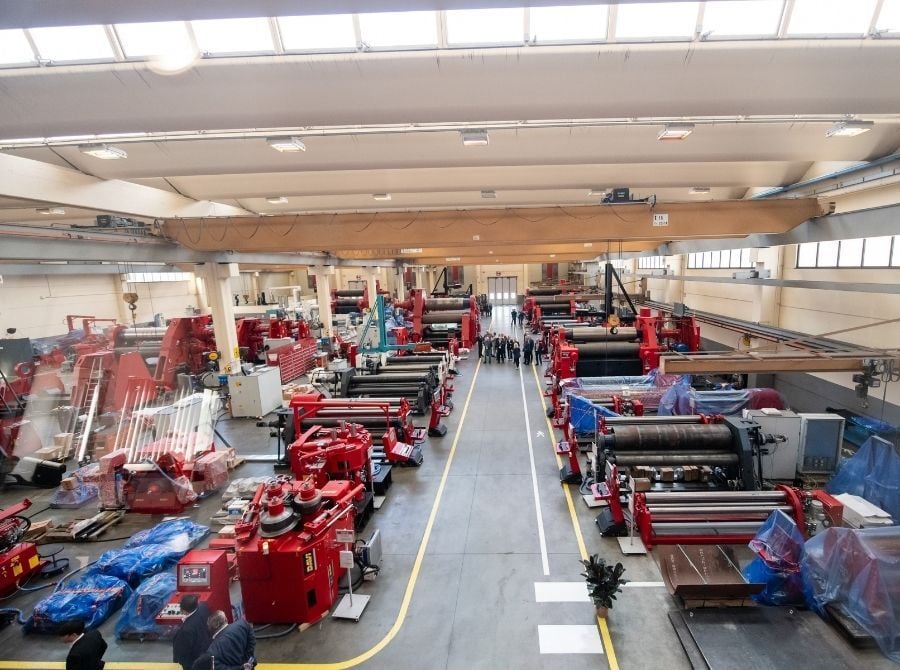
Metal fabricators often need to diversify their production from flat sheets to structural profiles, which requires choosing the right technology to adapt to varying market demands. While plate rolling utilizes wide cylinders to form flat sheet metal into cylinders or cones, angle rolling utilizes specialized, narrower driven shafts to bend structural shapes like beams, pipes, channels, or angles. This clear distinction helps job shops select the exact machinery needed to maximize shop versatility, expand their service portfolio, and capture new commercial opportunities. Davi builds dedicated lines for both applications, engineering systems that handle plates up to 400 mm (15.75 inches) thick and structural sections like beams up to 1,200 mm (47.24 inches) in height.
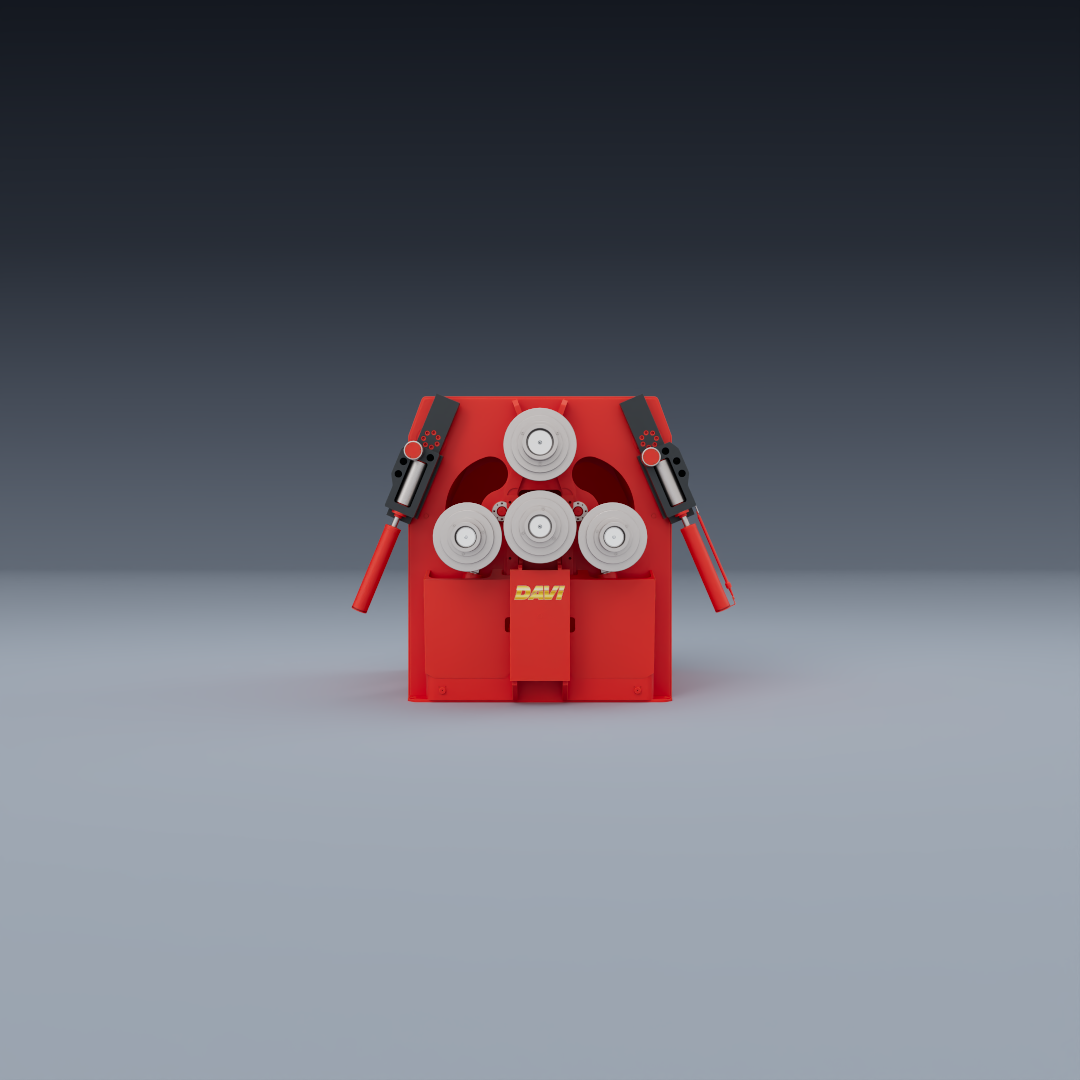
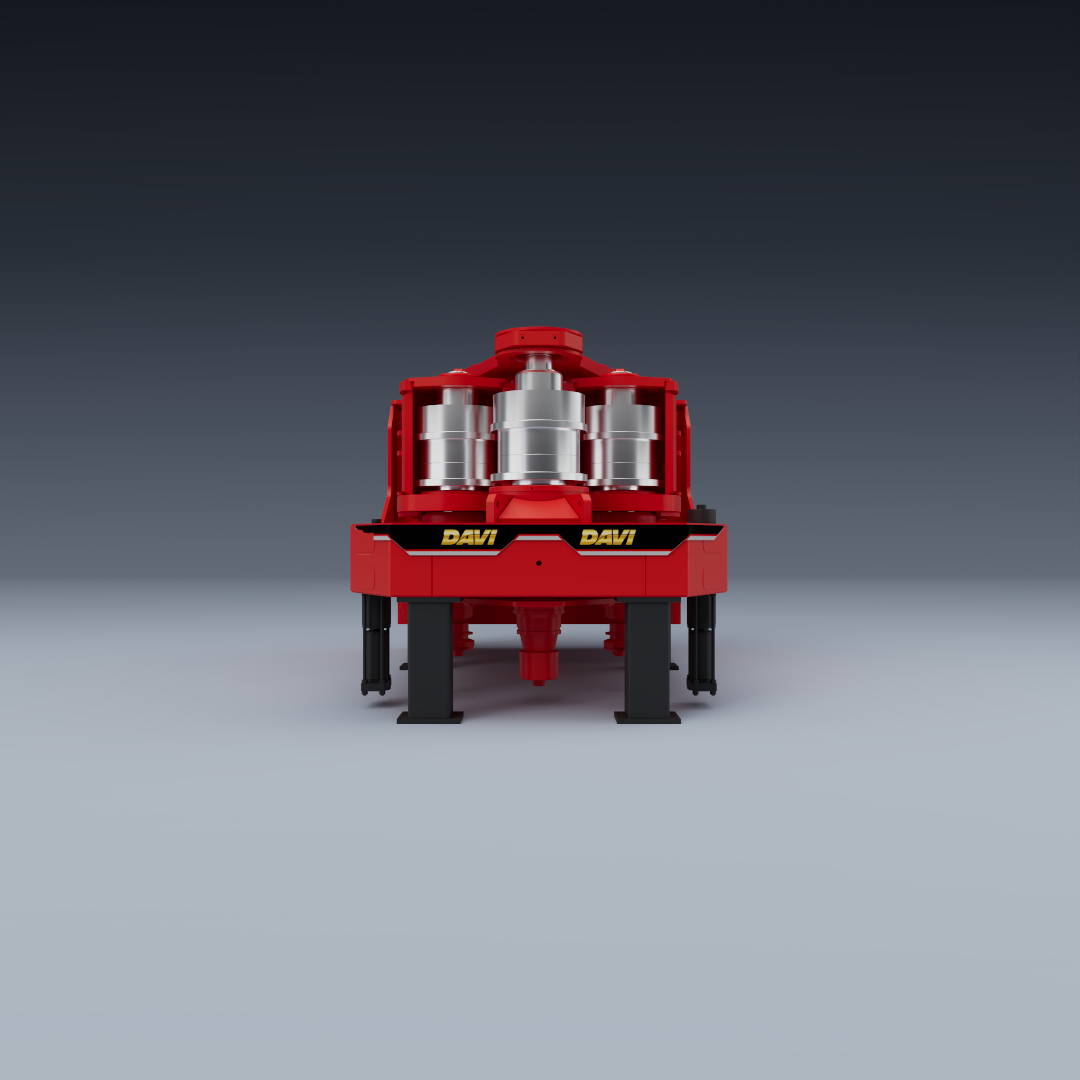
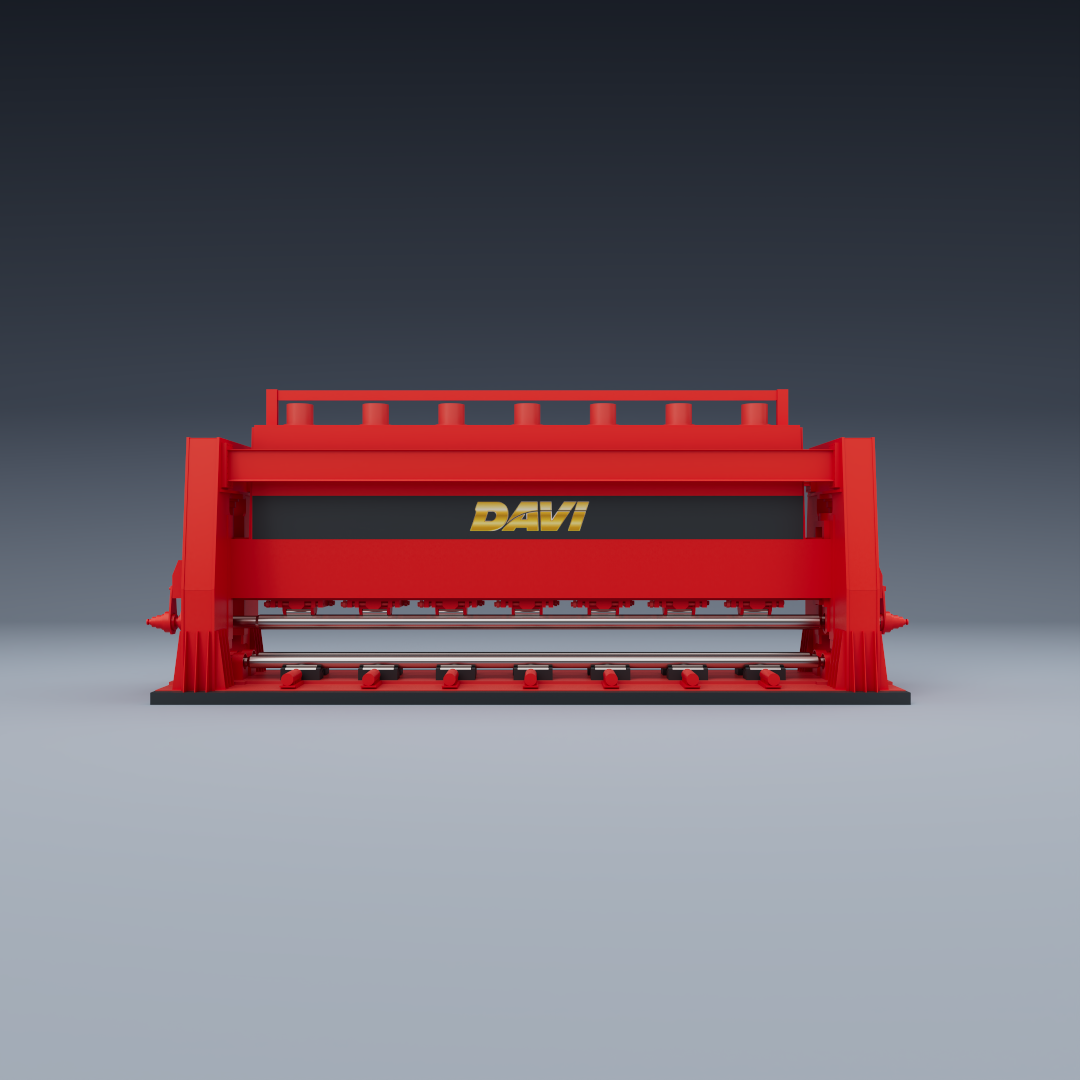
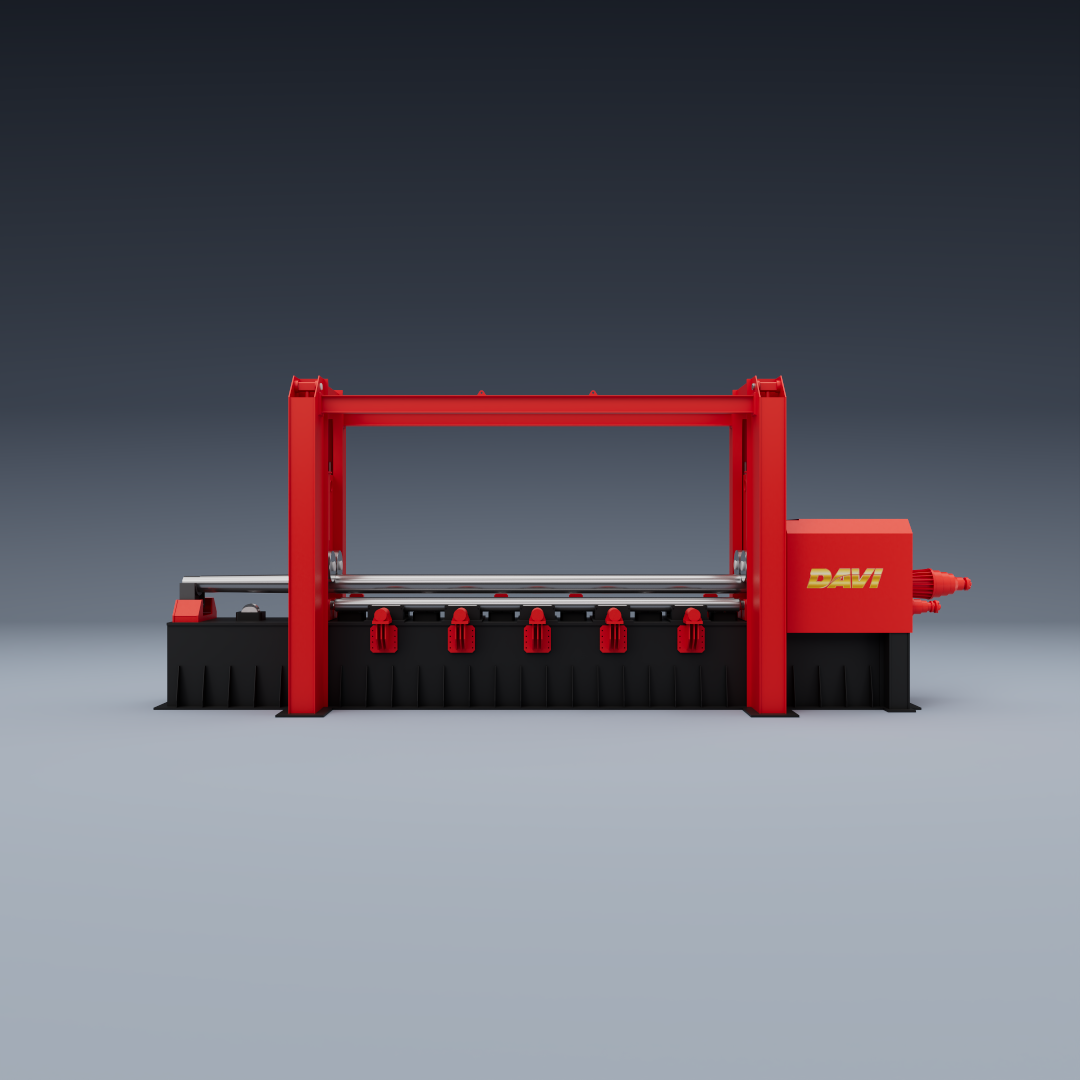
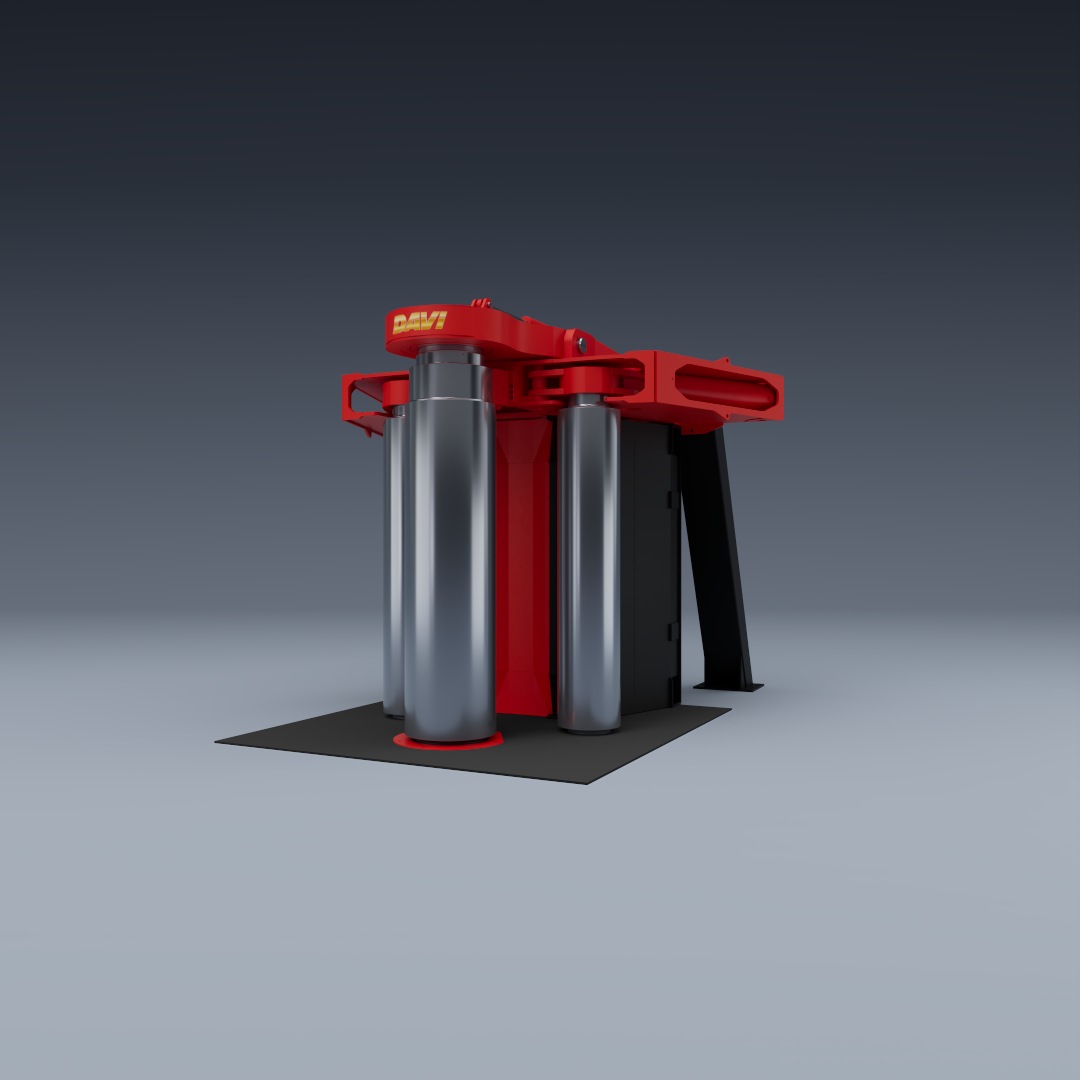
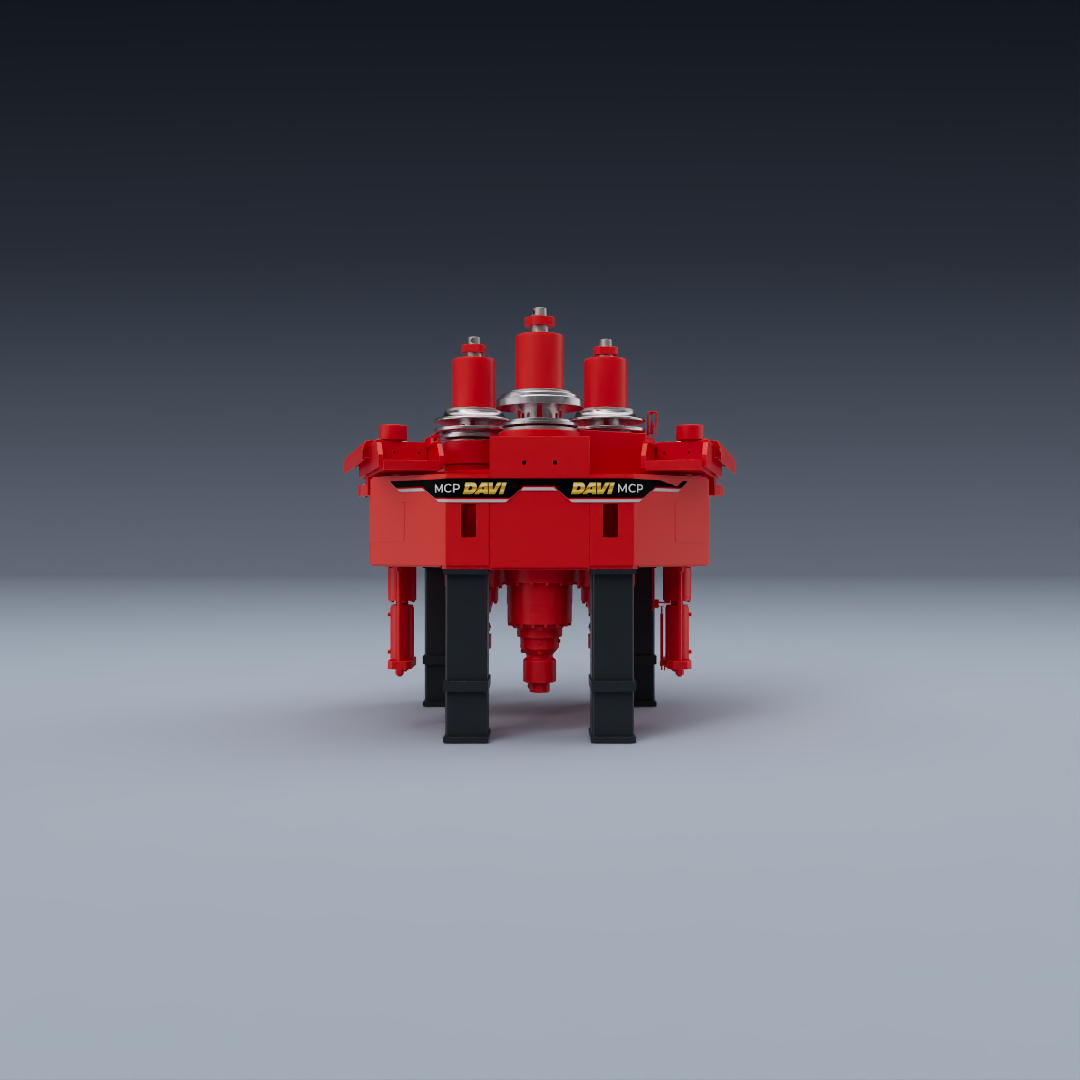
Selecting an angle roll requires evaluating section modules, profile geometries (e.g., I-beams, channels, pipes, angle iron), minimum bending radii, and beam orientation during processing. Davi MCP 3-roll double pinch angle rolls are available in two operational configurations:
- Horizontal Shaft Configuration: Recommended for smaller-to-medium profiles, allowing ergonomic manual handling of light sections.
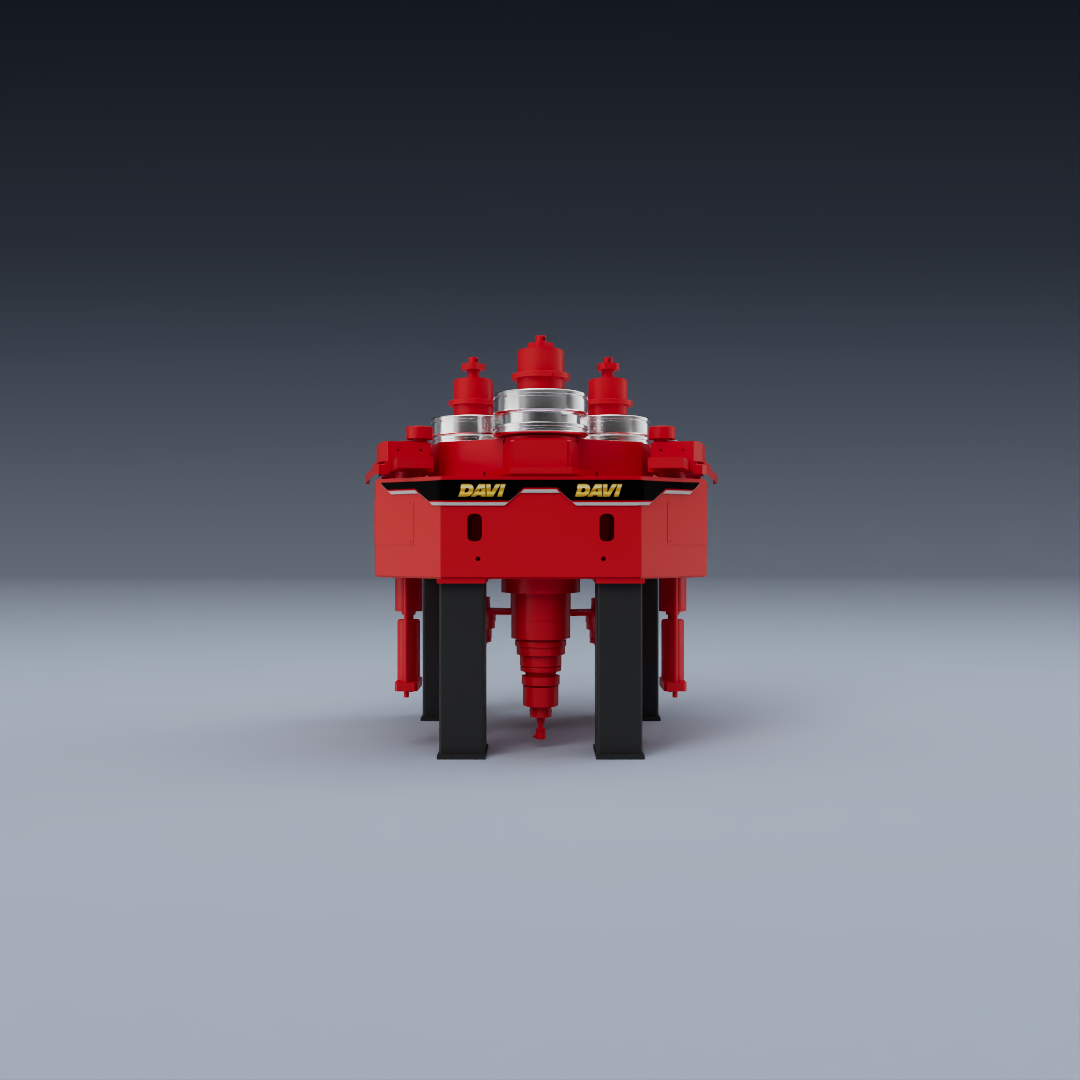
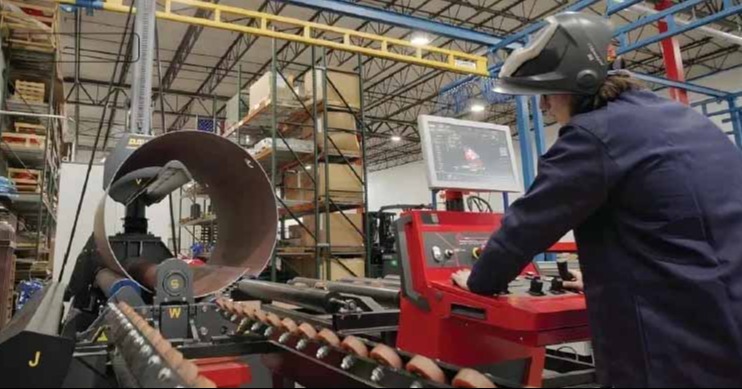
- Vertical Shaft Configuration: Engineered for heavy structural steel, processing large beams up to 1,200 mm (47.2 in) height, pipes up to 800 mm (31.5 in) diameter, and heavy flanges parallel to the shop floor to streamline crane handling. Equipped with three independent hydraulic motors and the Davi Torque Management System (DTMS), MCP machines balance power delivery across varying roll diameters to prevent profile slipping or twisting. Talk to an Expert to match your structural section drawings to the ideal MCP machine size.
Davi profile benders are paired with specialized control hardware and vision systems designed to handle 3D structural bending:
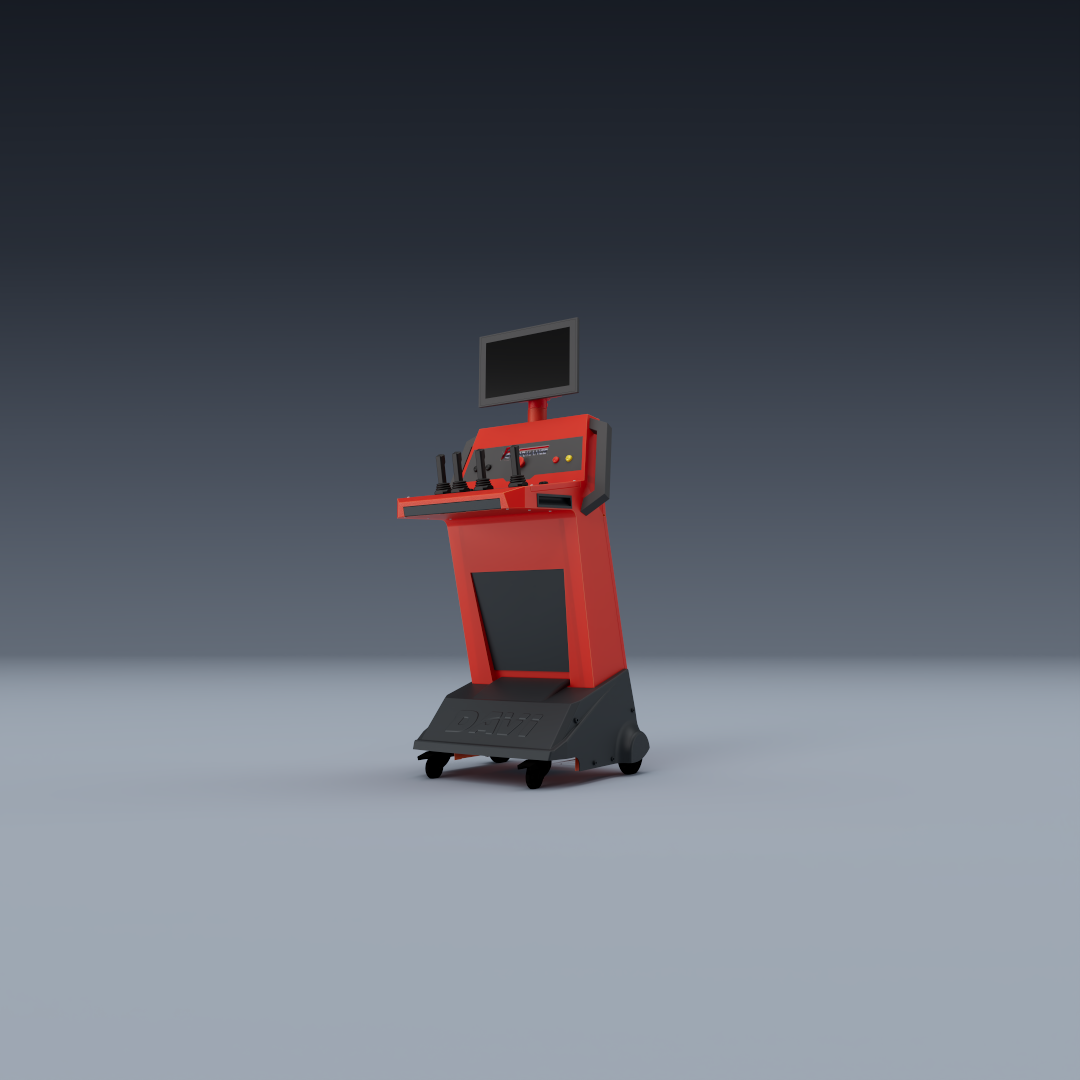
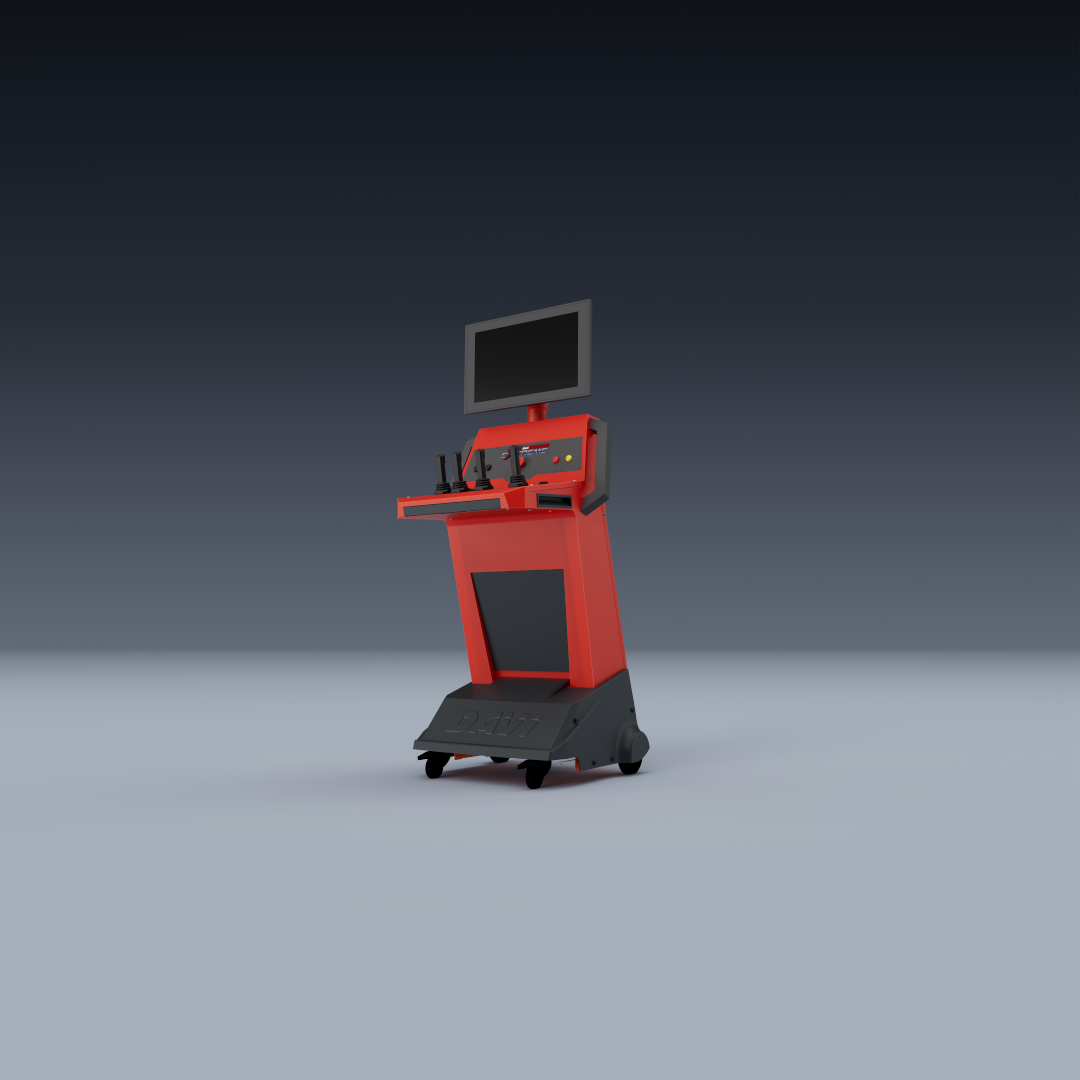
- iRoll CNC Platforms: Enable automatic generation of single and multi-pass programs, controlling axis movements, hydraulic guide roll positioning, and rotational speeds.
- 3D Forming System: Integrates a CNC-controlled turning unit that rotates sections around their longitudinal axis while feeding forward, enabling automated 3D spiral and spatial shape forming (e.g., for roller coasters or complex architectural steel).
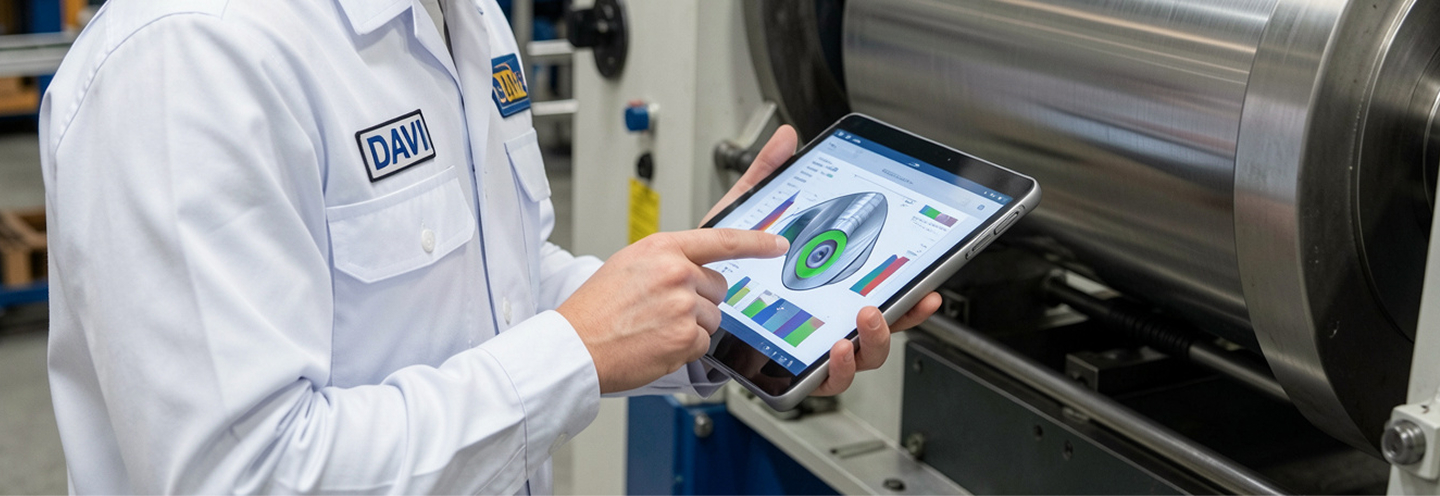
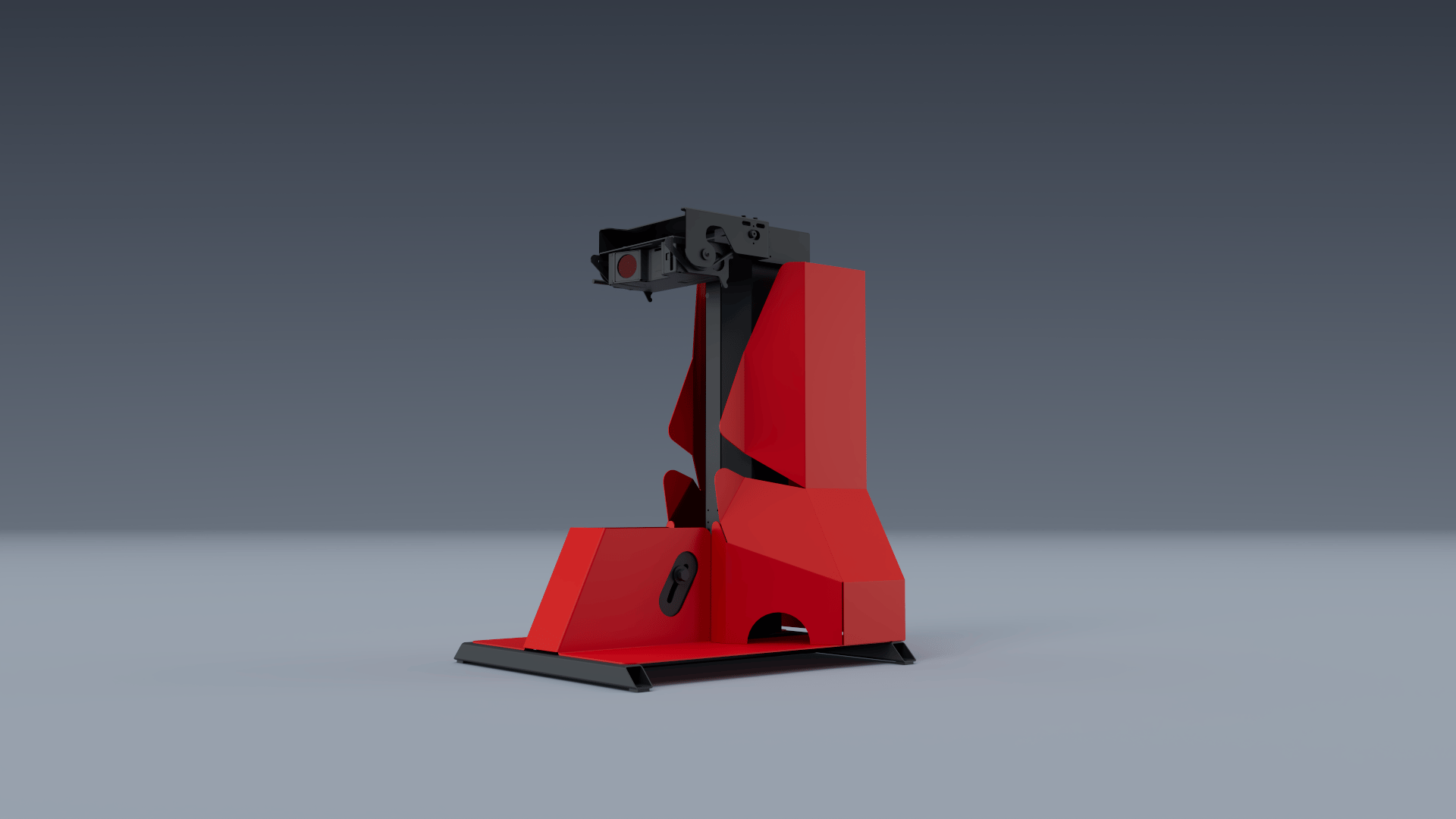
- Patented HD iRoll Camera: Replaces manual floor templates with a digital camera system mounted directly on the machine. It projects a calibrated digital template onto the operator screen, allowing real-time radius verification during forming without unloading heavy sections.
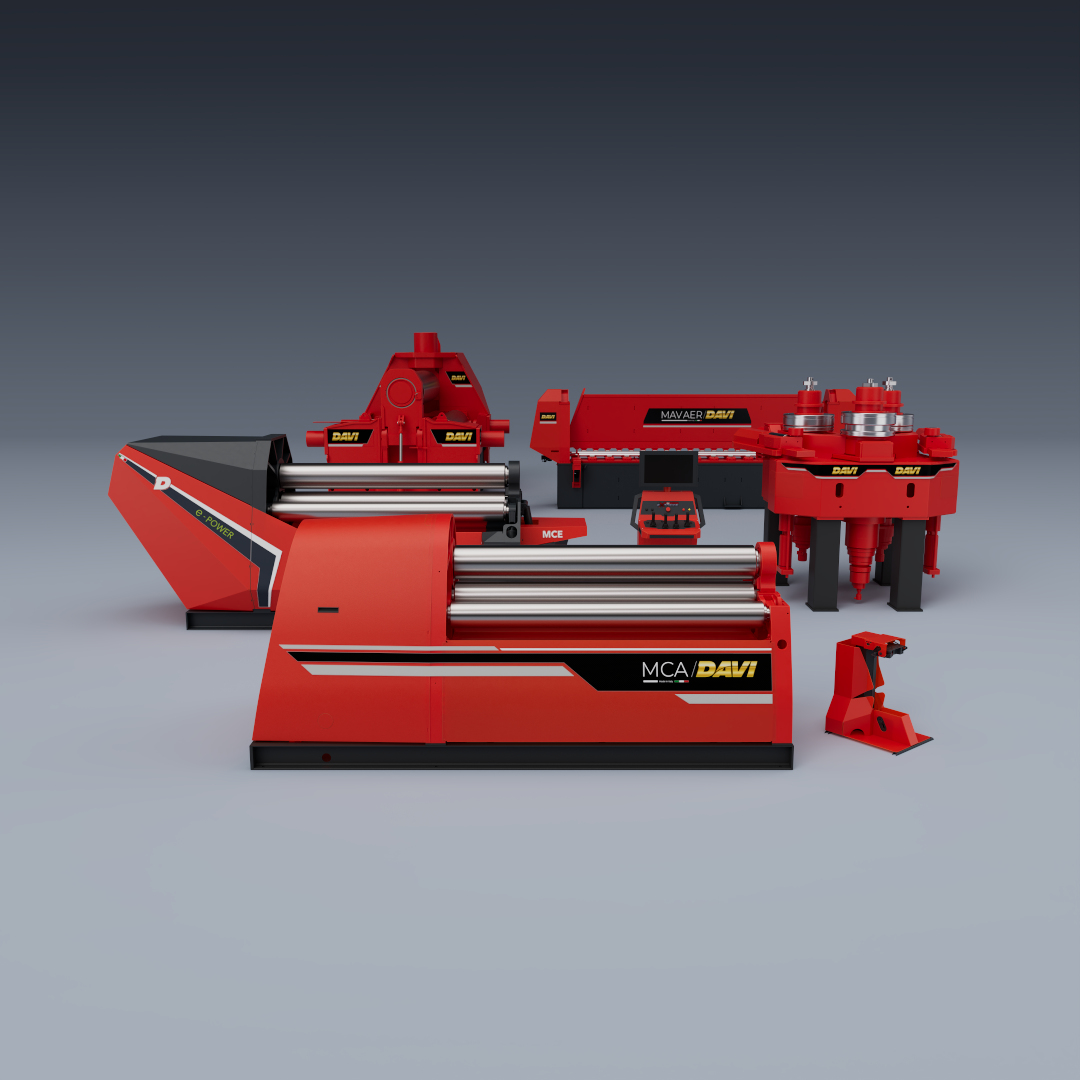
Different manufacturing environments require distinct mechanical geometries to handle specific plate thicknesses, section profiles, and automation levels.
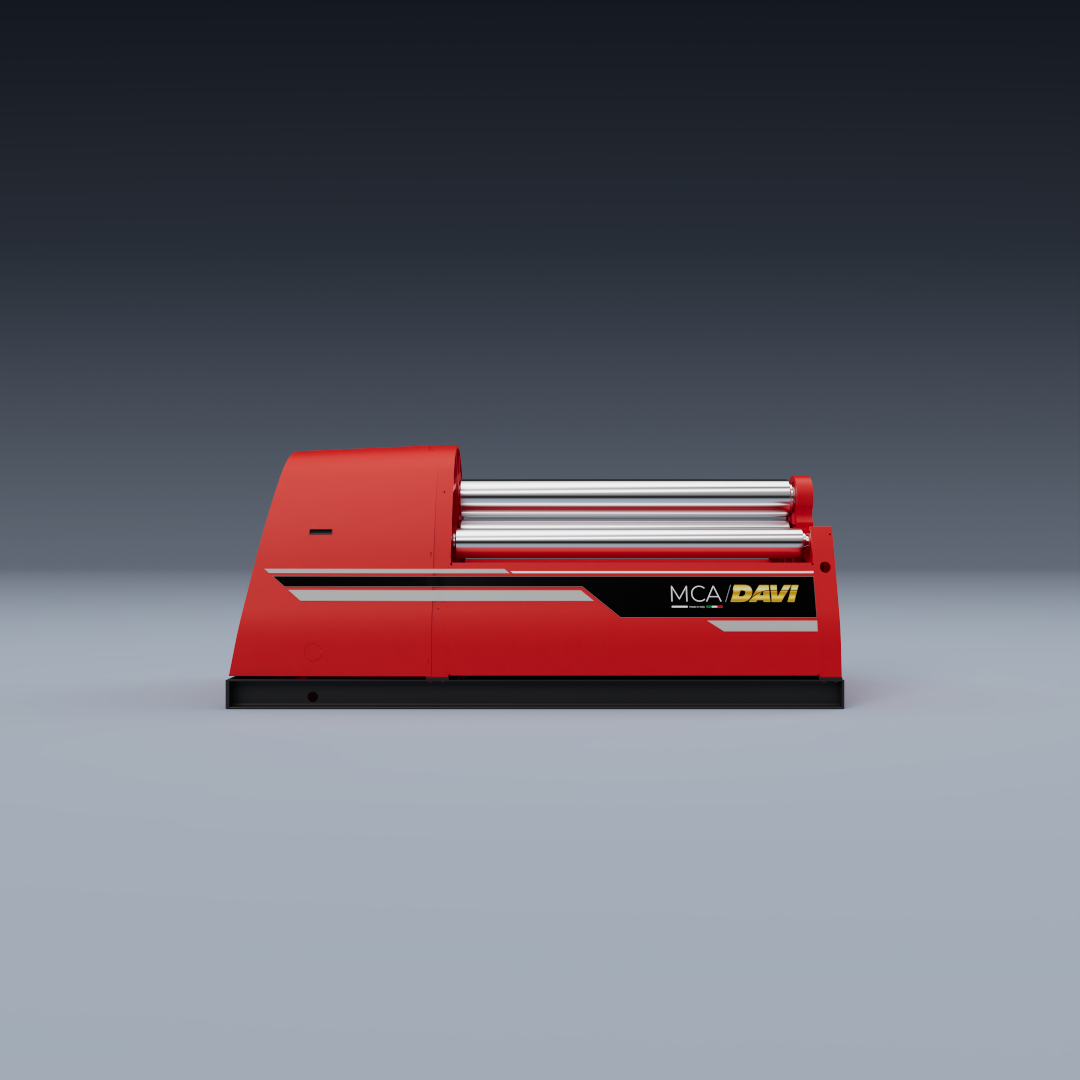
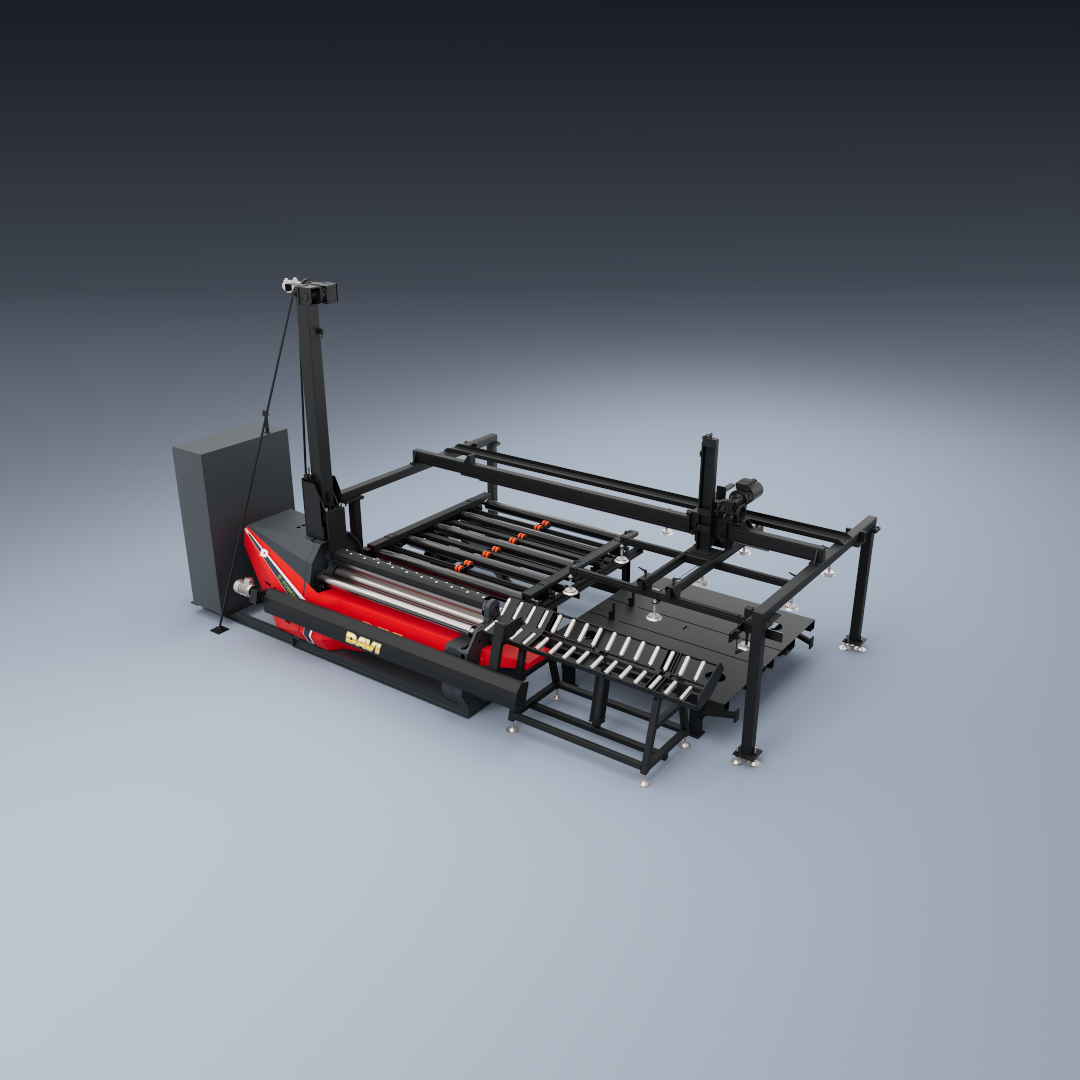
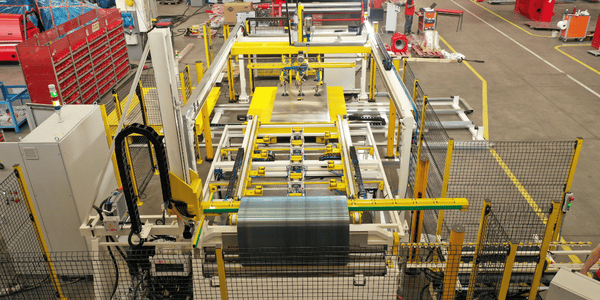
- MCA Series (4-Roll Compact): Designed for high-speed, repeatable plate forming from 2 to 6 m (6.5 to 19.6 ft) wide, combining compact framing with planetary side roll guides for rapid CNC production.
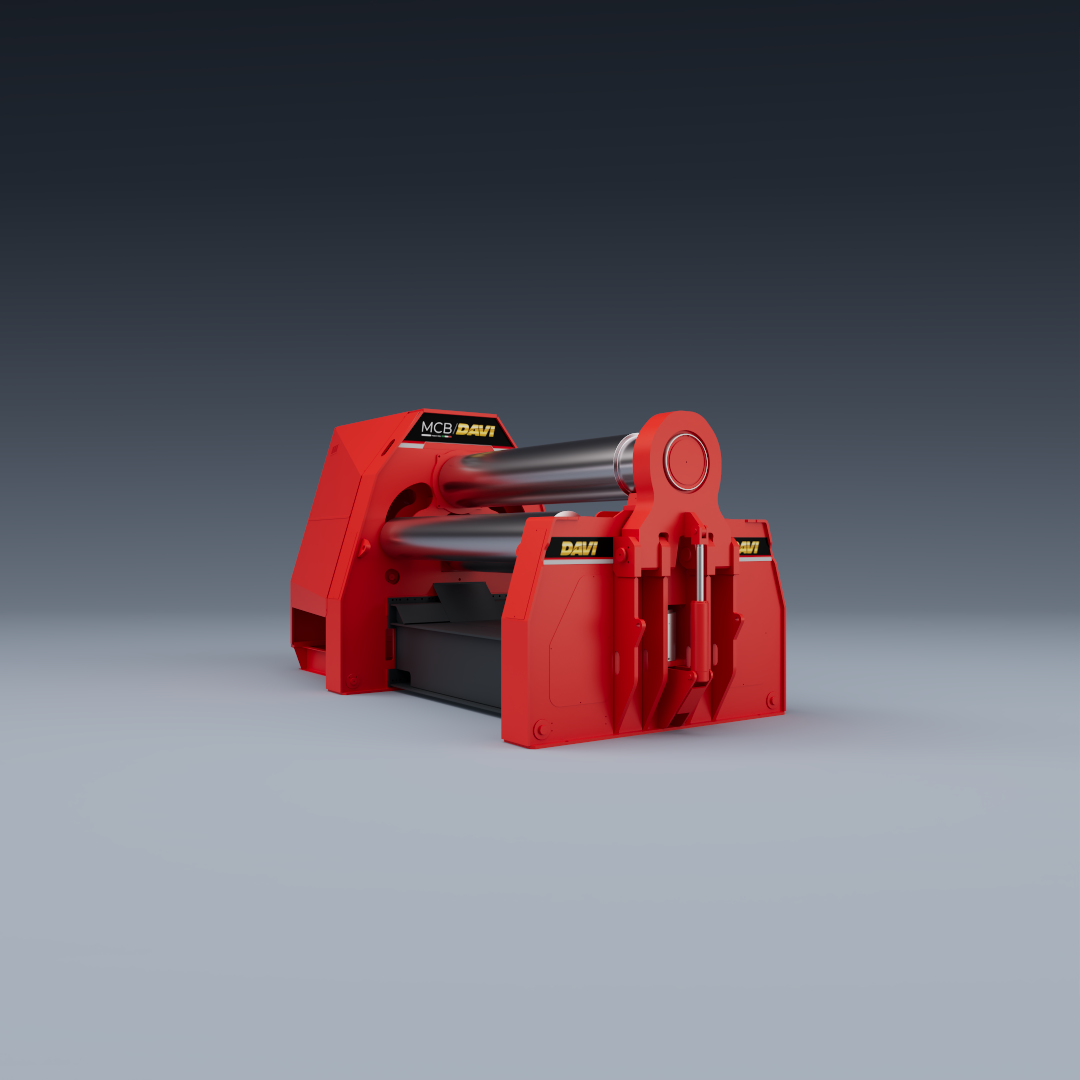
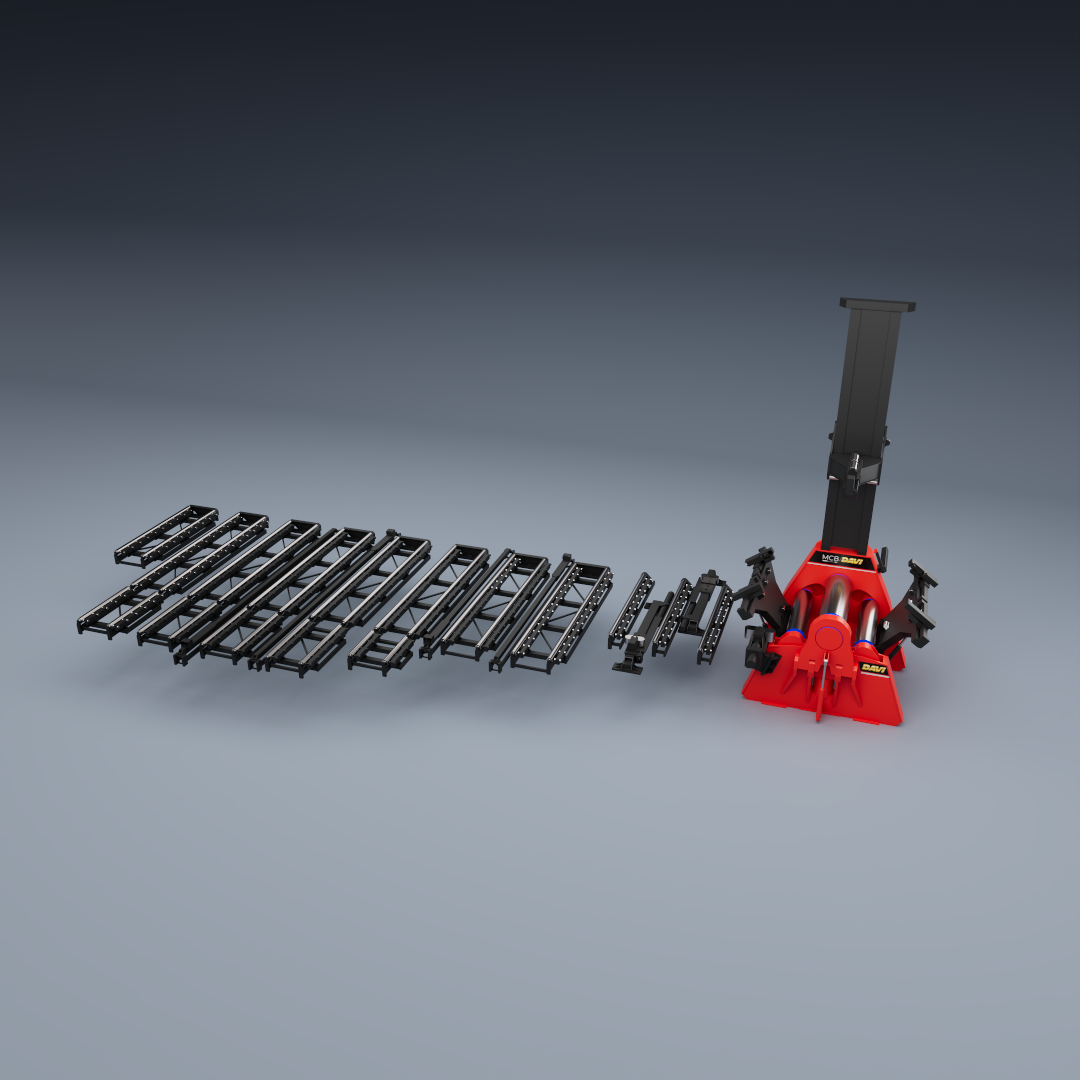
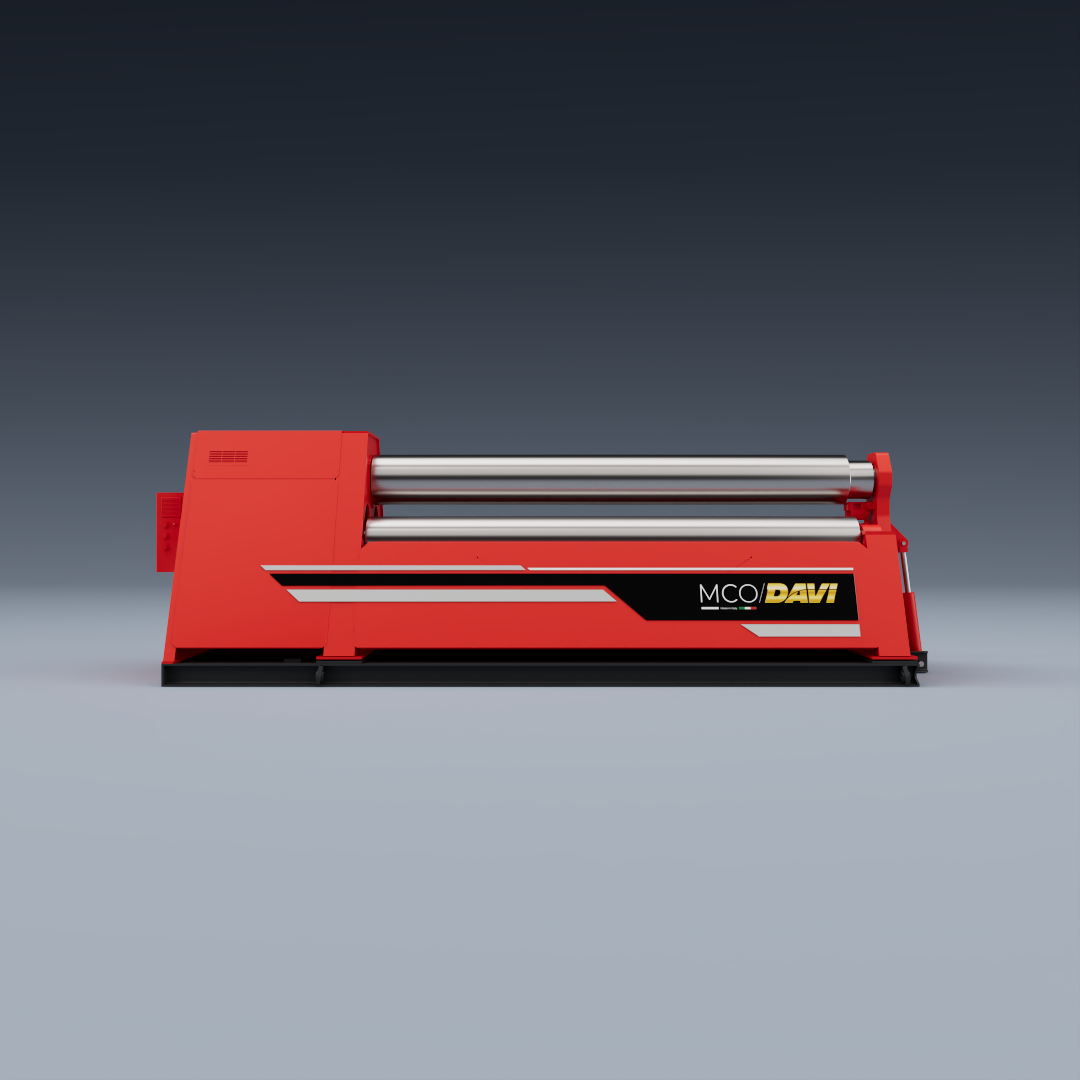
- MCB Series (4-Roll Heavy Duty): Engineered for medium-to-heavy industrial fabrication handling plates up to 400 mm (15.7 in) thick, featuring swingable pendular gearboxes that allow stress-free roll tilting up to 100 mm (4 in) every 3 m (10 ft).
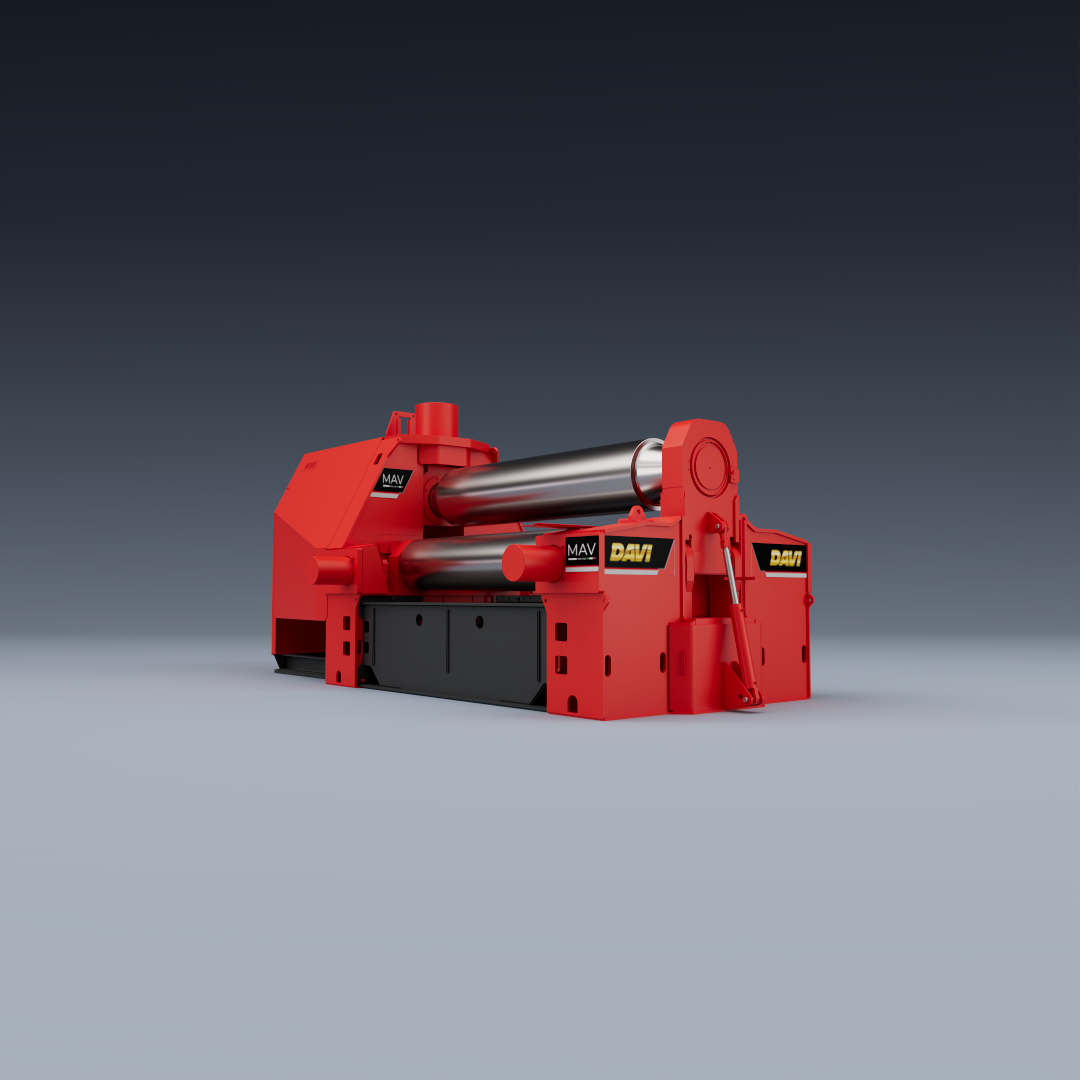
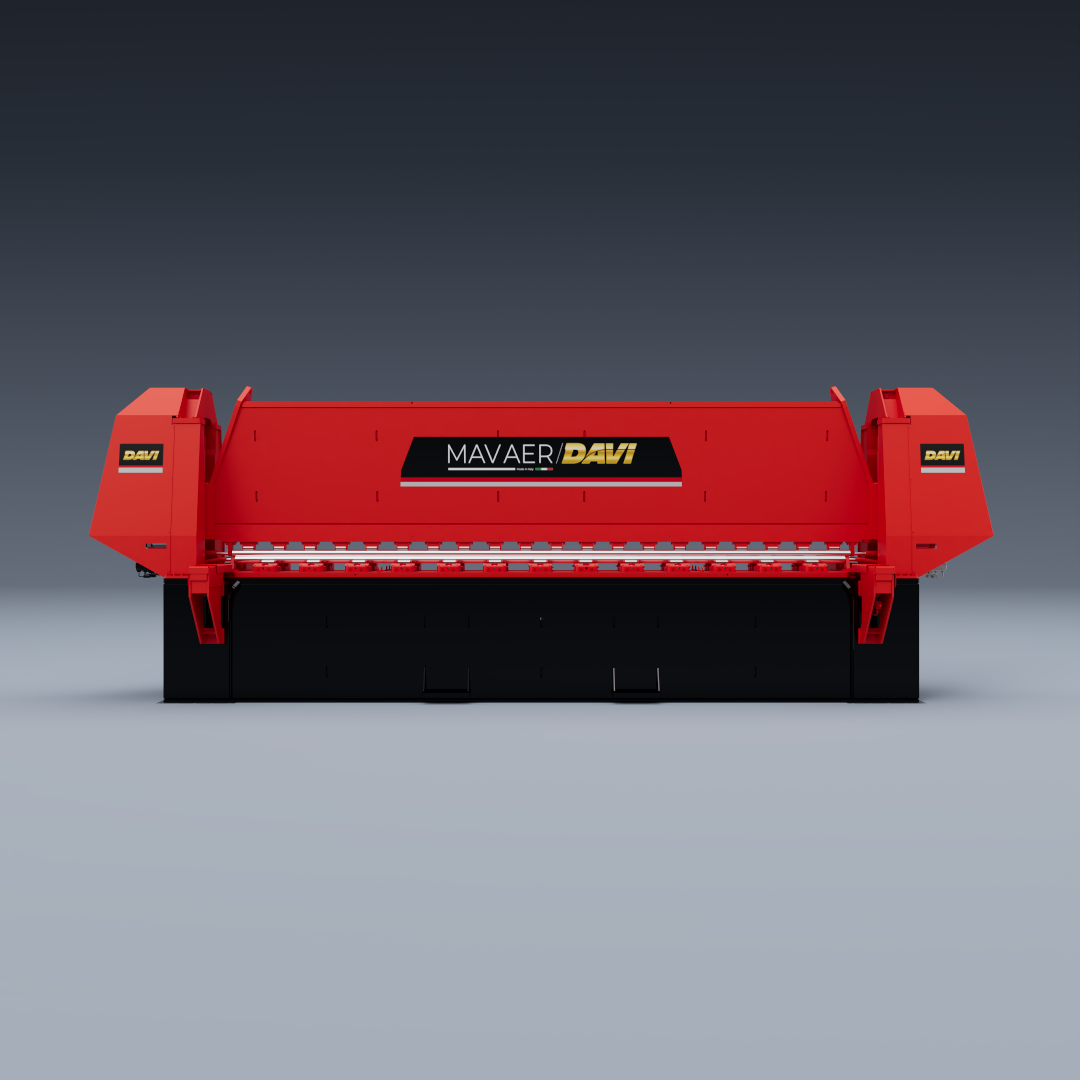
- MAV Series (3-Roll Variable Axis): Utilizes independently moving side rolls and a vertical top roll—similar to a press brake—providing maximum leverage for heavy plate rolling, pressure vessels, and precise re-rolling of pre-welded shells.
- MCP Series (3-Roll Angle Roll): Engineered with three independent drive motors and universal modular tooling to bend structural beams up to 1,200 mm (47.2 in) height and pipes up to 800 mm (31.5 in) diameter.