
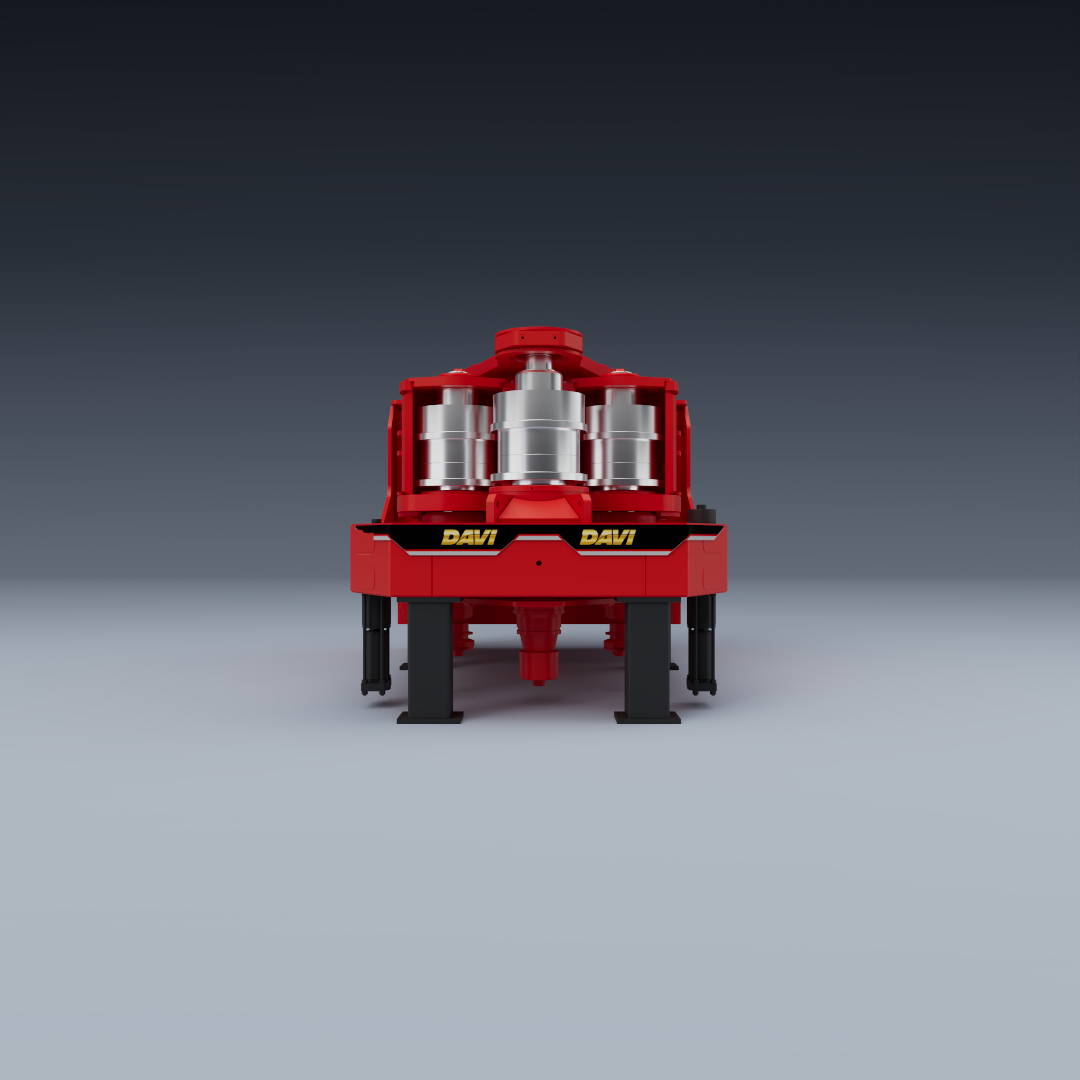
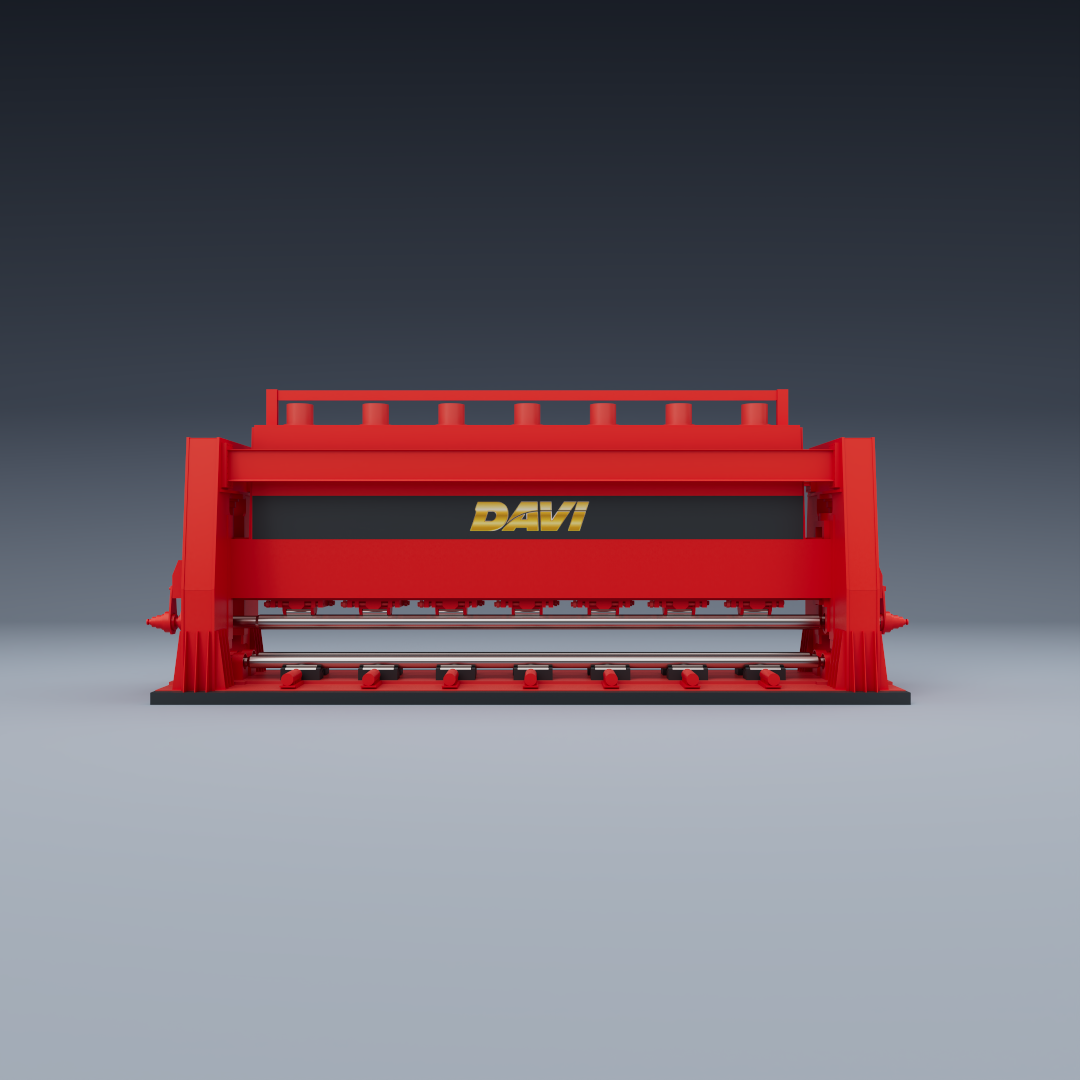
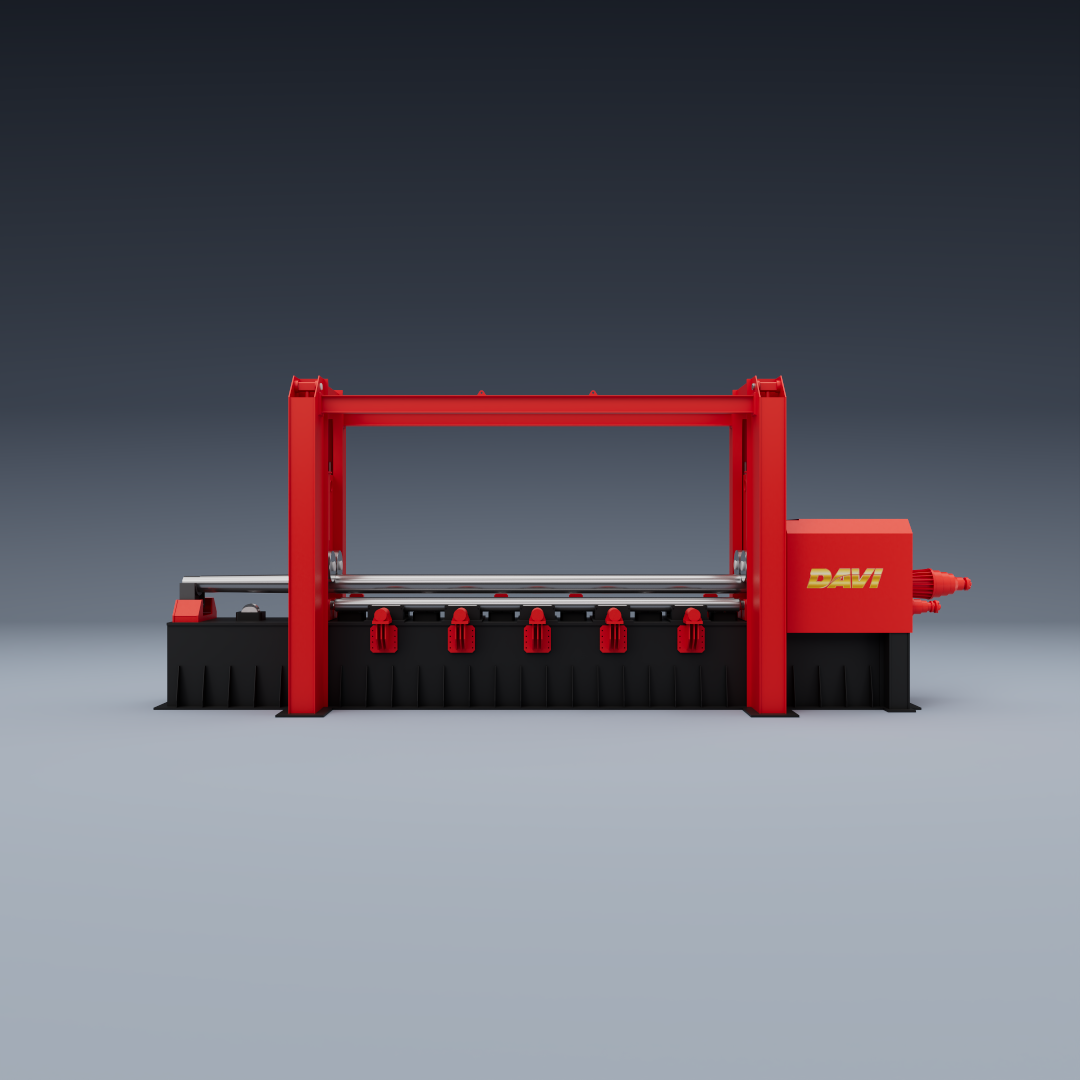
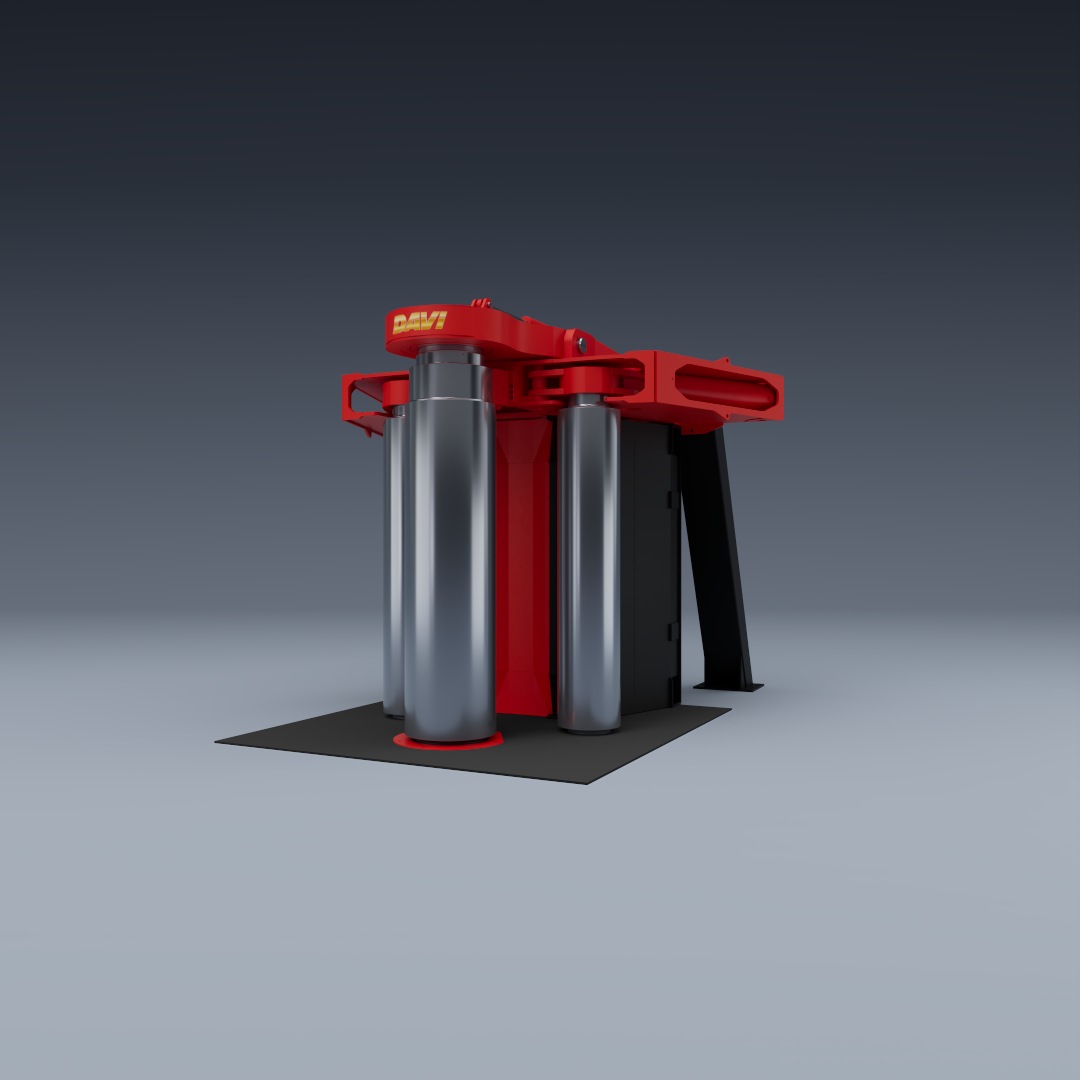




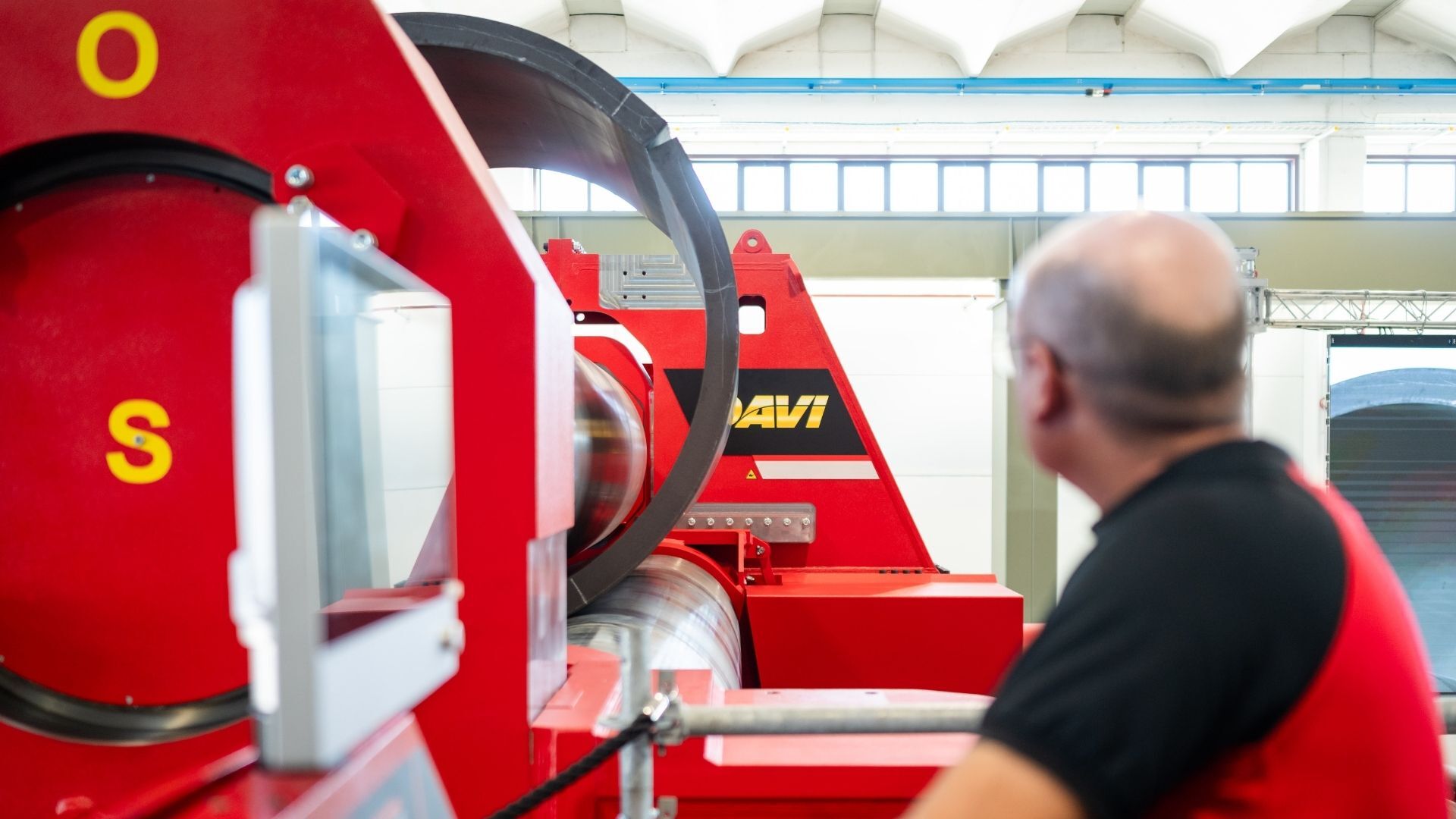
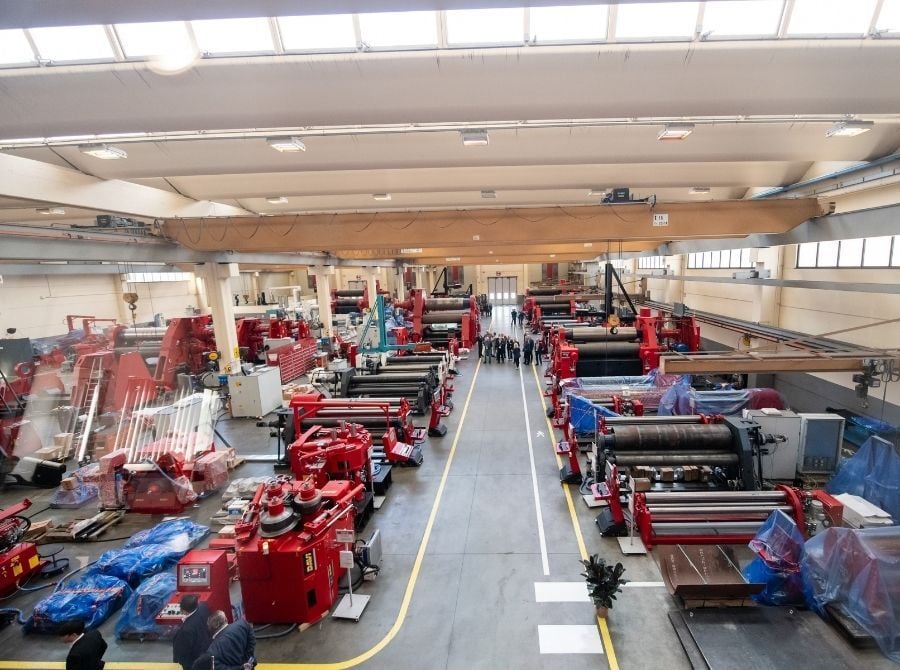


Electric Plate Roll
Technical FAQ
Metal fabricators often need to diversify their production from flat sheets to structural profiles, which requires choosing the right technology to adapt to varying market demands. While plate rolling utilizes wide cylinders to form flat sheet metal into cylinders or cones, angle rolling utilizes specialized, narrower driven shafts to bend structural shapes like beams, pipes, channels, or angles. This clear distinction helps job shops select the exact machinery needed to maximize shop versatility, expand their service portfolio, and capture new commercial opportunities. Davi builds dedicated lines for both applications, engineering systems that handle plates up to 400 mm (15.75 inches) thick and structural sections like beams up to 1,200 mm (47.24 inches) in height.
Selecting the ideal plate roll requires matching structural workload demands, thickness limits, geometric tolerances, and production speeds to the proper machine architecture.
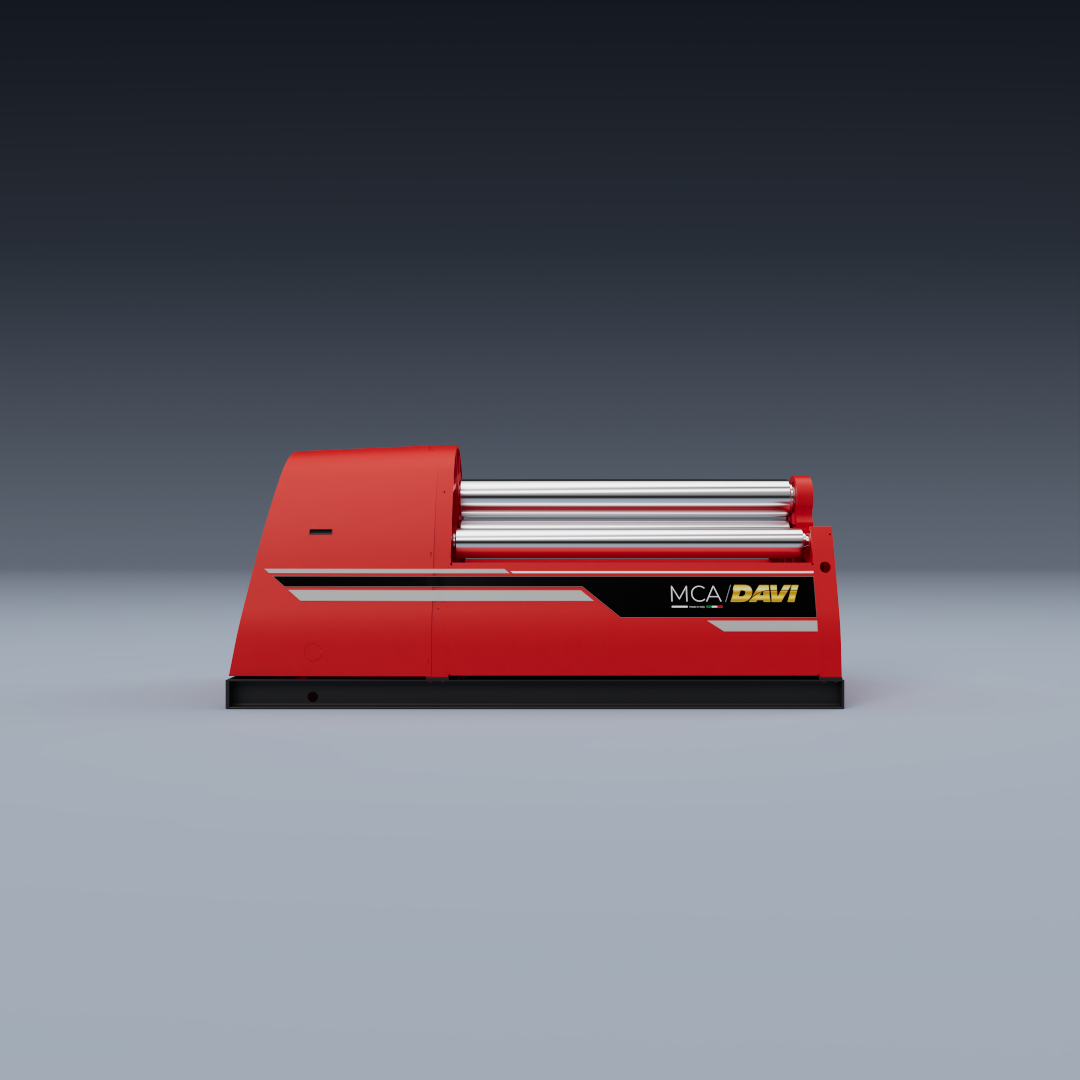
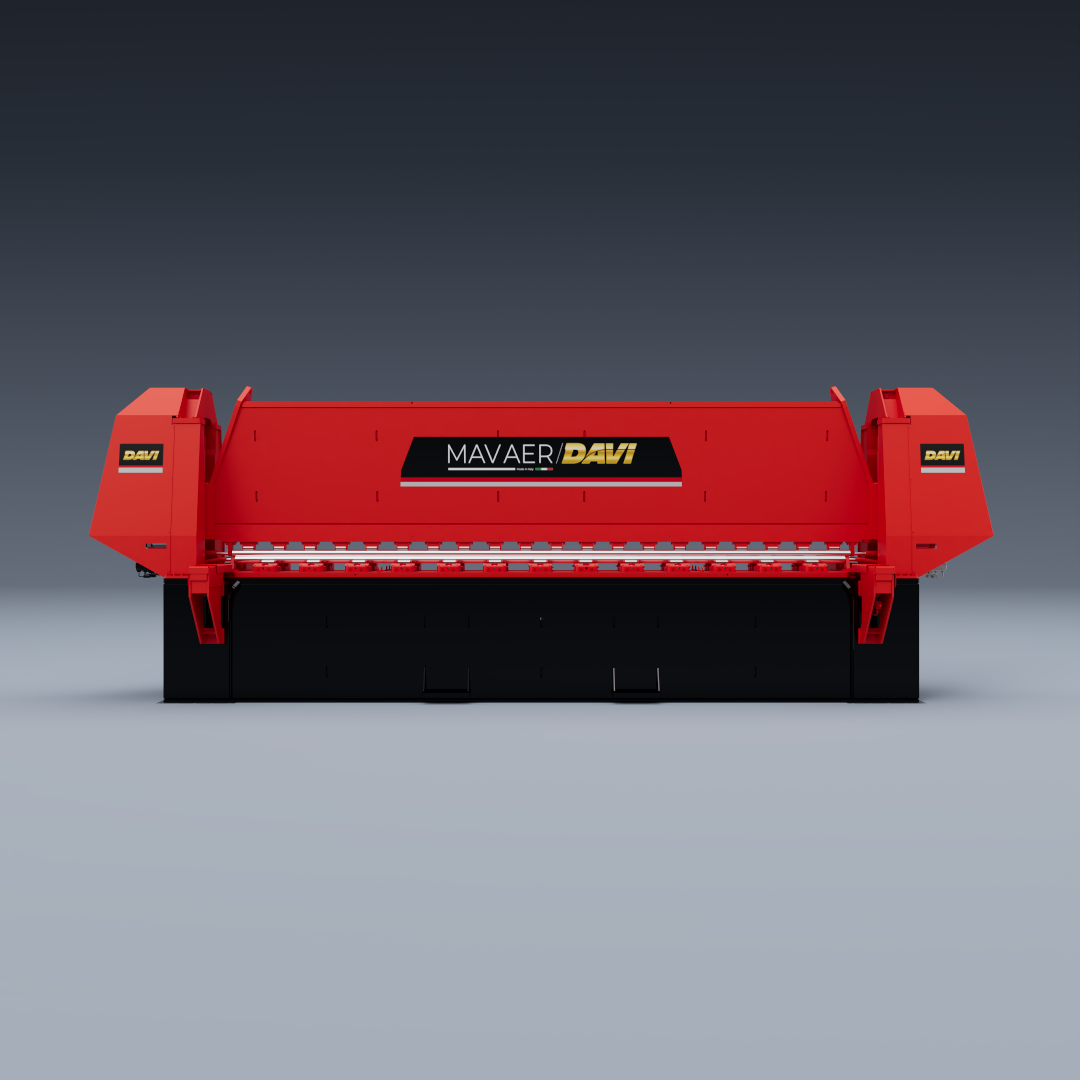
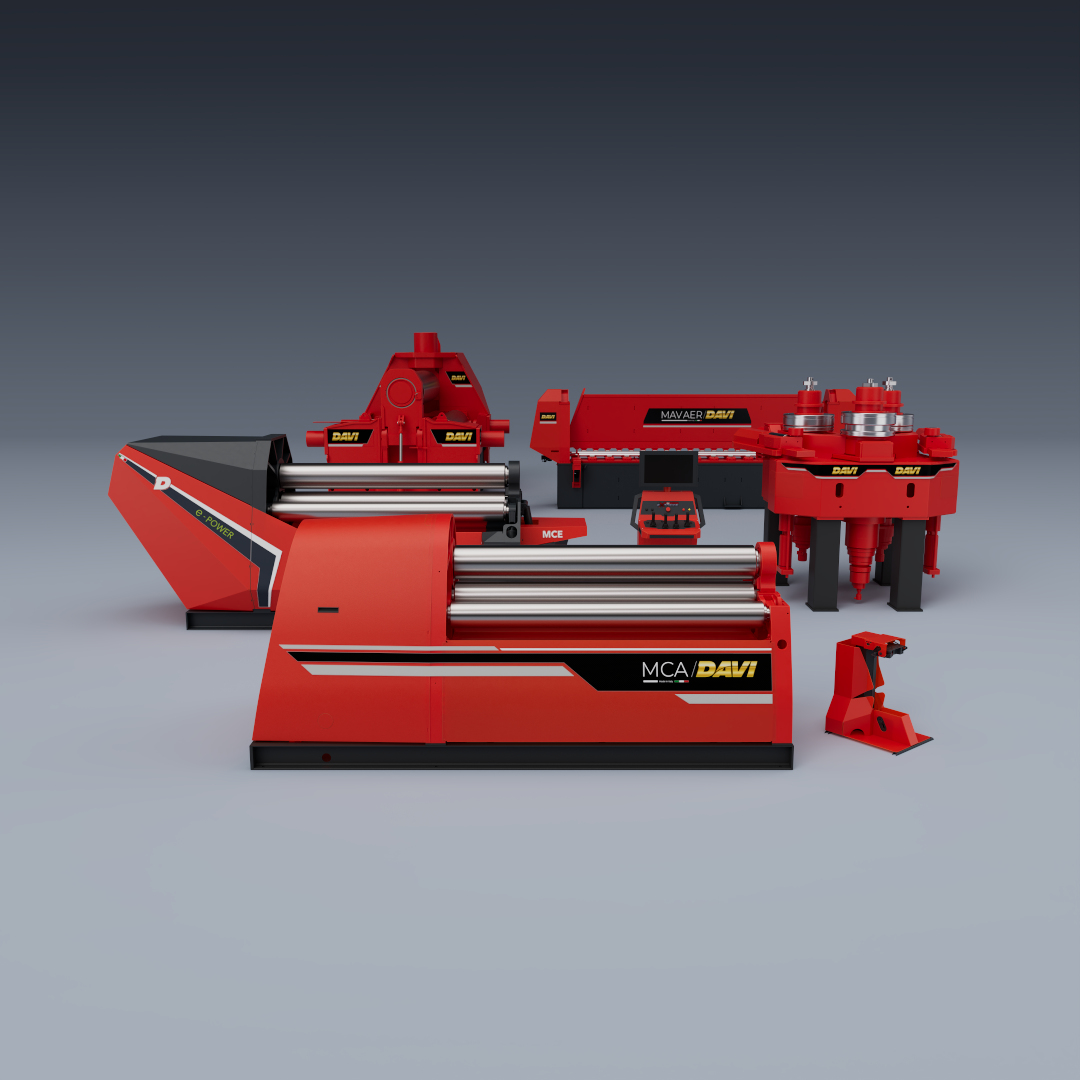
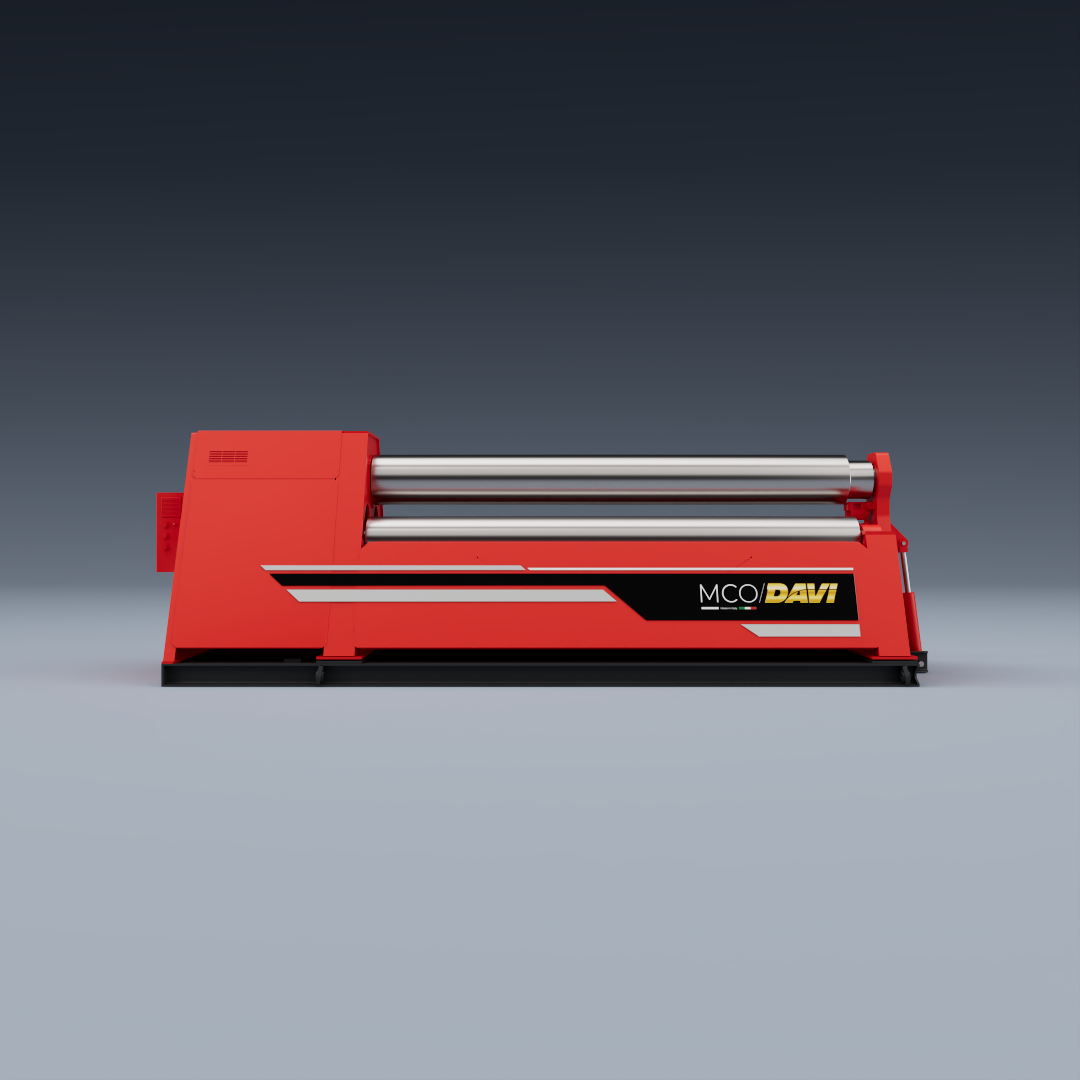
- MCA Series (4-Roll Compact): Engineered for light-to-medium plate bending, optimal for high-repeatability jobs, fast cycle times, and automated production of plates from 2 to 6 m (6.5 to 19.6 ft) wide.
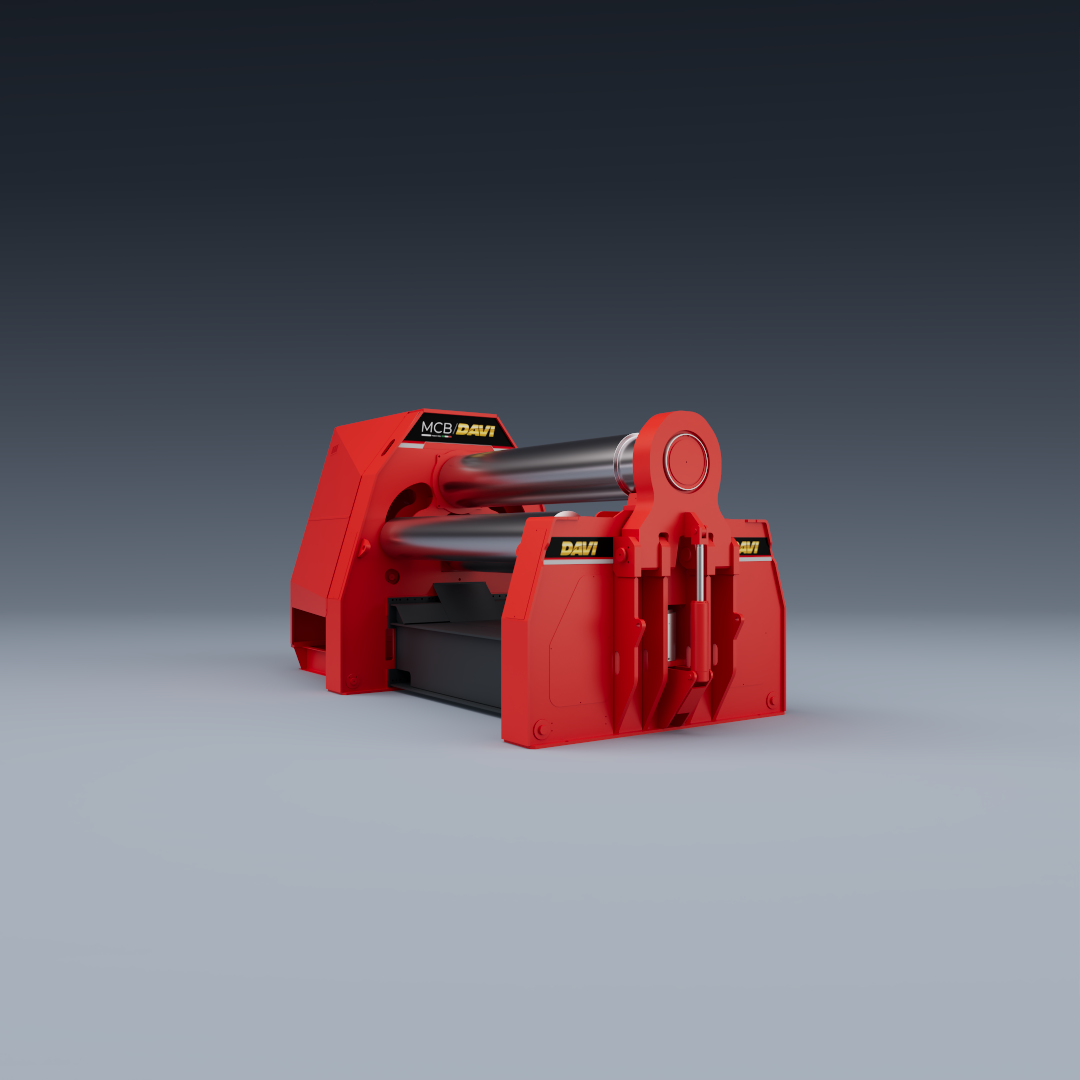
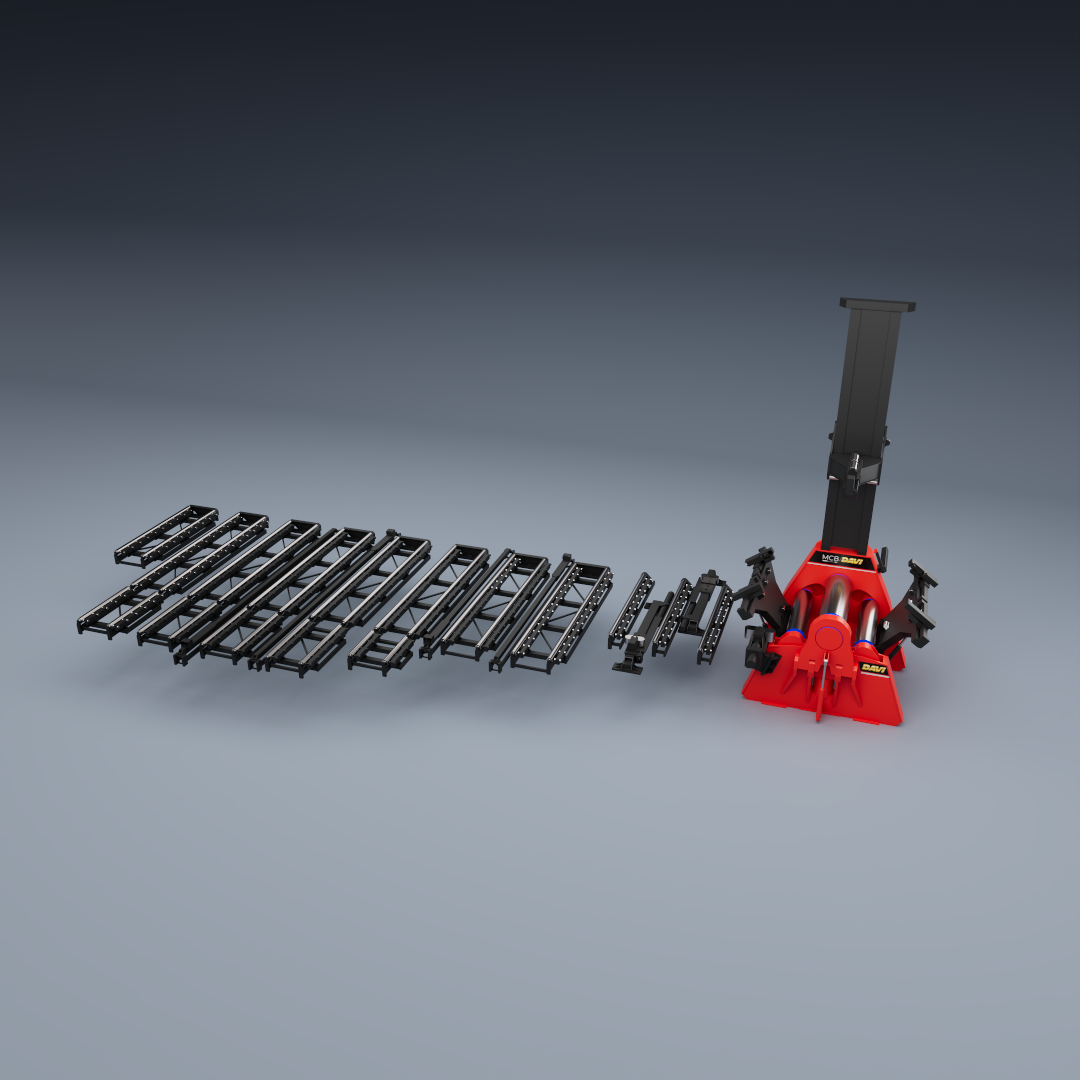
- MCB Series (4-Roll Heavy Duty): Designed for medium-to-heavy industrial fabrication, delivering maximum clamping force, high-torque pre-bending, and seamless CNC automation for production plates up to 400 mm (15.7 in) thick.
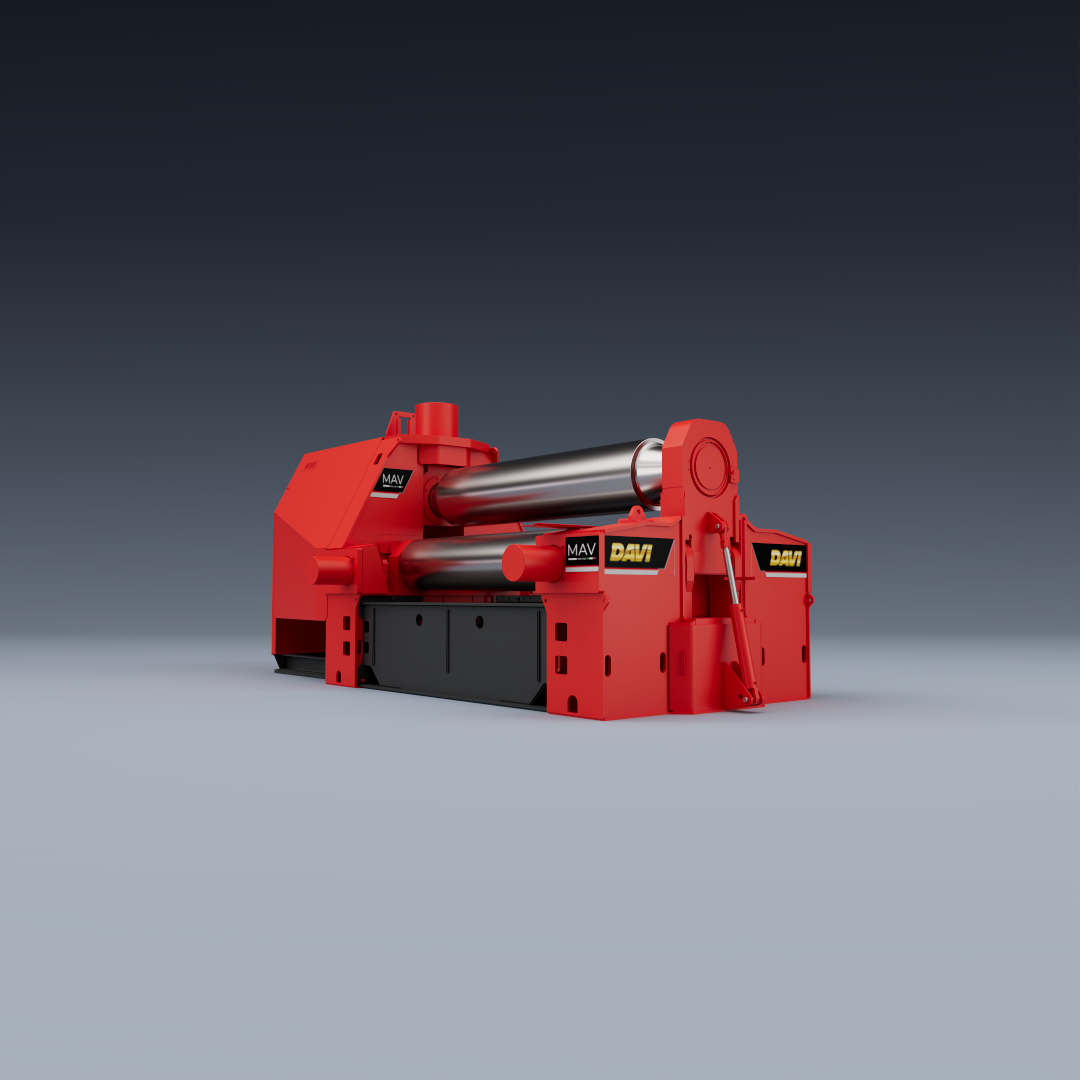
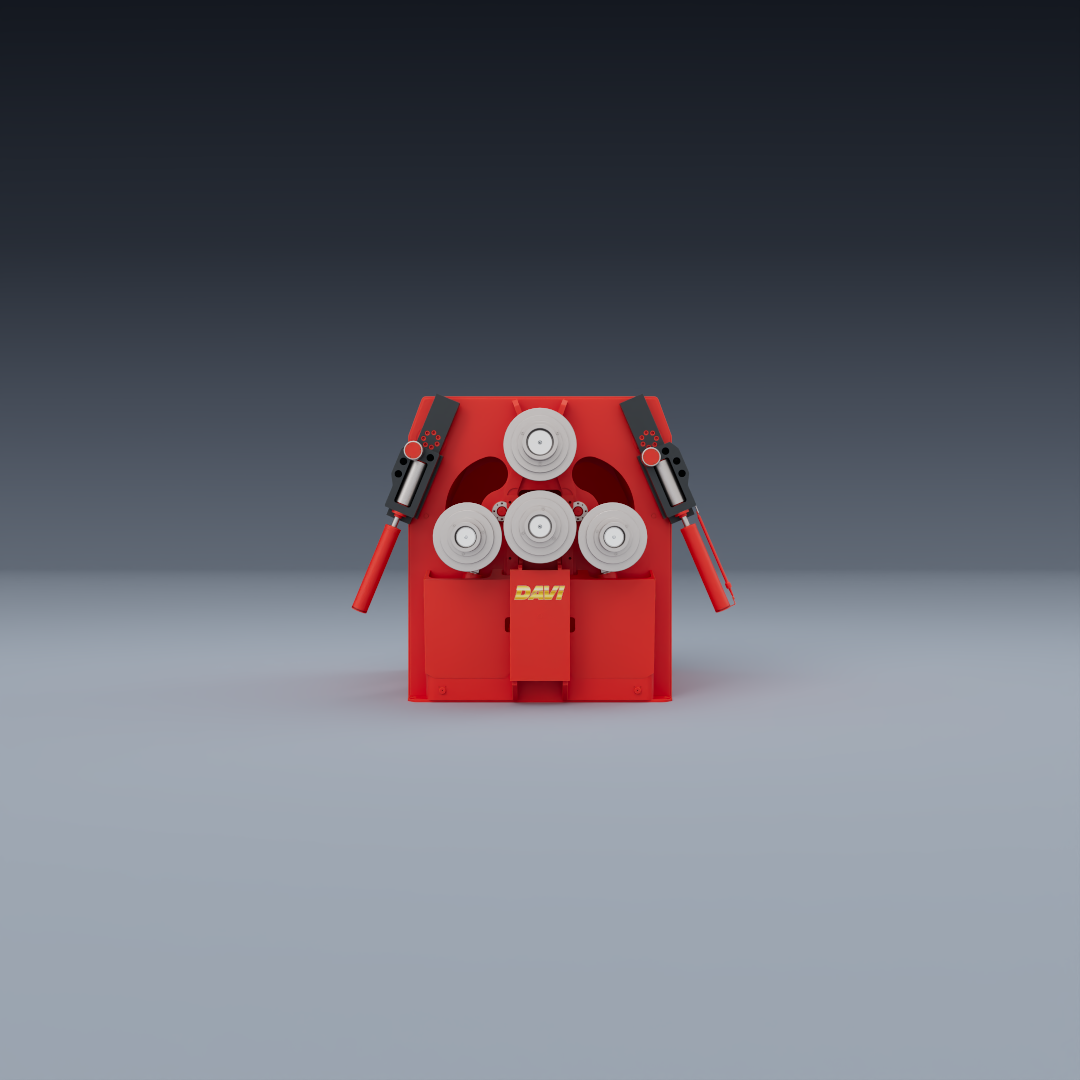
- MAV Series (3-Roll Variable Axis): Built for ultra-heavy plate rolling, pressure vessels, and complex multi-radius forming; features independently moving side rolls and vertical top roll positioning for maximum leverage during pressing and re-rolling.
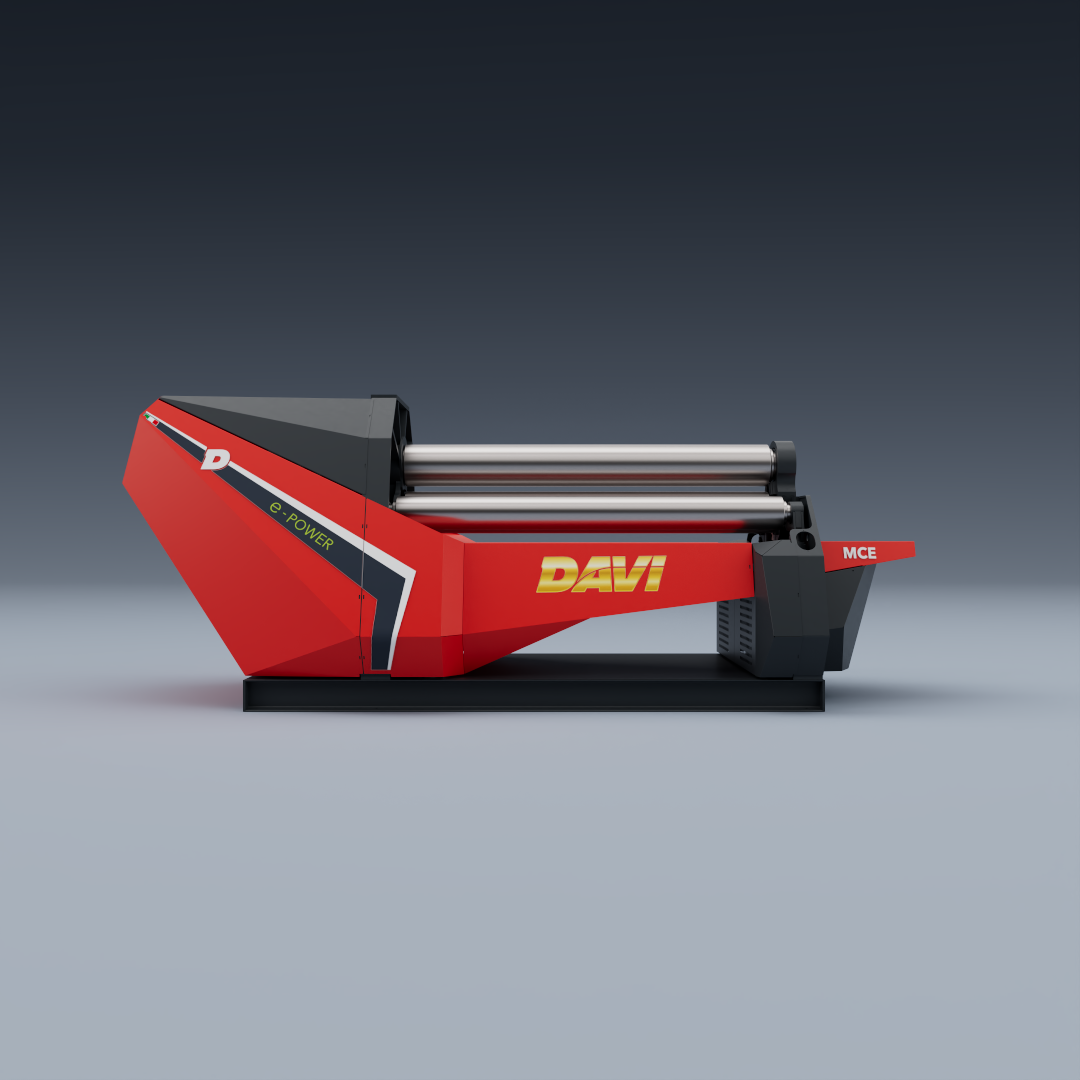
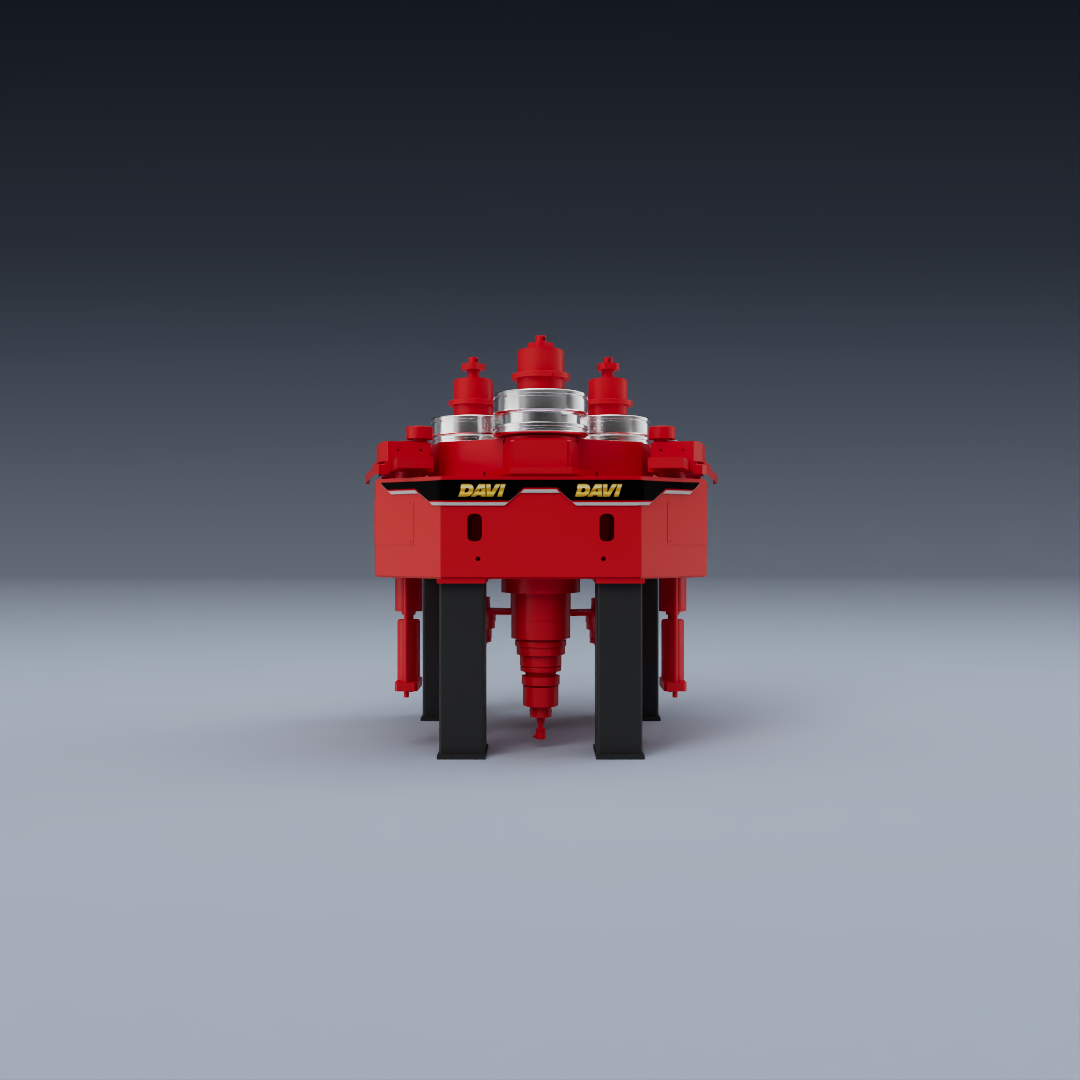
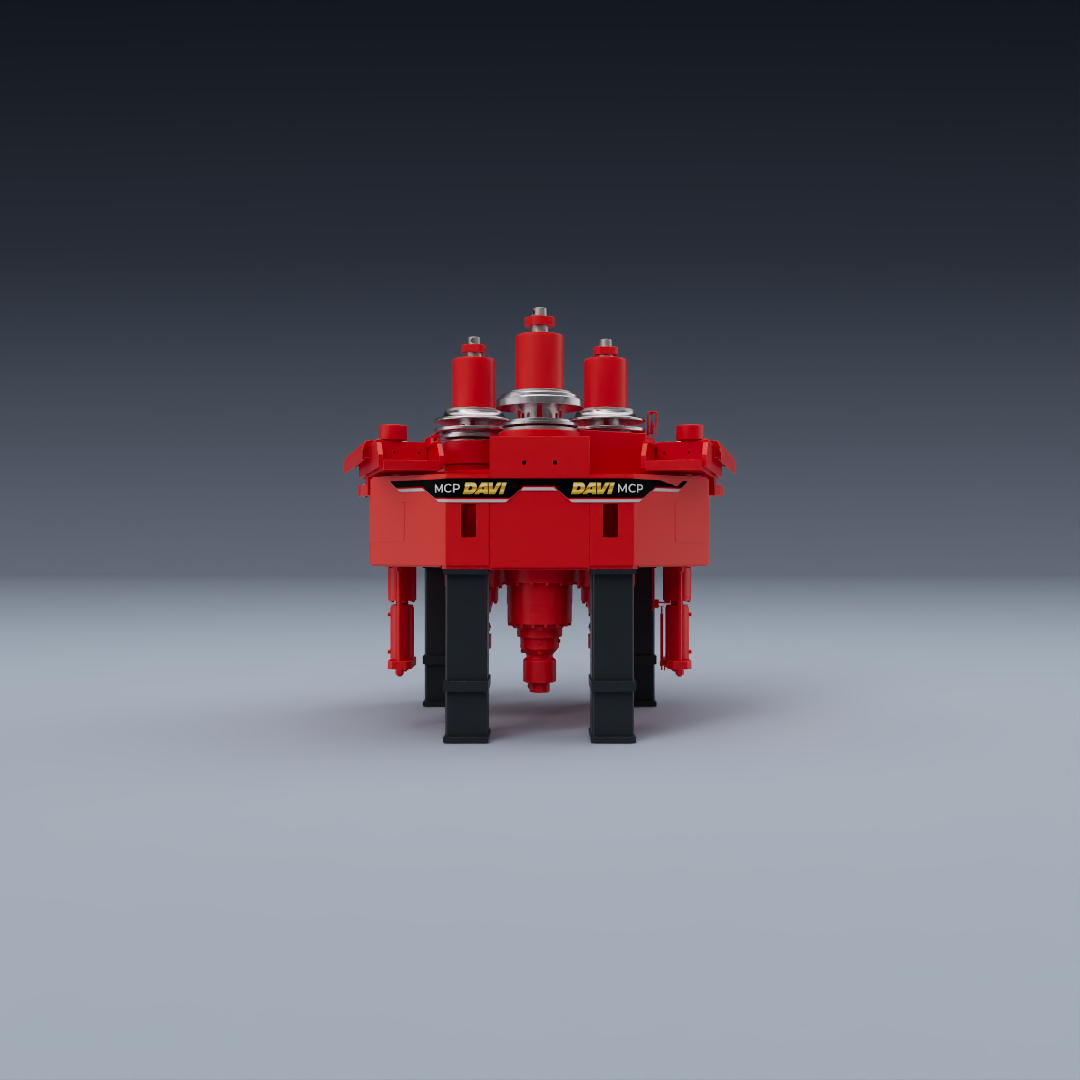
- MCE e-POWER Series (Fully Electric 4-Roll): Ideal for precision-focused, energy-conscious shops aiming to eliminate hydraulic fluid maintenance and cut power consumption by 65%.
Next Step: To identify the exact tonnage, roll diameters, and drive requirements for your workshop, Request a Feasibility Study with a Davi technical specialist.
The fundamental difference between 3-roll and 4-roll plate bending technologies lies in how the plate is clamped, fed, and formed throughout the rolling cycle.
- 4-Roll Architecture (MCA/MCB): The bottom roll securely clamps the plate against the top roll, maintaining constant alignment during the entire forming sequence. Side rolls move along planetary guide paths to perform pre-bending on both sides without removing or reversing the plate, making 4-roll machines the fastest, most precise, and easiest to automate via CNC systems.
- 3-Roll Variable-Axis Architecture (MAV): Operates similarly to a press brake, where the top roll provides vertical pressing force while two side rolls move horizontally to vary the interaxis distance. This variable geometry allows maximum leverage adjustment for very thick plates, superior cone bumping, and exceptional re-rolling calibration on pre-welded cylindrical shells.
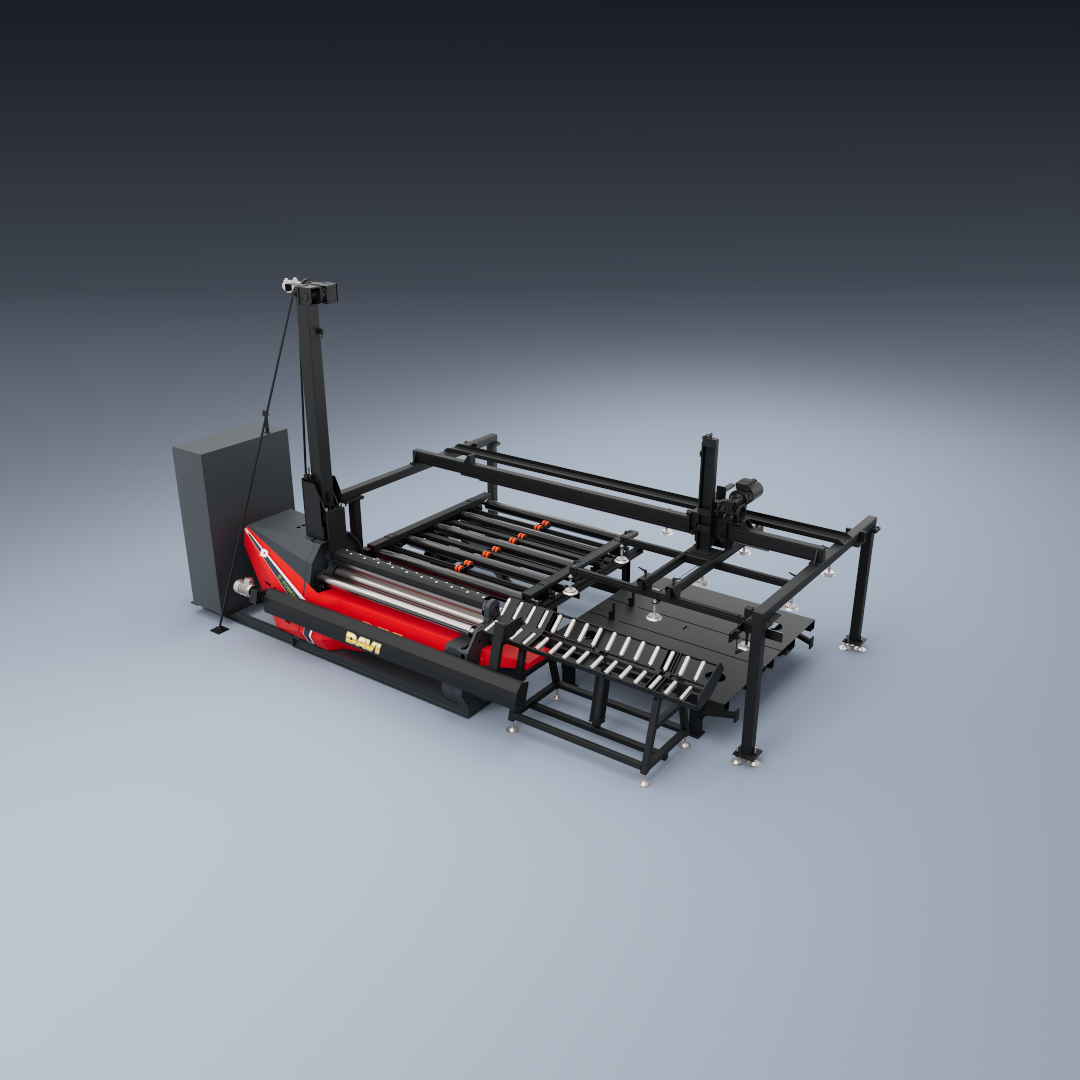
Traditional plate rolling relies heavily on skilled manual operators to compensate for batch-to-batch material yield variations, resulting in trial-and-error scrap and inconsistent quality. Davi Autorolling© creates a self-functioning rolling cell by combining three proprietary technological building blocks:
- MCE e-POWER: High-precision, fully electric roll positioning controlled down to 0.001 mm (0.00004 in) resolution.
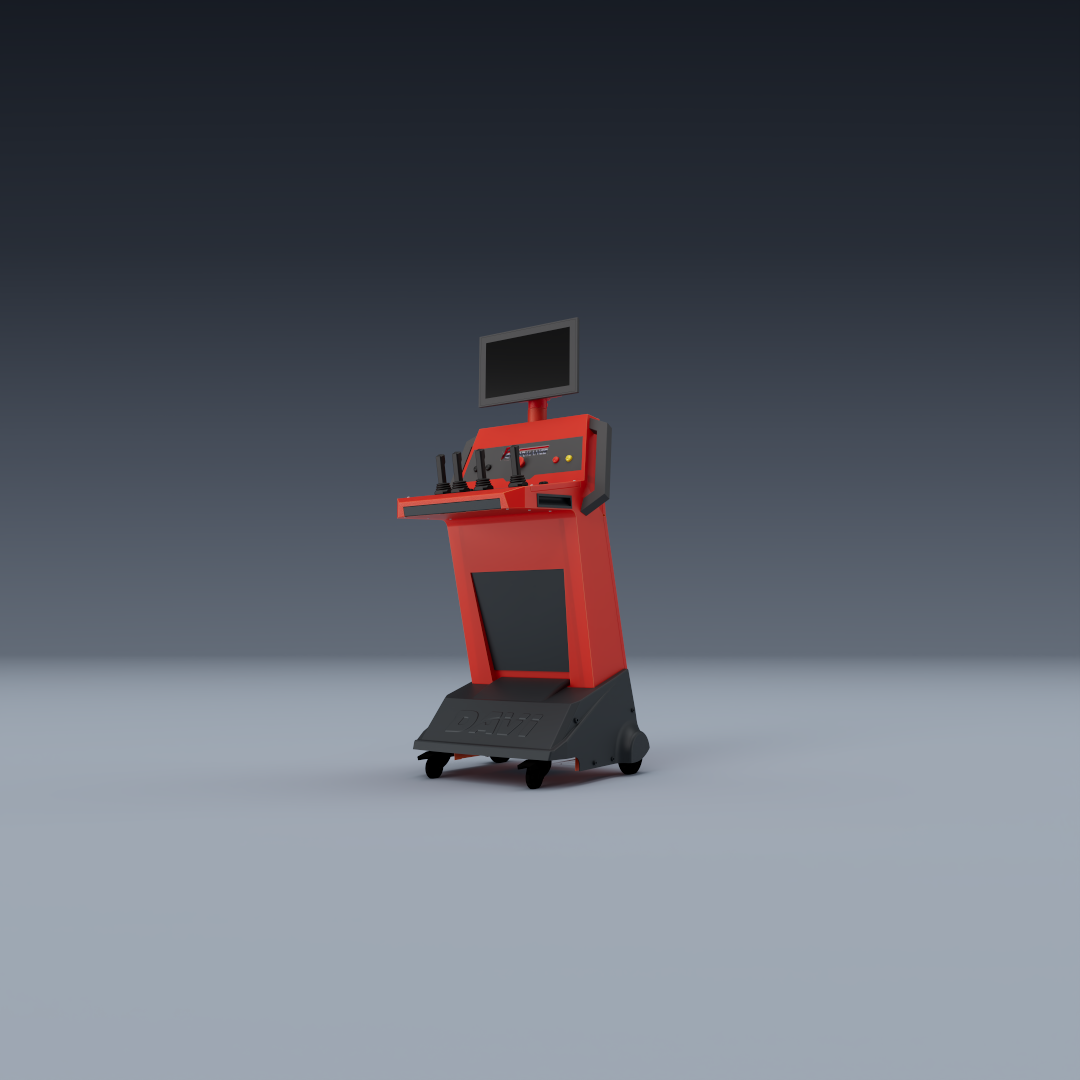
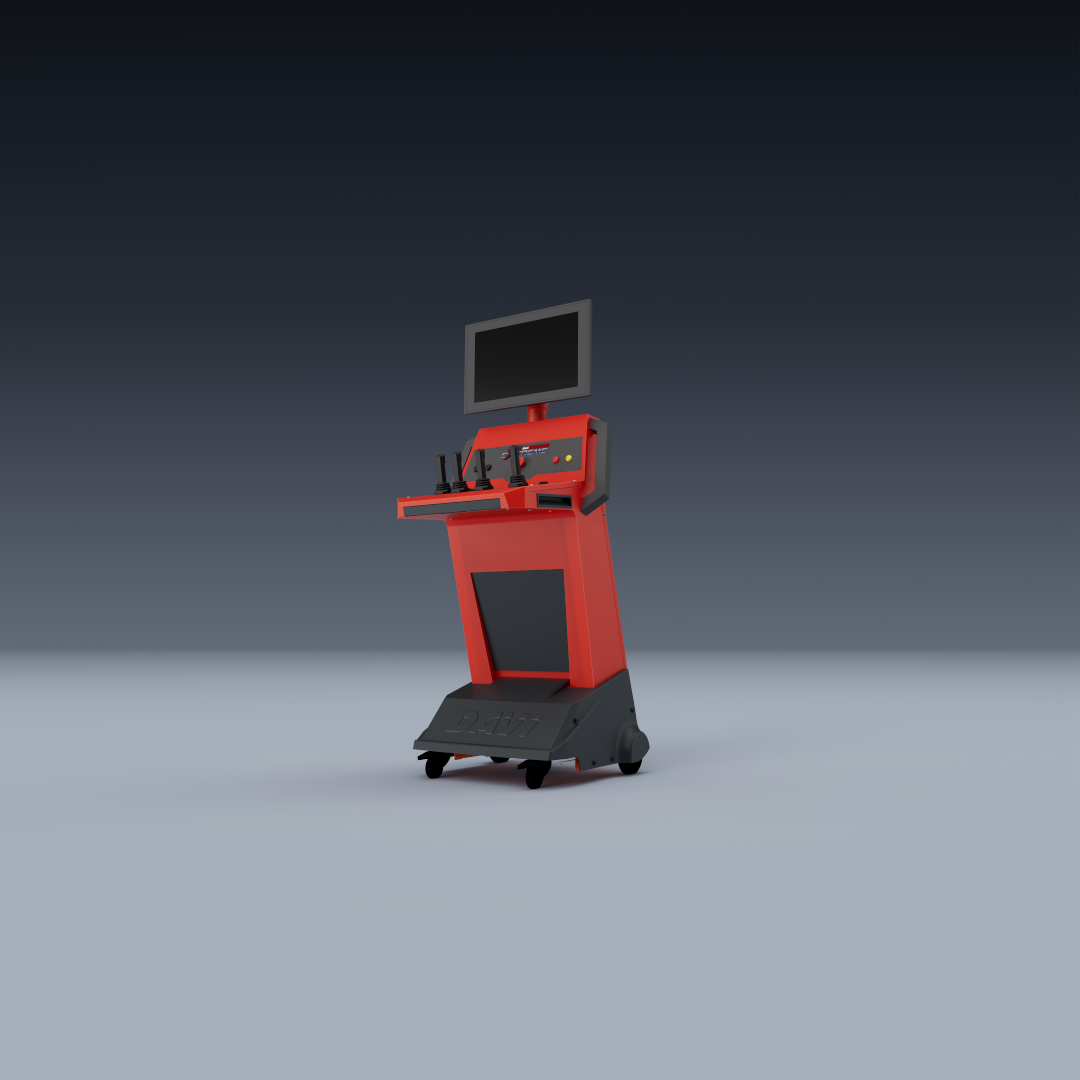
- iRoll eXtreme CNC: Advanced software utilizing a 60-year historical forming database and self-learning material algorithms.
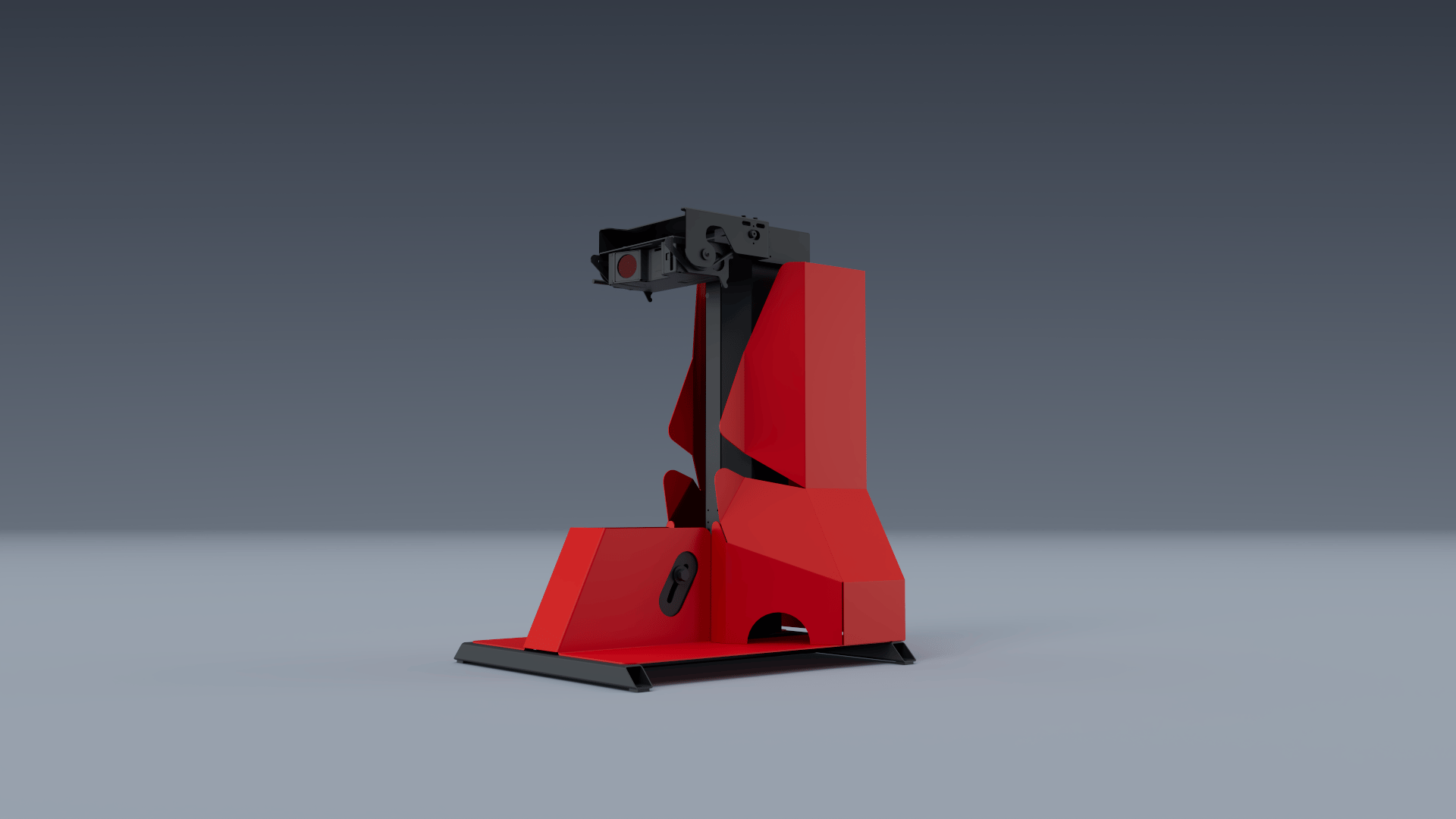
- AI-Vision: A high-definition laser measurement system projecting thousands of data points across the plate surface to read actual curvature radii in real time. By linking these systems, Autorolling© automatically recalculates and adjusts roll axes on the fly without human intervention, achieving exact target dimensions on the very first sheet.
Davi offers two main industrial control platforms built on robust Windows 10 architecture and non-proprietary global electronics:
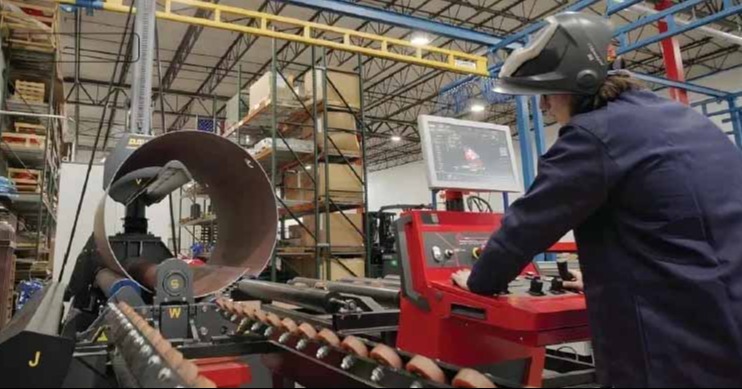
- iRoll Performance: Features an 18.5" industrial touchscreen with a smartphone-like 3D interface. It provides phase programming, single-radius template-aided programming, material manual input libraries, and standard TeamViewer remote diagnostic capabilities.
- iRoll eXtreme: Upgrades to a 21.5" touchscreen with live 3D rendering, 3D pre-production collision simulation, custom multi-radius arc drawing, and multi-pass wizard automation. It includes the ASME-compliant "Apple-Shape" calculator for re-rolling calibration, material self-learning algorithms, Failure Free Machine (FFM) diagnostic monitoring, and seamless integration with AI-Vision laser systems and OPC-UA plant MES networks.
Selecting an undersized plate roll leads to machine overload, excessive flat unbent ends, and out-of-tolerance shell geometry. Machine selection is determined by matching the plate thickness, material yield strength, shell diameter, and target production speed to the optimal drive configuration:
- Light to Medium Gauge (2 mm to 15 mm / 0.08 in to 0.59 in): The fully electric MCE e-POWER or MCA 4-roll series delivers maximum speed, positioning accuracy to the third decimal place (0.001 mm / 0.00004 in), and seamless CNC integration.
- Medium to Heavy Fabrication (15 mm to 50 mm / 0.59 in to 1.96 in): The MCB 4-roll series provides heavy clamping force, tight pre-bending down to 1.1 times the top roll diameter, and continuous automatic feeding.
- Ultra-Heavy & Thick Plate (50 mm to 400 mm / 1.96 in to 15.7 in): The MAV 3-roll variable-axis series provides scalable vertical pressing power, wide side-roll interaxis spacing for extreme leverage, and superior force distribution.
Traditional rolling relies on operator experience to adjust for spring-back and material variations through trial and error. Davi eliminates this dependency through Autorolling©, which merges three core technologies:
- MCE e-POWER: High-precision electric roll positioning.
- iRoll eXtreme CNC: AI software utilizing historical databases and spring-back calculation wizards.
- AI-Vision: Laser system measuring actual shell radii in real time and feeding correction data directly to the CNC. Together, these systems execute precise rolling autonomously, allowing entry-level operators to produce accurate parts on the first attempt.
Installed power depends on machine tonnage and drive configuration, but conventional hydraulic plate rolls draw continuous energy through central power packs even during standby phases. Davi resolves high energy overheads through the MCE e-POWER, the world's only complete line of fully electric 4-roll plate bending machines. Replacing central hydraulics with independent servomotors and dedicated actuators, the MCE features an automatic Start&Stop system that ensures zero energy absorption during standby. Power is consumed exclusively when an axis moves, achieving up to a 65% energy reduction compared to standard hydraulic plate rolls (e.g., cutting benchmark annual consumption from 2,682.2 kWh/year down to 929.3 kWh/year) while reducing operational noise levels by 40% (down to 58 dB).