







Glossary
1 MIN READ
Deflection
The temporary structural bending or displacement that machine rolls and frames undergo when subjected to high forming forces during operation.
Technical FAQ
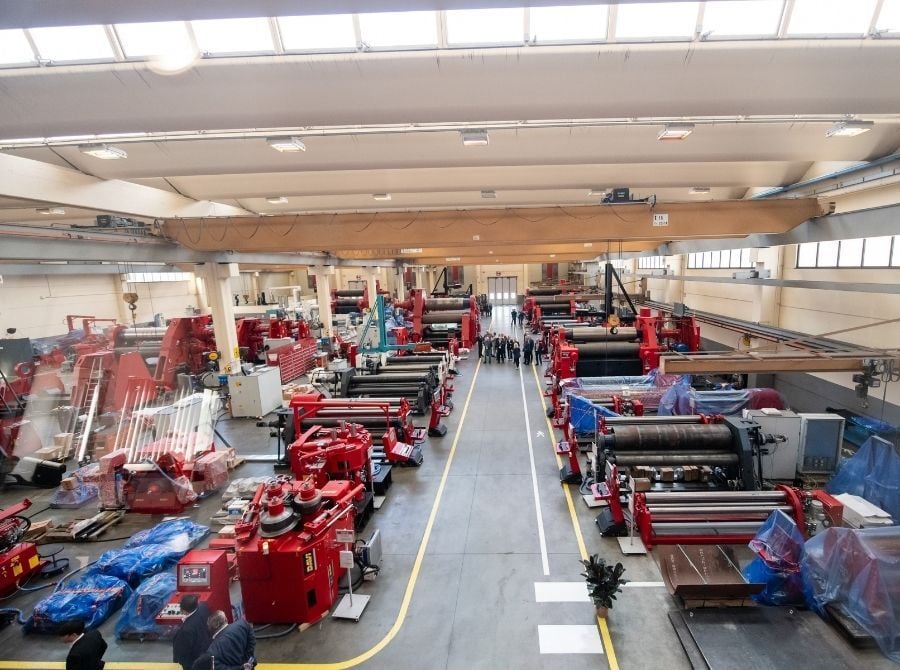
Eliminating material waste and avoiding secondary cutting operations is a primary goal for high-productivity job shops looking to protect their margins. A flat end is the straight, unbent section left at the leading and trailing edges of a plate because the material cannot physically reach the exact tangent contact point between the machine rolls. Minimizing this straight section directly reduces material scrap and eliminates the time-consuming process of pre-bending plates on a separate press brake, thereby accelerating overall floor cycle times. Utilizing Davi all-rolls-drive technology ensures the plate can be positioned precisely at the tangent point to achieve the shortest flat end possible without compromising safety.
Fabricators working on high-precision applications like pressure vessels must ensure perfect roundness from the absolute edge of the plate to comply with strict safety codes. Pre-bending is the preliminary manufacturing step where the leading and trailing edges of a sheet are bent to the target radius before continuous rolling begins. Executing this properly minimizes the flat end, ensures structural integrity at the subsequent weld seam, and reduces the need for manual grinding or expensive re-rolling calibration. Davi 4-roll and variable-axis 3-roll machines are engineered to execute high-tonnage pre-bending safely and accurately in a single automated cycle.
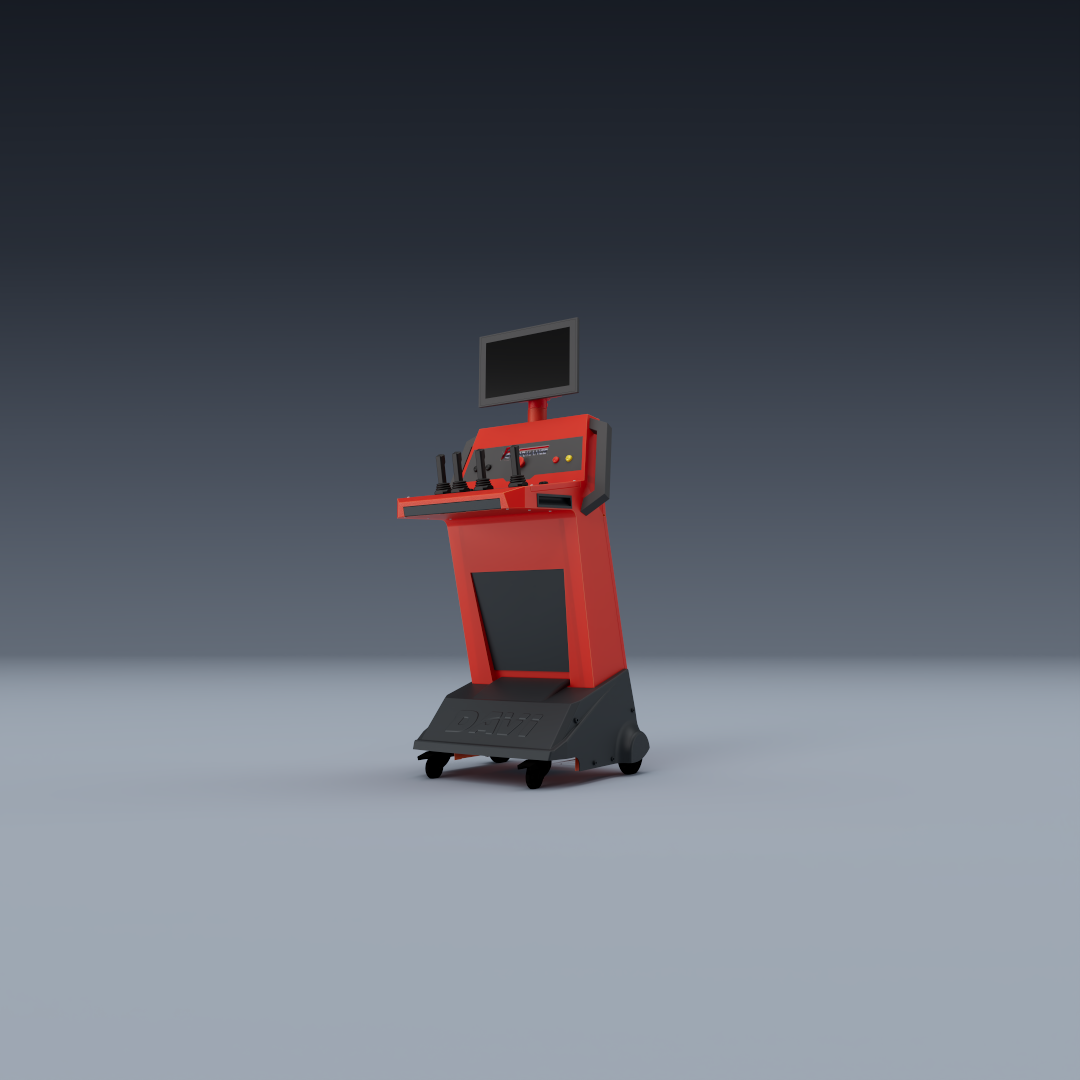
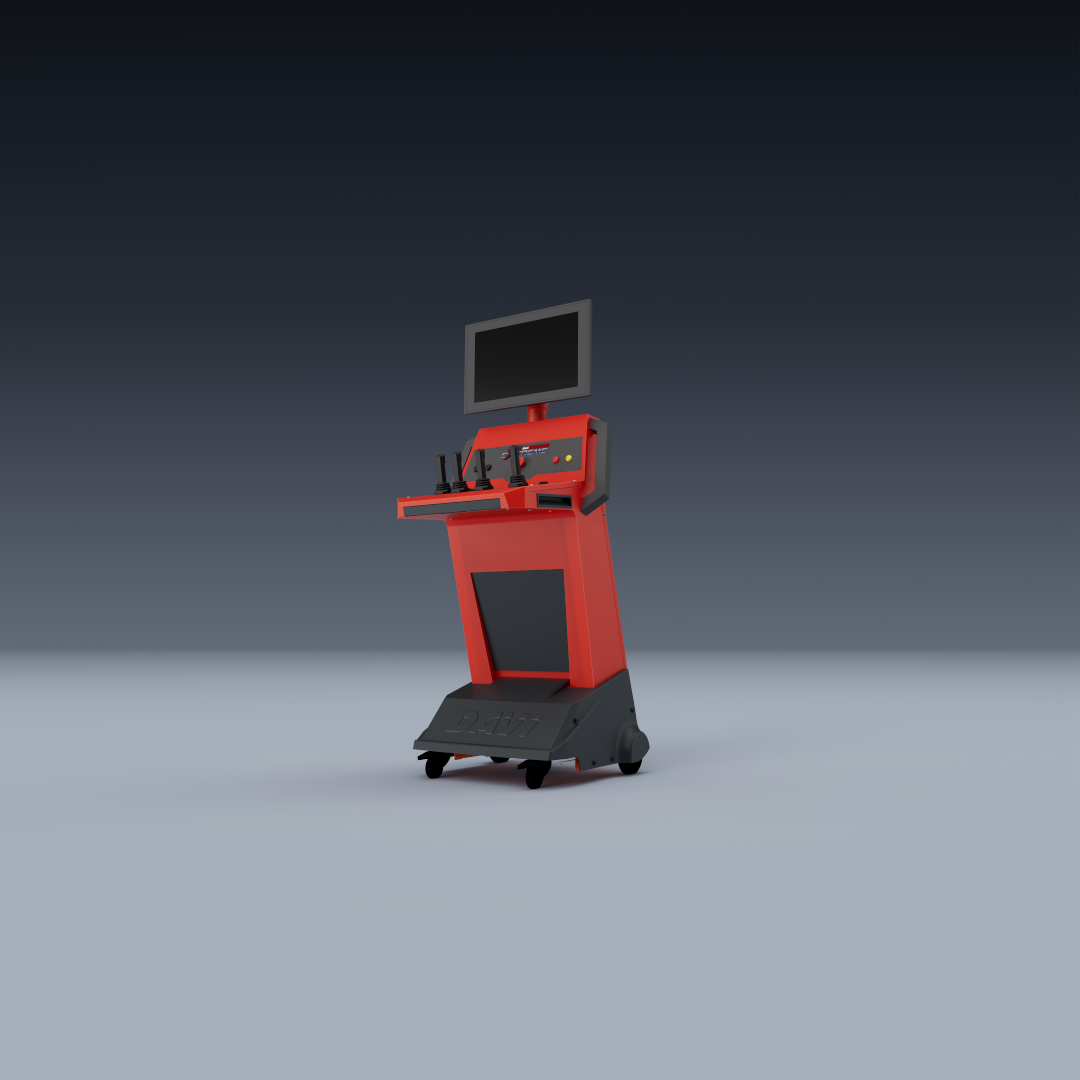
Dealing with high-yield structural steels can cause unexpected spring-back, leading to inconsistent part dimensions and slowed production lines. Yield strength is the specific stress threshold where a metal permanently deforms, meaning higher yield materials require significantly more bending power from the rolls to transition from elastic to plastic deformation. Recognizing your material's specific yield properties allows you to correctly gauge machine capacity, preventing equipment overload while ensuring accurate dimensional results. The Davi iRoll control system features a comprehensive material library that automatically factors in yield strength to calculate exact bending programs.
Inaccurate radius tracking due to material elasticity leads to continuous trial-and-error adjustments, resulting in costly scrap and slow assembly lines. Spring-back is the natural tendency of a metal plate or profile to partially return toward its original flat shape after the forming force is released, caused by elastic recovery. Accurate spring-back prediction allows the control system to over-bend the plate precisely, achieving the exact target radius on the first attempt without wasting time or material. Davi offers dedicated Spring-Back Software that analyzes material properties to eliminate manual guesswork and minimize test scrap.
Unpredicted cracking along the longitudinal axis of high-strength plates disrupts operational continuity and increases material costs. Grain direction is the orientation of metal crystals elongated during the initial mill rolling process, meaning that rolling perpendicular to the grain requires more force but reduces cracking risks, while rolling parallel requires less force but increases material fragility. Aligning the plate correctly based on grain orientation ensures repeatable geometries, speeds up cycle times, and protects the mechanical integrity of the workpiece. Davi's iRoll eXtreme system allows operators to input material directional variables to optimize automated cycles.
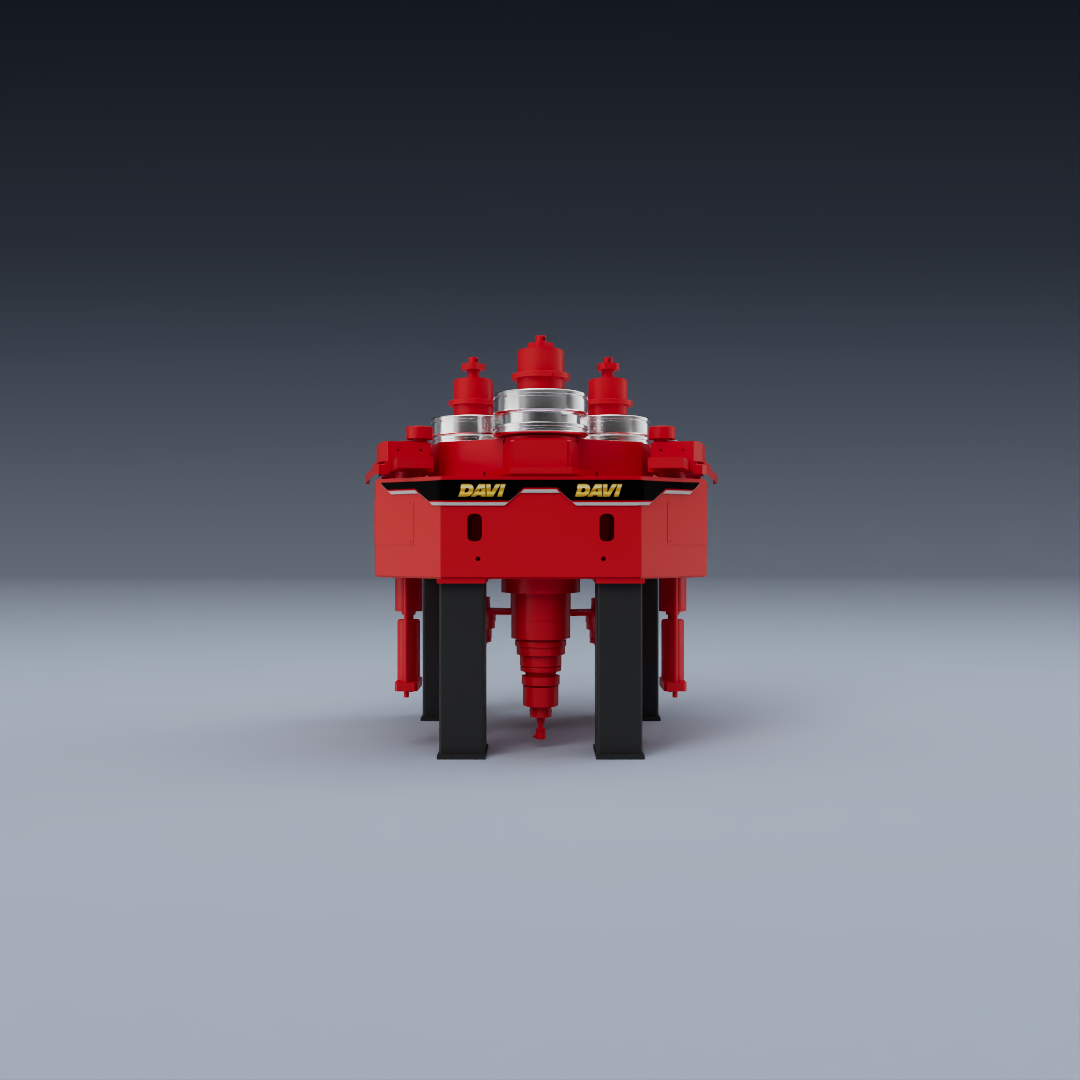
Minimizing foundation excavation costs and ensuring machine stability under maximum load are critical risk-mitigation factors. The frame absorbs all mechanical stresses generated during metal forming and transmits them to the foundation. A rigid, compact frame minimizes structural deflections, ensuring tight geometric workpiece tolerances and allowing for much shallower, less expensive foundation pits. Davi features an intra-frame reinforcement beam design that increases ground stability while keeping pit depth minimal.
While rolls appear cylindrical, high-capacity plate rolls utilize engineered crowning profiles. Under heavy load, steel rolls naturally experience micro-deflection across their length. If rolls were perfectly cylindrical, deflection would cause higher pressure at the edges than at the center, resulting in barrel-shaped or hour-glass-shaped shells. Machining a calculated parabolic bulge (crowning) into the roll center offsets structural deflection under load, ensuring uniform pressure distribution and straight cylindrical outputs.
"Barrel" defects (where the center diameter is larger than the ends) and "reel" or hourglass defects (where the center diameter is smaller) are caused by unequal pressure distribution along the plate width during rolling. Davi resolves these issues through:
- Engineered Roll Crowning: Offsetting predicted mechanical deflection.
- Servo-Tronic Parallelism: Dual hydraulic and electronic controls that keep rolls parallel under unbalanced loads.
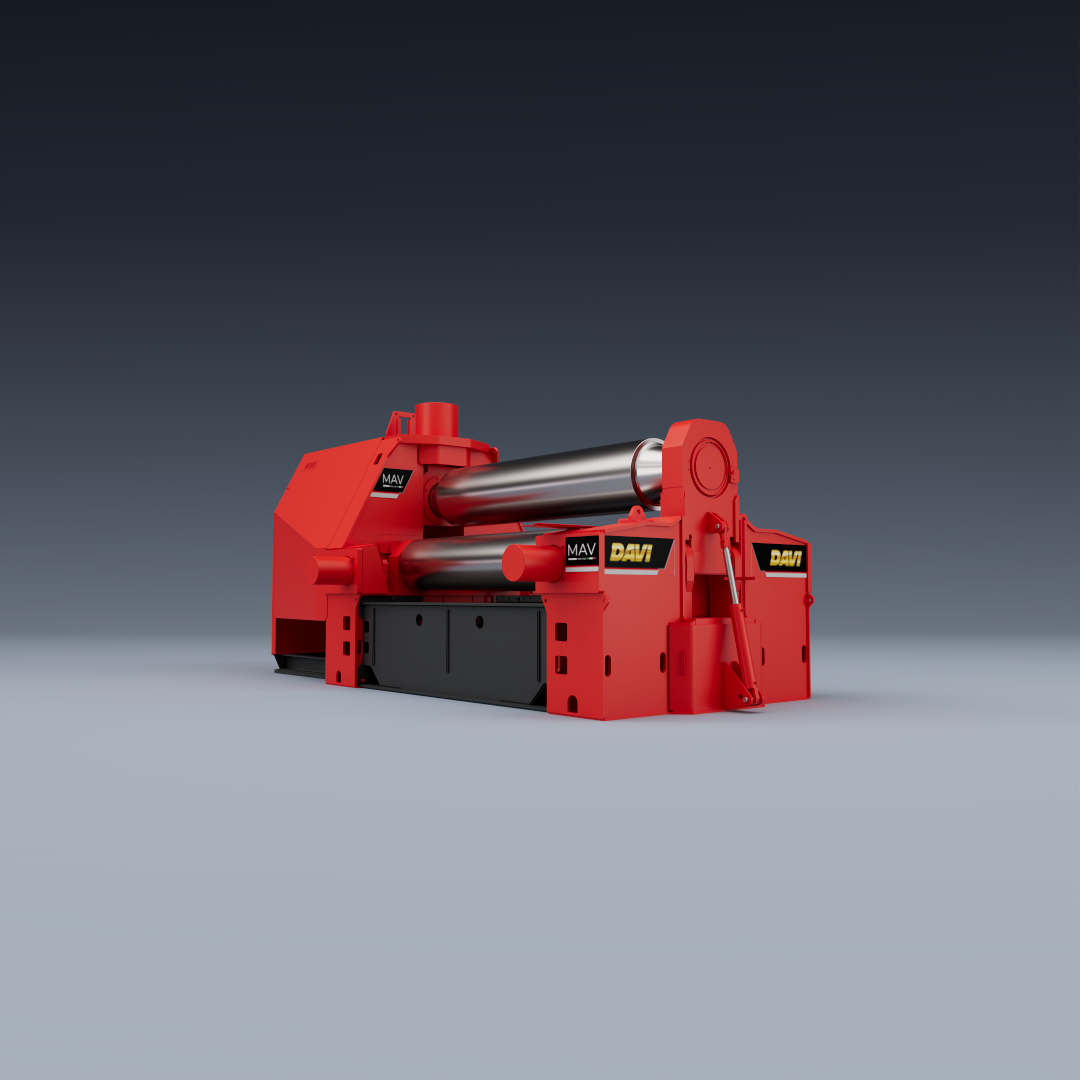
- Variable Interaxis Spacing: On MAV 3-roll machines, adjusting side-roll spacing optimizes leverage and minimizes roll bending stress.