






Glossary
1 MIN READ
Clamping Pressure
The hydraulic or electric force applied by the rolls to securely pinch a metal sheet, preventing movement or slippage during the bending process.
Technical FAQ
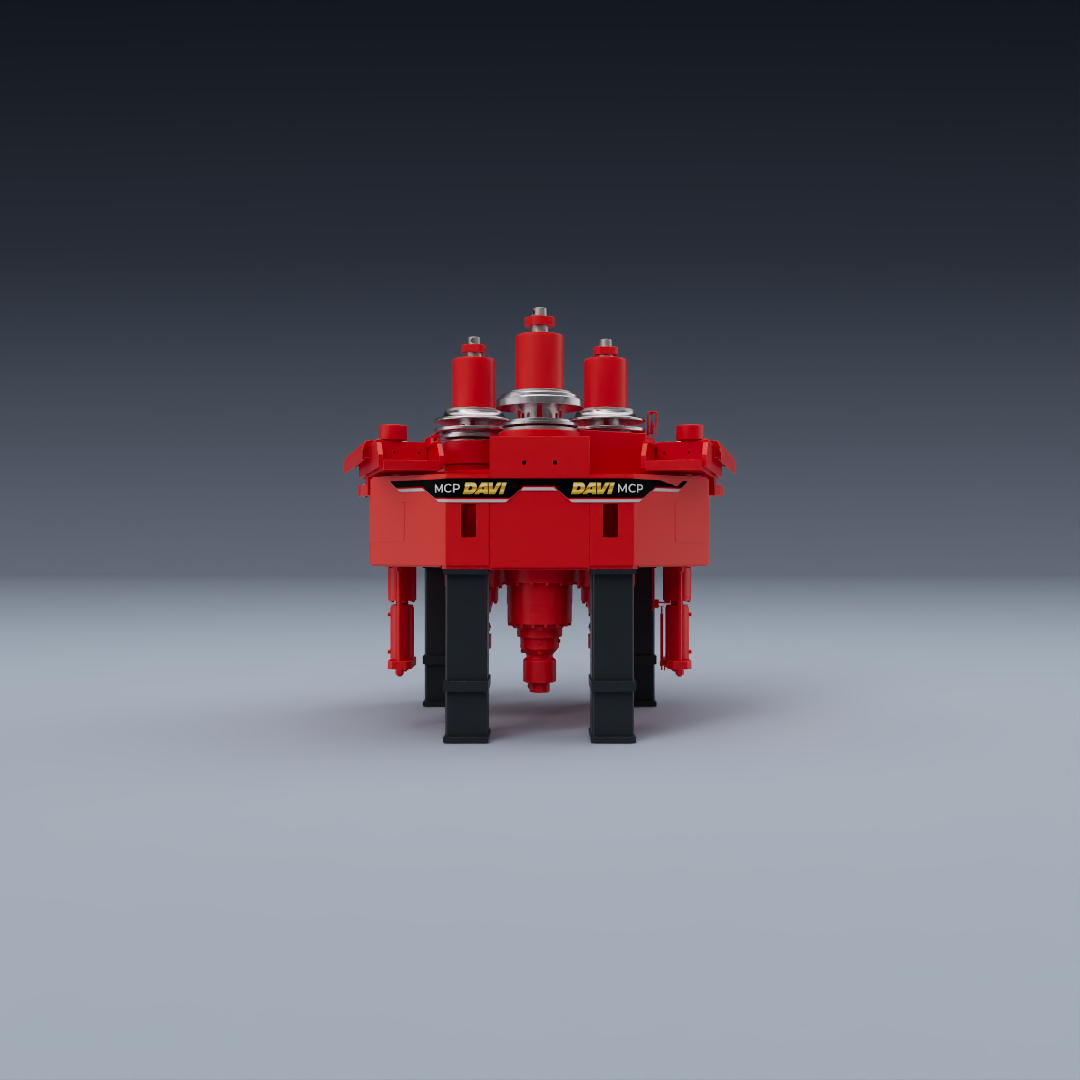
Fabricators working on high-precision applications like pressure vessels must ensure perfect roundness from the absolute edge of the plate to comply with strict safety codes. Pre-bending is the preliminary manufacturing step where the leading and trailing edges of a sheet are bent to the target radius before continuous rolling begins. Executing this properly minimizes the flat end, ensures structural integrity at the subsequent weld seam, and reduces the need for manual grinding or expensive re-rolling calibration. Davi 4-roll and variable-axis 3-roll machines are engineered to execute high-tonnage pre-bending safely and accurately in a single automated cycle.
Dealing with high-yield structural steels can cause unexpected spring-back, leading to inconsistent part dimensions and slowed production lines. Yield strength is the specific stress threshold where a metal permanently deforms, meaning higher yield materials require significantly more bending power from the rolls to transition from elastic to plastic deformation. Recognizing your material's specific yield properties allows you to correctly gauge machine capacity, preventing equipment overload while ensuring accurate dimensional results. The Davi iRoll control system features a comprehensive material library that automatically factors in yield strength to calculate exact bending programs.
Engineering teams working with advanced alloys must carefully manage forces to avoid cracking or fracturing high-strength materials during tight-radius forming. Ultimate tensile strength is the maximum amount of tensile stress a material can withstand before structural failure or complete breaking occurs. Knowing the UTS ensures that multi-pass programs are correctly calibrated to form the material progressively without exceeding its mechanical boundaries, protecting both the workpiece and the machine components. Davi’s technical division utilizes advanced Finite Element Method (FEM) studies to evaluate material behavior against machine capabilities before production begins.
Inaccurate radius tracking due to material elasticity leads to continuous trial-and-error adjustments, resulting in costly scrap and slow assembly lines. Spring-back is the natural tendency of a metal plate or profile to partially return toward its original flat shape after the forming force is released, caused by elastic recovery. Accurate spring-back prediction allows the control system to over-bend the plate precisely, achieving the exact target radius on the first attempt without wasting time or material. Davi offers dedicated Spring-Back Software that analyzes material properties to eliminate manual guesswork and minimize test scrap.
Reducing the straight flat end on thick plates requires moving the bending rolls as close to the pinching point as possible. A flat gearbox features an eccentric rotation axis that avoids physical interference between hydraulic motors and the top roll cylinder shaft. It allows the side rolls to travel closer to the top roll (minimum gauge), achieving an exceptionally short flat end without compromising machine frame capacity. Davi exclusive flat gearboxes are a core component in achieving precision pre-bending on variable-axis machines.
Proprietary parts with long factory lead times can extend machine downtime during component replacement. Designing machinery with high-quality, globally available standard components ensures easy sourcing for replacement parts. It simplifies spare parts management, shortens delivery times, and allows your local maintenance team to source standard items quickly if needed. Davi partners with leading global component brands like Siemens, SKF, and ABB to ensure parts are easily accessible worldwide.
The fundamental difference lies in material clamping, alignment, and process automation.
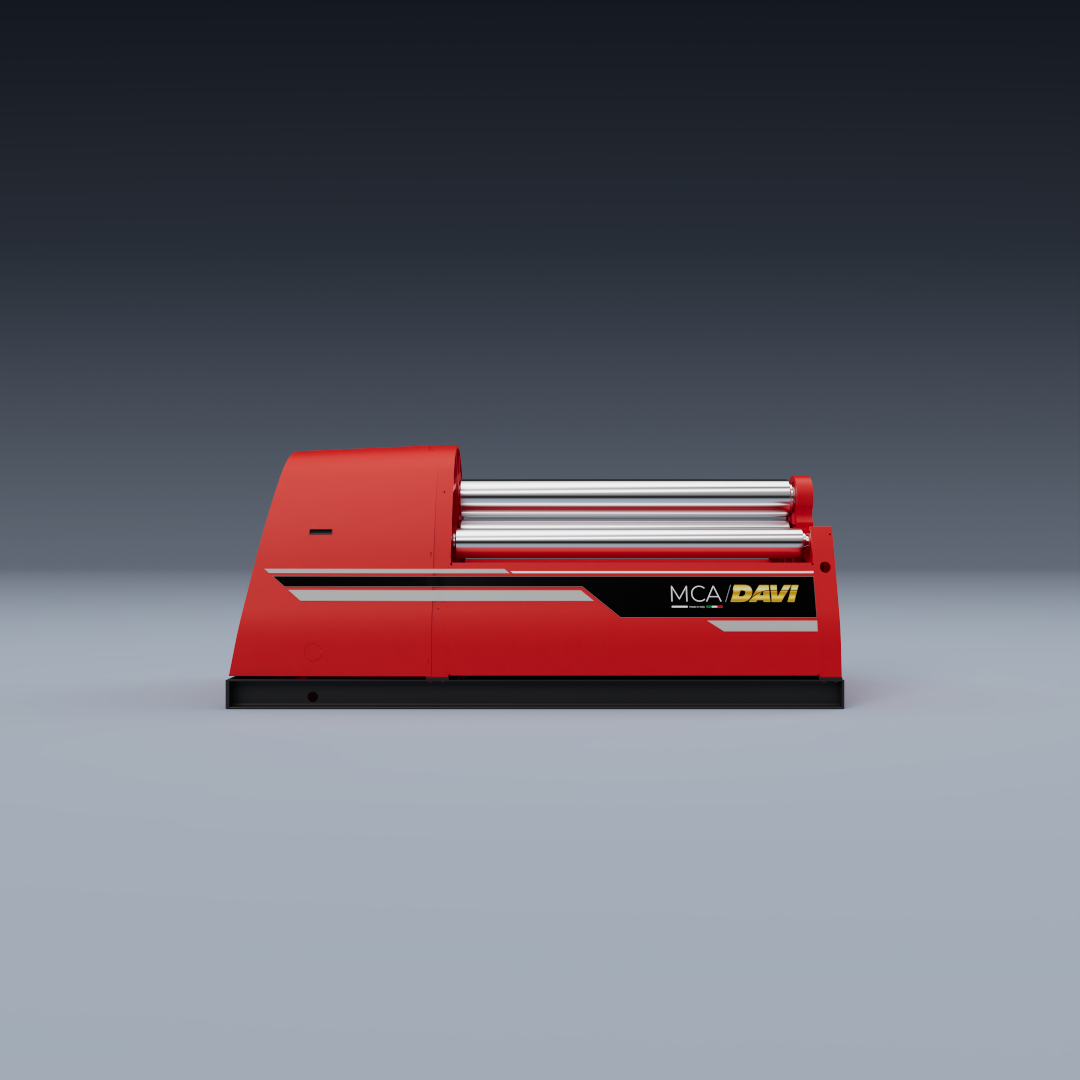
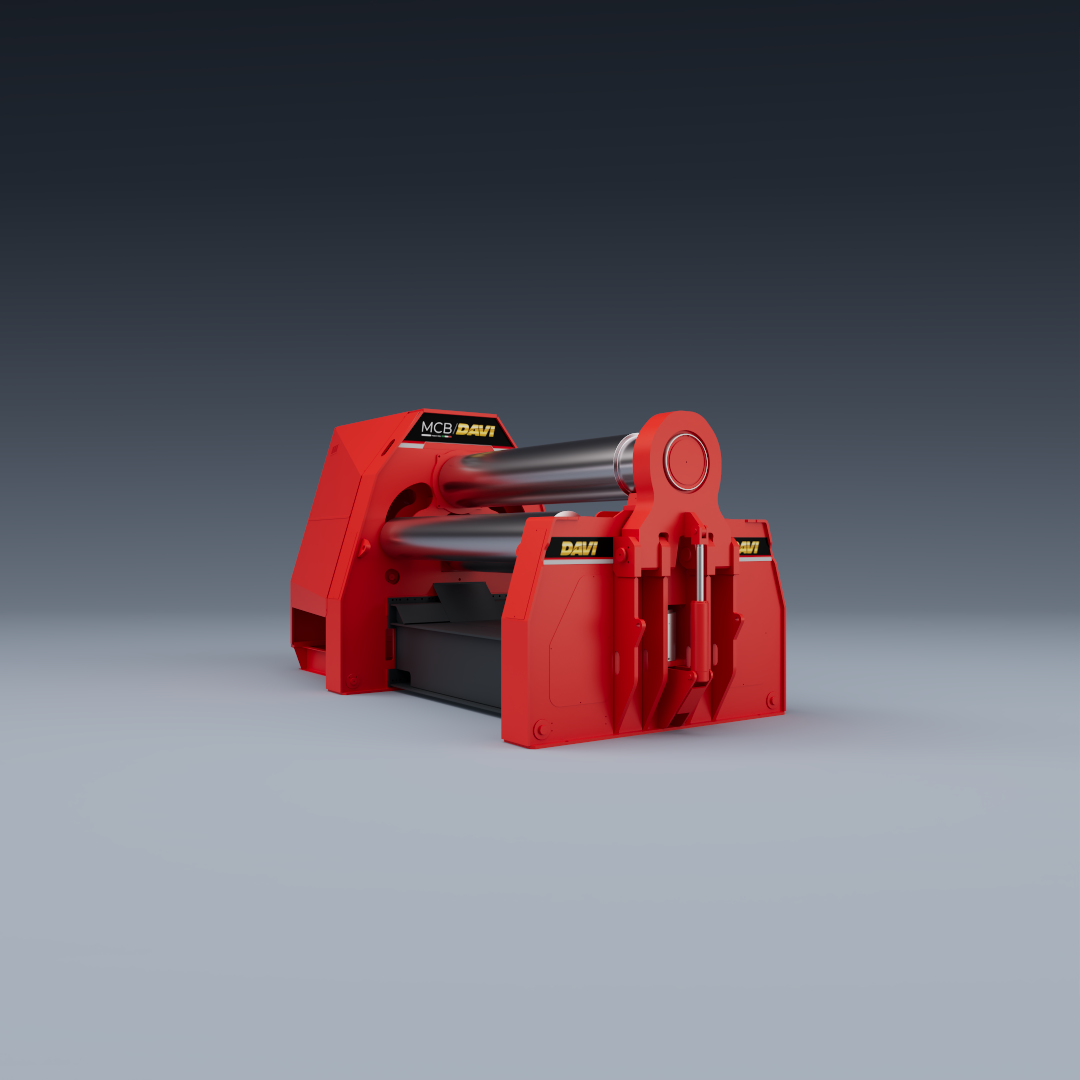
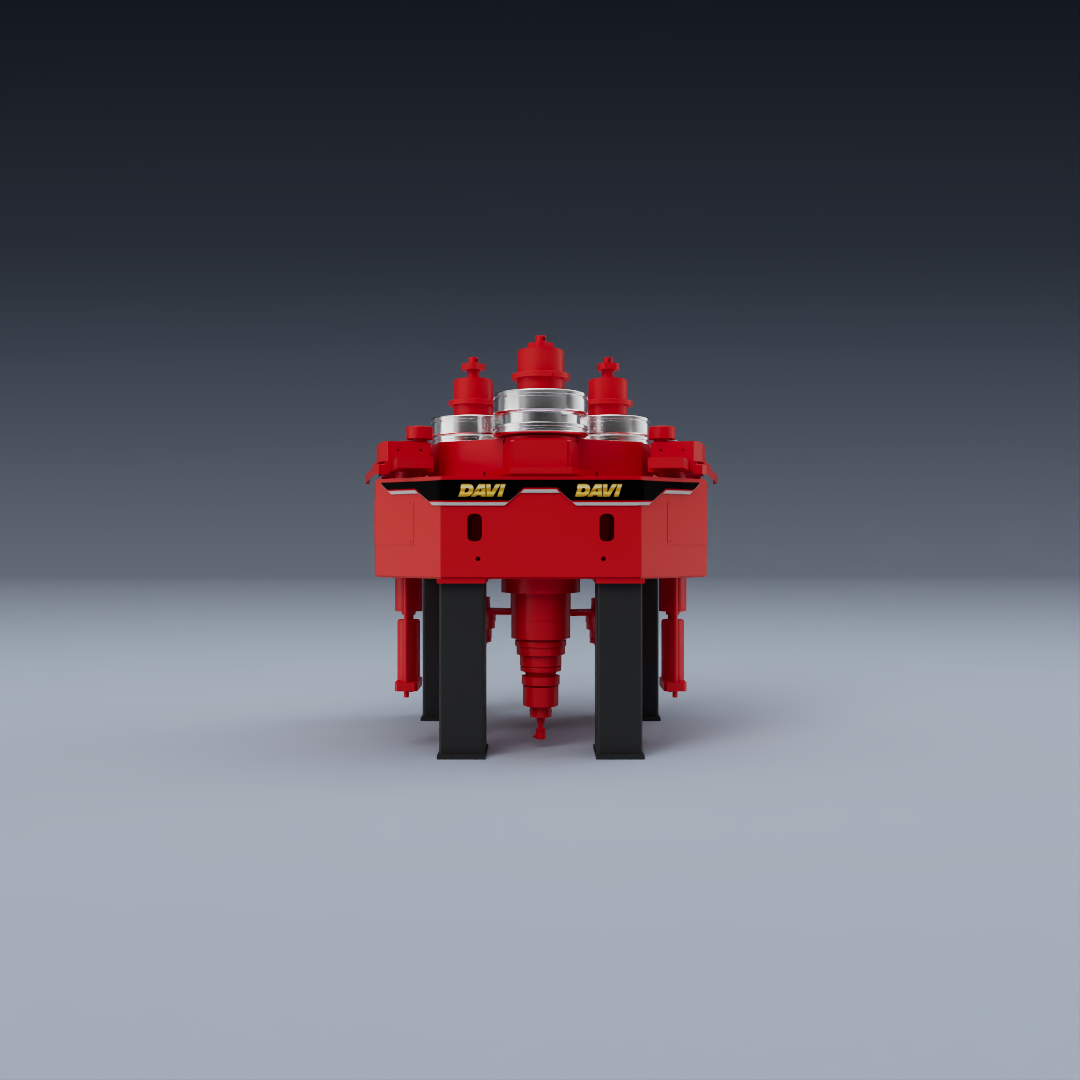
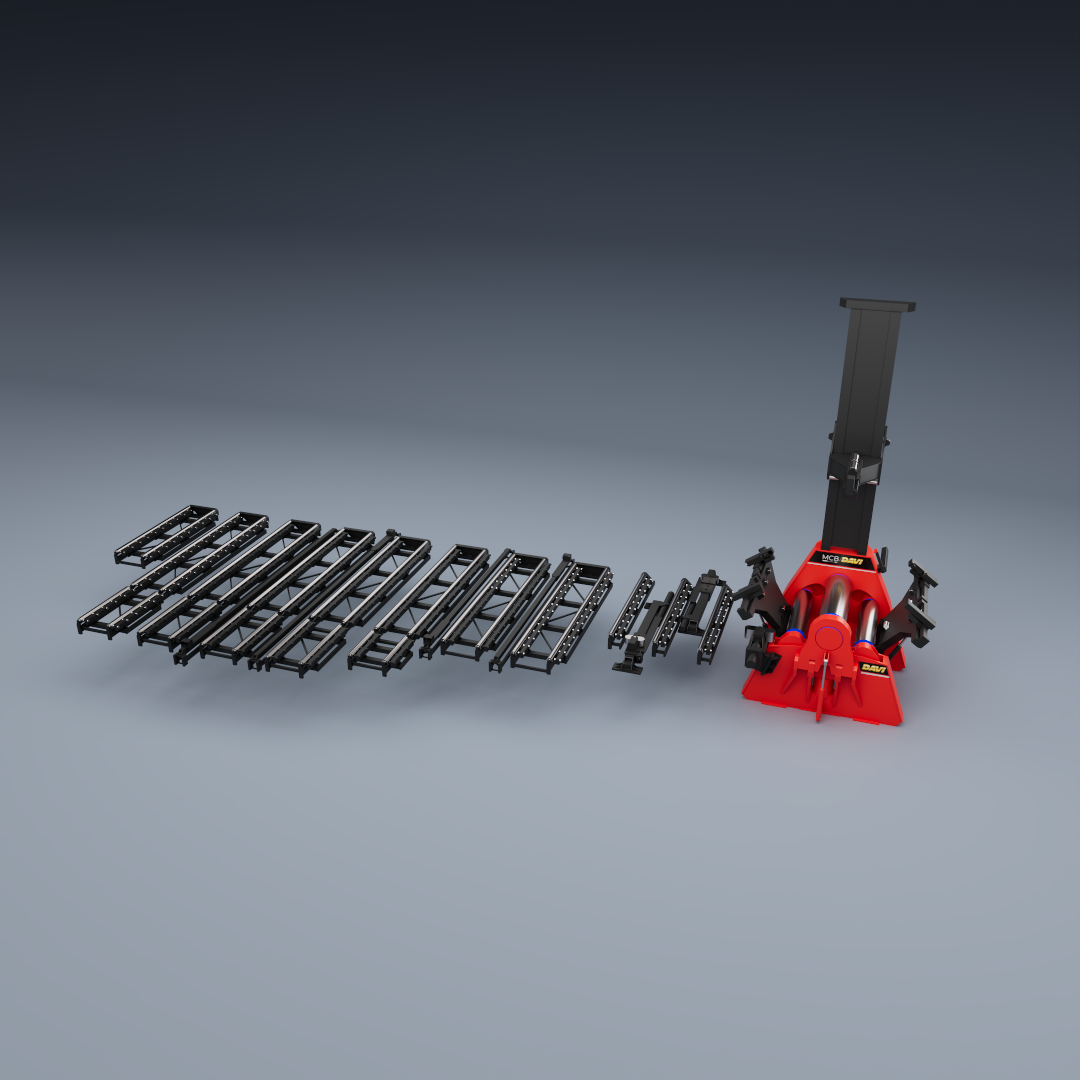
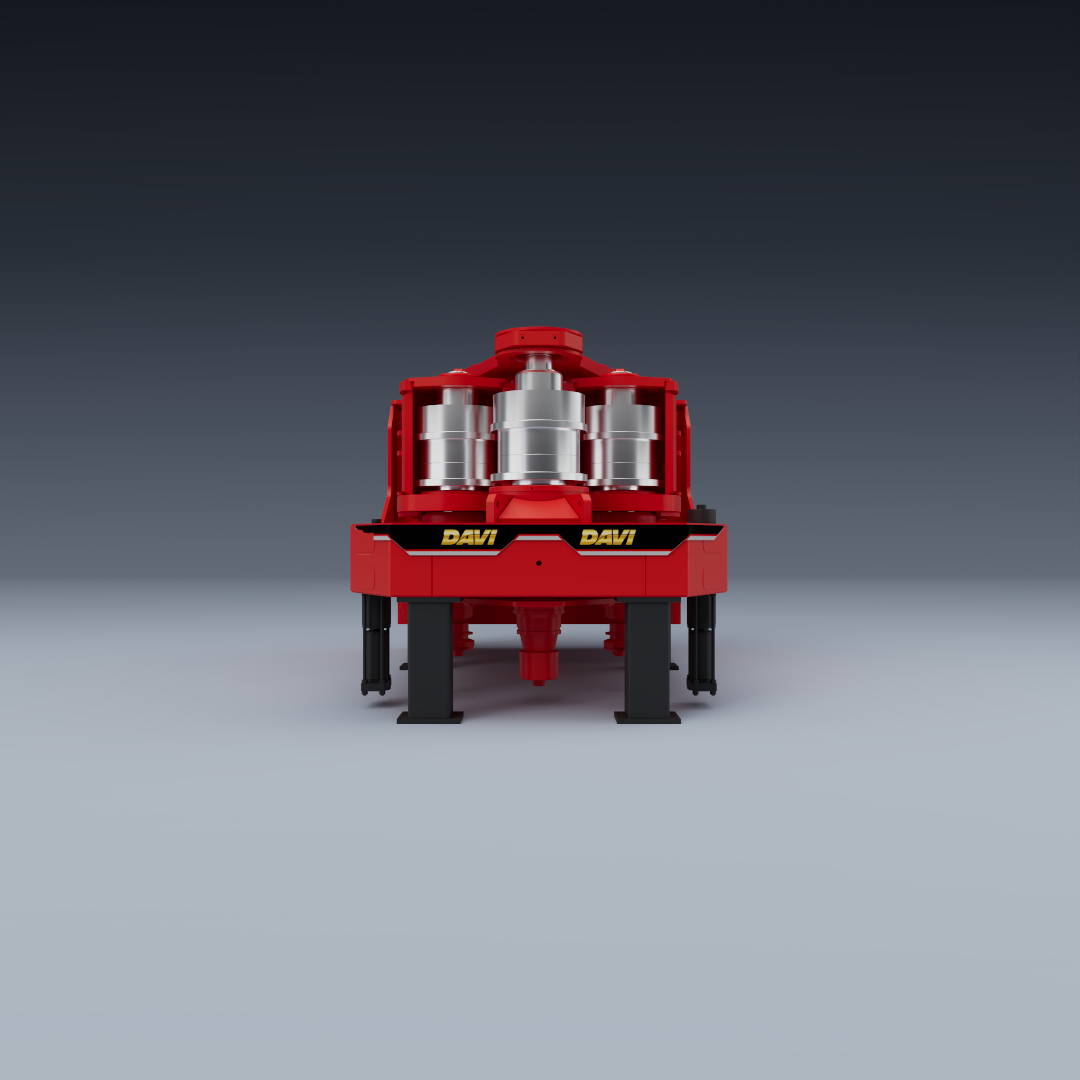
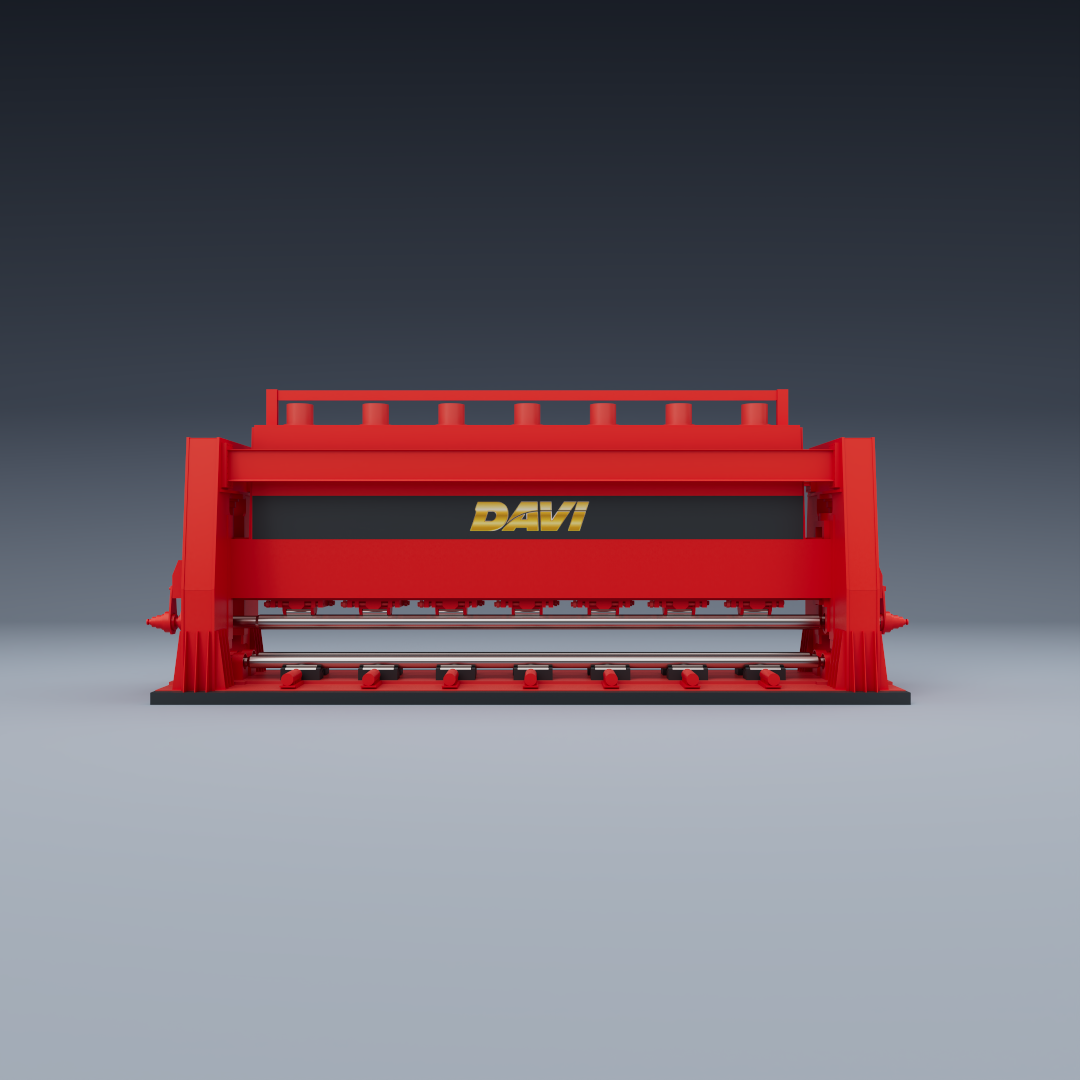
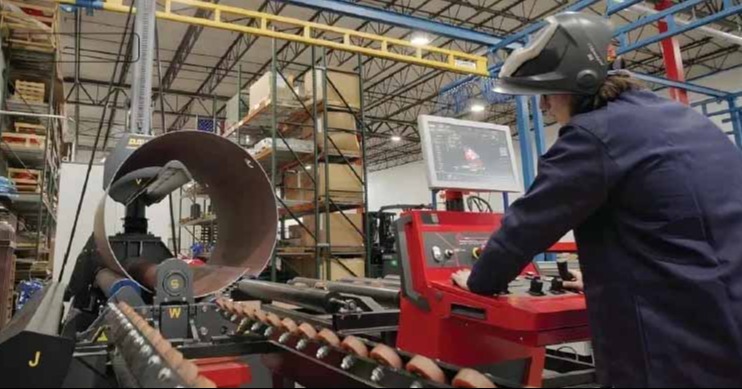
- 4-Roll Architecture (Davi MCA / MCB Series): The bottom roll clamps the plate continuously against the top roll, preventing slippage during the bending sequence. Side rolls move along planetary guide paths to pre-bend both ends without removing or reversing the plate. This layout makes 4-roll machines the fastest, most repeatable, and best suited for full CNC automation.
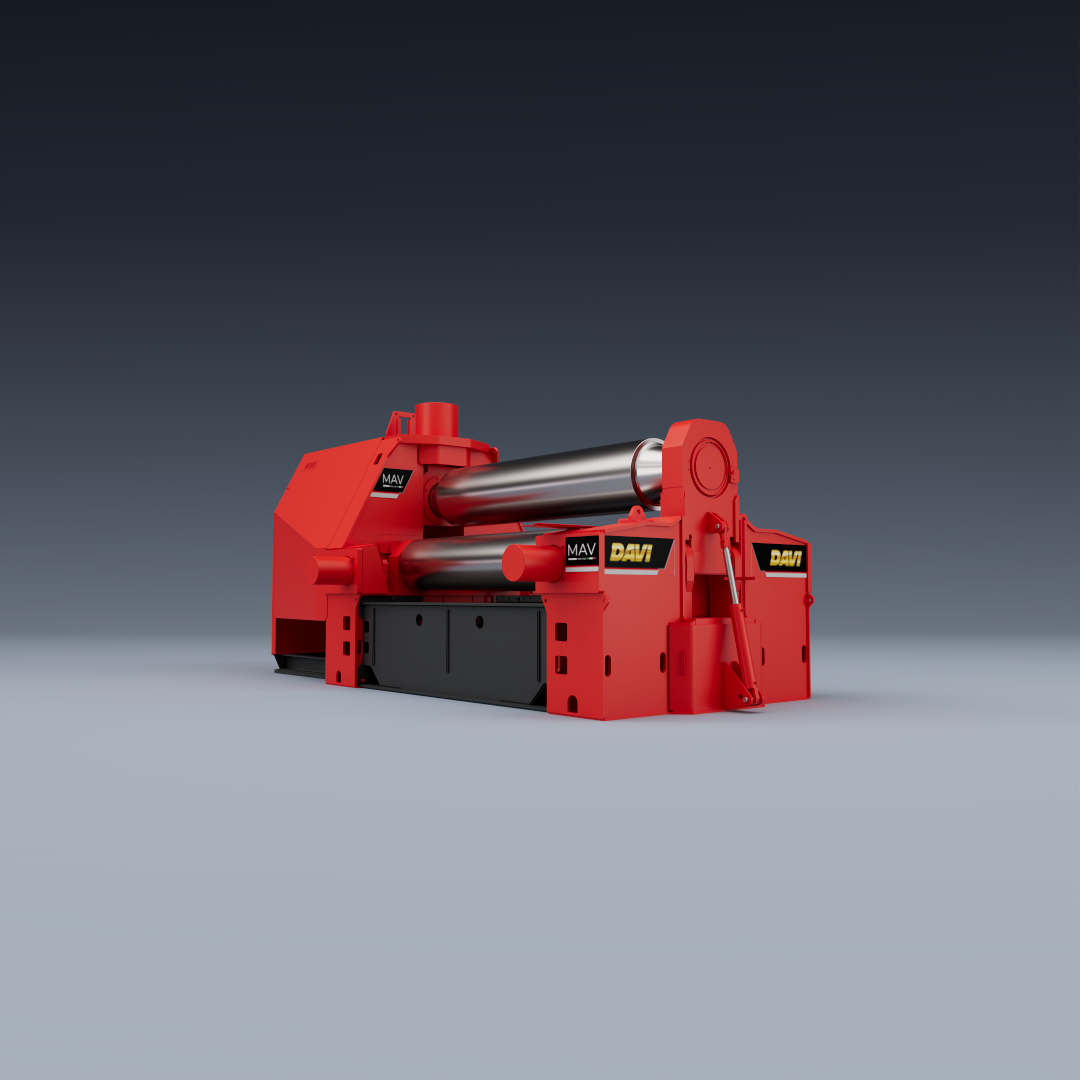
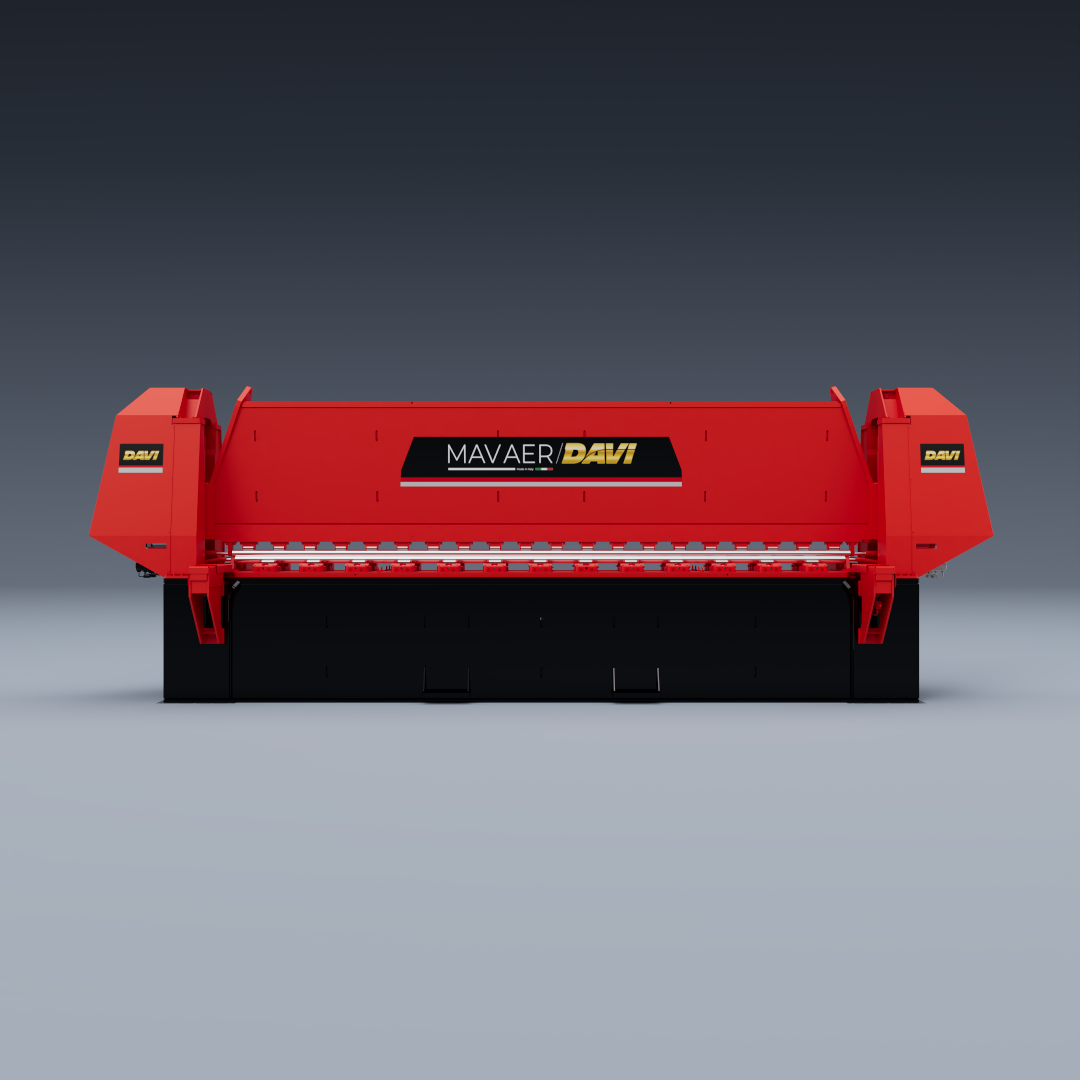
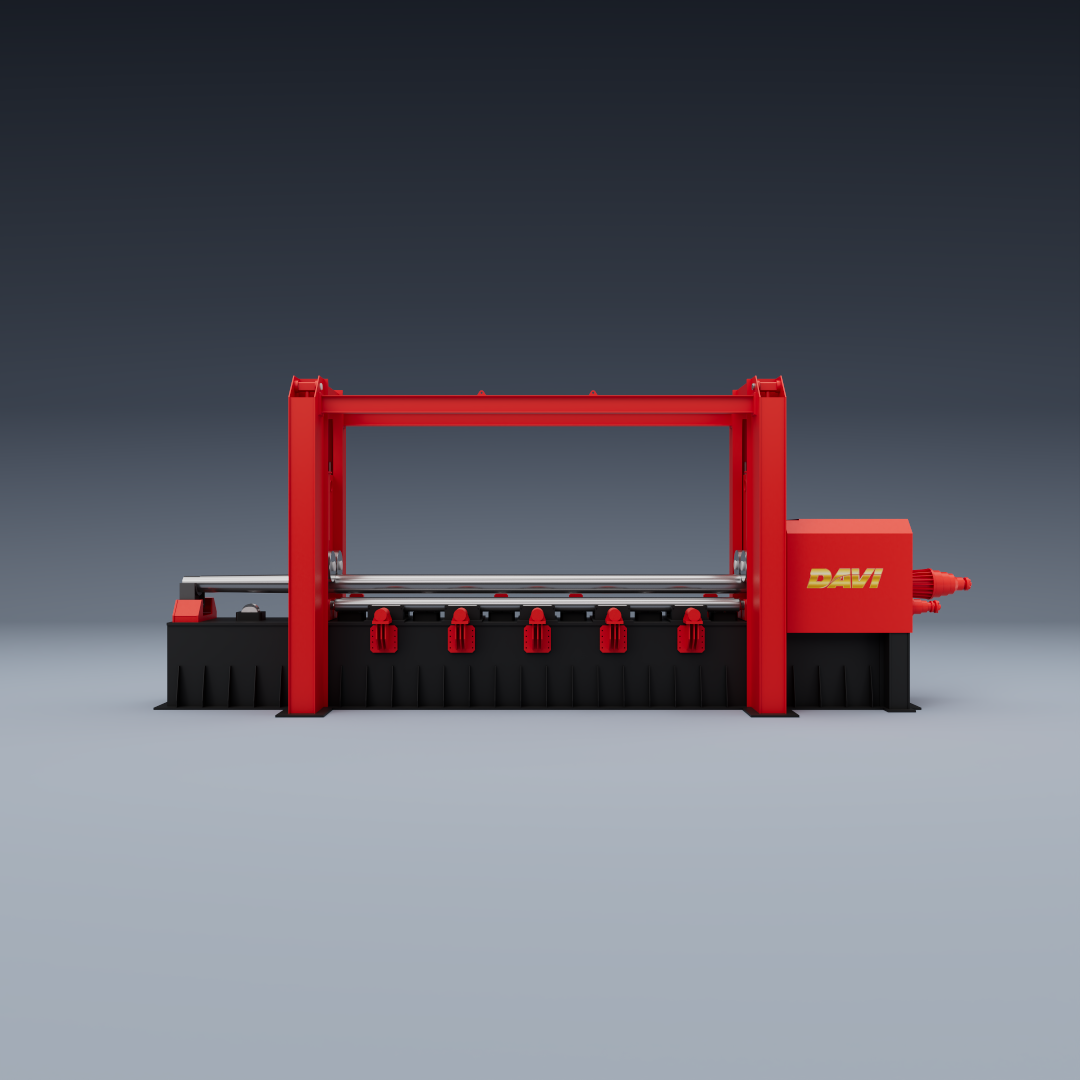
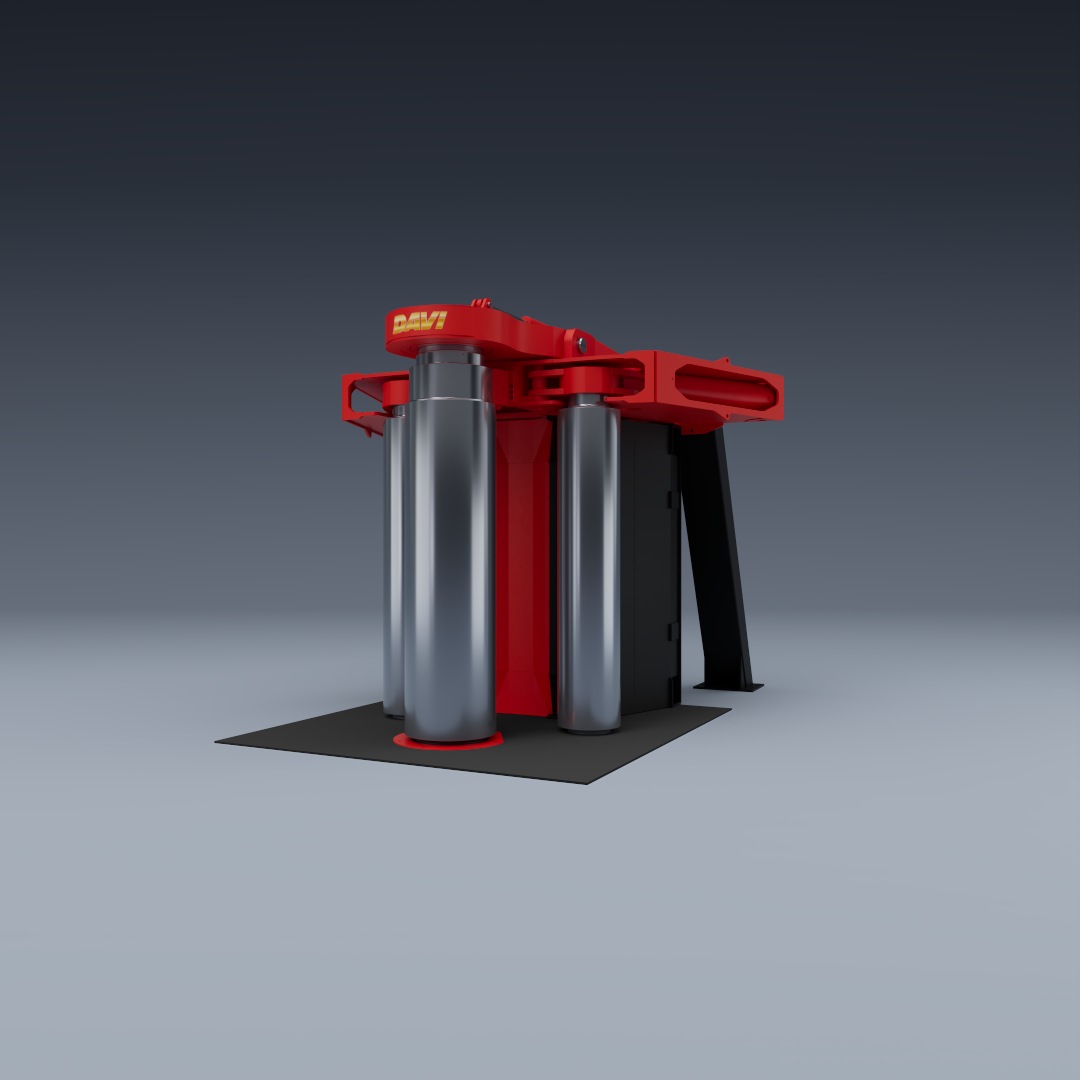
- 3-Roll Variable-Axis Architecture (Davi MAV Series): Operates like a press brake, where the top roll provides vertical pressing force and the side rolls move horizontally to adjust interaxis spacing. This variable geometry provides maximum leverage for ultra-heavy plate forming, thick-walled pressure vessels, and precise re-rolling of pre-welded cylindrical shells.