
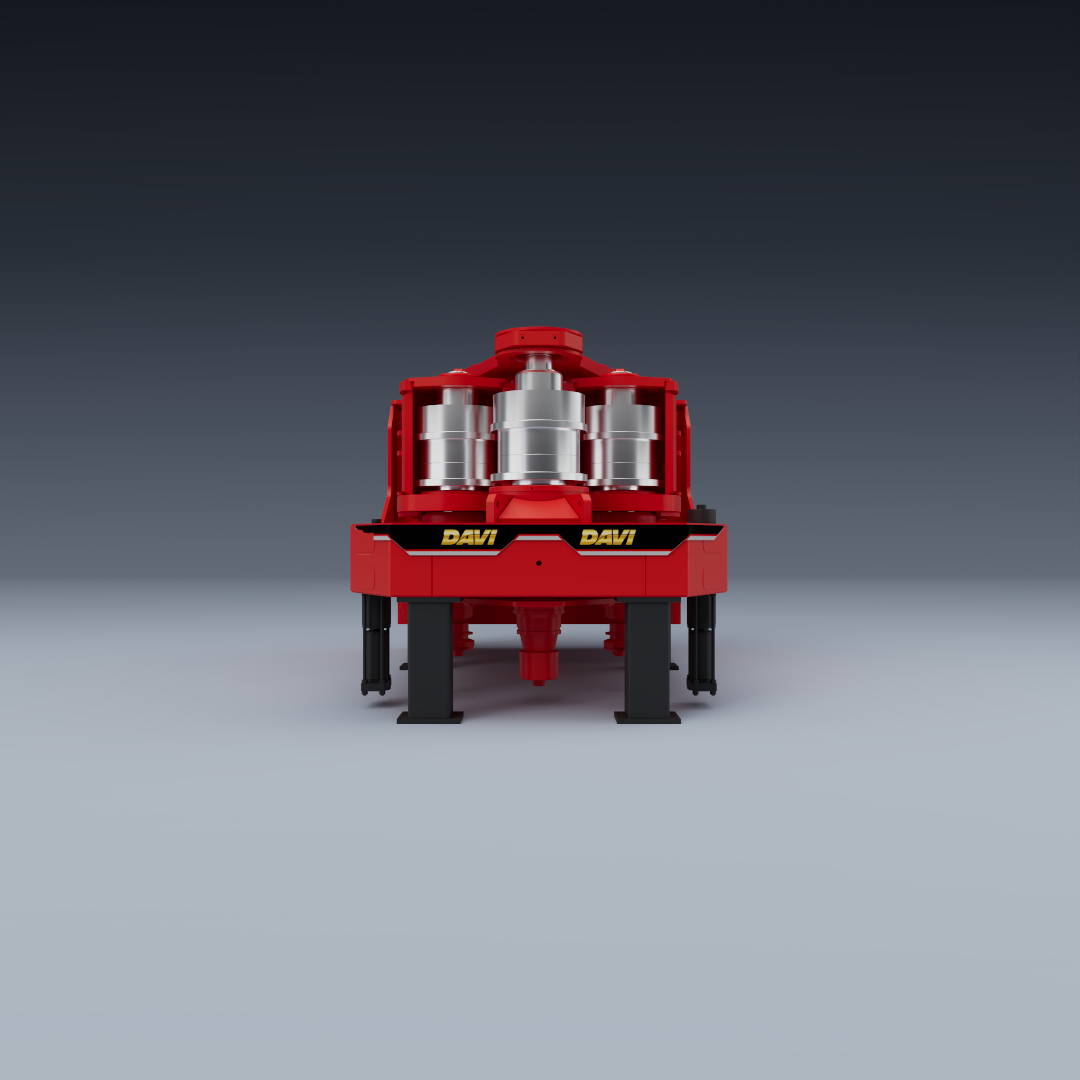
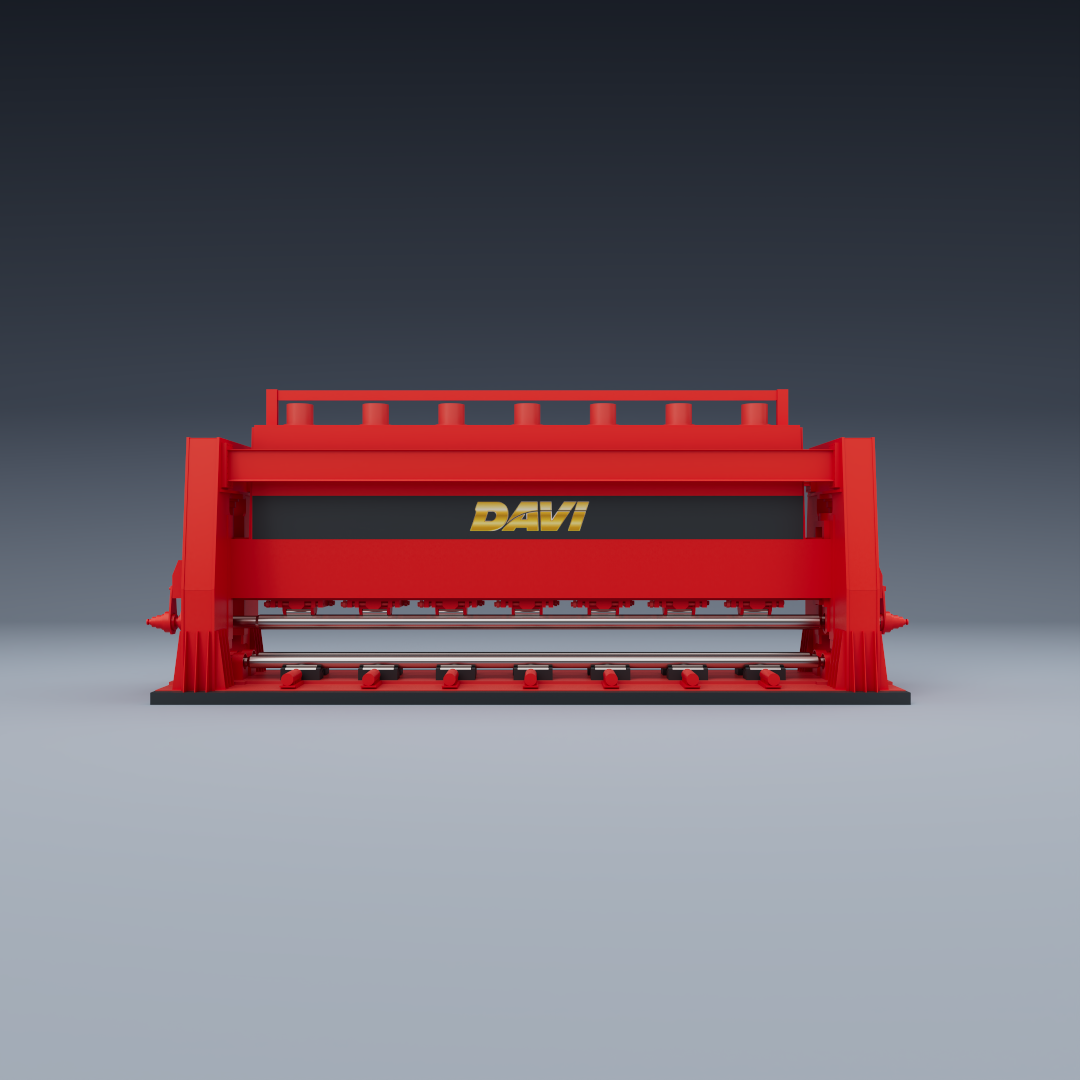
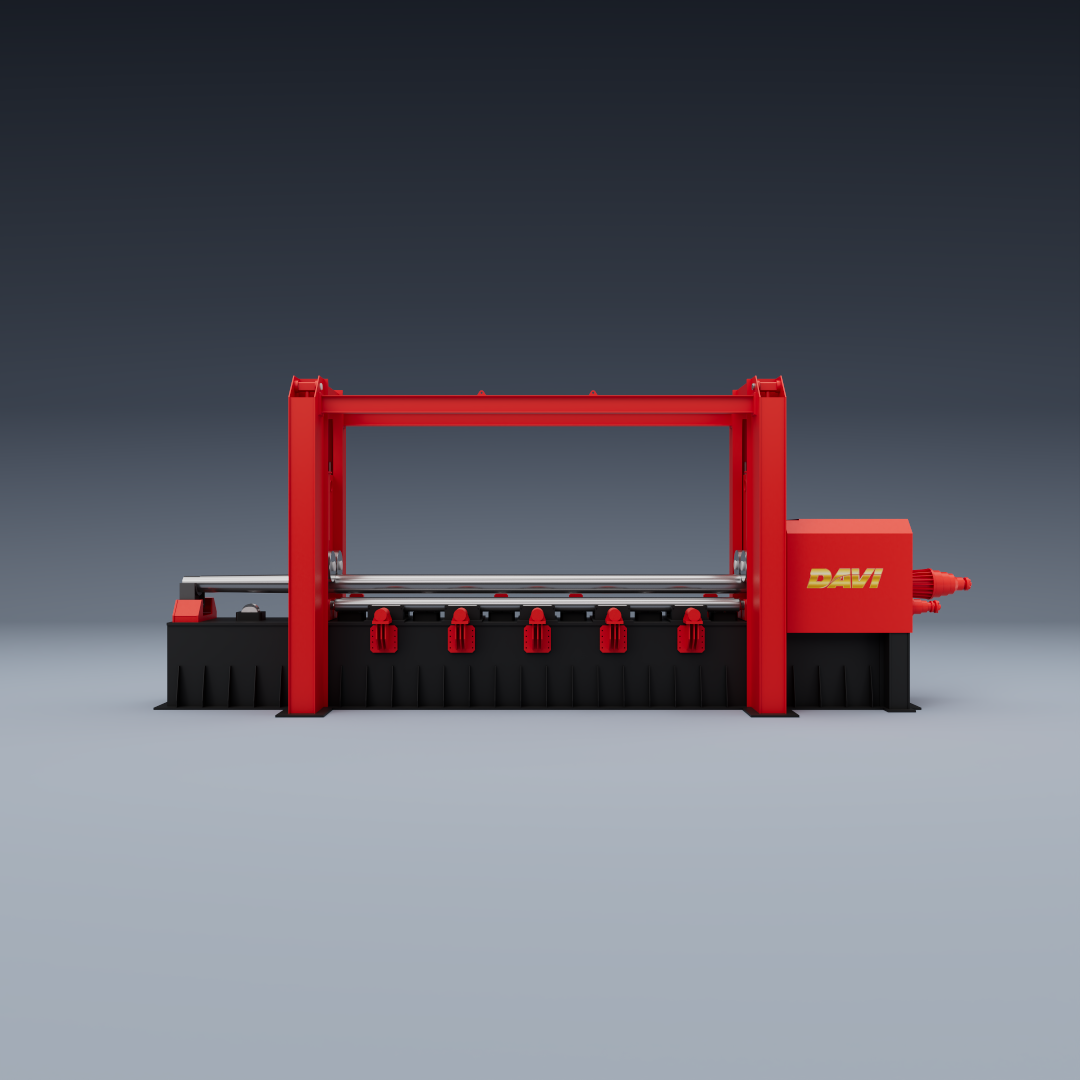
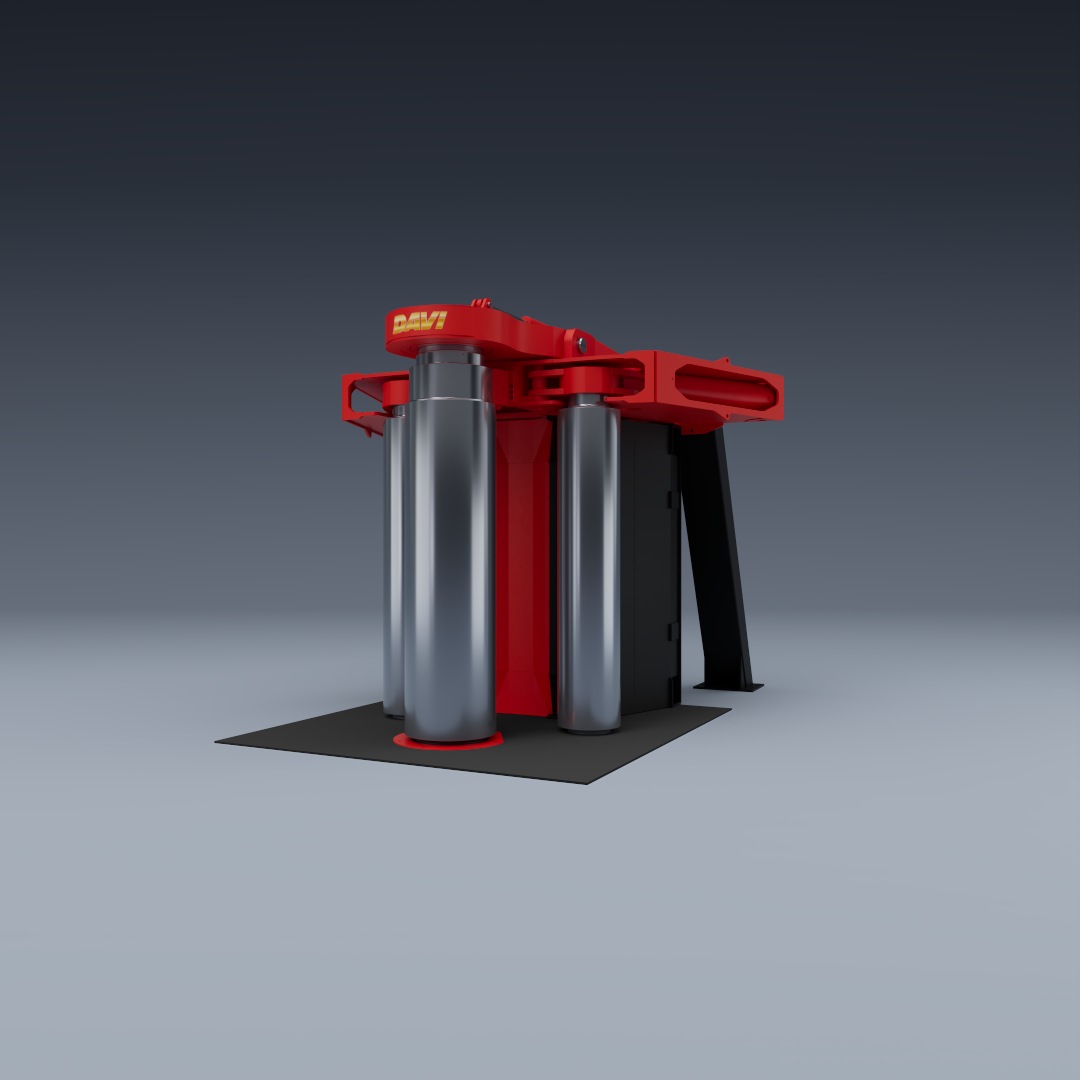






Bottom Roll
Technical FAQ
Selecting the ideal plate roll requires matching structural workload demands, thickness limits, geometric tolerances, and production speeds to the proper machine architecture.
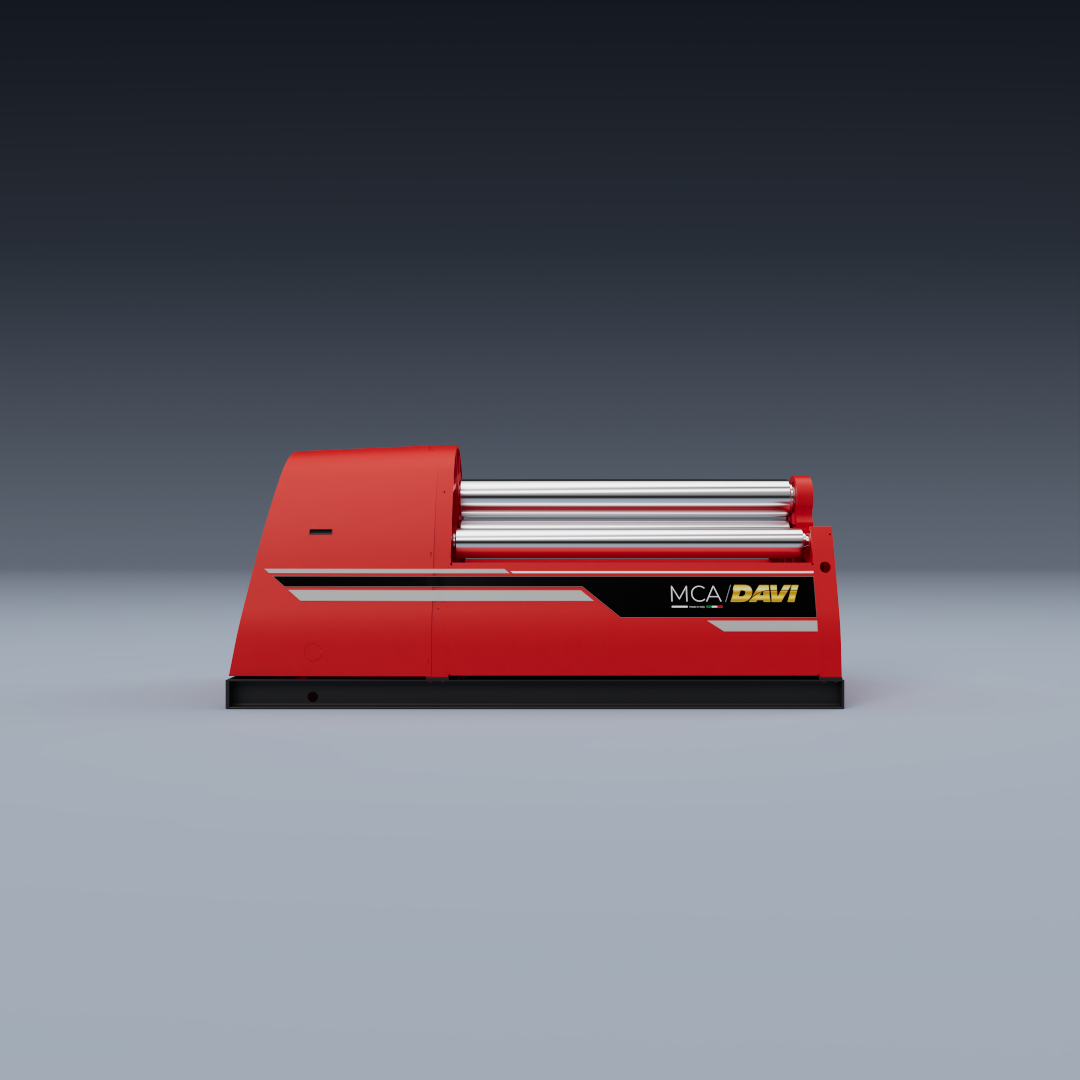
- MCA Series (4-Roll Compact): Engineered for light-to-medium plate bending, optimal for high-repeatability jobs, fast cycle times, and automated production of plates from 2 to 6 m (6.5 to 19.6 ft) wide.
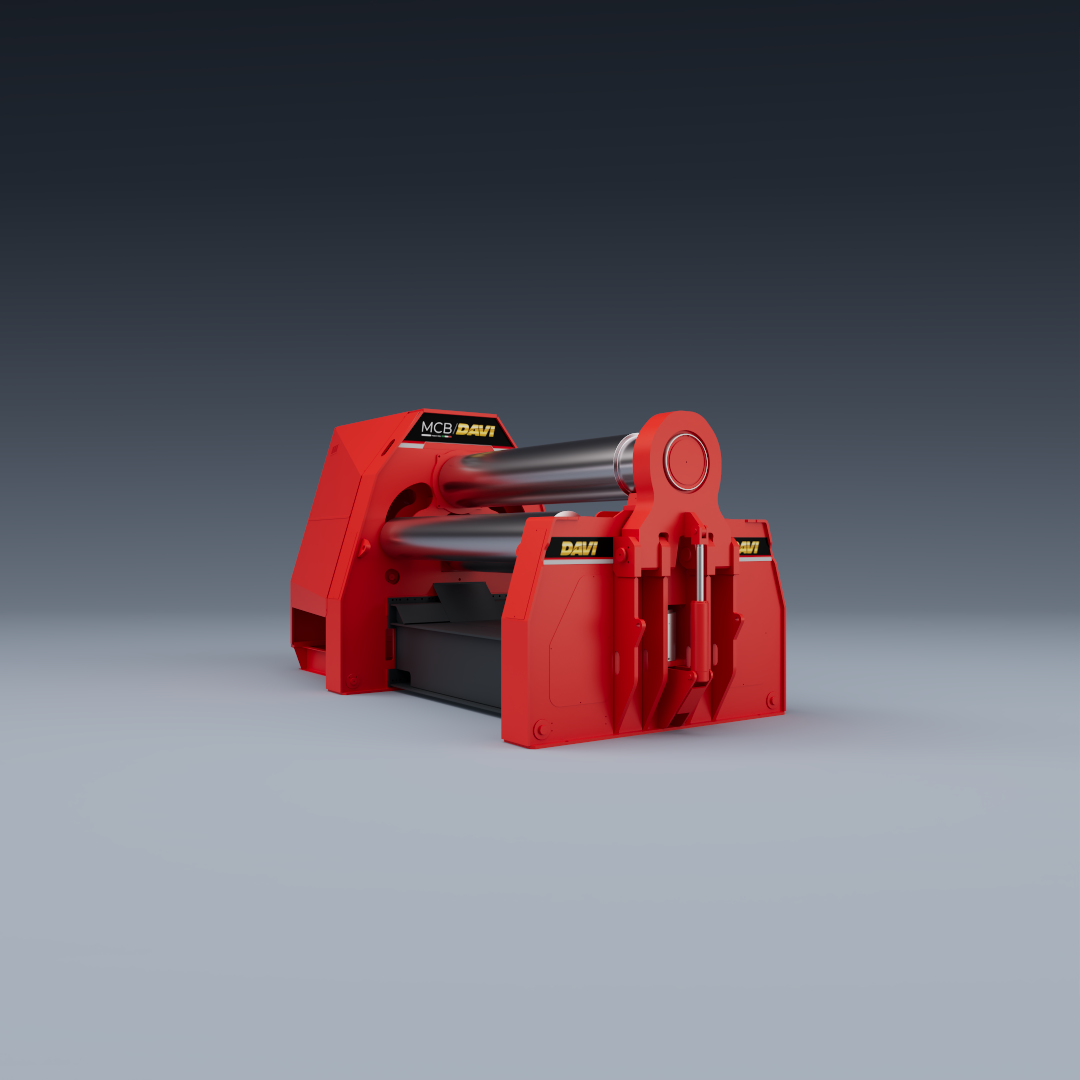
- MCB Series (4-Roll Heavy Duty): Designed for medium-to-heavy industrial fabrication, delivering maximum clamping force, high-torque pre-bending, and seamless CNC automation for production plates up to 400 mm (15.7 in) thick.
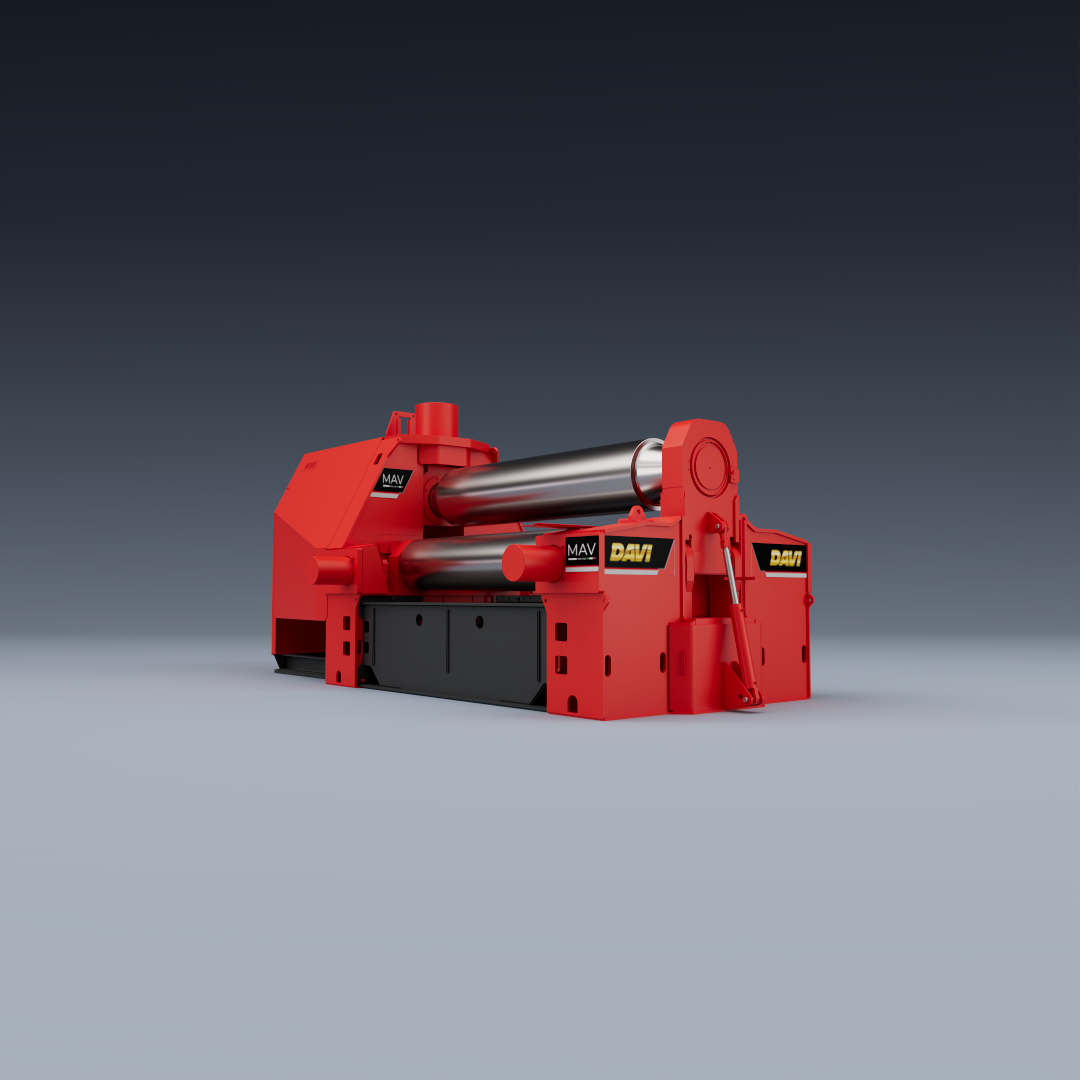
- MAV Series (3-Roll Variable Axis): Built for ultra-heavy plate rolling, pressure vessels, and complex multi-radius forming; features independently moving side rolls and vertical top roll positioning for maximum leverage during pressing and re-rolling.
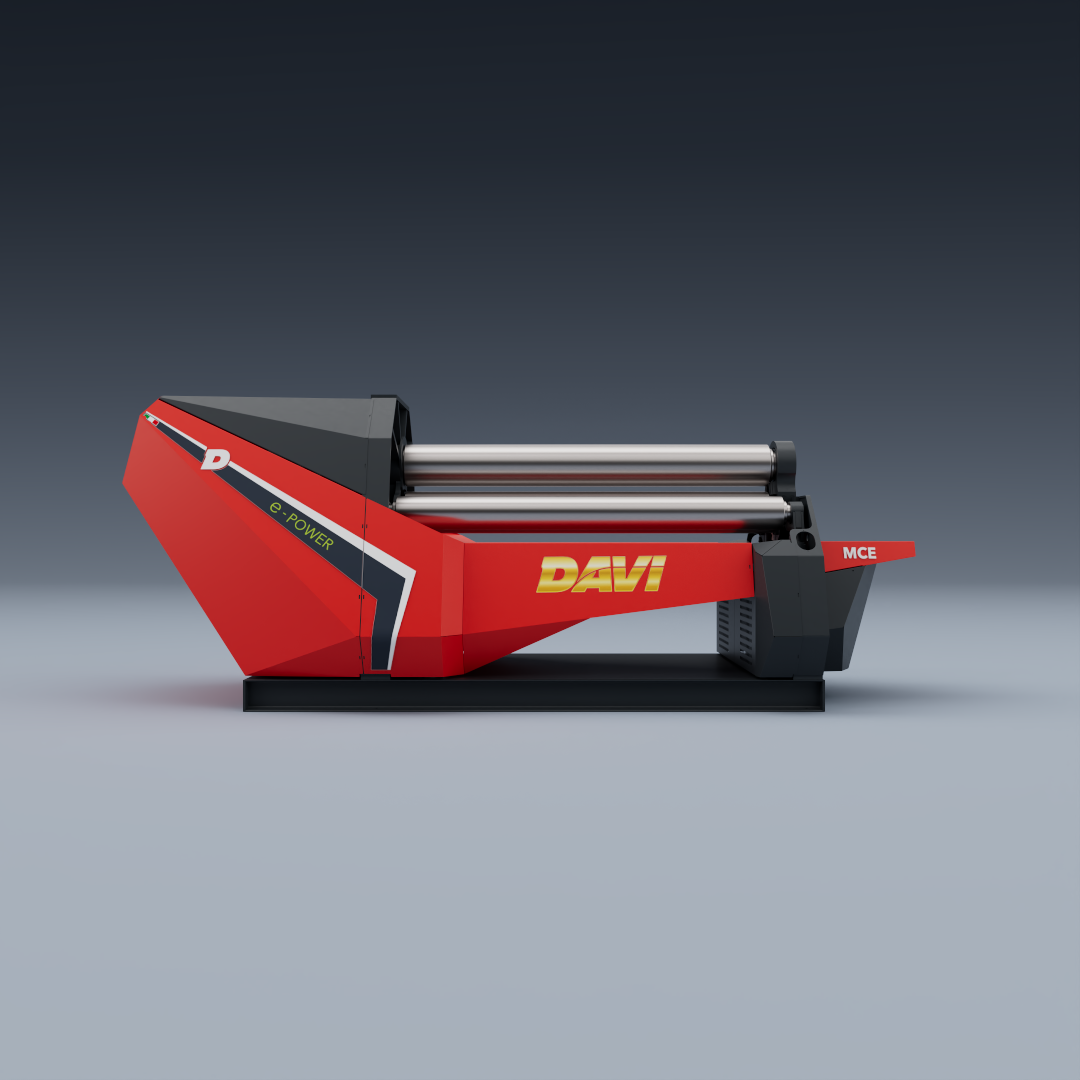
- MCE e-POWER Series (Fully Electric 4-Roll): Ideal for precision-focused, energy-conscious shops aiming to eliminate hydraulic fluid maintenance and cut power consumption by 65%.
Next Step: To identify the exact tonnage, roll diameters, and drive requirements for your workshop, Request a Feasibility Study with a Davi technical specialist.
The fundamental difference between 3-roll and 4-roll plate bending technologies lies in how the plate is clamped, fed, and formed throughout the rolling cycle.
- 4-Roll Architecture (MCA/MCB): The bottom roll securely clamps the plate against the top roll, maintaining constant alignment during the entire forming sequence. Side rolls move along planetary guide paths to perform pre-bending on both sides without removing or reversing the plate, making 4-roll machines the fastest, most precise, and easiest to automate via CNC systems.
- 3-Roll Variable-Axis Architecture (MAV): Operates similarly to a press brake, where the top roll provides vertical pressing force while two side rolls move horizontally to vary the interaxis distance. This variable geometry allows maximum leverage adjustment for very thick plates, superior cone bumping, and exceptional re-rolling calibration on pre-welded cylindrical shells.
Davi offers two main industrial control platforms built on robust Windows 10 architecture and non-proprietary global electronics:
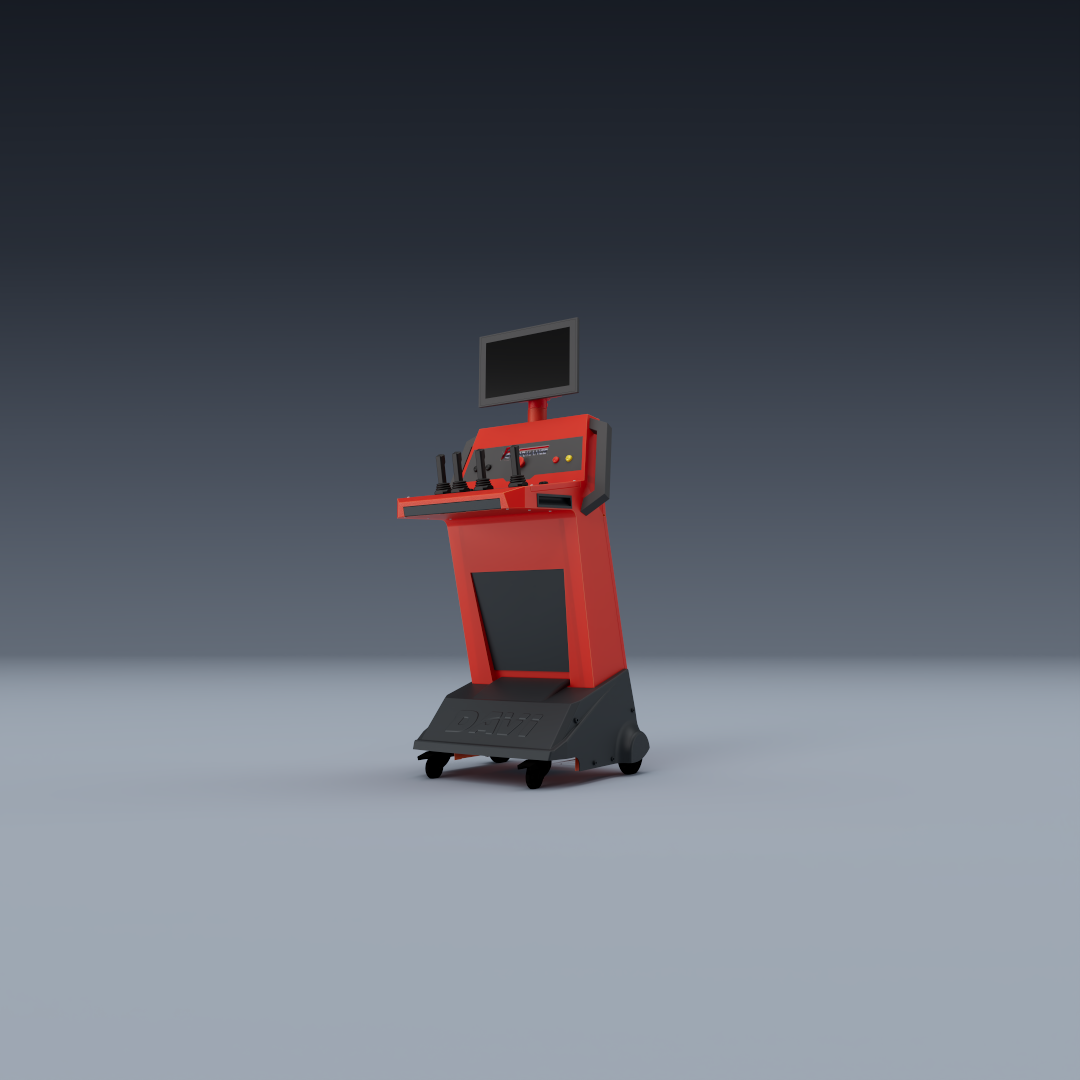
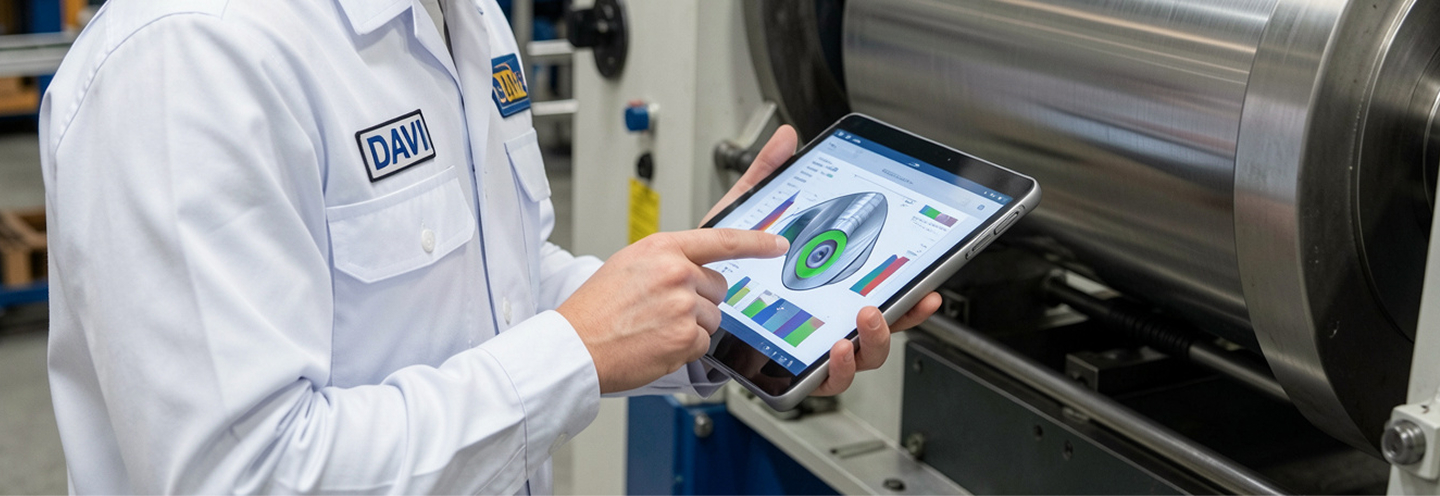
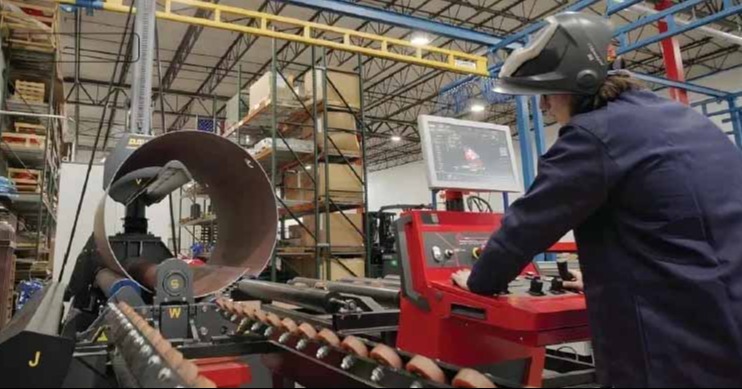
- iRoll Performance: Features an 18.5" industrial touchscreen with a smartphone-like 3D interface. It provides phase programming, single-radius template-aided programming, material manual input libraries, and standard TeamViewer remote diagnostic capabilities.
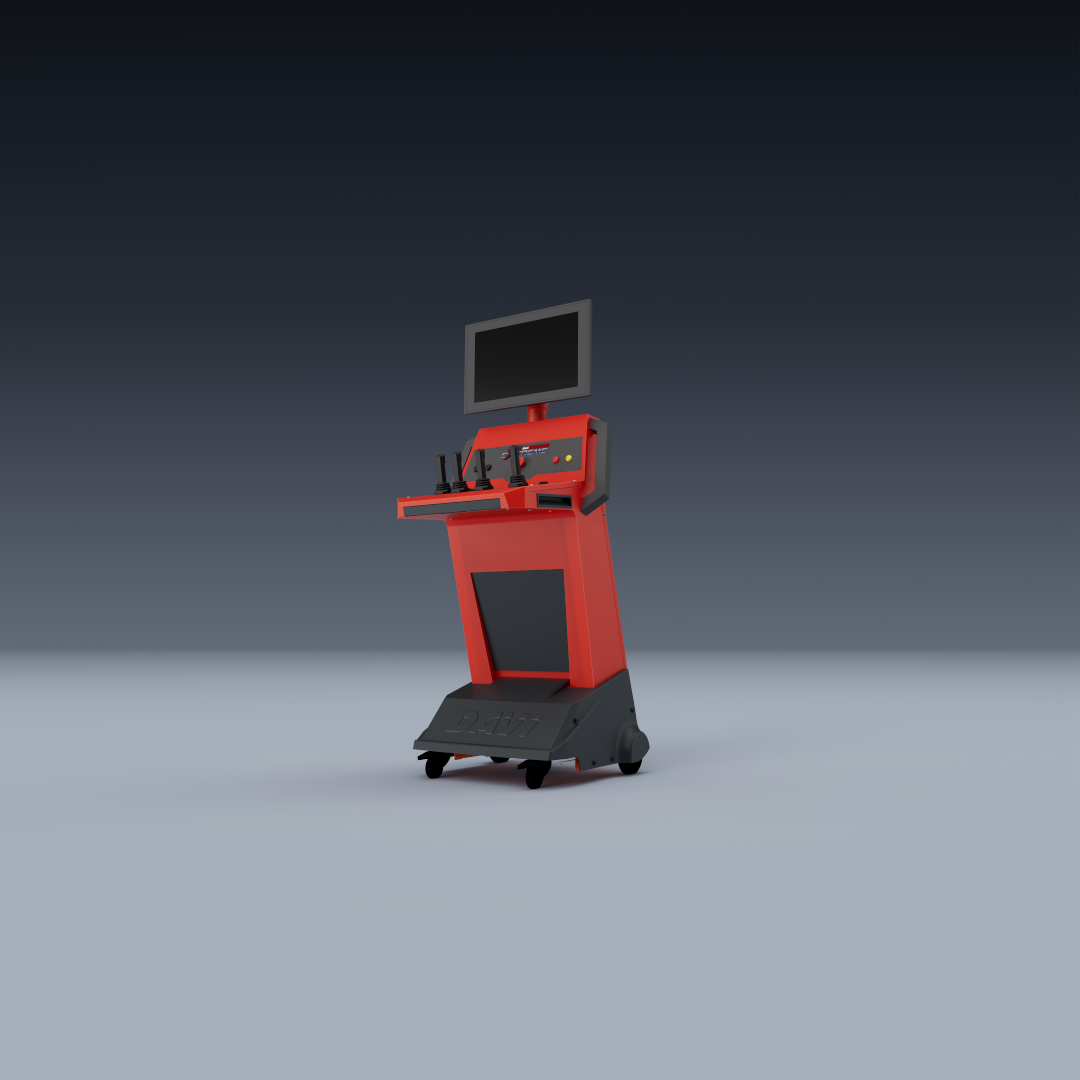
- iRoll eXtreme: Upgrades to a 21.5" touchscreen with live 3D rendering, 3D pre-production collision simulation, custom multi-radius arc drawing, and multi-pass wizard automation. It includes the ASME-compliant "Apple-Shape" calculator for re-rolling calibration, material self-learning algorithms, Failure Free Machine (FFM) diagnostic monitoring, and seamless integration with AI-Vision laser systems and OPC-UA plant MES networks.
Different manufacturing environments require distinct mechanical geometries to handle specific plate thicknesses, section profiles, and automation levels.
- MCA Series (4-Roll Compact): Designed for high-speed, repeatable plate forming from 2 to 6 m (6.5 to 19.6 ft) wide, combining compact framing with planetary side roll guides for rapid CNC production.
- MCB Series (4-Roll Heavy Duty): Engineered for medium-to-heavy industrial fabrication handling plates up to 400 mm (15.7 in) thick, featuring swingable pendular gearboxes that allow stress-free roll tilting up to 100 mm (4 in) every 3 m (10 ft).
- MAV Series (3-Roll Variable Axis): Utilizes independently moving side rolls and a vertical top roll—similar to a press brake—providing maximum leverage for heavy plate rolling, pressure vessels, and precise re-rolling of pre-welded shells.
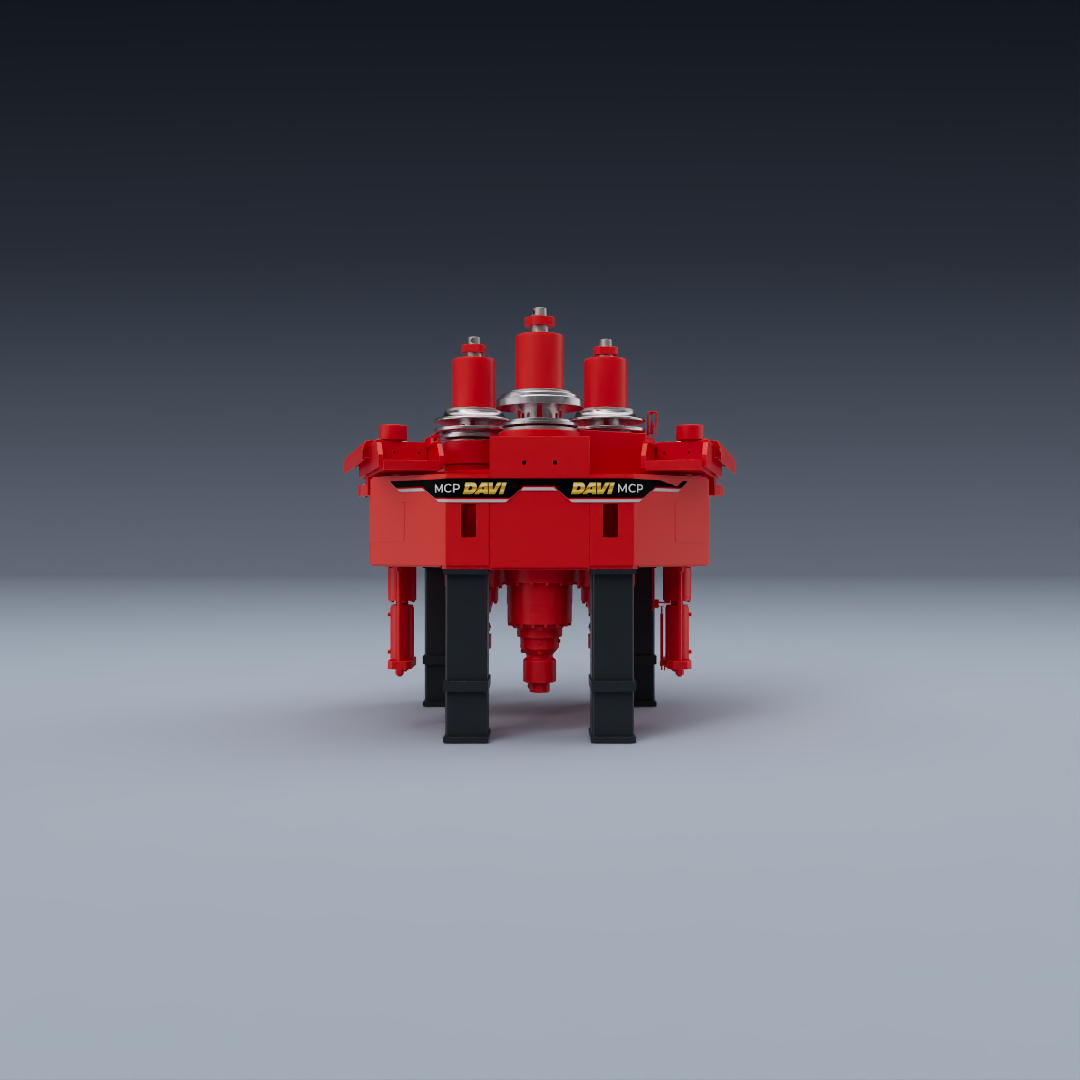
- MCP Series (3-Roll Angle Roll): Engineered with three independent drive motors and universal modular tooling to bend structural beams up to 1,200 mm (47.2 in) height and pipes up to 800 mm (31.5 in) diameter.
Selecting an undersized plate roll leads to machine overload, excessive flat unbent ends, and out-of-tolerance shell geometry. Machine selection is determined by matching the plate thickness, material yield strength, shell diameter, and target production speed to the optimal drive configuration:
- Light to Medium Gauge (2 mm to 15 mm / 0.08 in to 0.59 in): The fully electric MCE e-POWER or MCA 4-roll series delivers maximum speed, positioning accuracy to the third decimal place (0.001 mm / 0.00004 in), and seamless CNC integration.
- Medium to Heavy Fabrication (15 mm to 50 mm / 0.59 in to 1.96 in): The MCB 4-roll series provides heavy clamping force, tight pre-bending down to 1.1 times the top roll diameter, and continuous automatic feeding.
- Ultra-Heavy & Thick Plate (50 mm to 400 mm / 1.96 in to 15.7 in): The MAV 3-roll variable-axis series provides scalable vertical pressing power, wide side-roll interaxis spacing for extreme leverage, and superior force distribution.
The fundamental difference lies in material clamping, alignment, and process automation.
- 4-Roll Architecture (Davi MCA / MCB Series): The bottom roll clamps the plate continuously against the top roll, preventing slippage during the bending sequence. Side rolls move along planetary guide paths to pre-bend both ends without removing or reversing the plate. This layout makes 4-roll machines the fastest, most repeatable, and best suited for full CNC automation.
- 3-Roll Variable-Axis Architecture (Davi MAV Series): Operates like a press brake, where the top roll provides vertical pressing force and the side rolls move horizontally to adjust interaxis spacing. This variable geometry provides maximum leverage for ultra-heavy plate forming, thick-walled pressure vessels, and precise re-rolling of pre-welded cylindrical shells.
The key differences lie in plate handling, cycle speed, and force distribution:
- 4-Roll Architecture (Davi MCA / MCB): The bottom roll clamps the plate continuously against the top roll to eliminate slippage. Side rolls move along planetary guide paths to pre-bend both plate ends without reversing or removing the workpiece, making 4-roll technology the fastest and most efficient choice for full CNC automation and mass production.
- 3-Roll Variable-Axis Architecture (Davi MAV): Operates similarly to a press brake, featuring a vertical top roll for pressing force and independently moving horizontal side rolls to adjust interaxis distance. This variable geometry allows maximum leverage adjustment for very thick plates, superior cone bumping, and exceptional re-rolling calibration on pre-welded cylindrical shells.
Davi engineers its 3-roll and 4-roll plate bending machines with compact, heavy-duty intra-frame structures where reinforcement tie-beams are installed directly between the side frames rather than requiring a deep base platform. This closed-frame design maximizes structural rigidity, minimizes frame deflection under full load, and drastically reduces required pit depth—allowing most light-to-medium capacity models to be installed directly on a standard workshop floor without deep foundation pits. By minimizing installation spatial footprints and civil engineering works, Davi reduces upfront commissioning costs while enabling fast equipment setup by internal workshop personnel or Davi field service engineers.