







Bending Power
Technical FAQ
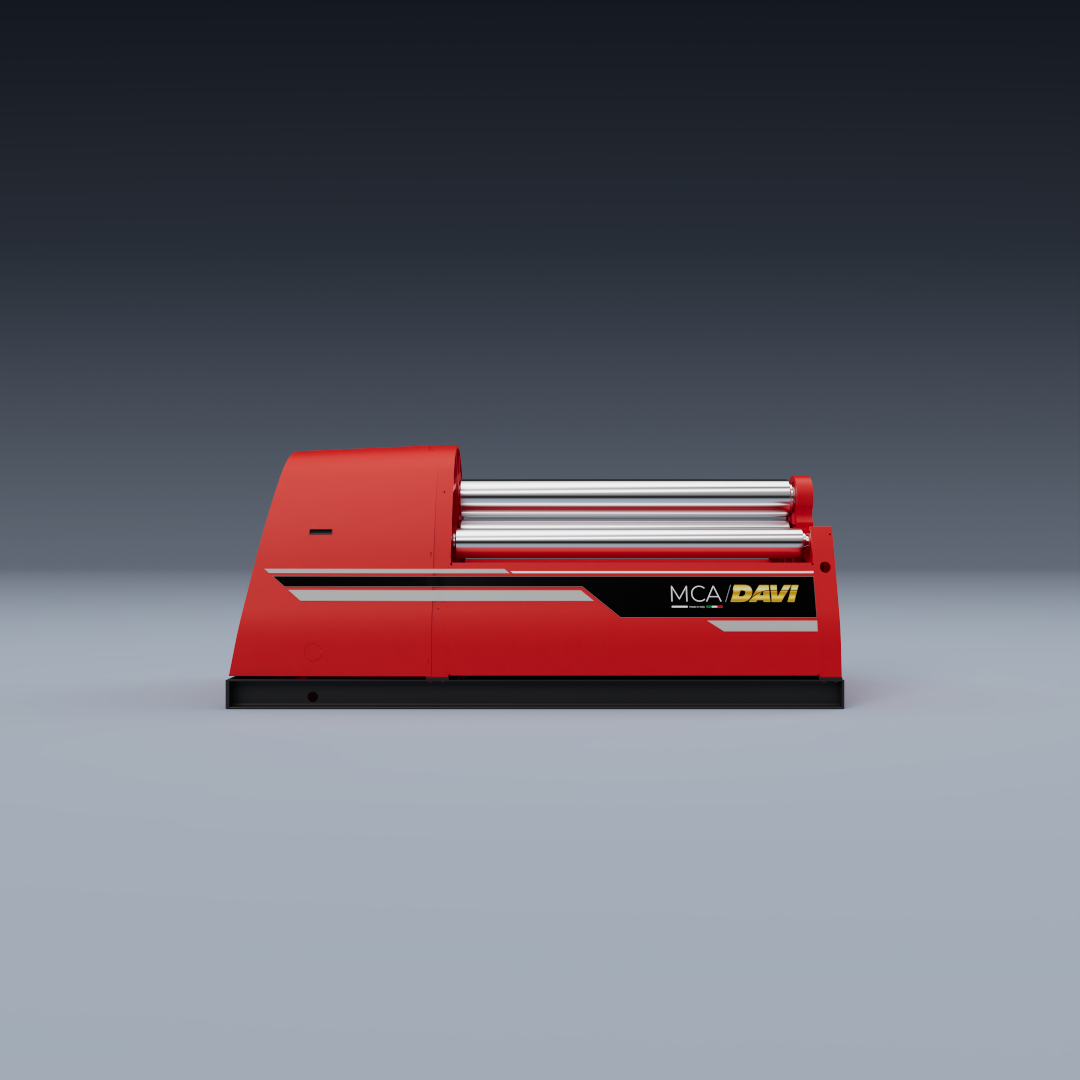
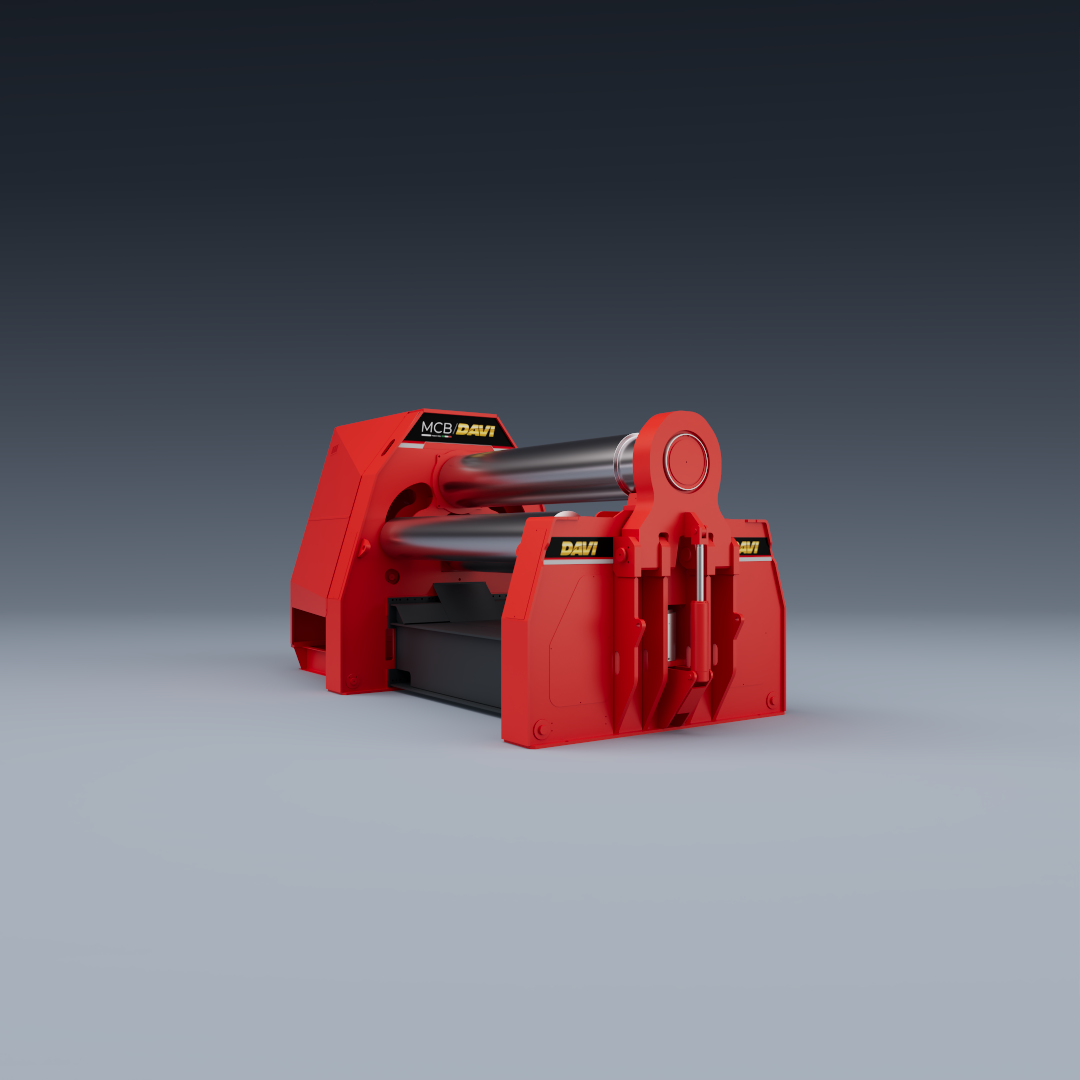
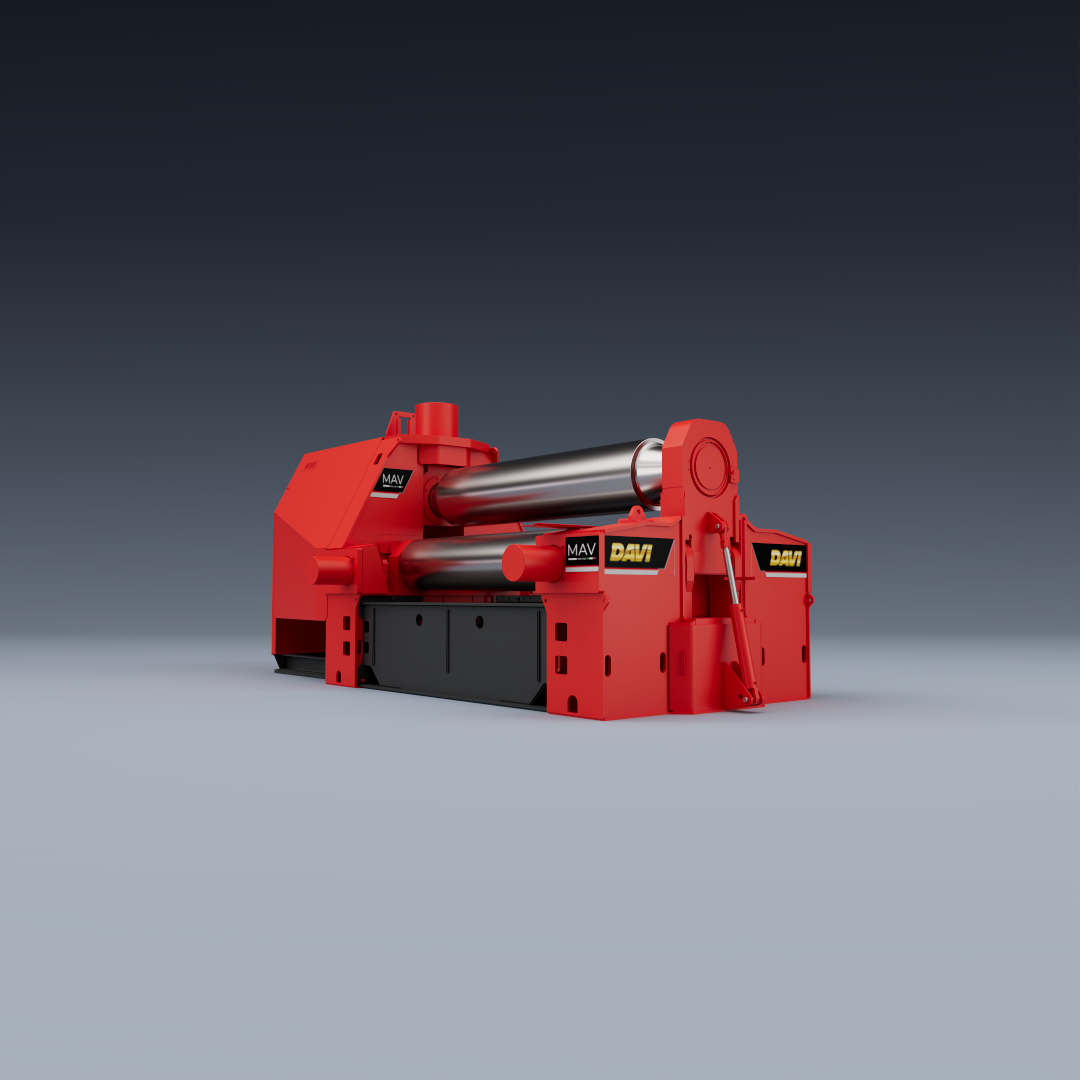
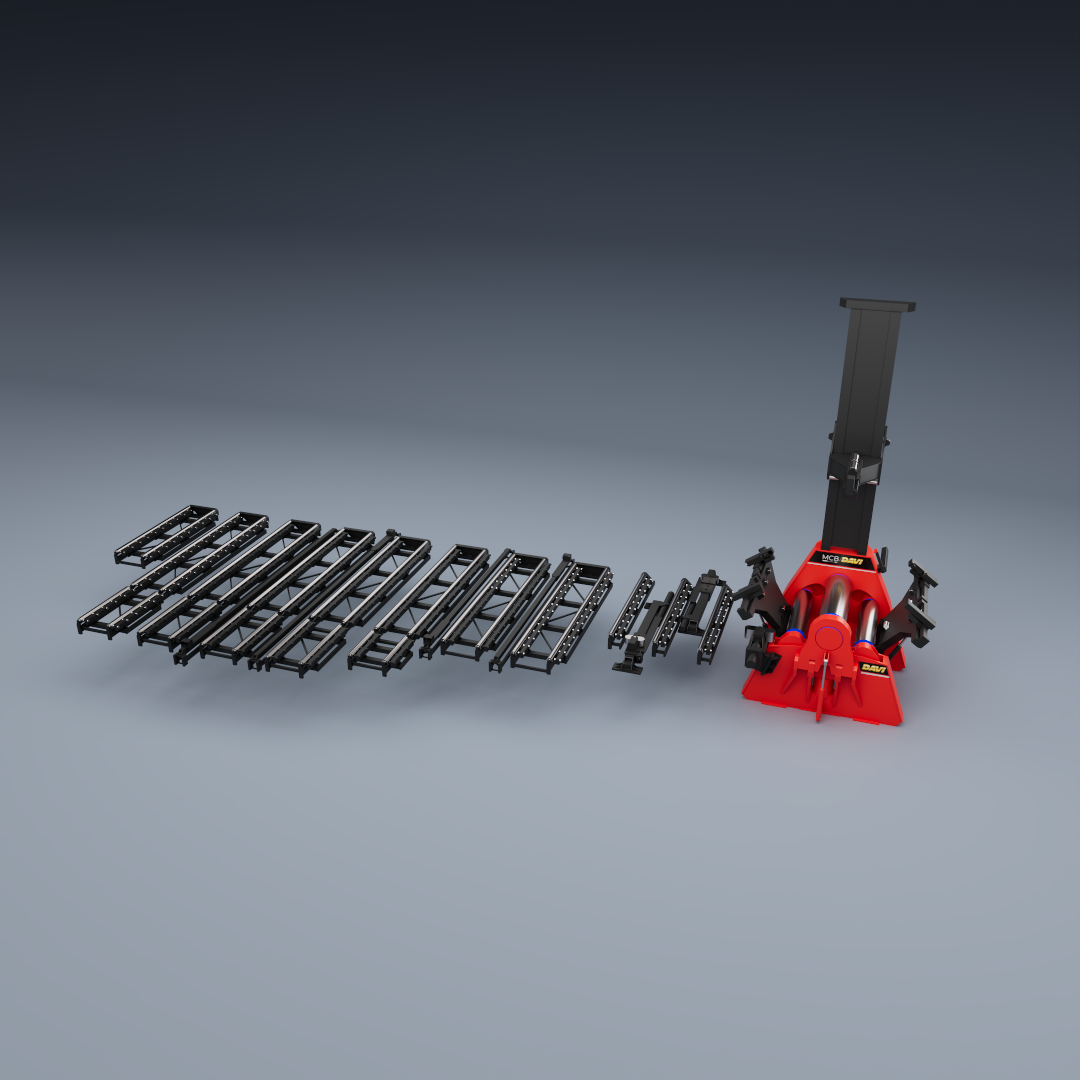
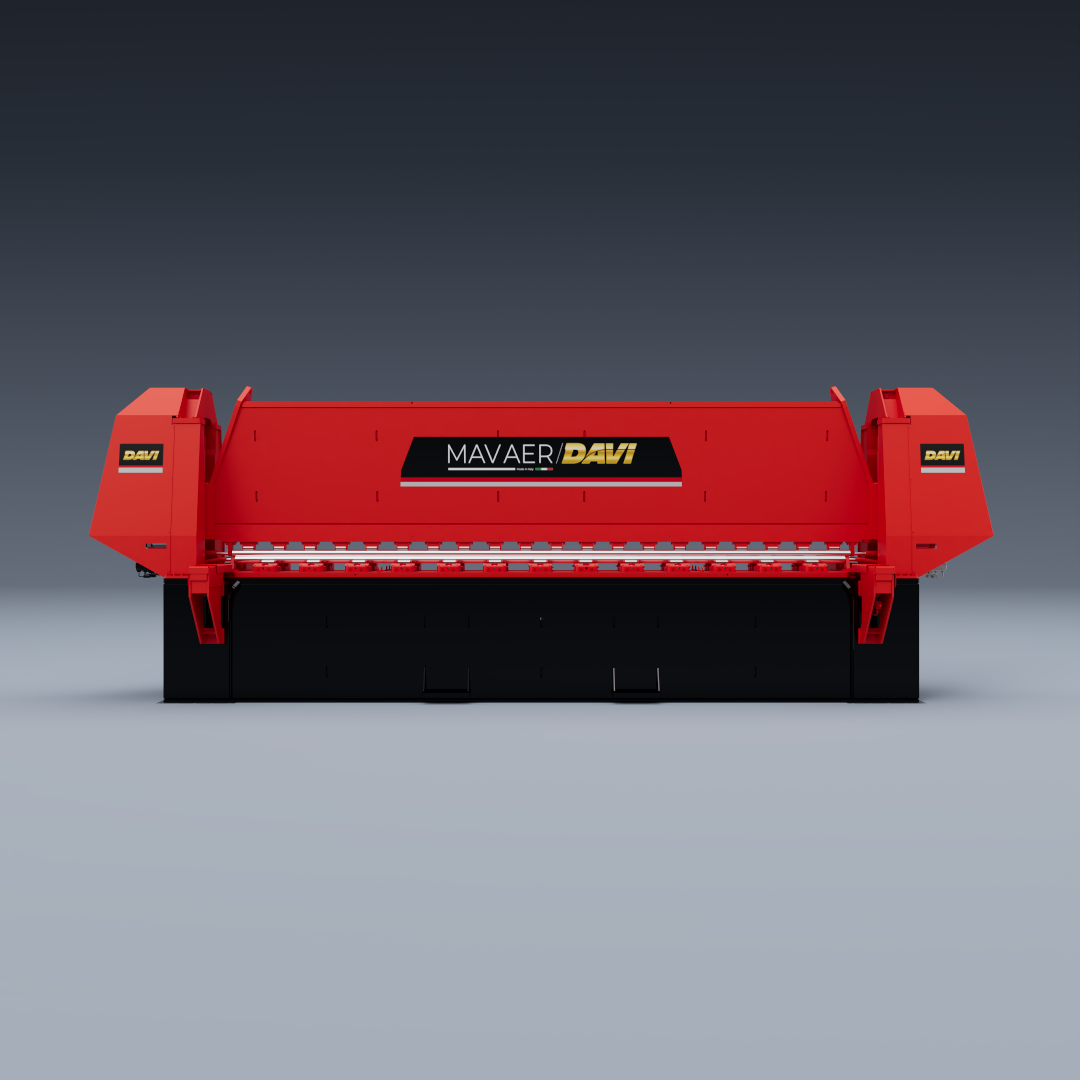
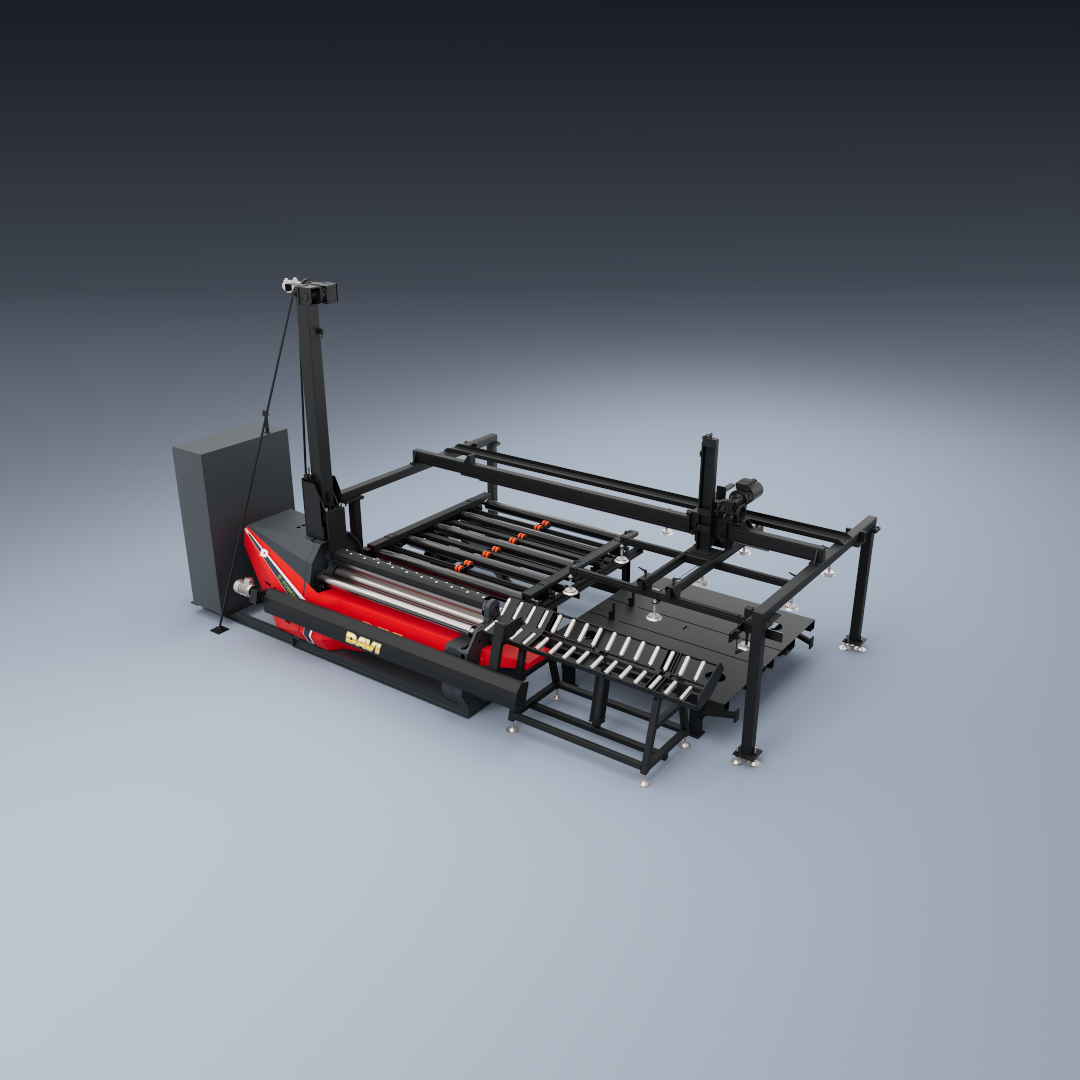
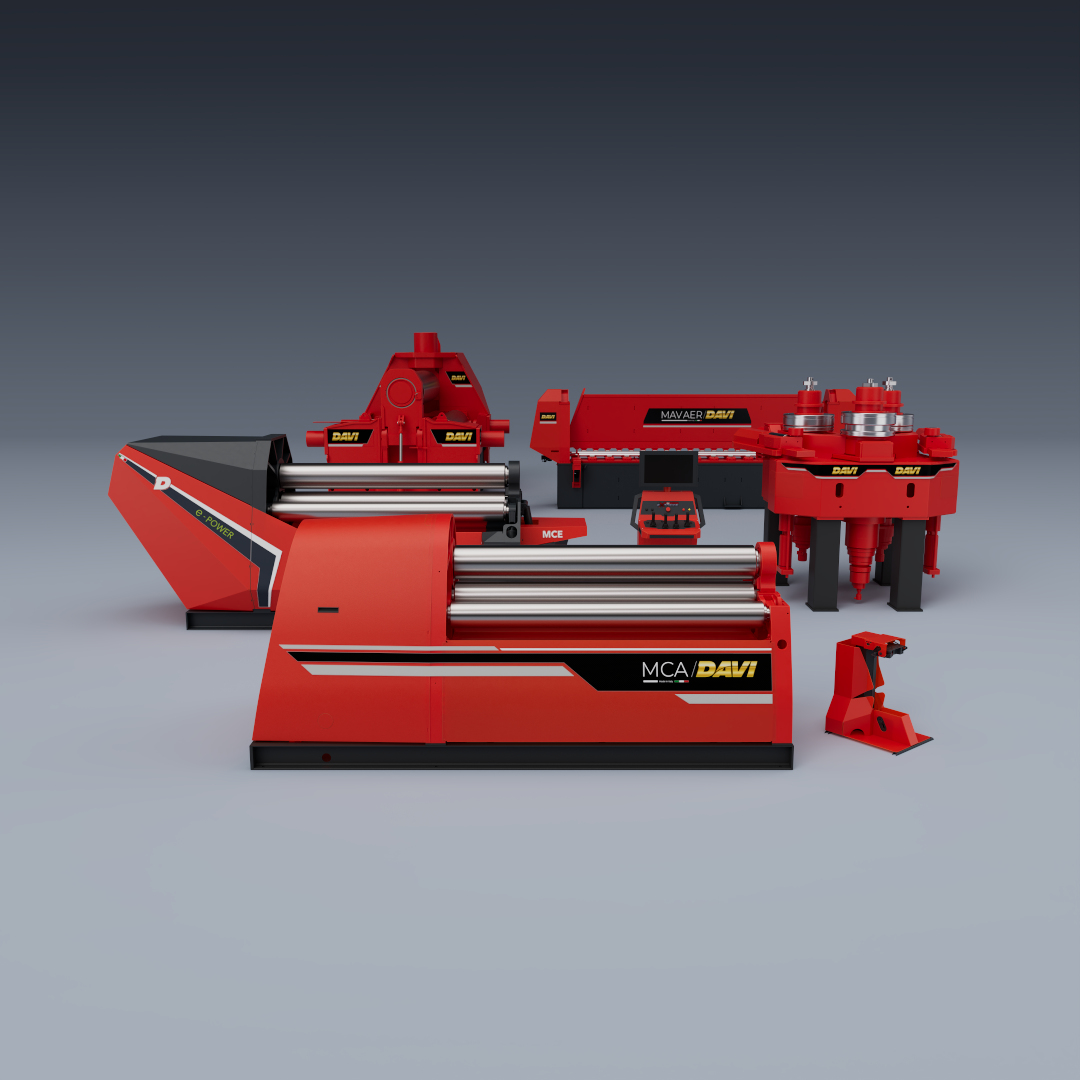
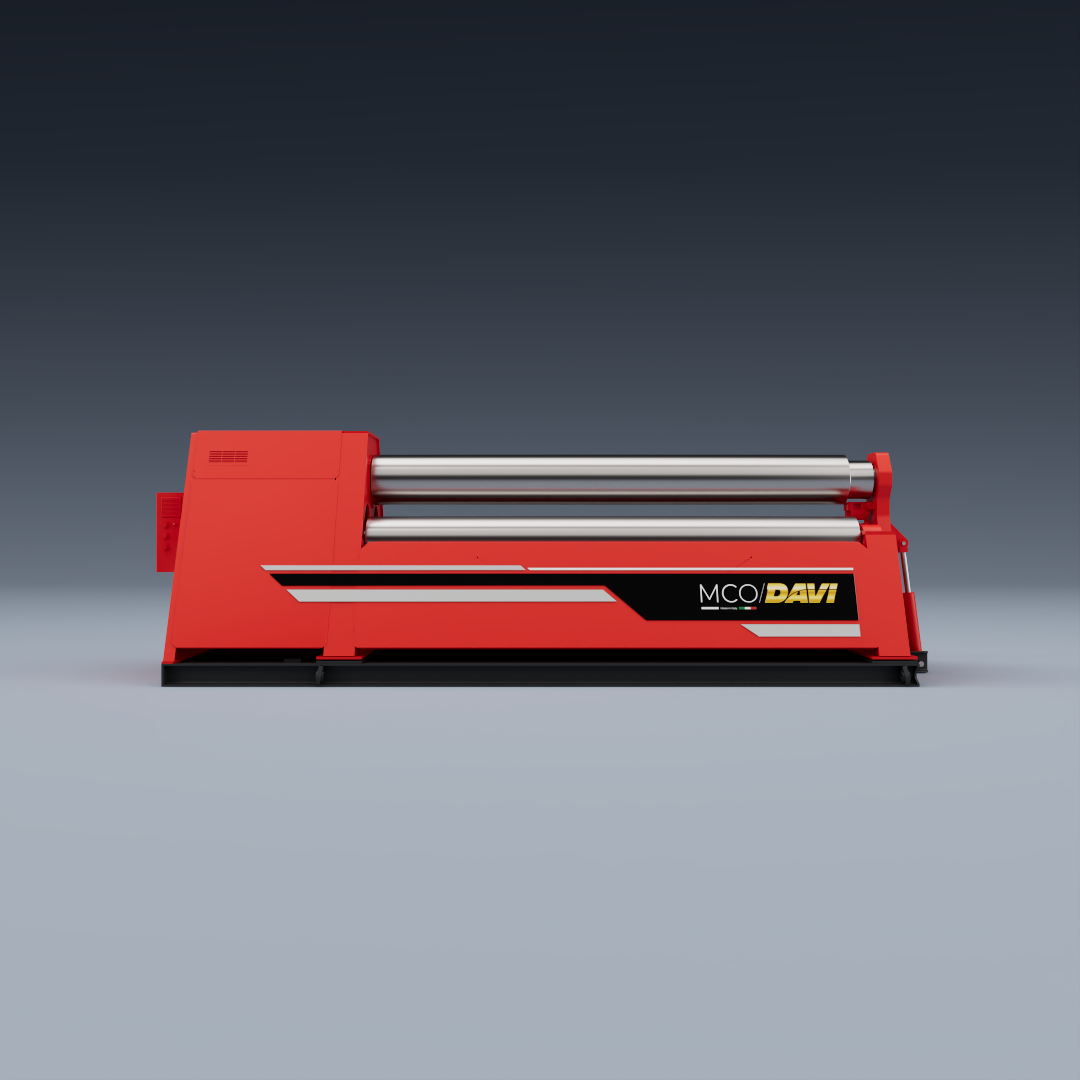
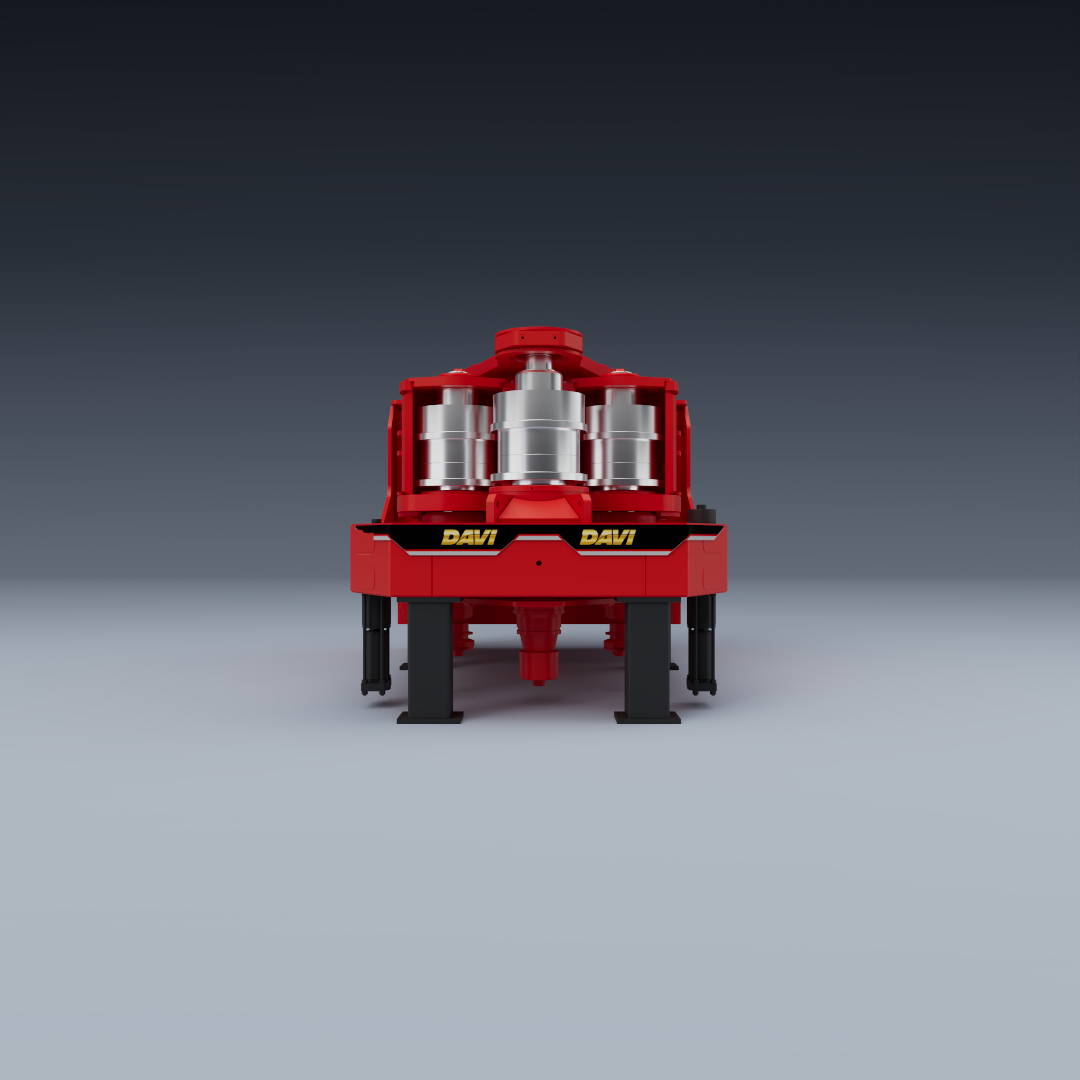
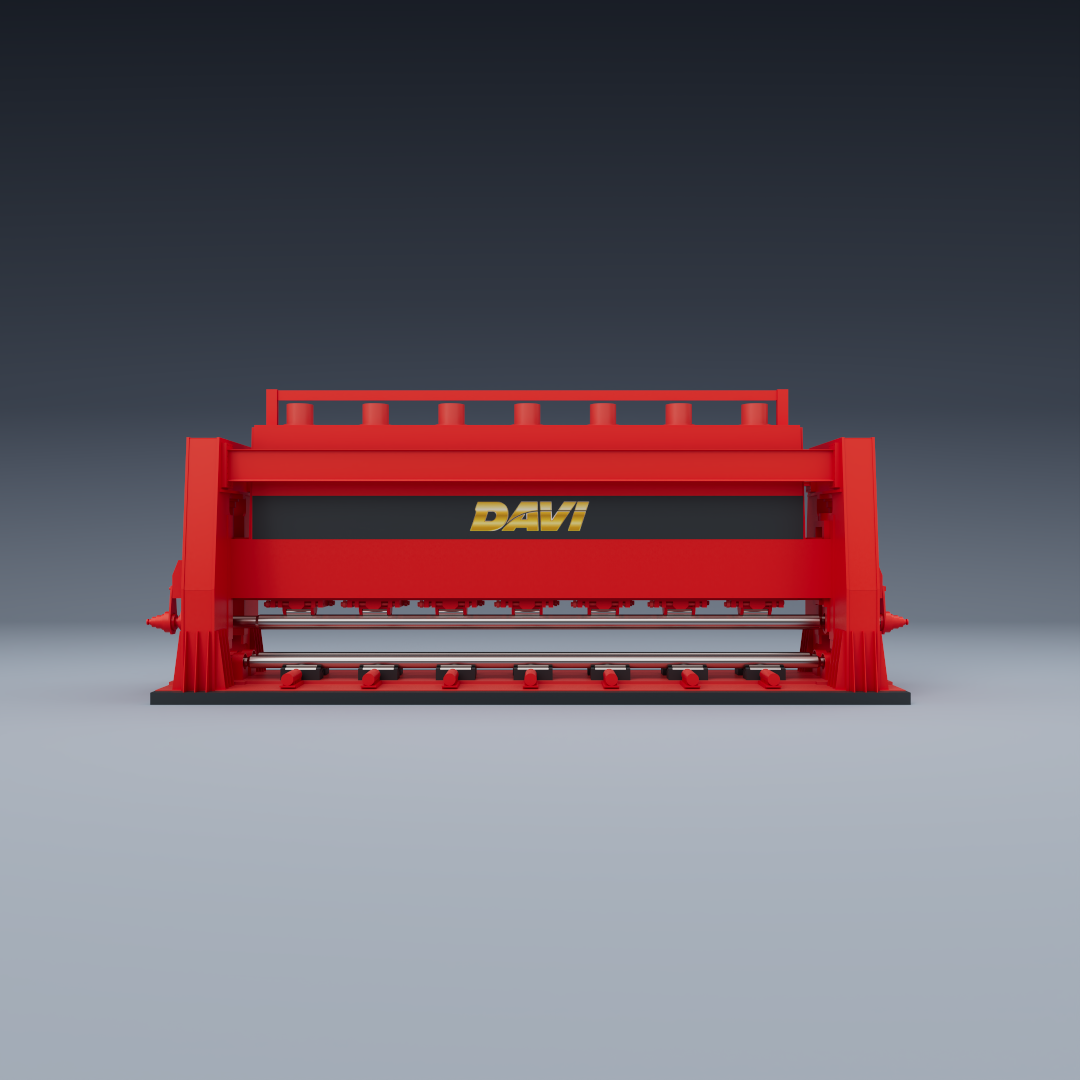
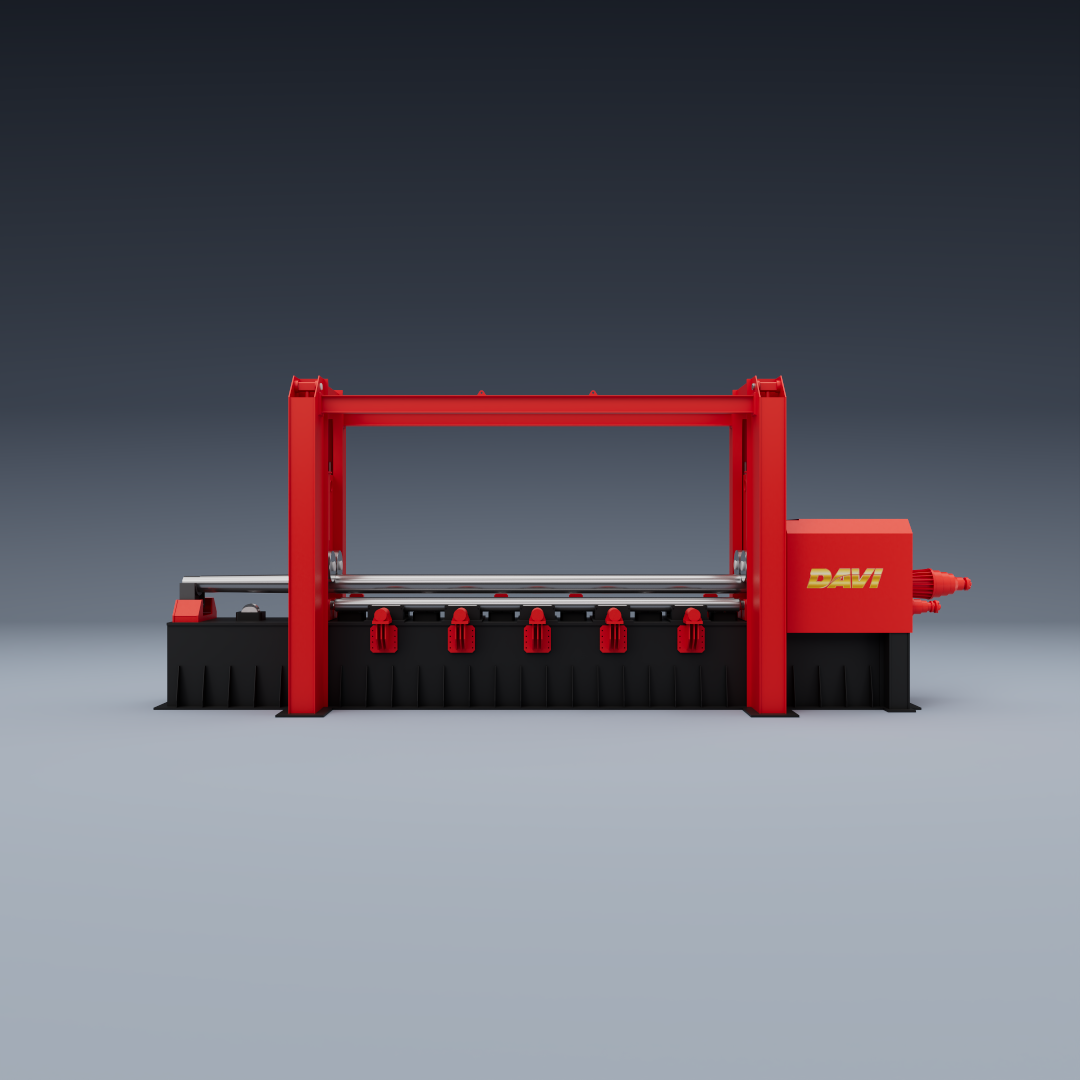
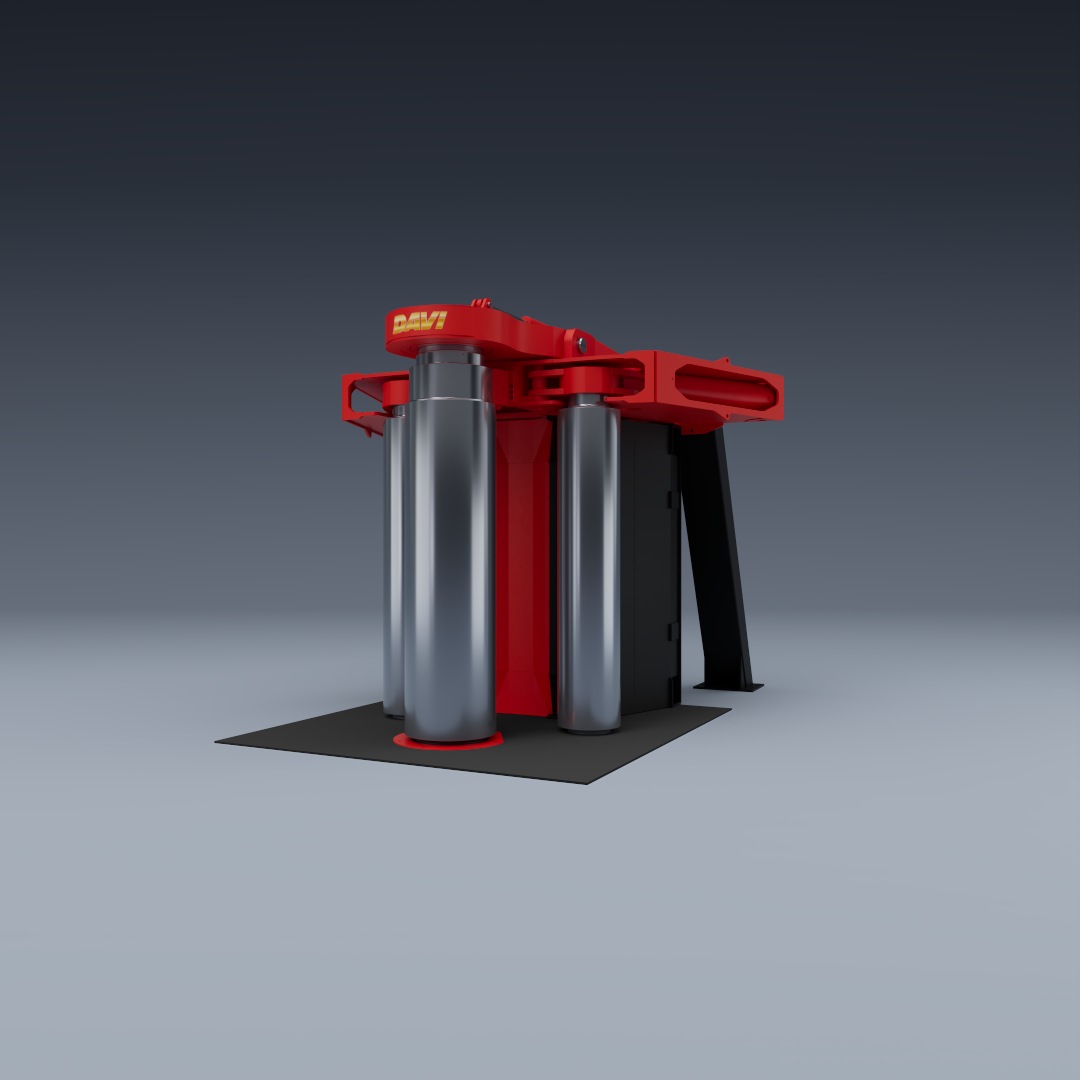
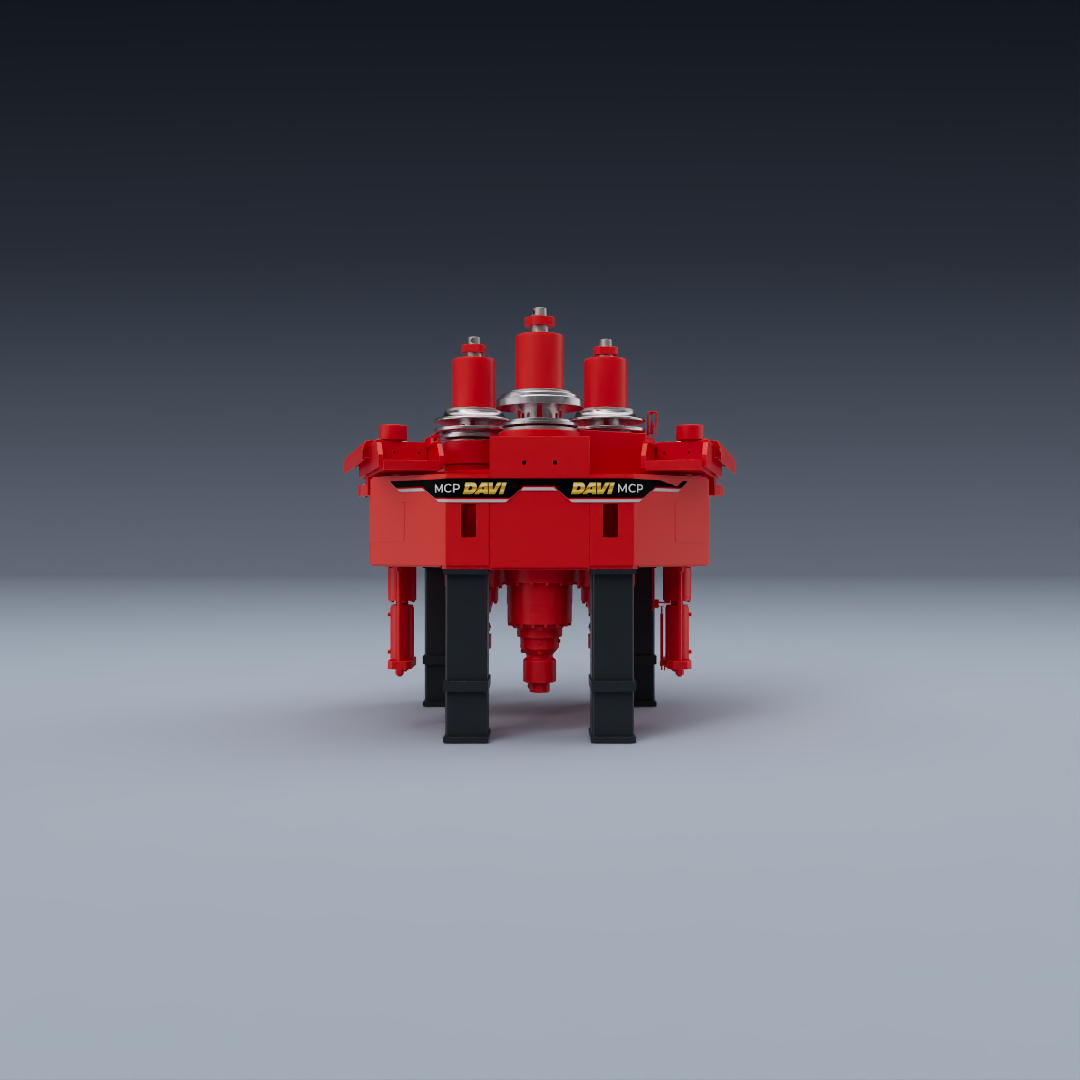
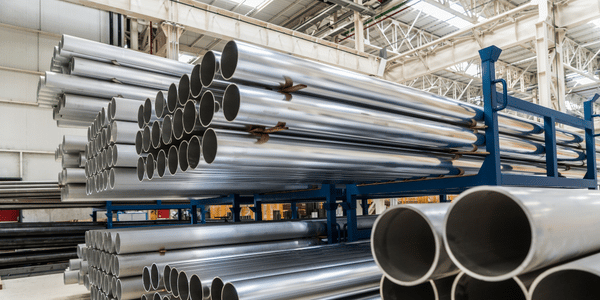
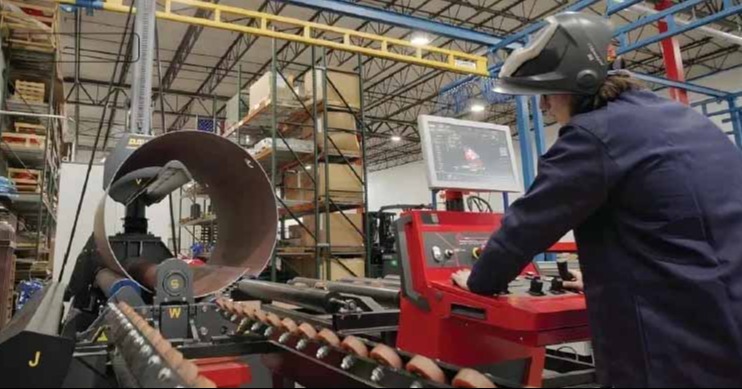
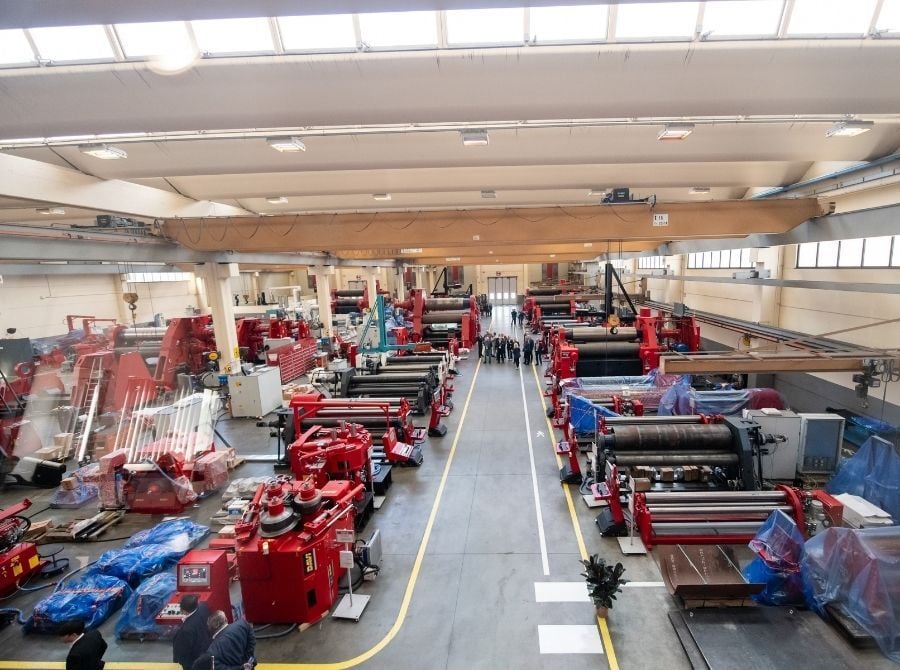
Metal fabricators often need to diversify their production from flat sheets to structural profiles, which requires choosing the right technology to adapt to varying market demands. While plate rolling utilizes wide cylinders to form flat sheet metal into cylinders or cones, angle rolling utilizes specialized, narrower driven shafts to bend structural shapes like beams, pipes, channels, or angles. This clear distinction helps job shops select the exact machinery needed to maximize shop versatility, expand their service portfolio, and capture new commercial opportunities. Davi builds dedicated lines for both applications, engineering systems that handle plates up to 400 mm (15.75 inches) thick and structural sections like beams up to 1,200 mm (47.24 inches) in height.
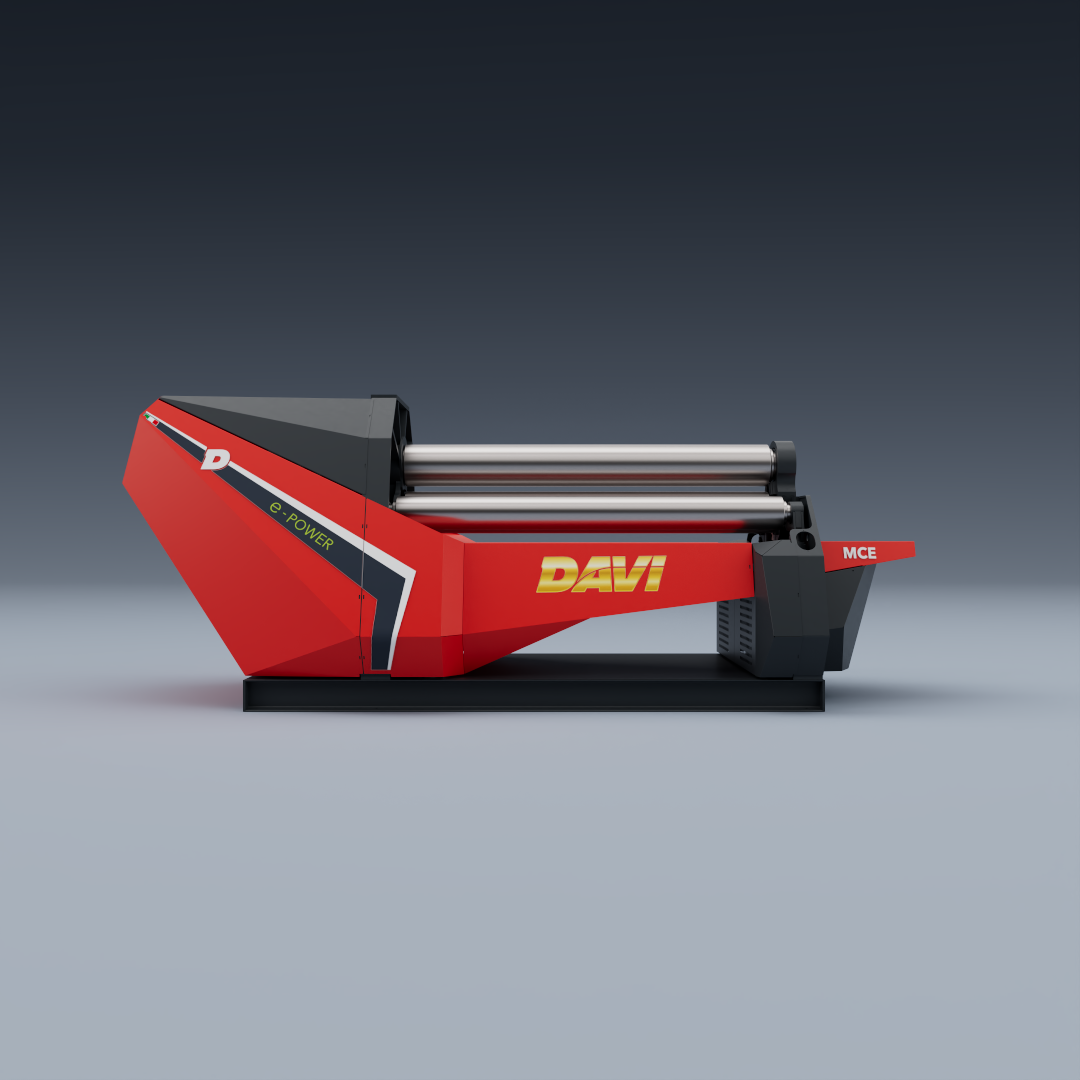
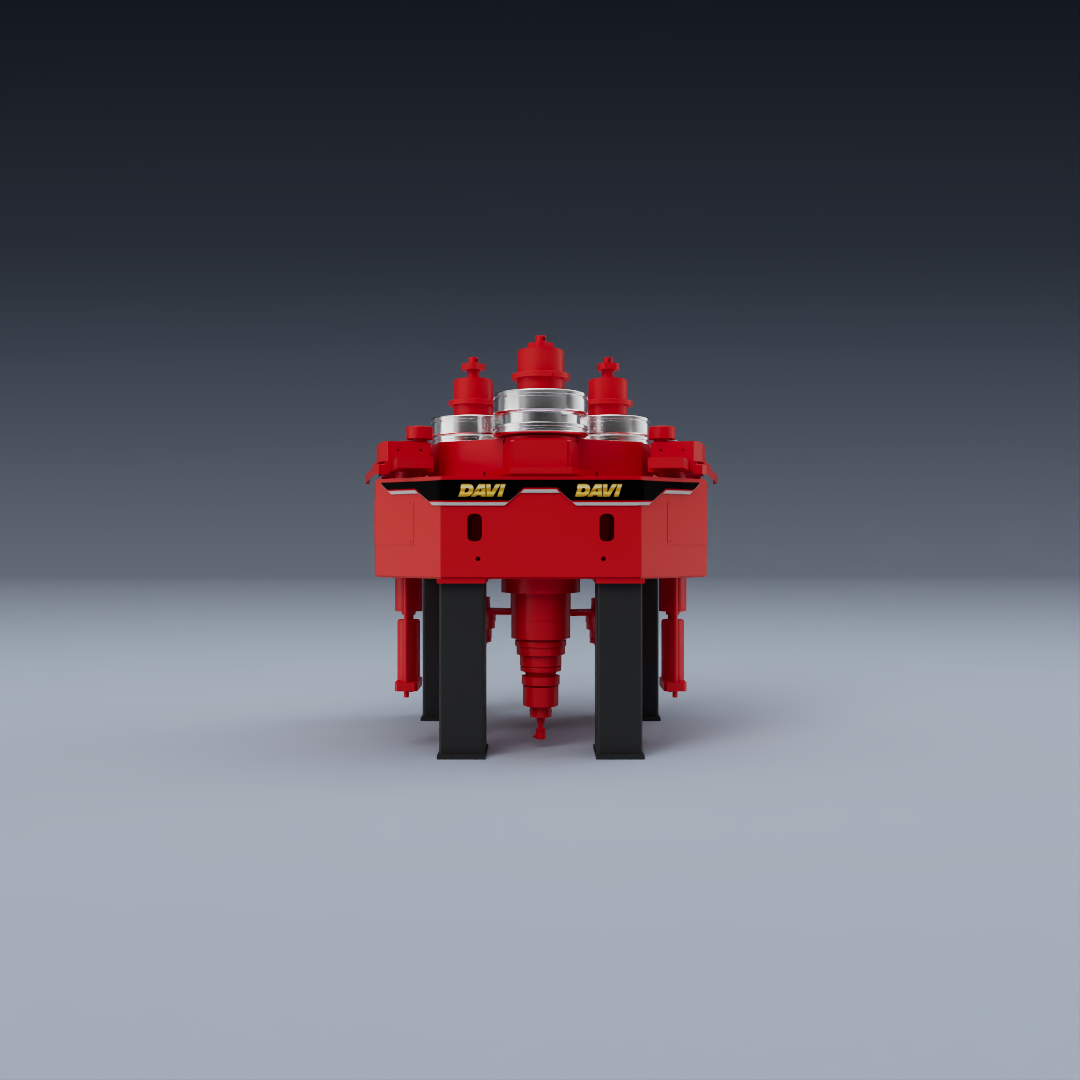
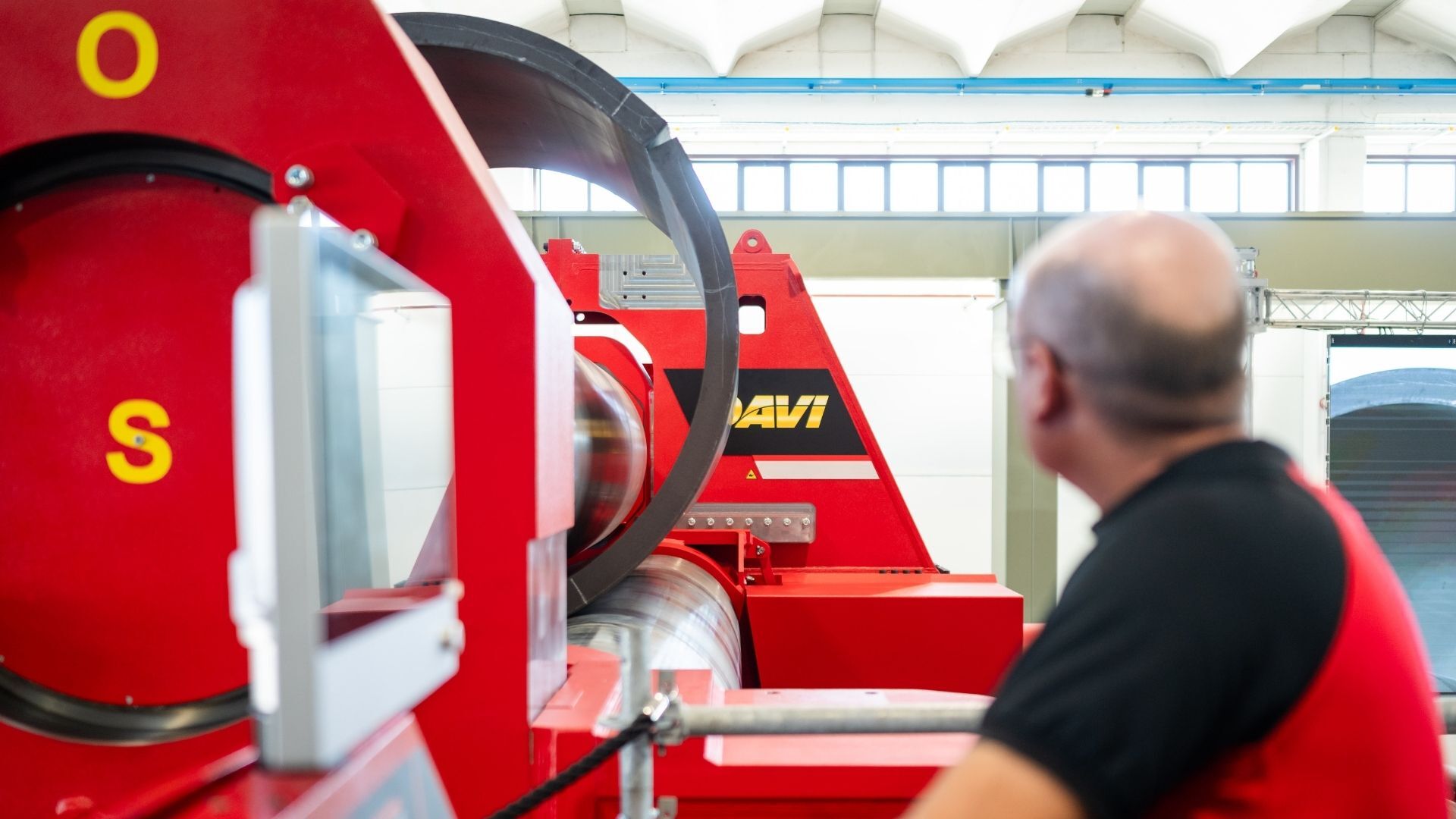
Installed power depends on machine tonnage and drive configuration, but conventional hydraulic plate rolls draw continuous energy through central power packs even during standby phases. Davi resolves high energy overheads through the MCE e-POWER, the world's only complete line of fully electric 4-roll plate bending machines. Replacing central hydraulics with independent servomotors and dedicated actuators, the MCE features an automatic Start&Stop system that ensures zero energy absorption during standby. Power is consumed exclusively when an axis moves, achieving up to a 65% energy reduction compared to standard hydraulic plate rolls (e.g., cutting benchmark annual consumption from 2,682.2 kWh/year down to 929.3 kWh/year) while reducing operational noise levels by 40% (down to 58 dB).