






Glossary
1 MIN READ
Geometrical Symmetry
A balanced machine design where structural frames, cylinders, and roll alignments are mirrored perfectly on both sides to distribute operational loads evenly.
Technical FAQ
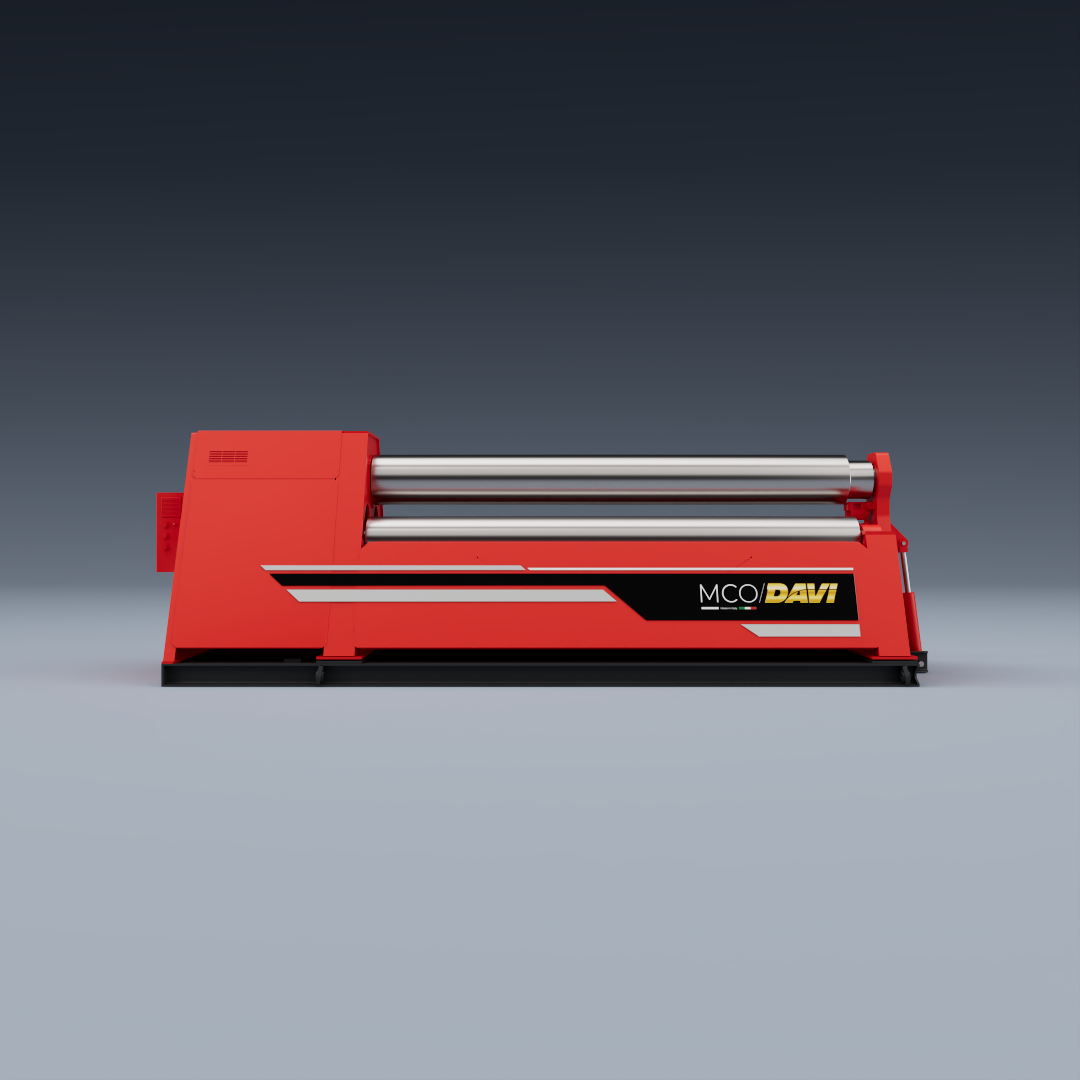
Eliminating material waste and avoiding secondary cutting operations is a primary goal for high-productivity job shops looking to protect their margins. A flat end is the straight, unbent section left at the leading and trailing edges of a plate because the material cannot physically reach the exact tangent contact point between the machine rolls. Minimizing this straight section directly reduces material scrap and eliminates the time-consuming process of pre-bending plates on a separate press brake, thereby accelerating overall floor cycle times. Utilizing Davi all-rolls-drive technology ensures the plate can be positioned precisely at the tangent point to achieve the shortest flat end possible without compromising safety.
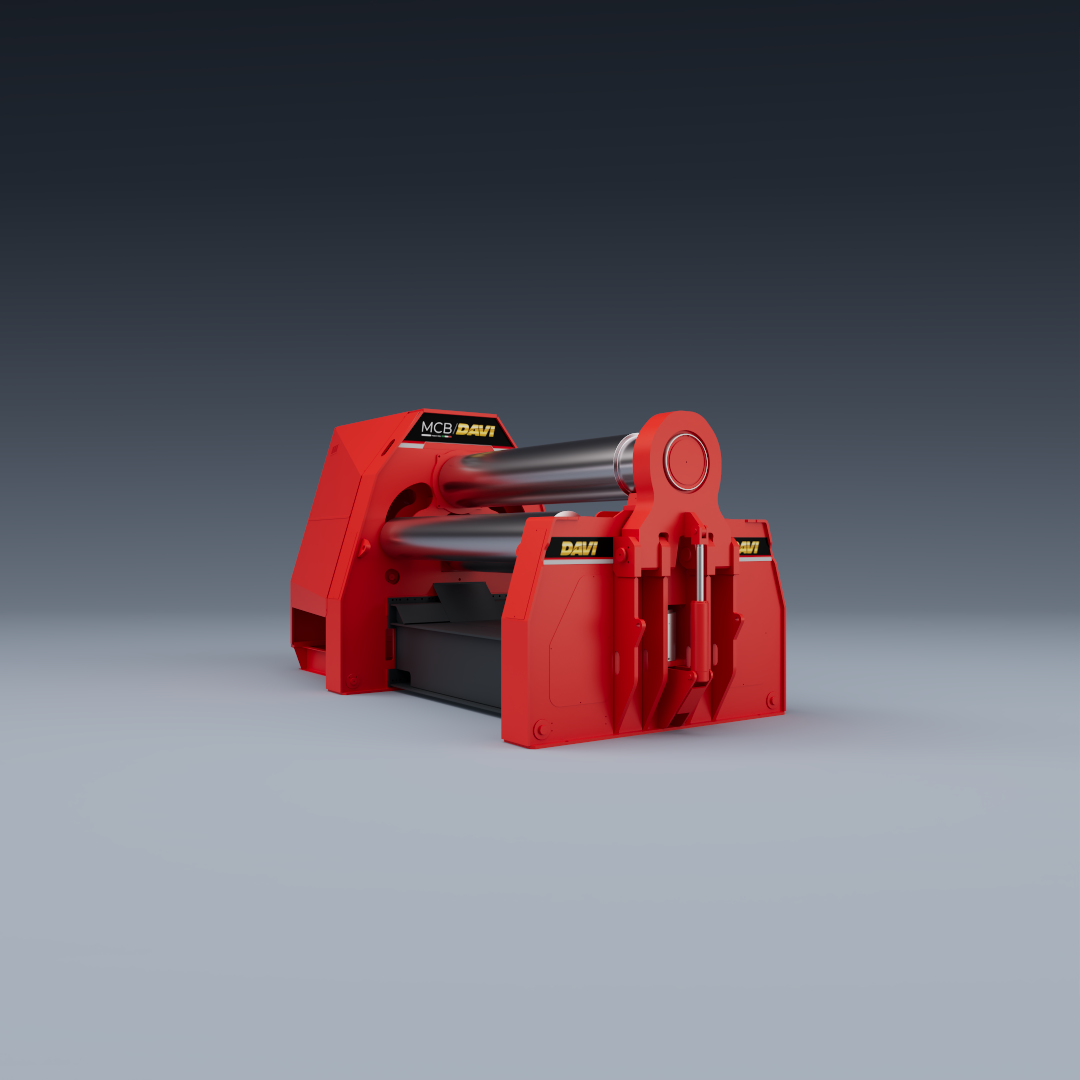
Fabricators working on high-precision applications like pressure vessels must ensure perfect roundness from the absolute edge of the plate to comply with strict safety codes. Pre-bending is the preliminary manufacturing step where the leading and trailing edges of a sheet are bent to the target radius before continuous rolling begins. Executing this properly minimizes the flat end, ensures structural integrity at the subsequent weld seam, and reduces the need for manual grinding or expensive re-rolling calibration. Davi 4-roll and variable-axis 3-roll machines are engineered to execute high-tonnage pre-bending safely and accurately in a single automated cycle.
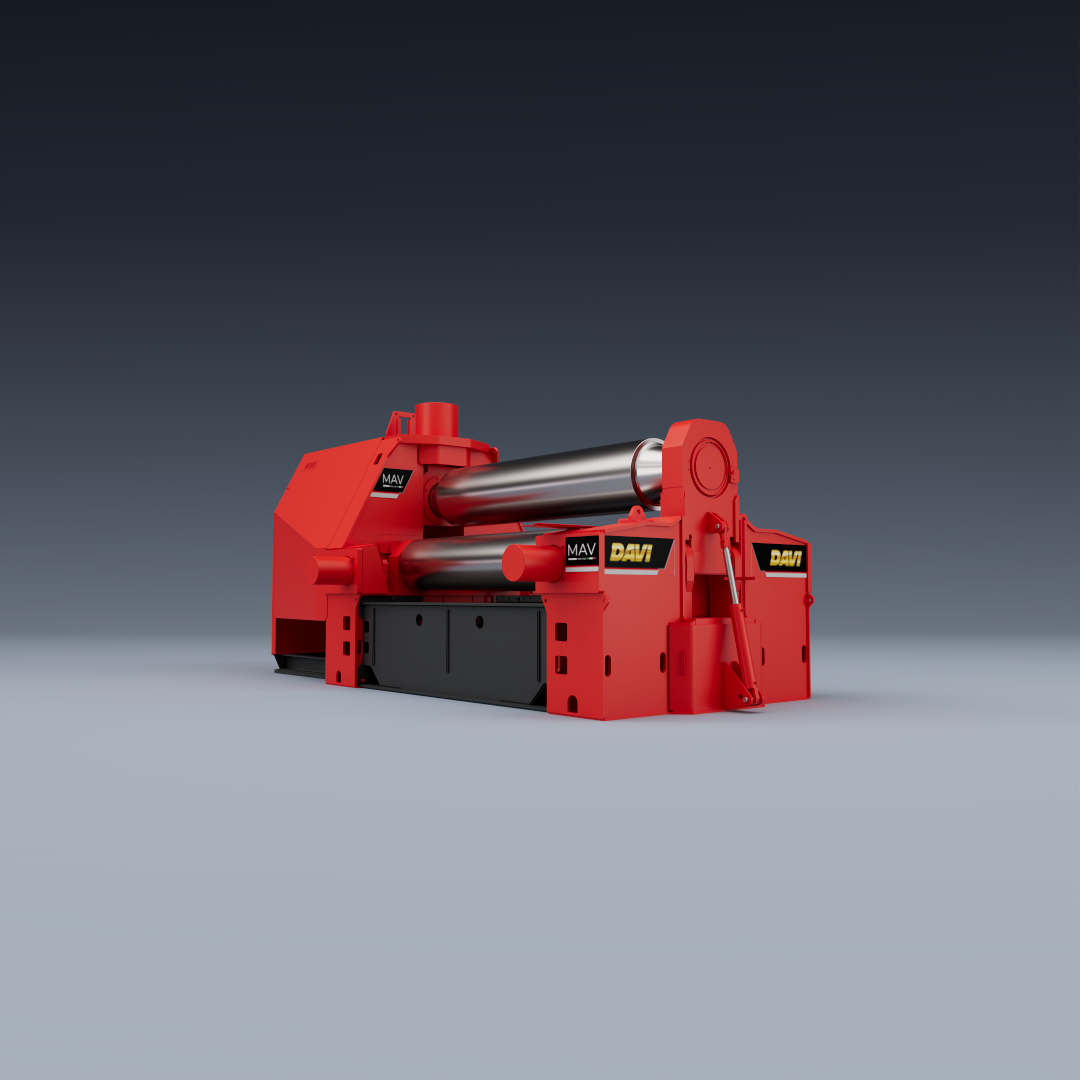
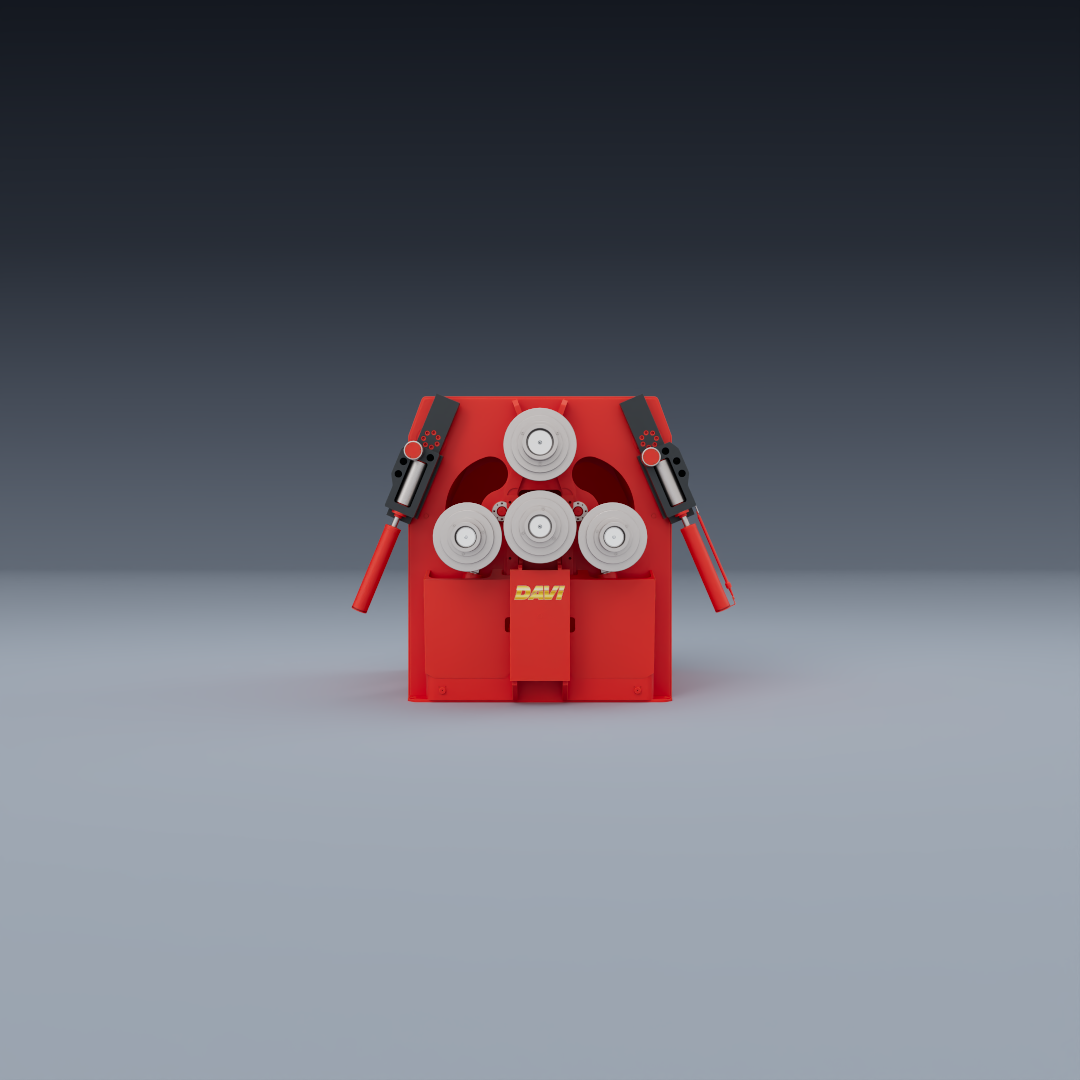
Heavy industrial manufacturers need the flexibility to form a wide range of extreme thicknesses and tight diameters on a single piece of machinery. A 3-roll variable-axis machine operates with a top roll that moves vertically, while the two lower side rolls move independently along a horizontal plane. This geometry allows you to increase the horizontal interaxis distance to gain massive mechanical leverage for thick plates, or narrow it to form tight, thin-walled cylinders. The Davi MAV line features full horizontal and vertical axis mobility, offering versatility comparable to a press brake but with total rolling precision.
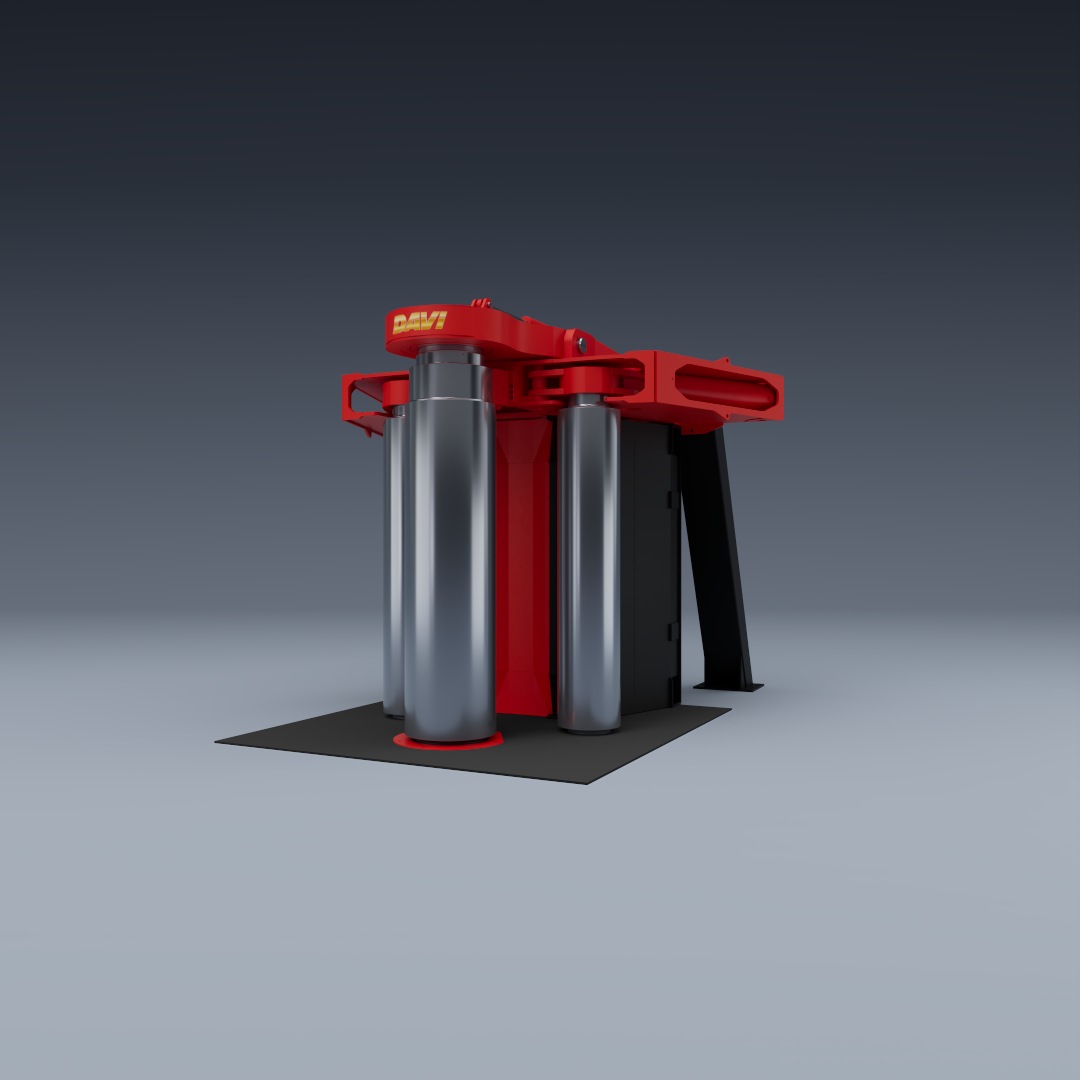
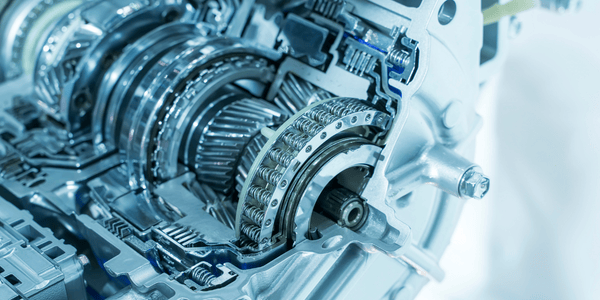
Reducing the straight flat end on thick plates requires moving the bending rolls as close to the pinching point as possible. A flat gearbox features an eccentric rotation axis that avoids physical interference between hydraulic motors and the top roll cylinder shaft. It allows the side rolls to travel closer to the top roll (minimum gauge), achieving an exceptionally short flat end without compromising machine frame capacity. Davi exclusive flat gearboxes are a core component in achieving precision pre-bending on variable-axis machines.
Large-scale corporations require risk mitigation against extended downtime caused by long lead times for custom heavy components. Instead of a single custom gearbox, a multi-gearbox configuration connects multiple standard gearboxes to a heavy-duty reduction gear driving the top roll. If one gearbox component fails, the machine can continue operating at a reduced torque level, eliminating catastrophic production downtime while replacement parts are sourced quickly from standard stock. Davi implements this design on machines with pressing capacities exceeding 3,000 tons to protect large-scale infrastructure projects.
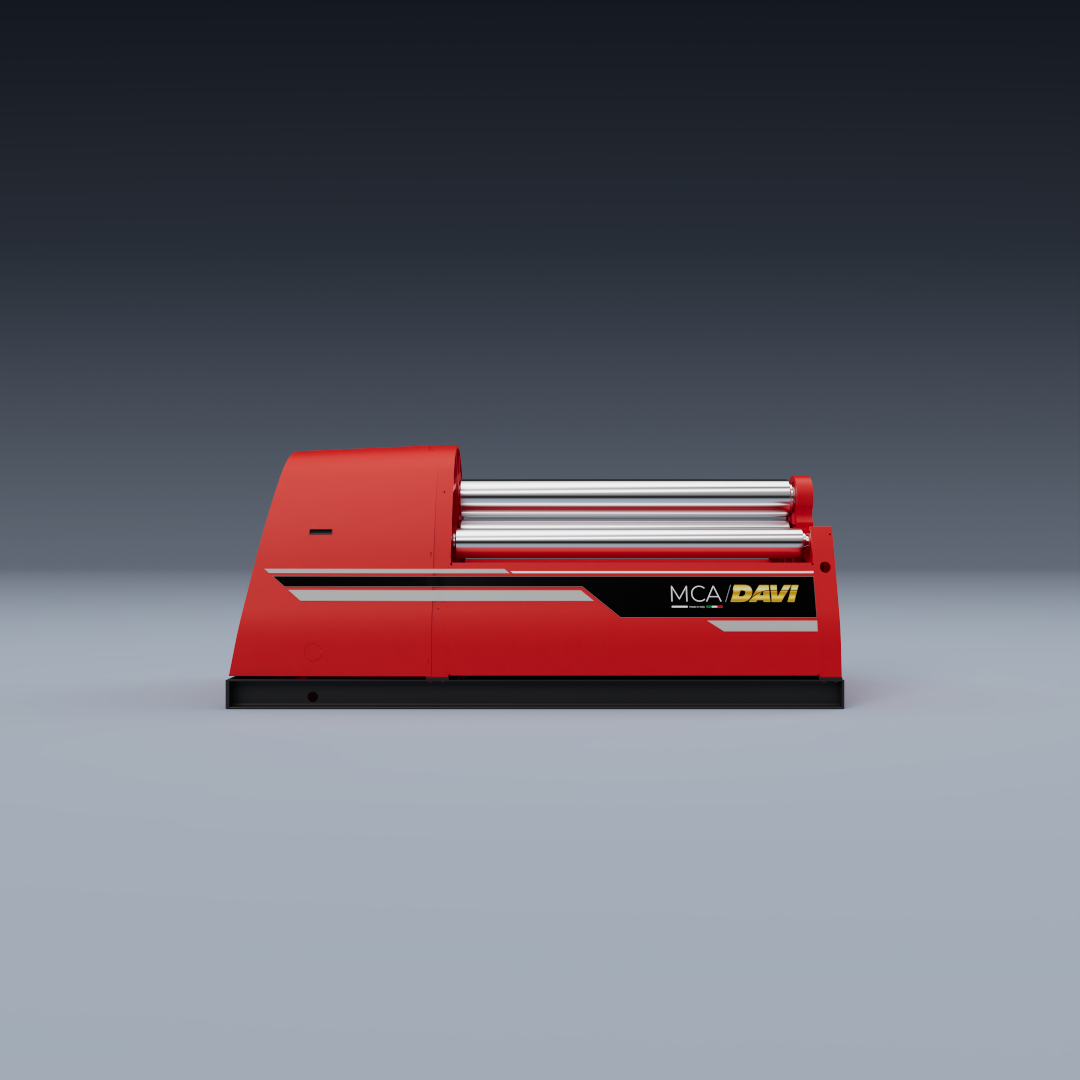
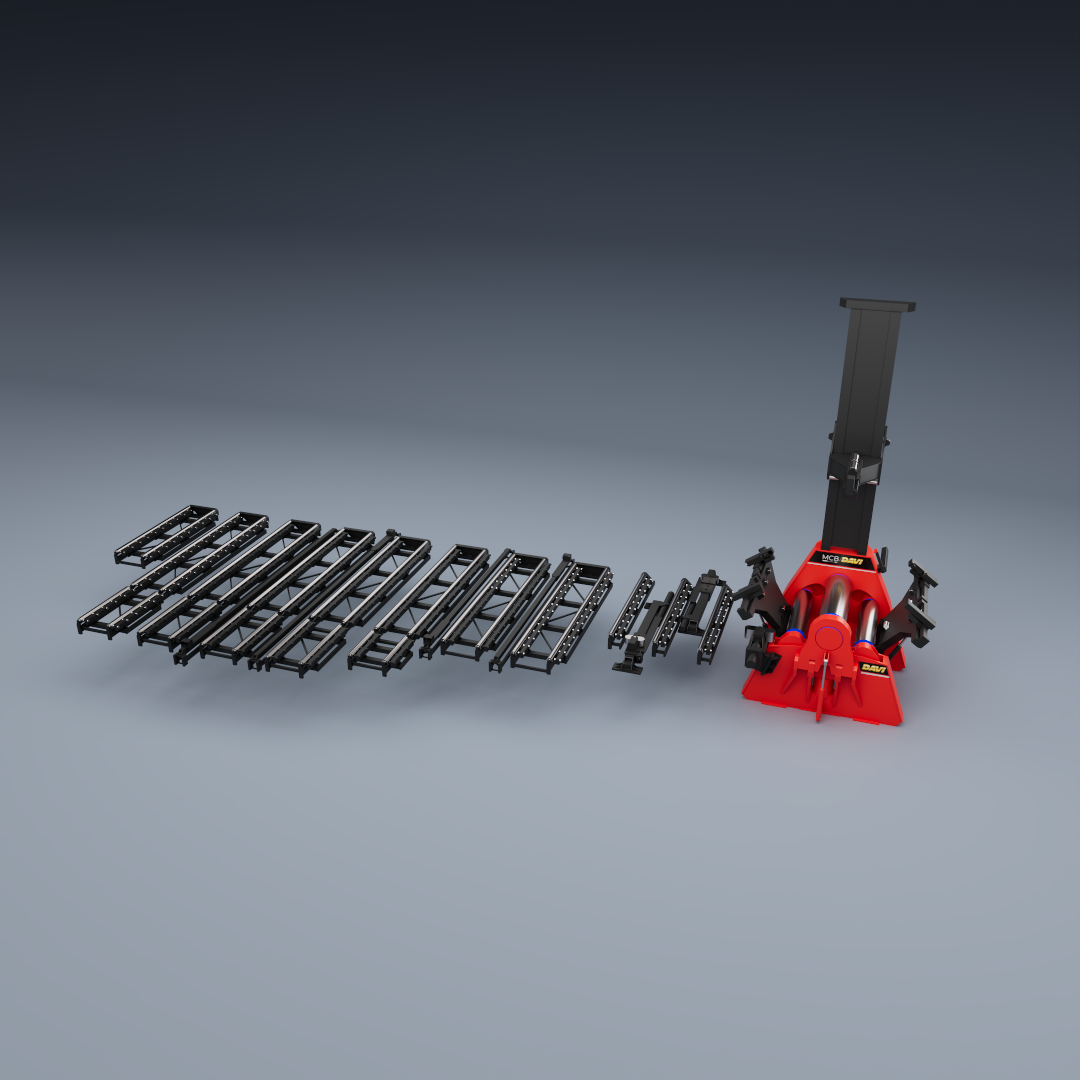
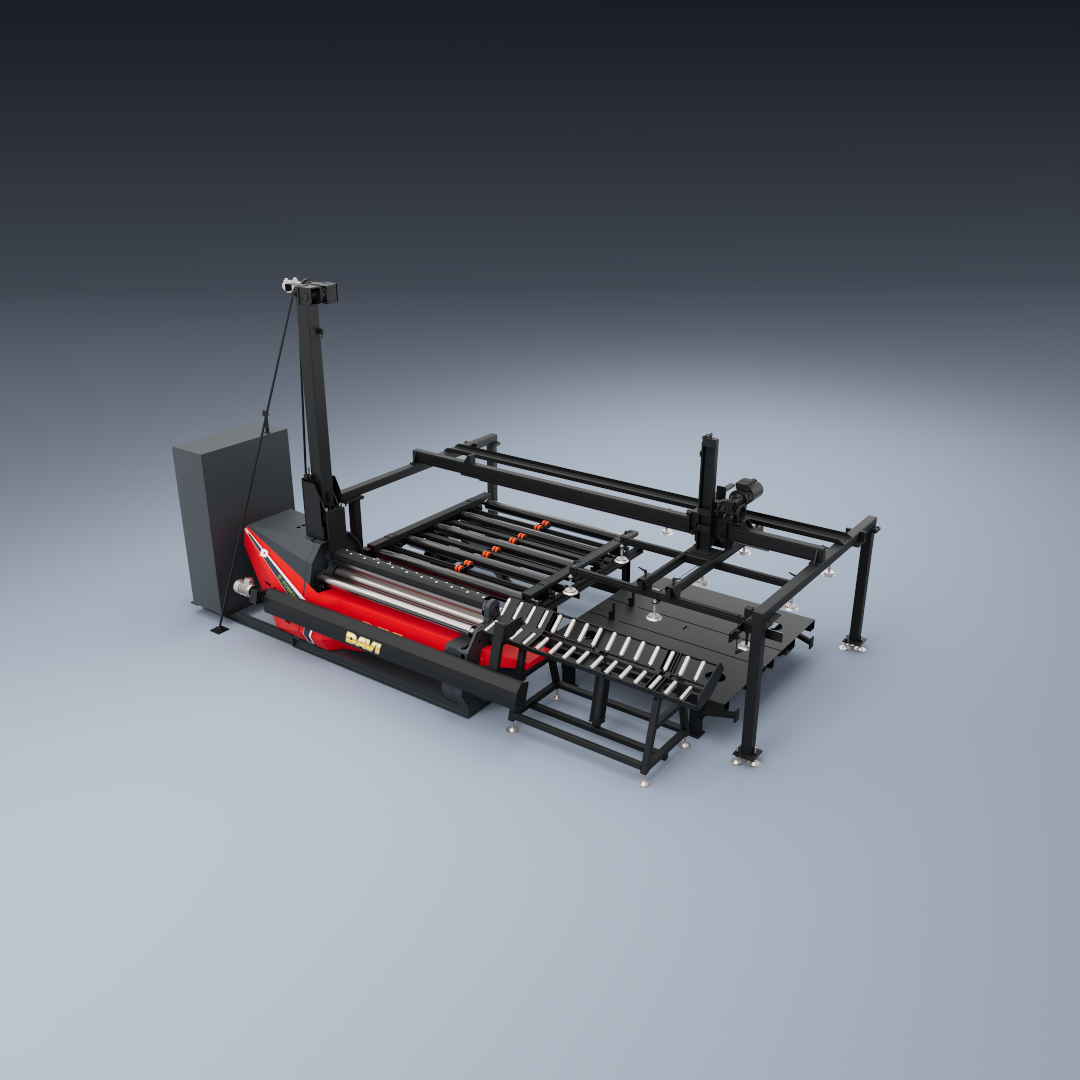
Long plates entering or exiting the machine can sag, causing guiding errors and dangerous material leverage stresses. Side supports are adjustable, roll-equipped arms mounted to the machine frame that support the extended flat wings of the plate. They maintain precise plate alignment relative to the tangent point, protecting thin materials from buckling and improving part accuracy. All Davi MCA and MCB machines feature built-in retrofitting provisions, allowing side supports to be added easily as production needs evolve.
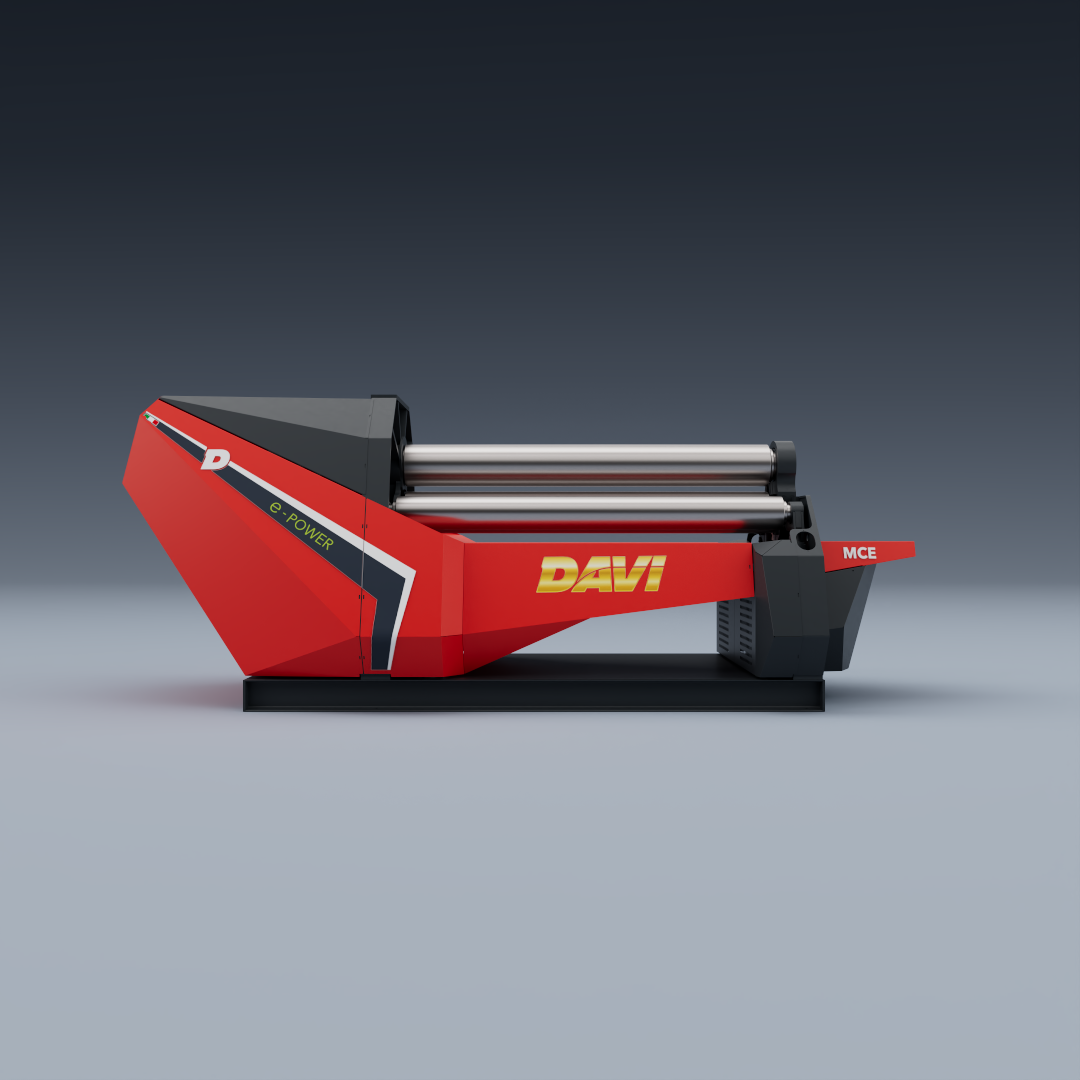
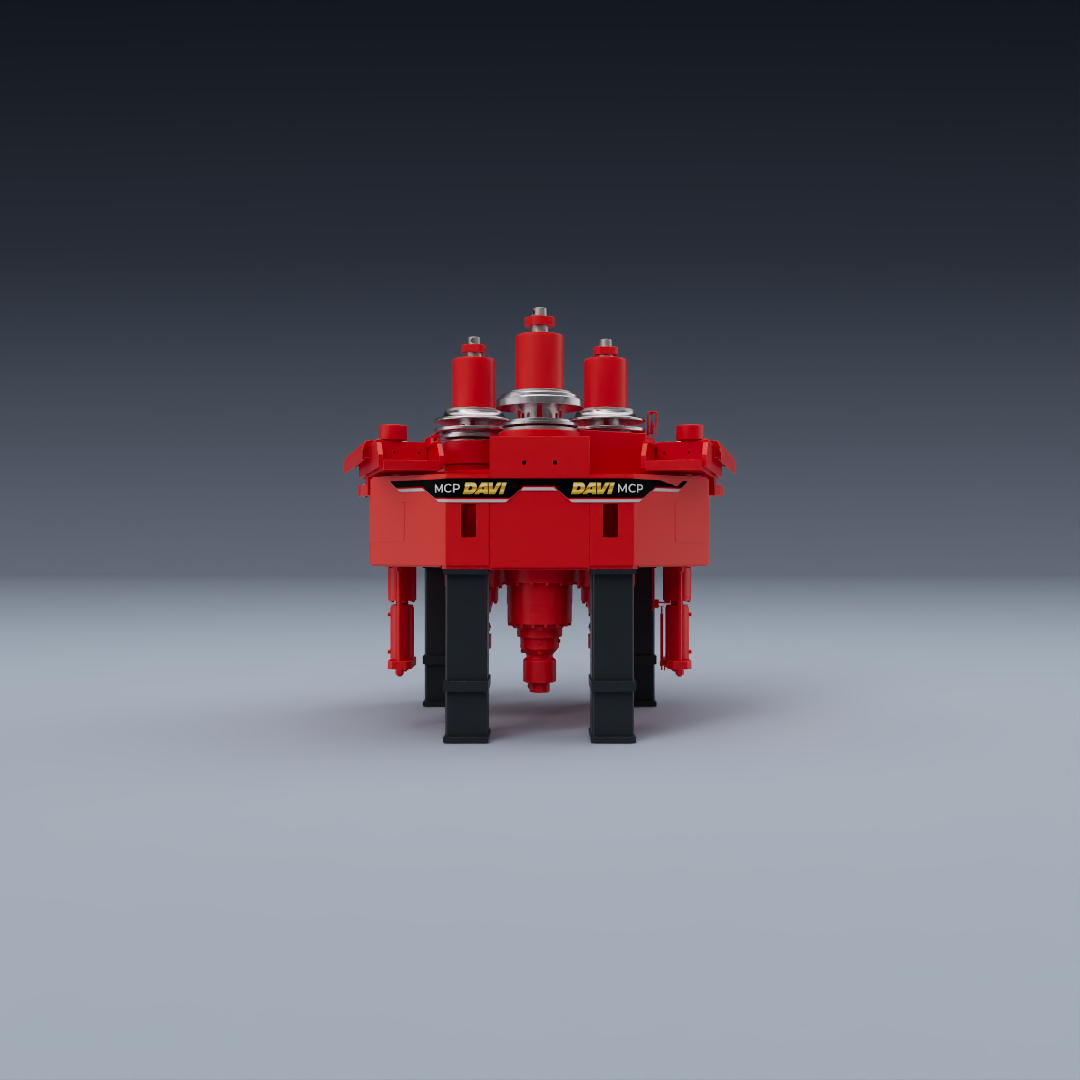
Uneven load distribution during heavy forming cycles can cause parts to warp and deviate from engineering drawings. Mechanical symmetry ensures that the frame elements and hydraulic forces are balanced identically across the centerline of the machine. It provides uniform pressure distribution along the entire width of the plate, minimizing part twisting and reducing manual rework. Davi 3-roll machines are engineered with full mechanical symmetry to optimize force distribution under maximum load.